Cutting Nails a Doberman Will Not Show You
One of the most common frustrations Doberman owners face isn't just the sheer strength of their dogs, but the surprisingly delicate and often opaque nature of their nails. Trying to trim those dark, seemingly endless nails without hitting the quick can feel like a high-stakes game of guesswork, leaving many of us anxious and our Dobermans less than thrilled about nail time. This guide is here to walk you through how to tackle those tricky Doberman nails, especially the ones that offer no visual clues, and help you make nail care a less stressful experience for both of you.
Understanding Doberman Nails and Their Unique Challenges
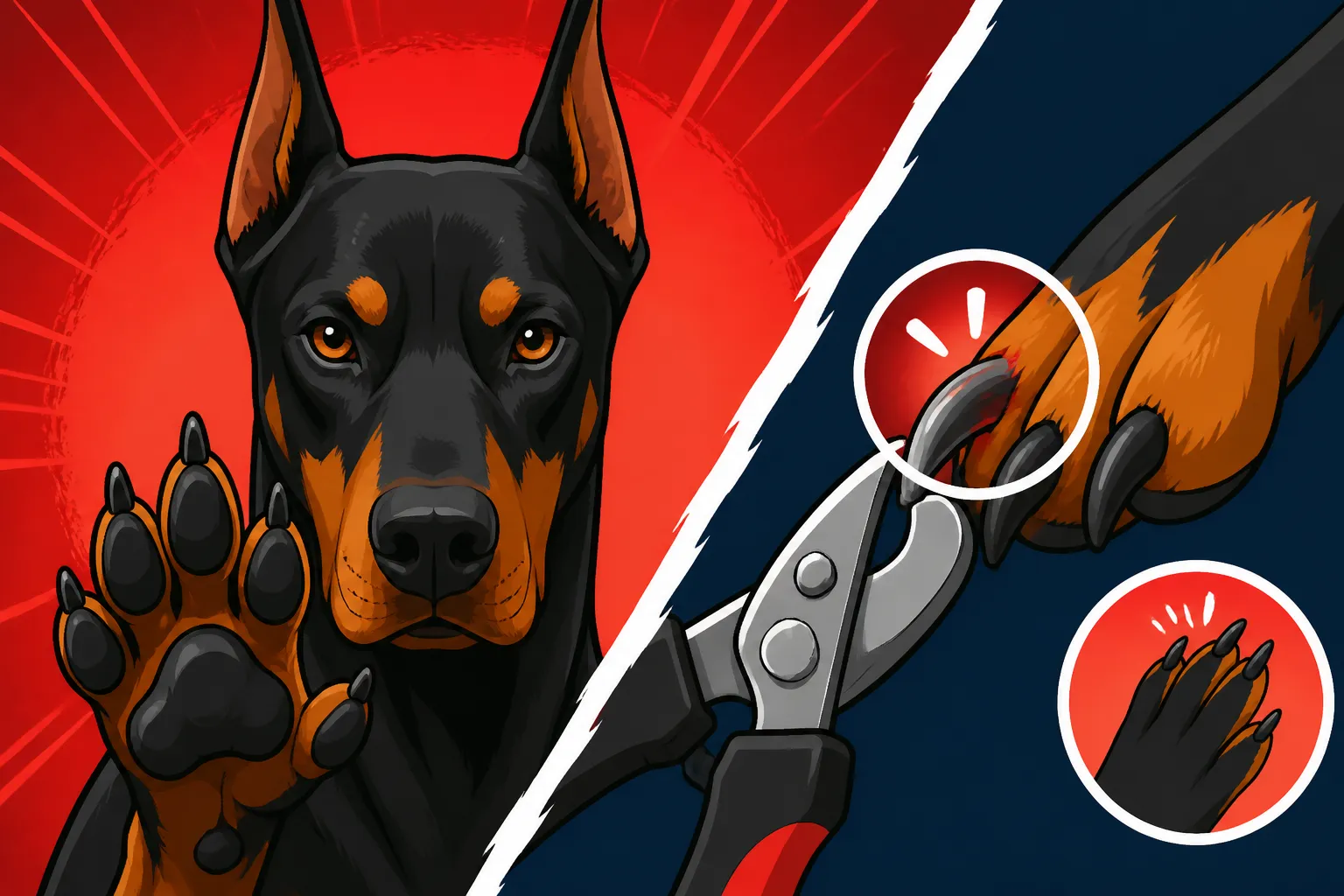
Dobermans, with their sleek coats and often dark pigmentation, frequently have black nails. While beautiful, these dark nails present a significant challenge when it comes to trimming: you can't easily see the "quick." The quick is the sensitive part of the nail that contains nerves and blood vessels, and hitting it is painful for your Doberman and can lead to bleeding. Beyond the color, Dobermans are also active dogs, and if their nails aren't kept short, they can grow long, causing discomfort, affecting their gait, and leading to more serious orthopedic issues over time. It’s not just about aesthetics; it’s about their overall health and well-being.
The Anatomy of a Doberman Nail
Imagine your Doberman's nail as a tiny, hard-shelled cone. Inside this cone, there’s a living core – that’s the quick. The quick grows with the nail, extending further down if the nail is allowed to grow long. When you trim, the goal is to cut the hardened nail tip without touching the quick. For light-colored nails, you can often see the pink quick through the translucent nail, giving you a clear guideline. But with dark nails, it's like trying to see through a black curtain. This lack of visibility is truly the biggest hurdle.
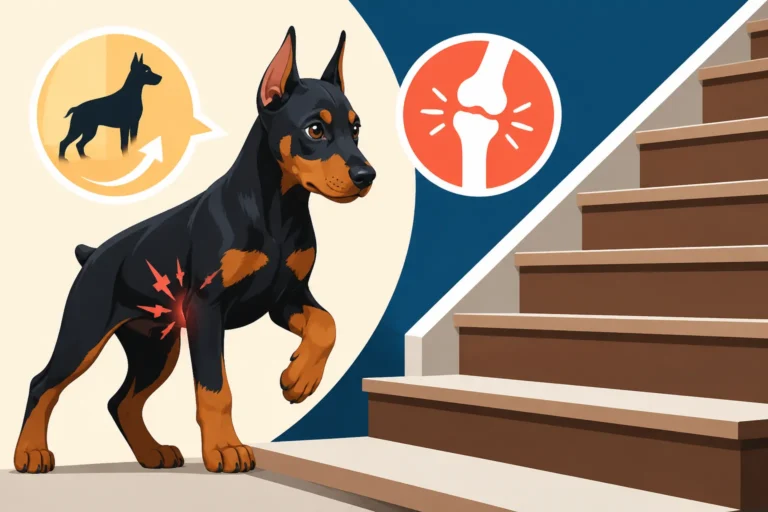
Another factor is the shape of their feet. Dobermans typically have compact, cat-like feet. When nails get too long, they push the toes up and back, putting pressure on the foot and paw pad. This can change how your Doberman distributes their weight when standing and walking, leading to strain on their joints, especially their hocks and hips. It's a domino effect, where a seemingly small detail like nail length can impact their entire musculoskeletal system. This is especially important for a breed known for potential joint issues like Doberman Hip Dysplasia.
Why Dark Nails Are So Difficult to Manage
For many Doberman owners, the phrase "cutting black nails" sends a shiver down their spine. It’s the constant fear of causing pain. When you can’t see the quick, you’re essentially guessing where it ends. This often leads to owners trimming very conservatively, perhaps only taking off the very tip, or worse, avoiding it altogether. The problem with this approach is that the quick also retracts when nails are kept short regularly. If you only ever take off a tiny bit, the quick never gets a chance to recede, meaning the nails remain long and difficult to manage indefinitely.
This cycle of fear and conservative trimming often means that Dobermans end up with longer nails than ideal, which can then become a vicious cycle. The longer the nails, the more the quick grows out, making it even harder to cut them back without causing a bleed. It’s a frustrating predicament, and it's completely understandable why so many Doberman parents dread nail trimming day. Many find themselves searching for "how to cut black dog nails" tips constantly, hoping for a magic solution, when often it's about technique and patience.
Essential Tools and Techniques for Tricky Doberman Nails
Even though it feels daunting, trimming your Doberman's nails is a skill you absolutely can master with the right tools and a bit of practice. It's about building confidence – yours and your Doberman's – and finding a method that works for both of you. Don't be afraid to experiment a little, but always prioritize safety and comfort.
Choosing the Right Nail Trimming Tools
The market offers a variety of tools, and what works best often comes down to personal preference and your Doberman’s tolerance.
- Scissor-Style Clippers: These look a bit like scissors and are often preferred for larger, thicker nails like those on a Doberman. They give you good control and a clean cut. Brands like Safari or Millers Forge are popular and can be found readily on platforms like Amazon or Chewy.
- Guillotine Clippers: These have a small hole where you insert the nail, and a blade slides across to cut it. Some owners find them easier to use, but they can sometimes crush the nail if the blade isn't sharp or the angle is off.
- Nail Grinders (Dremels): These are fantastic tools, especially for Dobermans with dark nails. Instead of cutting, they file the nail down. This allows you to remove tiny increments of nail at a time, making it much less likely to hit the quick. The friction generates heat, so you need to be quick, moving from nail to nail to prevent discomfort. The downside is the noise and vibration, which can be scary for some dogs. A good quality, quiet grinder is worth the investment.
- Styptic Powder: This is an absolute must-have. Accidents happen, and if you do cut too far and cause a bleed, styptic powder (like Kwik Stop) will stop the bleeding quickly. Keep it within arm's reach every time you trim.
Here’s a quick comparison of common tools:
| Tool Type | Pros | Cons | Best For |
|---|---|---|---|
| Scissor Clippers | Good control, clean cut, suitable for thick nails, relatively quiet. | Can be intimidating, higher risk of quicking if vision is obscured. | Confident trimmers, Dobermans tolerant of quick cuts. |
| Guillotine Clippers | Easy to position nail, often simple mechanism. | Can crush nails if dull, less precise than scissor style, harder for very thick nails. | Smaller dogs, less thick nails. (Less ideal for Dobermans). |
| Nail Grinder | Low risk of quicking, smooth finish, good for shaping, quick recedes faster. | Noise and vibration can scare dogs, generates heat if held too long, takes longer per nail. | Dark-nailed dogs, anxious dogs, maintaining quick recession. |
| Styptic Powder | Stops bleeding quickly if you quick the nail. | Doesn't prevent quicking, can sting briefly. | Essential for all trimming methods. |
Step-by-Step Techniques for Dark Nails
The key to successfully trimming dark Doberman nails is a combination of observation, small cuts, and patience. You’re not aiming for a perfect cut every time, but consistent, safe trims.
- Find Your Angle: Your Doberman's nail naturally curves. You want to cut at a slight angle, following the natural curve of the paw, rather than straight across. Imagine where the ground would be if your Doberman was standing on a flat surface; you want the nail to be just shy of touching that surface.
- Small, Repeated Nips: This is the golden rule for dark nails. Instead of trying to take a big chunk, take tiny, almost paper-thin slices off the tip. After each slice, look at the cut surface.
- Outer layers: You’ll see a whitish or grayish ring. This is the dead nail material.
- Inner ring (the "bullseye"): As you get closer to the quick, you'll start to see a small, darker, grayish, or pinkish oval or circle in the very center of the cut surface, often resembling a tiny bullseye. This is your warning sign! STOP when you see this, or proceed with extreme caution, taking even tinier slivers. This is the living tissue just before the quick.
- Using a Grinder for Precision: If you’re using a grinder, work in short bursts (1-2 seconds) on each nail. This prevents heat buildup. Grind the tip, then move to the sides, rounding the nail off. Again, watch for that darker 'bullseye' at the center. The grinder is excellent for gradually pushing the quick back over time.
- The Dewclaws: Don't forget the dewclaws (the thumbs on their front legs, and sometimes rear ones). These nails don't touch the ground, so they don't wear down naturally. They can grow into a full circle and pierce the paw pad if neglected. They often feel softer and might be easier to trim, but still, be careful.
Regularity is crucial. Trimming a little bit every week or two is much easier than trying to tackle severely overgrown nails every few months. The more often you trim, the more the quick recedes, making future trims easier and less stressful. This consistency ties into overall Doberman Nail, Ear and Tooth Care.
Making Nail Trimming a Positive Experience
No one wants a wrestling match every time nail care is due. Dobermans are intelligent and sensitive; they pick up on our anxiety. The key is to build positive associations and gradually desensitize them to the process and the tools.
Gradual Desensitization and Positive Reinforcement
The battle with nail trimming often starts long before the clippers come out. Many Dobermans learn to associate the sight of the tools or the restraint with an unpleasant experience. You need to flip that script.
- Handle Paws Frequently: Start by simply touching and holding your Doberman’s paws regularly, even when you’re not trimming. Gently manipulate their toes, spread their pads, and touch their nails. Pair this with high-value treats. This makes paw handling a normal, non-threatening interaction. This early handling can be vital, much like the general socialization during The Sixteen Weeks That Set a Doberman Up.
- Introduce the Tools Slowly:
- Clippers: Place them near your Doberman. Let them sniff them. Give a treat. Repeat. Don’t even pick them up at first. Then, pick them up, click them (without a nail) so your dog hears the sound, and give a treat. Gradually, touch the clippers to a nail without cutting, then treat.
- Grinder: This one is harder due to noise. Start by turning it on in another room. Treat your Doberman for remaining calm. Move it closer over days or weeks. Turn it on for a second, treat. Let them feel the vibration on their side, not even a paw yet, then treat. Eventually, work up to touching it to a nail. High-value, delicious treats are key here – think cooked chicken, cheese, or even small portions of premium dog food like Ollie.
- Short Sessions are Best: Don’t try to do all four paws at once, especially in the beginning. Aim for one or two nails, then praise and reward lavishly. Build up gradually. If your Doberman starts to get agitated, stop before they hit their threshold. You want to end on a positive note.
- Use a Lick Mat: Smearing a lickable treat (like peanut butter, plain yogurt, or canned pumpkin) on a Amazon lick mat or a similar slow-feeder toy can provide a wonderful distraction. Your Doberman will be focused on the yummy reward while you work on their nails.
- Location, Location, Location: Choose a calm, quiet place where your Doberman feels comfortable. Some dogs do better on a raised surface if they're used to grooming tables, others prefer the floor. Experiment to see where they are most relaxed.
Dealing with Resistance and Fear
Even with the best intentions, some Dobermans are just not having it. Their intelligence can sometimes work against you, as they remember unpleasant experiences vividly.
- Stay Calm and Confident: Your Doberman will mirror your energy. If you’re tense and stressed, they will be too. Take a deep breath. Speak in a calm, reassuring voice.
- Consider a Helper: Having a second person to hold your Doberman, dispense treats, or distract them with a toy can make a huge difference.
- Muzzle Training: For Dobermans who might snap or bite out of fear, muzzle training is a responsible safety measure. Introduce the muzzle positively, feeding treats through it, long before you need it for nail trimming. A comfortable basket muzzle allows them to pant and take treats, reducing stress. This is part of responsible ownership and can prevent serious injury. Read more about Muzzle Training a Doberman Before It Is Needed.
- Know When to Stop: If your Doberman is truly distressed, growling, struggling violently, or panicking, stop the session. Pushing through will only make them more fearful next time. Sometimes, it's better to do one nail, then try again later, or even the next day.
- Accidental Quicking: It happens to the best of us. If you quick a nail:
- Don't panic.
- Apply styptic powder firmly to the bleeding nail.
- Offer comfort and reassurance to your Doberman.
- Don't dwell on it. Clean up the mess and resume a positive interaction, perhaps saving the rest of the nails for another day if your dog is stressed.
When to Seek Professional Help
There’s absolutely no shame in admitting that some tasks are better left to the pros. Sometimes, despite your best efforts, a Doberman’s nails are simply too challenging for you to manage alone, or your dog’s anxiety is too high.
Recognizing Your Limits
It's important to be realistic about what you can comfortably and safely achieve. If any of the following describe your situation, it might be time to call in a professional:
- Extreme Fear or Aggression: If your Doberman becomes genuinely aggressive, growls, snaps, or attempts to bite, for your safety and theirs, seek professional help.
- Severe Overgrowth: Nails that are extremely long, curled, or grown into the paw pads might require more than just a regular trim. They could be painful and might need careful attention from someone experienced.
- Consistent Quicking: If you consistently hit the quick, you might be struggling with the technique or visibility. A professional can help you learn, or simply take over the task.
- Your Own Anxiety: If the thought of trimming your Doberman's nails fills you with dread, your Doberman will sense it. Sometimes, handing it over to a professional removes that stress from both of you.
Remember, a Doberman that fights nail trims isn't being "bad"; they are genuinely scared or uncomfortable. Their response is often a cry for help.
Who Can Help and What to Expect
There are several professionals who can assist with Doberman nail care:
- Veterinarians and Vet Techs: Your regular vet clinic is often the first and best stop. Vet techs are usually experts at handling difficult dogs and can perform nail trims quickly and efficiently. They can also assess if there are any underlying issues, like pain or infection, contributing to your Doberman’s resistance. If your Doberman is extremely anxious, they might even suggest mild sedation for the procedure, which can be a game-changer for stress levels. You might want to ask about Vaccination and Anesthesia in a Doberman if sedation is discussed.
- Professional Groomers: Many professional groomers are highly skilled in nail trims for all breeds, including Dobermans. Look for groomers with experience with large, powerful, or anxious dogs. They often have specialized equipment and techniques that can make the process smoother.
- Fear-Free Certified Professionals: Some vets and groomers have "Fear Free" certifications, meaning they specialize in minimizing stress, fear, and anxiety during procedures. They use positive reinforcement, gentle handling, and environmental modifications to make the experience as pleasant as possible.
When you bring your Doberman to a professional, be honest about their history with nail trims and any behaviors you've observed. This information helps the professional tailor their approach to your dog's specific needs. Don't hesitate to ask if you can watch or participate to learn their techniques. Many professionals are happy to teach you tips and tricks to make home care easier between visits. Finding a good professional resource can be invaluable, especially when you consider the recurring costs of grooming, as discussed in Doberman Grooming on a Coat With No Undercoat.
Ultimately, the goal is to keep your Doberman comfortable and healthy. Whether you master the art of the tiny nip yourself or rely on a trusted professional, ensuring their nails are well-maintained is a critical part of their care. It might not be the most glamorous part of Doberman ownership, but it's one of the most important for their long-term well-being.
Disclaimer
This article is for general informational purposes only and does not constitute professional advice. Laws, prices and regulations vary by location and change over time. Consult a qualified professional for guidance on your specific situation.