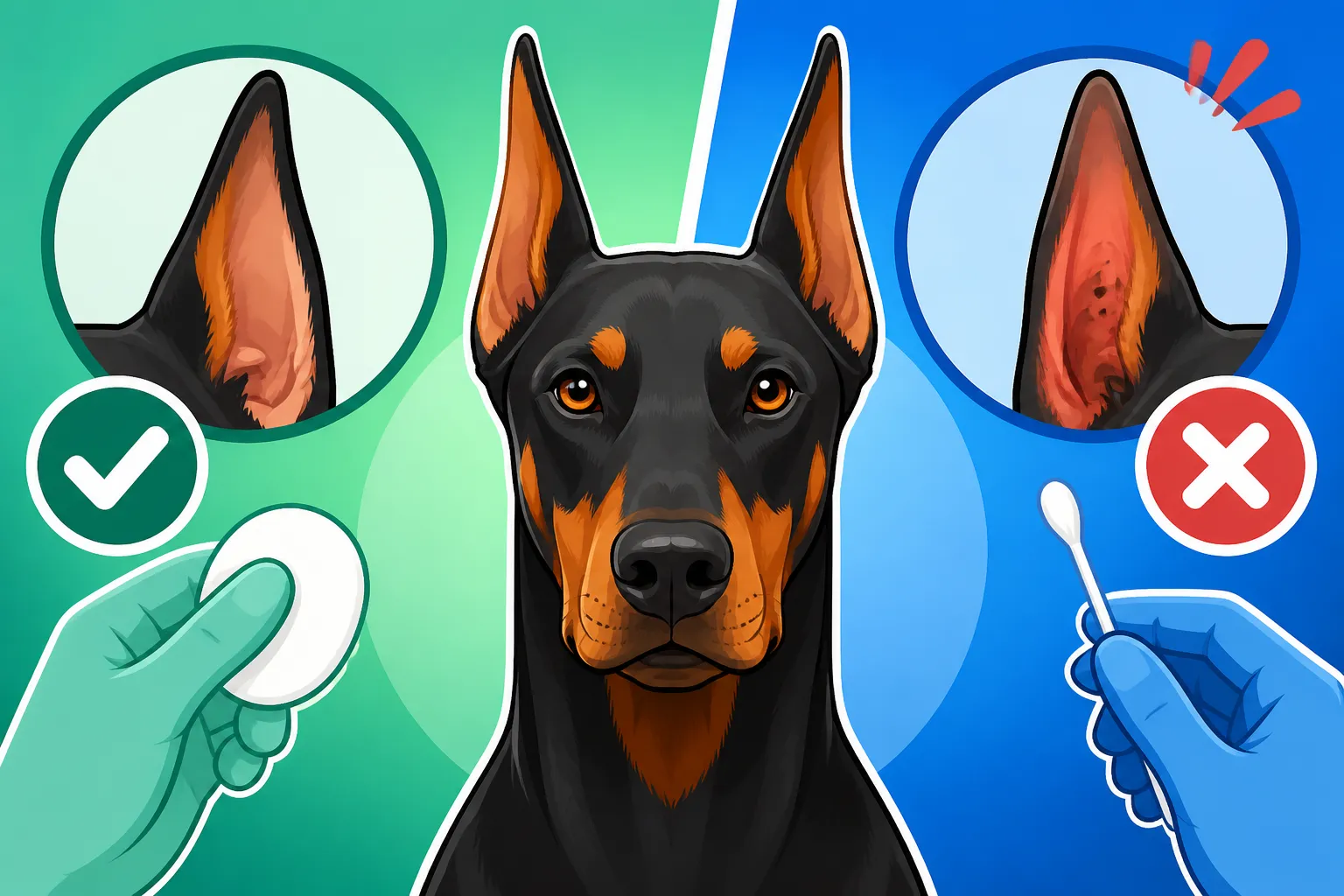
Whether a Cropped Doberman Ear Needs Less Cleaning
One of the most common things I hear from Doberman owners, especially those new to the breed or perhaps considering a pup with cropped ears, is the belief that a cropped ear somehow makes ear care simpler, or even unnecessary. It’s easy to fall into the trap of thinking that because the ear stands upright and is more open to the air, it won't trap dirt or moisture, and therefore needs less cleaning. The reality, though, is a bit more nuanced than that. This guide is here to clear up those misconceptions and help you understand the actual needs of your Doberman's ears, cropped or natural.
The Truth About Doberman Ear Anatomy and Airflow
Let's start by getting really honest about what makes a Doberman's ears, regardless of whether they're cropped or natural, susceptible to issues. The outer appearance can be deceiving, and many folks misunderstand how the ear canal itself is structured. It’s not just about what you can see.
Unpacking the Doberman Ear Canal
Imagine the deep, winding path of a cave – that's a pretty good analogy for a dog's ear canal, including your Doberman's. It's not a straight shot like a human ear canal. Instead, it has a distinct L-shape, starting vertically and then making a sharp turn horizontally before reaching the eardrum. This deep, angled structure is perfectly designed by nature to protect the delicate inner ear from external harm, but it also creates a fantastic little cul-de-sac for moisture, wax, and debris to collect.
Because of this specific design, gravity and natural airflow aren't always enough to clear out everything that gets trapped down there. Whether it’s dust from a romp in the park, water from a bath or a swim, or simply the normal production of ear wax, that L-shaped canal is going to hold onto it. This means that if left unchecked, these accumulated substances can create a warm, moist environment – a veritable paradise for yeast and bacteria to multiply, leading to those frustrating, itchy, and sometimes painful ear infections that none of us want our beloved Dobermans to experience.
Cropped vs. Natural Ears: Airflow & Exposure
Now, let's tackle the core question of cropping. When a Doberman's ears are cropped, they are surgically altered to stand erect, often supported by taping or "posting" for several weeks or even months to achieve that desired upright carriage. The visual change is dramatic: the ear leather is much shorter, and the canal appears more open to the elements. This is where the misconception usually arises. People see the upright ear and assume it means significantly better airflow, and thus, fewer problems.
While it's true that the outer portion of a cropped ear is certainly more exposed to air and might dry faster on the surface compared to a heavy, pendulous natural ear, this doesn't fundamentally change the internal anatomy we just discussed. The deep, L-shaped ear canal is still there, doing its job of trapping things. Think of it like a bottle with a wider mouth – it might dry a little quicker at the very top, but if liquid gets to the bottom, it still needs to be tipped out. So, while the immediate exterior of a cropped ear might dry quicker after, say, a quick splash in a puddle, the internal canal still requires attention to prevent buildup and maintain optimal health. It doesn't magically become a self-cleaning wonder simply because it stands up. You still need to be diligent about cleaning. Many owners believe that Whether a Cropped Doberman Ear Needs Less Cleaning is true, but it's crucial to understand the anatomy.
Common Ear Issues Dobermans Face (Cropped or Not)
No matter how your Doberman's ears are presented, they're still susceptible to a range of common ailments. Knowing what to look for can make all the difference in catching problems early and getting your pup the relief they need.
The Usual Suspects: Infections and Irritations
Dobermans, like many breeds, are prone to various ear issues. Yeast infections are incredibly common, often presenting with a distinct, musty odor and a greasy, dark brown discharge. If you've ever smelled a "yeasty" dog ear, you know it's hard to forget! Bacterial infections, on the other hand, might lead to more pus-like discharge, redness, swelling, and be quite painful to the touch. Both types of infections can cause intense itching, leading your Doberman to shake their head repeatedly, paw at their ears, or rub them against furniture or the ground. Sometimes, they might even yelp when you touch their head.
Ear mites, though less common in adult Dobermans than in puppies, are tiny parasites that can cause severe irritation, characterized by a dark, crumbly discharge that looks a bit like coffee grounds. Beyond infections and mites, Dobermans can also suffer from allergic reactions that manifest in their ears. Environmental allergies (like pollen or dust) or food allergies can cause inflammation and itchiness in the ears, leading to secondary infections if the skin barrier is compromised by scratching and head shaking. It’s a frustrating cycle for both dog and owner, and these issues aren't exclusive to Chronic Ear Infections in a Cropped Doberman. They can absolutely occur in natural ears, too.
How Moisture and Debris Contribute to Problems
The deep, L-shaped canal we discussed earlier is the perfect incubator for these problems, particularly when moisture and debris are involved. Picture your Doberman, a true water dog at heart, taking a glorious swim in the lake or a simple bath at home. Water inevitably makes its way into the ear canal. If that water isn't allowed to dry or is pushed deeper by attempts to dry it with cotton swabs (a big no-no!), it creates a damp, warm environment. This is exactly what yeast and bacteria thrive on.
Beyond water, consider all the fun stuff your Doberman gets into: dirt from digging, grass seeds from running through fields, dust from playing fetch in a dry, dusty yard. All these tiny particles can work their way down the canal, getting trapped and causing irritation. Over time, this debris, combined with naturally occurring ear wax and moisture, becomes a thick, sticky mess that further blocks airflow and creates the ideal conditions for an infection to take hold. Even if the ear stands up straight from cropping, if your Doberman is romping in the mud or swimming regularly, that internal canal still needs diligent attention. It's not about the outer ear's appearance; it's about the internal environment. This is why care for Ear Care on an Uncropped Doberman is just as important, focusing on the same internal factors.
Your Doberman's Ear Care Routine: What You Really Need to Do
So, whether your Doberman's ears are cropped and standing proudly, or natural and flopping softly, a consistent and correct ear care routine is absolutely vital. It's not about doing less; it's about doing it right.
Essential Tools and Techniques for Effective Cleaning
First things first: gather your supplies. You'll need a good quality, vet-approved ear cleaning solution designed specifically for dogs. You can find these at pet supply stores or online retailers like Chewy or Amazon. Avoid anything that isn't specifically formulated for canine ears, as human products or harsh chemicals can do more harm than good. You'll also need plenty of cotton balls or soft gauze pads. A word of caution: never use cotton swabs (Q-tips) down your dog's ear canal. That L-shaped bend means you're far more likely to push debris further down and potentially damage the eardrum than you are to clean anything effectively.
Here's a simple, safe technique:
- Warm the Solution: Gently warm the ear cleaning solution to body temperature by placing the bottle in a bowl of warm water for a few minutes. Cold solution can be startling and uncomfortable for your Doberman.
- Fill the Canal: Gently hold your Doberman's ear flap upright. Carefully squirt a generous amount of the cleaning solution into the ear canal until it's visibly full. Don't be shy!
- Massage: Keeping the ear flap up, gently massage the base of the ear for about 20-30 seconds. You should hear a squishing sound as the solution works its way around, loosening wax and debris. This part is crucial for allowing the solution to do its job deep inside the canal.
- Let Them Shake: Stand back and let your Doberman shake their head vigorously. This is a natural and effective way for them to expel the loosened gunk from deeper in the canal. You might want to do this in an area where you don't mind a little splash!
- Wipe Clean: Once they've had a good shake, use a fresh cotton ball or gauze pad to gently wipe away any visible solution and debris from the outer ear flap and the uppermost part of the ear canal. Repeat with clean cotton balls until no more dirt comes out. Remember, you're only cleaning what you can easily see.
If your Doberman is new to this, it might take some patience and positive reinforcement. High-value treats and praise go a long way in making ear cleaning a less stressful experience for both of you. Getting them comfortable with handling their ears is a lesson best started early, perhaps alongside lessons like Doberman Puppy Biting and Adolescent Mouthing.
Establishing a Consistent Cleaning Schedule
The frequency of ear cleaning really depends on your individual Doberman and their lifestyle. For most Dobermans with healthy ears, a quick check and clean once a week or every two weeks might be sufficient. This allows you to monitor for any signs of trouble and remove minor buildup. If your Doberman loves to swim, gets frequent baths, or spends a lot of time in dusty or dirty environments, you'll need to increase the frequency. A good rule of thumb is to clean their ears after any activity that introduces moisture or significant debris. Think about it: if water gets trapped, that's your cue to clean.
You should also be vigilant for signs that indicate a need for immediate attention or a trip to the vet. These include:
| Symptom | Healthy Ear | Potentially Infected Ear |
|---|---|---|
| Odor | Faint, clean, or no odor | Strong, foul, sweet, or "yeasty" smell |
| Discharge | Minimal, light brown wax | Excessive wax, dark brown, yellow, green, or pus-like |
| Redness/Swelling | Pink, healthy skin | Red, inflamed, swollen, or tender skin |
| Itchiness/Discomfort | No scratching or head shaking | Frequent scratching, head shaking, pawing at ear |
| Pain | Tolerates handling, no yelping | Yelping, flinching, or aggression when touched |
| Balance | Normal | Tilting head, loss of balance |
If you notice any of these "potentially infected" signs, especially changes in odor, excessive discharge, or pain, it’s time for a vet visit. Early intervention can prevent minor issues from becoming severe infections. Your vet can properly diagnose the problem and prescribe the right medication. Sometimes the solution is simply to be more diligent with Cleaning Wax From a Crobernan Ear, other times it's a more serious medical issue.
Beyond Cleaning: Other Factors for Ear Health
While regular cleaning is paramount, it’s just one piece of the puzzle for maintaining optimal ear health. A Doberman’s overall health, including their diet, plays a significant role. For instance, some Dobermans with chronic ear issues might benefit from a diet tailored to reduce potential allergens or provide specific nutritional support. High-quality dog food from brands like Ollie, which often focuses on fresh, whole ingredients, can sometimes make a difference for dogs with sensitivities, although it's always best to consult your vet about any dietary changes or concerns. Factors that can lead to skin and ear issues might be impacted by general nutritional intake, similar to how Reading Ribs and Hip Points on a Doberman gives clues about overall wellness.
Furthermore, regular veterinary check-ups are crucial. During these visits, your vet will perform a thorough ear examination, looking for anything you might have missed. They can spot early signs of infection, foreign bodies, or other underlying health issues that might manifest in the ears. Remember, ear infections can be incredibly uncomfortable for your Doberman, and treating them promptly can save both your dog from prolonged discomfort and you from potentially higher The Vet Bills a Doberman Runs Up Outside Screening. So, while cropped ears might look less prone to issues, the diligent care needed for the deep canal remains the same for all Dobermans.
Disclaimer
This article is for general informational purposes only and does not constitute professional advice. Laws, prices and regulations vary by location and change over time. Consult a qualified professional for guidance on your specific situation.