The Years Dobermann Spent Breeding
For anyone who’s ever been captivated by the majestic Doberman, there’s a certain mystery surrounding the man who first envisioned this incredible breed. We often hear his name, Karl Friedrich Louis Dobermann, but understanding the actual years he poured into bringing his idea to life, and the painstaking process involved, often gets lost in simplified histories. This guide aims to pull back the curtain on those foundational years, delving into the dedication and circumstances that led to the Doberman we know and love today.
Karl Dobermann and His Urgent Vision
It’s easy to romanticize the idea of a single individual creating an entire dog breed, but the reality of Karl Dobermann’s work was rooted in a very practical, and perhaps even dangerous, need. Living in Apolda, Germany, in the mid-19th century, Karl held multiple civic roles: tax collector, night watchman, and even a dog catcher. These were not jobs for the faint of heart, especially the tax collecting and night watch duties, which could put him in precarious situations late at night with valuables in tow. He wasn't just interested in dogs; his livelihood, and perhaps his safety, depended on having a truly capable canine companion. This wasn’t a hobby project; it was a matter of necessity.
He didn't just wake up one morning and decide to invent a dog. Instead, his experiences likely formed a clear picture in his mind of what he needed: a dog that was fearless, highly intelligent, fiercely protective, and loyal to a fault. He observed the local dogs, the various types used for herding, guarding, and hunting, and saw pieces of what he wanted, but no single dog embodied the complete package. He needed a dog with a potent deterrent presence, but also one that was biddable enough to work closely with him. This urgent, personal requirement became the driving force behind his ambition. It's a testament to his clear vision that the core traits he sought are still hallmarks of the Doberman today. Imagine trying to find the perfect canine partner for such high-stakes work without the benefit of organized breed clubs or extensive genetic knowledge – it truly underscores the grit and determination of a man facing genuine threats.
The Blend of Breeds Dobermann Likely Utilized
The exact blueprint of Karl Dobermann's breeding program is, unfortunately, not perfectly documented. This was a time before meticulously kept studbooks and genetic registries were standard practice, especially for an individual working primarily out of personal necessity rather than for a formal kennel club. However, historians and breed enthusiasts have pieced together strong theories about the types of dogs he would have had access to and likely incorporated into his developing lines. The goal wasn’t aesthetic; it was functional. He was looking for specific traits: courage, intelligence, physical prowess, and a dominant presence.
Among the most frequently credited ancestors are old German Shepherds (sometimes referred to as German Pinschers), Rottweilers (then known as "butcher's dogs" for their role in driving cattle and guarding), and possibly even a dash of the speedy Greyhound for athleticism, or perhaps the sturdy German Pinscher for agility and tenacity. Each of these breeds brought a unique contribution to the table. The Rottweiler offered strength, guarding instinct, and a powerful build. The German Pinscher likely contributed the "pinscher" type—a keen, alert, and determined nature, often with a compact, muscular body. The addition of a hunting dog like the Weimaraner or even a short-haired shepherd type could have contributed to scenting ability or a more refined, athletic frame. What's crucial to remember is that these were not the highly specialized, standardized breeds we know today, but rather more generic "types" of dogs common in the region, bred for practical purposes rather than show rings. It was a painstaking process of trial and error, selecting individuals with the desired traits and breeding them together, hoping to consolidate the best characteristics in their offspring. To learn more about the early influences, you might read Which Breeds Historians Credit in the Doberman.
| Potential Ancestral Breeds | Key Traits Contributed | Dobermann's Likely Motivation |
|---|---|---|
| Old German Shepherd/Pinscher | Intelligence, Trainability, Alertness | A keen, intelligent working partner |
| Rottweiler (Butcher's Dog) | Strength, Fearlessness, Guarding Instinct | Powerful protector and deterrent |
| Greyhound/Hunting Dogs | Speed, Agility, Refined Build | Athleticism and quick reflexes |
| Black & Tan Terriers | Tenacity, Courage, Game Drive | Boldness and an unyielding nature |
Estimating the Active Breeding Years
Based on historical accounts, Karl Dobermann was active in his breeding efforts from around 1870 until his death in 1894. This means he spent approximately 24 years, nearly a quarter of a century, dedicated to this singular pursuit. It wasn't a fleeting experiment; it was a significant portion of his adult life, a continuous project driven by his specific needs. During this time, he was not merely pairing dogs at random. He was observing, selecting, and refining. Each generation would have been scrutinized, with only the dogs exhibiting the strongest desired traits – courage, intelligence, physical soundness, and an unwavering loyalty – being chosen to continue the line.
Imagine the dedication involved: no readily available veterinary advice, no genetic testing to screen for health issues, and no online stores like Chewy to deliver specialized nutrition or training aids. He was working with what he had, relying on his keen eye, practical experience, and deep understanding of canine behavior. The limited resources of the time meant that his breeding decisions were made largely on observable phenotype and temperament. He was essentially building a breed from the ground up, one litter at a time, patiently waiting for the offspring to mature to assess their suitability. This long-term commitment is vital to understanding the Doberman's consistent temperament and working ability. The foundational bloodlines established during these two decades were robust enough to be carried forward by others after his passing, ensuring the breed’s survival and future development. For more context on his personal life, see The Years Dobermann Spent Breeding.
The Immediate Legacy After Dobermann's Death
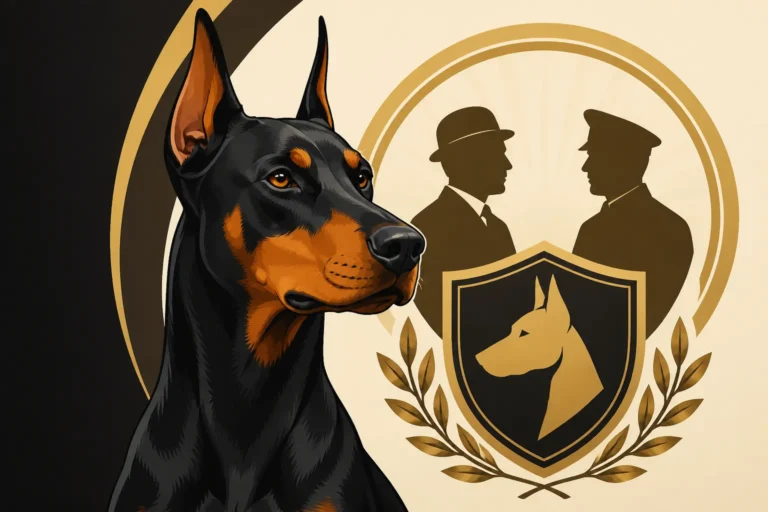
Karl Dobermann passed away in 1894, but his vision didn't die with him. The dogs he had created, with their distinct appearance and formidable working abilities, had already started to gain recognition in the Apolda region. Other breeders, seeing the immense potential and utility of these dogs, took up the mantle. One of the most influential figures in continuing and formalizing the breed was Otto Goeller. Goeller is largely credited with stabilizing the Doberman breed type, working towards a more consistent appearance and temperament that could be recognized and registered.
It was Goeller who founded the first Doberman Pinscher Club in Apolda in 1899, just five years after Dobermann's death. This was a critical step in transitioning the Doberman from a collection of "local dogs" to a recognized breed. The club then drafted the first breed standard around 1900, which provided a written description of the ideal Doberman, outlining desired physical characteristics, temperament, and gait. This standardization was essential for guiding future breeding decisions and ensuring the breed’s continued development in a consistent direction. You can read more about this in The 1900 German Doberman Standard and The Doberman Club Goeller Founded in 1899. Without these dedicated individuals picking up where Karl Dobermann left off, his creation might have faded into obscurity. Instead, his two decades of careful selection laid the foundation for a breed that would soon capture the attention of the world, valued for its intelligence, loyalty, and protective instincts. The early breeders understood the significance of preserving these traits, ensuring that the Doberman's original purpose, as envisioned by Karl Dobermann, remained paramount even as the breed gained popularity as a companion and show dog. Modern Doberman owners can still feel the profound impact of Dobermann's initial efforts and the subsequent work of those like Goeller when they purchase quality food and supplies from retailers like Chewy to support their Doberman's health and training.
The Enduring Impact of Dobermann's Foundations
The years Karl Dobermann spent meticulously developing his ideal canine companion laid an unshakeable foundation for the breed's future. His focus on temperament, intelligence, and protective instincts meant that from its very inception, the Doberman was more than just a dog with a striking appearance; it was a thinking, working partner. This deep-seated functionality is what continues to define the breed today, even as its roles have diversified from solitary guard dog to cherished family member and competitive sport dog. The initial decades of focused breeding instilled a genetic predisposition for trainability and a desire to please, traits that make Dobermans excel in everything from obedience to protection sports.
Even with the advancements in canine science and breeding practices, the core traits Dobermann sought remain central to what makes a Doberman a Doberman. Modern breeders dedicate themselves to preserving these qualities while also striving for genetic health and structural soundness, building upon the legacy of Karl Dobermann. When you see a Doberman today, whether it's a show champion, a working dog, or a beloved pet, you are seeing the direct result of Dobermann's decades-long commitment. The intelligence that makes them easy to train, the loyalty that creates the famous "Velcro dog" persona, and the inherent protective nature all harken back to that initial, urgent vision. The Doberman's War Record showcases how profoundly useful these traits became on a grander scale. And while Dobermann himself may not have imagined a world where Doberman owners could effortlessly choose from a vast array of high-quality kibble, raw food, or specialty treats from an online pet supply giant like Chewy, the underlying need to provide the best for these magnificent dogs remains unchanged. His work provided the raw material, and subsequent generations have refined it, but the essence is undeniably Dobermann's.
Disclaimer
This article is for general informational purposes only and does not constitute professional advice. Laws, prices and regulations vary by location and change over time. Consult a qualified professional for guidance on your specific situation.