The Weeks a Doberman Crop Has to Happen In
Bringing home a Doberman puppy is a whirlwind of excitement, but it also comes with a lot of big decisions, and for many, ear cropping is one of the most pressing. The window for this procedure is incredibly specific, and missing it can mean a world of regret and complications, leaving many new owners feeling overwhelmed about the timing and struggling to find clear, empathetic guidance. This comprehensive guide will walk you through the crucial timeframe for Doberman ear cropping, explaining why this window exists and what you need to consider to make the best decision for your new family member.
The Delicate Balance: Why Timing is Everything for Doberman Ear Cropping
The decision to crop a Doberman's ears is a personal one, often rooted in historical breed standards, aesthetic preference, and the desire for that distinctive Doberman silhouette. However, beyond the visual outcome, the timing of the procedure is absolutely critical for several physiological reasons that directly impact the success of the crop and the puppy's long-term comfort. It’s not just about getting the ears to stand; it’s about doing so with minimal trauma and optimal healing. This isn't a procedure that can just happen "whenever"; there's a delicate dance between cartilage development and the puppy's overall growth.
First and foremost, the cartilage in a Doberman puppy's ears is still developing and changing rapidly in its early months. If the procedure is done too early, the cartilage might not be firm enough to hold a good shape, leading to ears that flop or have an inconsistent set, even after diligent posting. Imagine trying to sculpt something out of unset Jell-O – it just won't hold its form. Conversely, if you wait too long, the cartilage can become too rigid and set, making it incredibly difficult, if not impossible, to shape the ears into the desired upright position, no matter how skilled the veterinarian or how meticulous the aftercare. The ears simply won't have the pliability needed to respond to posting.
Beyond cartilage, a puppy's immune system, anesthetic tolerance, and healing capabilities also play a significant role. Younger puppies are more vulnerable to anesthesia risks and complications, while older puppies might have a harder time with the stress of the procedure and the lengthy aftercare process. The sweet spot aims to balance these factors, minimizing risk while maximizing the chance of a successful outcome. It’s a narrow window, and understanding the biological reasons behind it helps explain why every week truly counts during this period.
Navigating the Critical Window: When to Crop Your Doberman's Ears
When breeders and experienced Doberman owners talk about the "ideal" time for ear cropping, they're typically referring to a specific age range where the puppy's ears are most receptive to the procedure and subsequent posting. This window is fairly consistent across the breed, though individual puppy development can sometimes shift it by a week or two. Getting it right is paramount for the health and aesthetic outcome of your Doberman.
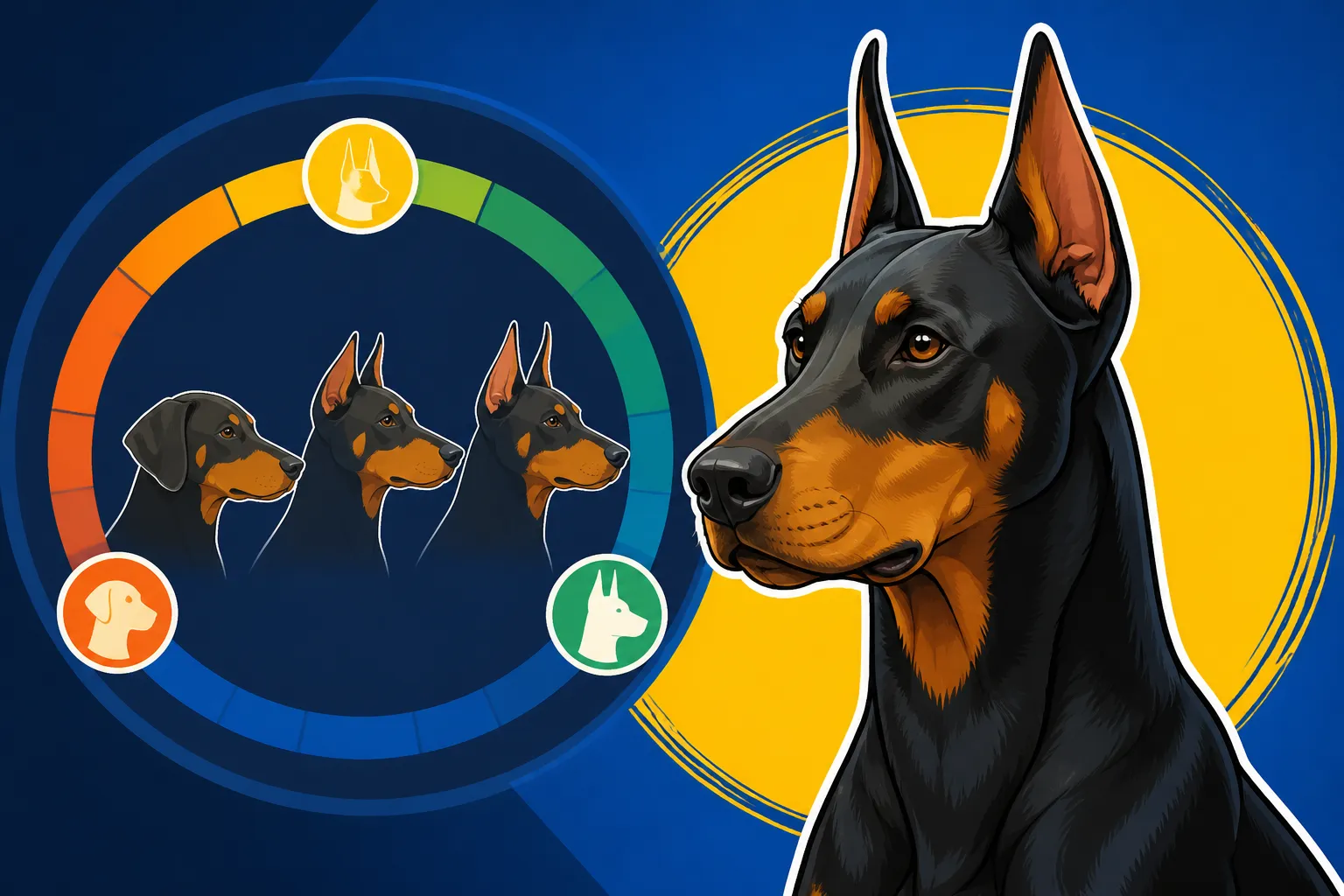
The generally accepted and most successful timeframe for Doberman ear cropping falls between 7 to 9 weeks of age, often extending slightly to 10 or 12 weeks for larger, slower-maturing puppies. Within this period, the ear cartilage is developed enough to hold a shape once cropped, yet still pliable enough to be effectively trained to stand erect through the posting process. It's a sweet spot where the ears are large enough for the vet to work with, but the puppy is still young enough to recover quickly and adapt to the aftercare with less stress. At this age, puppies are generally resilient, their immune systems are gaining strength, and they're usually small enough that handling them for posting is manageable for owners.
Many reputable veterinarians who specialize in ear cropping will even prefer to see puppies closer to the 8-week mark. This allows for a bit more growth and development, giving them a slightly larger canvas to work with and a bit more cartilage firmness. However, pushing much past 12 weeks often starts to introduce more challenges. It's a time-sensitive procedure, and if you're committed to having your Doberman's ears cropped, you'll need to plan well in advance to ensure you can secure an appointment with an experienced vet during this critical period. Don't underestimate the demand for skilled cropping vets, as they are a specialty within veterinary medicine, and their schedules can fill up quickly.
| Age Range (Weeks) | Cartilage State | Recovery & Posting Considerations | Potential Outcome |
|---|---|---|---|
| 5-6 Weeks | Too soft, underdeveloped, very small | Higher anesthesia risk, delicate handling, difficult to shape | Poor shape retention, weak set, ears may not stand well |
| 7-9 Weeks | Ideal balance: developed but still pliable | Good recovery, easier to adapt to posting, manageable puppy size | Best chance for strong, upright, symmetrical ears |
| 10-12 Weeks | Still workable, but becoming firmer | Recovery still good, posting may require more persistence | Good outcome possible, but slightly more challenging |
| 13+ Weeks | Increasingly rigid, less pliable | More challenging recovery, significantly harder posting, more discomfort | High risk of ears not standing, requiring longer/more intensive posting |
Beyond the Ideal: The Risks of Cropping Too Early or Too Late
While the 7-9 week window is ideal, life doesn't always go according to plan. Sometimes, new owners get their puppies later, or perhaps they weren't fully aware of the tight timeline involved. It's important to understand why cropping outside this recommended window can lead to significant complications, both for the puppy's health and the desired aesthetic outcome. This isn't just about minor inconveniences; it can mean a lifetime of challenges.
Cropping Too Early (Before 7 Weeks)
Attempting to crop a Doberman puppy's ears before the 7-week mark comes with a unique set of risks. Young puppies, often still just barely weaned, are incredibly delicate. Their immune systems are not fully robust, making them more susceptible to infections post-surgery. More critically, they are very small, and administering anesthesia to such tiny beings carries a higher risk of complications. Puppies at this age have less body fat and can become hypothermic quickly, and their organs are still maturing, making them less efficient at metabolizing anesthetic drugs. A skilled vet will always prioritize the puppy's safety, and for many, the risks associated with early anesthesia simply outweigh any potential benefit.
Furthermore, as mentioned earlier, the ear cartilage is simply too soft and underdeveloped at this very young age. Even if the surgery goes smoothly, the chances of achieving a successful, strong stand with a clean, classic Doberman line are significantly reduced. The ear tissue might be too thin and delicate to hold the sutures well, and the amount of growth and change the ears will still undergo means the initial shape might distort as the puppy matures. You could end up with a poor crop that never stands correctly, no matter how many weeks you dedicate to posting. This is why most reputable vets will refuse to crop a Doberman puppy that is too young.
Cropping Too Late (After 12-14 Weeks)
The risks associated with cropping too late are perhaps the most common frustration for new Doberman owners who missed the optimal window. By the time a Doberman puppy reaches 12-14 weeks of age, their ear cartilage has begun to firm up considerably. This transition makes shaping the ears much more challenging for the veterinarian during surgery. Imagine trying to bend a piece of stiff plastic compared to a softer, more pliable material – the resistance is much greater. This can lead to a less aesthetically pleasing result, with ears that are more difficult to mold into a consistent, erect form. You might see ears that lean, twist, or simply refuse to stand despite diligent aftercare.
The healing and posting process also becomes significantly more arduous for an older puppy and their owner. Older puppies are more aware of the discomfort and novelty of having their ears taped and braced for weeks or even months. They might be more prone to shaking their heads, rubbing their ears, or trying to remove the posts, which can delay healing, cause irritation, or even necessitate re-taping frequently. Their stronger jaws and more independent nature can make handling them for posting a real wrestling match, potentially leading to stress for both the dog and the owner. The longer the delay past the ideal window, the longer and more intensive the posting process will need to be, and even then, success is not guaranteed. Many vets draw a firm line around 14-16 weeks, stating that cropping after this point is often futile and unnecessarily stressful for the dog. Whether a Doberman Crop Can Fail and Cost More is a real concern when delaying the procedure.
The Path Forward: Choosing a Vet and Ensuring Proper Aftercare
Once you've wrapped your head around the critical timing, the next steps involve finding the right professional and understanding the commitment to aftercare. These two elements are just as crucial as the timing itself for a successful outcome. It’s not a "set it and forget it" procedure; it requires dedication.
Selecting a Qualified and Experienced Veterinarian
Choosing a veterinarian for ear cropping is perhaps the most important decision you'll make, even more so than the exact week your puppy goes in, assuming it's within the accepted window. Ear cropping is an art form as much as it is a surgical procedure. Not all veterinarians perform ear crops, and fewer still are truly skilled in the Doberman breed's specific requirements. You need someone with a strong artistic eye who understands the breed standard for ear length, shape, and set. This isn't a procedure you want a general practice vet doing if they don't have extensive experience. You can read more about finding specialists in Vets Who Will and Will Not Crop a Doberman.
Begin your search early, ideally before you even bring your puppy home. Ask your Doberman breeder for recommendations, as they often have established relationships with vets who specialize in cropping within your region. Seek out references from other Doberman owners in your local community or breed clubs. When you interview potential veterinarians, don't be shy about asking to see photos of their previous work on Dobermans. Ask about their experience, their preferred techniques, their anesthesia protocols for puppies, and what their aftercare instructions entail. A good cropping vet will be happy to discuss these details with you, making you feel confident and informed. They should also provide a clear breakdown of The Average Price of a Doberman Ear Crop and any follow-up visits.
Committing to the Aftercare Process
The surgical procedure itself is only half the battle. The success of a Doberman ear crop hinges almost entirely on meticulous and consistent aftercare, primarily the "posting" process. This involves taping the ears to supportive rods or backer rods to train the cartilage to stand upright. This process is lengthy, often lasting anywhere from 4 to 8 months, and sometimes even longer, depending on the puppy's individual ears and how well they respond. This is where your commitment as an owner truly shines.
You'll need a steady supply of specific materials – medical tape, cotton, cleaning solutions, and sometimes specialized ear wraps – many of which you can find readily available on pet supply sites like Chewy. The initial healing phase right after surgery requires diligent wound care, keeping the incision sites clean and dry to prevent infection. Your vet will give you detailed instructions, and you might have several follow-up appointments for initial bandage changes and checks. As the ears heal, you'll transition into the posting phase, which means changing the posts regularly (every few days to a week) to allow the ears to breathe, be cleaned, and prevent skin irritation. This can be a challenging process, especially with a squirmy, growing Doberman puppy, and it requires patience and consistency. Resources like Posting a Doberman's Ears Yourself to Save Money can offer tips, but ensure you follow your vet's specific guidance.
It's a huge time commitment, and during this period, you'll need to protect your puppy's ears from rough play, extreme weather, and anything that could dislodge the posts or injure the delicate healing tissue. Many owners find comfortable recovery collars or soft harnesses helpful for this initial period, which are also easily found on Chewy. The goal is to ensure that when the posting process is finally complete, your Doberman's ears stand proudly, symmetrically, and permanently, reflecting the care and dedication you've invested. Without proper aftercare, even the best crop can fail to stand. Expect to revisit your vet for What a Doberman Cropping Aftercare Visit Costs regularly to ensure things are progressing well.
Life with Cropped Ears: What to Expect Long-Term
Bringing your Doberman through the cropping process is a significant undertaking, but it's important to also consider what life is like with cropped ears once the posting is done and the ears are standing perfectly. This includes not just the aesthetic aspects but also the ongoing care and how it shapes public perception.
One of the most immediate changes, once the ears are fully healed and standing, is the unmistakable Doberman silhouette. This striking appearance is often a key reason owners opt for cropping, embodying the breed's regal and alert nature. For many, it completes the look they envision for their Doberman, aligning with the traditional breed standard as described in The Doberman the AKC Standard Describes. While the controversy around cropping continues, for those who choose it, the outcome is often a source of pride in their dog's appearance.
Long-term care for cropped ears is generally minimal once they are fully standing. Unlike natural, pendulous ears which can be prone to infections if not regularly cleaned, cropped ears allow for better air circulation, often reducing the risk of ear infections. However, this doesn't mean you can neglect them entirely. You should still perform routine checks for cleanliness and any signs of irritation, particularly if your Doberman is prone to allergies or spends a lot of time outdoors in dusty or wet environments. Keep an eye out for any unusual redness, discharge, or foul odor. For routine cleaning, gentle ear wipes or solutions available at your local pet store or from Chewy can be beneficial. It's a simple part of their grooming routine that complements Doberman Grooming on a Coat With No Undercoat.
Public perception can be a factor, too. While the cropped Doberman is iconic, some individuals may hold strong opinions against the practice, especially in areas where ear cropping is less common or even restricted. You might encounter questions or comments from strangers. Having a well-socialized and well-trained Doberman is key, as their behavior speaks volumes and can help to mitigate any negative stereotypes. Ultimately, the decision to crop is a personal one for each owner, made with the understanding of the commitment required in the critical initial weeks and months. The focus should always be on the dog's health, comfort, and the ability to provide diligent aftercare for a successful outcome.
Disclaimer
This article is for general informational purposes only and does not constitute professional advice. Laws, prices and regulations vary by location and change over time. Consult a qualified professional for guidance on your specific situation.