Annual Echo and Holter Screening for a Doberman
It's a heartbreaking reality for any Doberman owner: the ever-present shadow of heart disease. You watch your vibrant, athletic companion, seemingly full of life, yet in the back of your mind, you know that dilated cardiomyopathy (DCM) lurks, often silently, until it's too late. The frustration of feeling helpless, of not knowing what's truly going on inside their powerful chest, is immense. This guide will walk you through the crucial steps of annual echocardiogram and Holter monitoring – the gold standard for catching Doberman heart disease early – helping you understand why these screenings are so vital and what to expect.
Why Dobermans Need Dedicated Cardiac Screening
Owning a Doberman is an incredible experience, but it comes with the heavy responsibility of understanding their breed-specific health challenges. Dilated cardiomyopathy, or DCM, is tragically common in Dobermans, making it the leading cause of death in the breed. This isn't just a slight increased risk; it's a genetic predisposition that affects a significant portion of the Doberman population. Many owners find themselves grappling with the question of How Many Dobermans Develop DCM, and the statistics can be sobering.
The truly insidious nature of Doberman DCM is its progression. For a long time, often years, a Doberman can be in what's called the "occult" or "preclinical" phase. During this time, their heart is silently undergoing changes – it might be enlarging, or developing electrical abnormalities – but your dog shows no outward signs of illness. They're still playing, eating, and acting perfectly normal. This lack of visible symptoms is why relying solely on your dog's appearance is a dangerous gamble, and why proactive screening is absolutely non-negotiable for Doberman guardians.
This silent progression means that by the time you notice your Doberman coughing, becoming lethargic, or, terrifyingly, fainting on a walk, the disease is often advanced. At this stage, management becomes much more challenging, and the prognosis less favorable. Regular, proactive screening gives you the best chance to intervene early, potentially extending their quality of life significantly. It allows your veterinarian, or ideally, a board-certified veterinary cardiologist, to see beyond what the eye can, literally looking into the heart of the matter.
Understanding the Echocardiogram for Dobermans
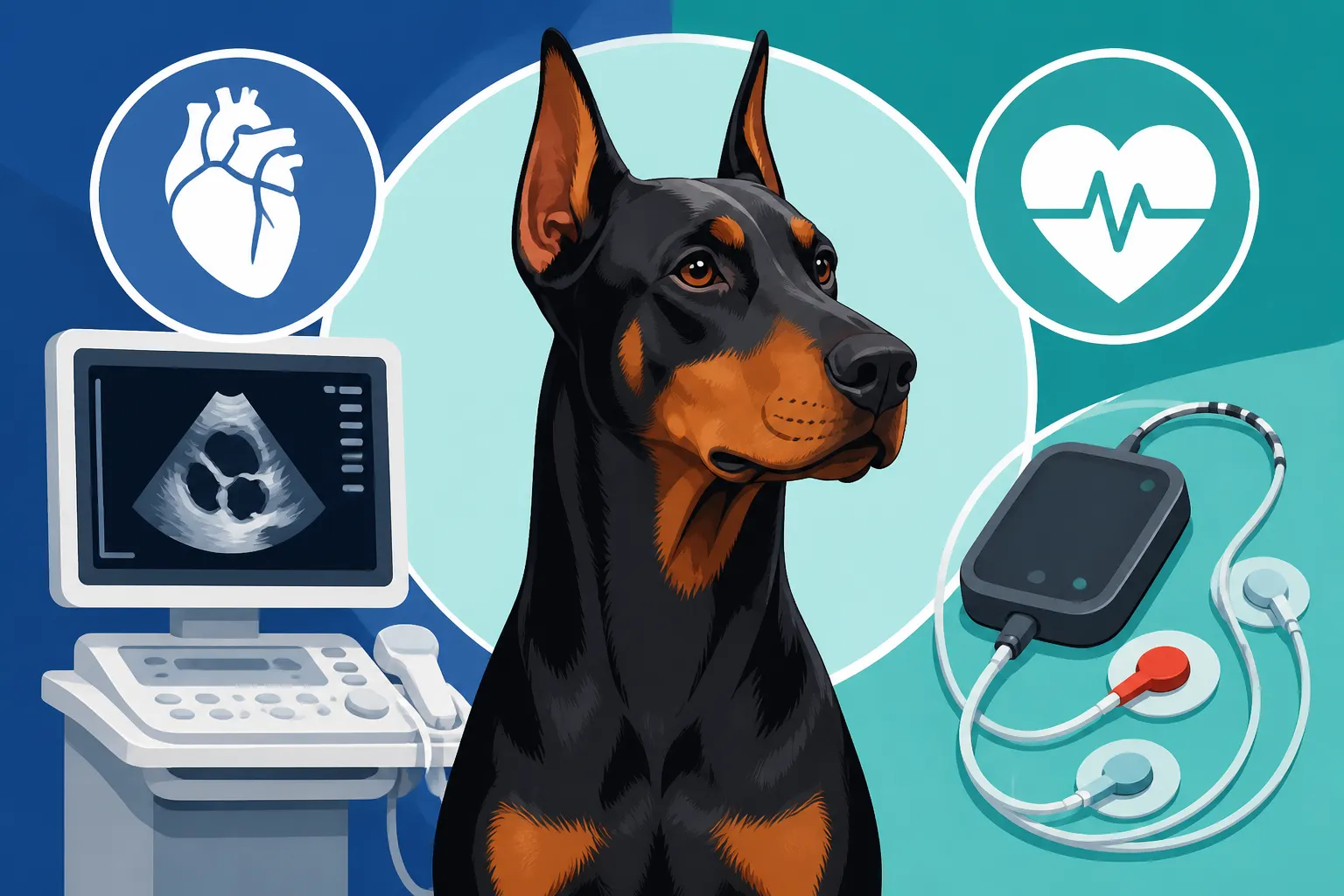
The echocardiogram, often simply called an "echo," is a non-invasive ultrasound of your Doberman's heart. Think of it as a detailed video camera providing real-time images of the heart's structure and how it's actually working. For Doberman owners, this test is paramount because it offers a direct look at the heart muscle itself, which is where DCM primarily manifests. Without an echo, you're essentially flying blind when it comes to assessing the physical condition of your Doberman’s most vital organ.
A common frustration many Doberman owners express is the cost and the perceived hassle of these annual visits, especially when their dog seems perfectly healthy. However, an echo can detect subtle changes in heart chamber size, wall thickness, and contractility – the heart's ability to pump blood effectively – long before any clinical signs emerge. It’s this early detection of How a Doberman Heart Enlarges Before Symptoms that makes the echo so invaluable.
What an Echo Measures and How It's Performed
During an echocardiogram, your Doberman will typically lie on a padded table with a small area on their chest shaved or a patch of alcohol applied to allow for better probe contact. Most Dobermans tolerate this procedure well, often with just gentle restraint from a technician and their owner by their side. Sedation is rarely needed unless the dog is particularly anxious. A specialized ultrasound probe is then moved across the chest, emitting sound waves that bounce off the heart structures and return to create an image on a monitor.
The cardiologist or trained veterinary technician will measure various aspects of the heart, including the size of the ventricles and atria, the thickness of the heart muscle walls, and the efficiency of the valves. They’ll also assess the heart's pumping function, often calculating ejection fraction and fractional shortening – key indicators of how well the heart is squeezing blood out to the body. These measurements are then compared against normal values for Dobermans, allowing the cardiologist to identify any deviations that might suggest the early stages of DCM. The process is entirely painless and usually takes about 20-45 minutes.
Interpreting Echo Results: What to Look For
When you get your Doberman's echo results, the cardiologist will explain their findings. They’ll be looking for changes that indicate the heart muscle is weakening or stretching. Specifically, they'll focus on the left ventricle – the main pumping chamber – to see if it's dilating (enlarging) and if its contractility is reduced. Early DCM might show only very subtle changes, such as mild left ventricular enlargement or slightly decreased contractility, often before significant arrhythmias appear.
A "normal" echo is fantastic news, but it doesn't mean you're in the clear forever. DCM is progressive, and a normal result this year might not be normal next year. This is why consistent annual screening is so critical. If abnormalities are found, even minor ones, your cardiologist will discuss the implications and potentially recommend starting medication or more frequent monitoring. Catching these changes early can lead to interventions, like starting specific cardiac medications, that can slow the disease progression and improve your Doberman's quality of life.
The Importance of Holter Monitoring for Dobermans
While the echocardiogram provides a snapshot of your Doberman's heart structure and function, the Holter monitor gives a continuous, 24-hour recording of its electrical activity. This is incredibly important for Dobermans because DCM often first manifests as electrical disturbances, known as arrhythmias, even before significant structural changes are visible on an echo. You see, the heart isn't just a pump; it's an electrical system, and DCM can mess with that wiring.
Many owners are surprised to learn that their Doberman, who seems perfectly healthy, might be experiencing hundreds or even thousands of abnormal heartbeats a day. These ventricular premature contractions (VPCs) are silent and undetectable without a Holter monitor. The frustration of knowing this disease can be a ticking time bomb, completely hidden from plain sight, is a powerful motivator for consistent Holter screening. This is where Reading a Doberman's Holter Result becomes a critical piece of the puzzle.
How a Holter Monitor Works and What It Detects
A Holter monitor is a small, portable ECG device that your Doberman wears for 24 hours. Electrodes are attached to your dog's skin, usually across the chest, and held in place by a specialized vest or bandage. The process of applying it is straightforward: a small area of fur is shaved in a few spots to ensure good contact, the electrodes are adhered, and the monitor is secured. Your Doberman then goes home and lives their normal life – playing, eating, sleeping – while the device continuously records every single heartbeat.
The beauty of the Holter monitor is that it captures the heart's activity during all states: rest, exercise, excitement, and sleep. This comprehensive recording is vital because some arrhythmias are intermittent and might only occur during specific activities or at certain times of day. What the Holter is primarily looking for are VPCs – abnormal beats originating from the ventricles. A high number of VPCs (often defined as more than 50-100 in 24 hours, depending on the cardiologist) is a strong indicator of occult DCM and often precedes any noticeable changes on an echo.
Analyzing Holter Data and Actionable Steps
After the 24-hour monitoring period, you'll return the device to your vet or cardiologist. The recorded data is then downloaded and analyzed by specialized software. A veterinary cardiologist will meticulously review the entire 24-hour tracing, identifying and counting any abnormal heartbeats. They'll look at the total number of VPCs, their patterns (single, pairs, runs), and whether they are increasing over time.
A key aspect of Holter interpretation is knowing that even a few VPCs can be normal in an otherwise healthy dog. The concern arises when the numbers are consistently high or when complex arrhythmias (like ventricular tachycardia) are detected. If significant arrhythmias are found, your cardiologist might recommend starting antiarrhythmic medication, even if your Doberman is still asymptomatic. This proactive approach can significantly improve outcomes, as discussed in detail in guides like Medication for a Doberman in the Occult Phase. This is also where pet insurance providers like Healthy Paws can be invaluable, as they often cover the costs of these critical diagnostic tests and subsequent medications, easing the financial burden of managing a Doberman’s health.
When to Start Screening and How Often
One of the most common questions Doberman owners ask, often with a mix of anxiety and determination, is "When do I start this screening process?" The answer from veterinary cardiologists is almost universally: early and consistently. DCM can strike at various ages, but the occult phase often begins in young to middle-aged Dobermans. Missing the critical window for early detection means you lose precious time for intervention. Many Doberman owners wonder about The Age Doberman Heart Disease Usually Starts, and it's often earlier than they think.
The general recommendation for Dobermans is to begin annual cardiac screening with both an echocardiogram and a 24-hour Holter monitor by 2-3 years of age. Some breeders and cardiologists even advocate for starting a little earlier, especially if there's a strong history of early-onset DCM in the dog's family line. Once initiated, this comprehensive screening should continue annually for the rest of your Doberman's life. This regular schedule helps create a baseline and allows for the detection of subtle changes over time, giving you the best chance to prolong your beloved companion's life.
Establishing a Baseline and Tracking Progression
Starting screening at a young age, ideally by two or three, allows your cardiologist to establish a baseline of your Doberman's normal cardiac health. This initial "normal" reading is crucial because it provides a point of comparison for all future screenings. If, in a few years, a subtle change in heart chamber size or an increase in VPCs is detected, the cardiologist can immediately identify it as a deviation from your dog's individual baseline. Without that initial baseline, discerning what's "normal" for your Doberman versus an early sign of disease becomes much harder.
Tracking progression is equally important. Even if your Doberman receives a diagnosis of occult DCM, regular annual (or sometimes semi-annual, depending on the findings) screenings allow the cardiologist to monitor the disease's advancement. This monitoring helps in making informed decisions about medication adjustments, diet, and exercise protocols. It allows for a proactive approach to managing the condition, rather than a reactive one once your Doberman is already symptomatic. Pet health plans from companies like Healthy Paws are particularly helpful for managing these ongoing costs, ensuring continuous care is accessible.
The Role of a Board-Certified Cardiologist
While your primary care veterinarian is an invaluable partner in your Doberman's health, when it comes to cardiac screening for a breed so prone to DCM, consulting a board-certified veterinary cardiologist is highly recommended. These specialists have advanced training and equipment dedicated to diagnosing and managing heart disease. They are intimately familiar with the nuances of Doberman DCM, often seeing dozens of Dobermans a week.
A general practitioner might be able to perform a basic echo, but a cardiologist offers a deeper level of expertise in interpretation, especially for subtle, early changes. They understand Why European and American Doberman Rates Differ and the genetic predispositions that factor into a diagnosis. Their experience with the specific parameters and subtle markers for DCM in Dobermans is unparalleled. Establishing a relationship with a cardiologist early on provides consistent, expert care throughout your Doberman's life, from proactive screening to managing advanced disease. This specialized care is an investment, but one that can significantly impact the length and quality of your Doberman's life, and a good insurance policy can help with these specialist fees.
The Cost and Practicalities of Doberman Heart Screening
Let's be real: owning a Doberman, especially one committed to responsible health screening, is an investment. The costs associated with annual echocardiograms and Holter monitors can feel substantial, and it's a frustration shared by many owners. However, viewing these as essential preventative care, rather than optional luxuries, helps put the expense into perspective. These screenings are not just diagnostic tools; they are powerful weapons in the fight against DCM.
The cost for an echocardiogram can range from $300 to $600 or more, depending on your location and whether it's performed by your general vet or a board-certified cardiologist. Holter monitoring typically costs between $200 and $400, which usually includes the device rental and the cardiologist's interpretation of the data. When you consider that these are annual expenses, it adds up, but it's crucial to factor these into your budget from the moment you decide to bring a Doberman into your home. This is where pet insurance can be a literal lifesaver, helping to offset the significant costs of these routine, yet essential, diagnostic procedures.
Budgeting for Annual Screenings
To avoid financial surprises, it's wise to set aside funds specifically for your Doberman's annual cardiac screenings. Many owners create a separate savings account or factor this into their monthly pet care budget. Think of it like a car maintenance fund – you know regular oil changes and check-ups are necessary to keep your vehicle running, and your Doberman's heart is far more important.
When researching pet insurance, pay close attention to what is covered under "wellness" or "preventative care" riders, as some policies might offer partial reimbursement for these screenings. While many standard plans from companies like Healthy Paws focus on unexpected illnesses and accidents, a comprehensive plan or an add-on could help reduce the out-of-pocket costs for these vital annual checks. Always read the fine print and clarify with the insurer what is covered regarding breed-specific health screenings.
Logistics and Your Doberman's Comfort
Arranging these annual appointments requires a bit of planning. You’ll need to coordinate with a cardiologist's office, which might involve a drive, as specialized clinics aren't in every town. Scheduling ahead is always a good idea. For the Holter monitor, remember your Doberman will wear a vest for 24 hours. While most dogs adapt quickly, some might find it a bit odd at first. Ensure they can move freely, eat, drink, and relieve themselves comfortably.
During the Holter period, it's helpful to keep a detailed log of your Doberman's activities, noting times of exercise, rest, excitement, and any unusual behaviors. This diary helps the cardiologist correlate heart rhythms with specific events, providing a more complete picture. The ultimate goal is to make these screenings as stress-free as possible for your Doberman, reinforcing that these visits are positive experiences, ensuring they remain cooperative for years to come.
Living With a Doberman's Heart Health Journey
Embracing the reality of Doberman heart health, and committing to annual echo and Holter screenings, is an act of deep love and responsibility. It's not easy facing the statistics, nor is it cheap or always convenient to get these tests done. But the alternative – being caught off guard when your Doberman suddenly collapses – is a far more devastating prospect. Understanding The Doberman Years When Everything Shows Up helps contextualize why this consistent vigilance is so necessary.
Finding a good support network of other Doberman owners or breed-specific forums can also be incredibly helpful. Sharing experiences, asking questions, and even just commiserating about the unique challenges of Doberman ownership can lighten the emotional load. Remember, you're not alone in this journey. Thousands of Doberman owners are navigating the same concerns, doing everything they can to give their beloved companions the longest, happiest lives possible.
The Peace of Mind in Proactive Care
While a "clear" screening result brings immense relief, it's important to understand that it’s peace of mind for that year. DCM is progressive, and the disease can develop at any time. This isn't meant to cause constant anxiety, but rather to reinforce the need for continued vigilance. Think of each clear test as a victory, a testament to your proactive care, and a confirmation that you are doing everything right to catch any changes as early as possible.
If a screening does reveal occult DCM, it’s not a death sentence, especially with early detection. The advent of modern cardiac medications means that proactive treatment, started before symptoms appear, can significantly delay the onset of clinical signs and improve survival times. Discussions around Pimobendan Before a Doberman Shows Signs highlight how far veterinary cardiology has come in offering effective interventions. Knowing you've done everything to provide the best possible care, from regular screenings to appropriate treatment, is truly the greatest comfort an owner can have.
The Long-Term Commitment
Bringing a Doberman into your life means committing to their well-being for their entire lifespan, which means acknowledging their predispositions. While Dobermans are known for their athleticism and vigor, their health journey often requires more specialized attention than many other breeds. The consistent effort of scheduling screenings, budgeting for the costs, and educating yourself on their unique needs is part of being a responsible Doberman owner.
Ultimately, these annual echo and Holter screenings aren't just about catching disease; they are about fostering a deeper bond with your Doberman, built on trust and diligent care. They are about advocating for their health in a way that truly matters, giving them the best chance at a full, vibrant life. And isn't that what we all want for our incredible Dobermans?
Disclaimer
The information provided in this guide is for informational purposes only and does not constitute veterinary medical advice. Always consult with a qualified and licensed veterinary professional for any medical concerns or before making any decisions about your Doberman's health care.