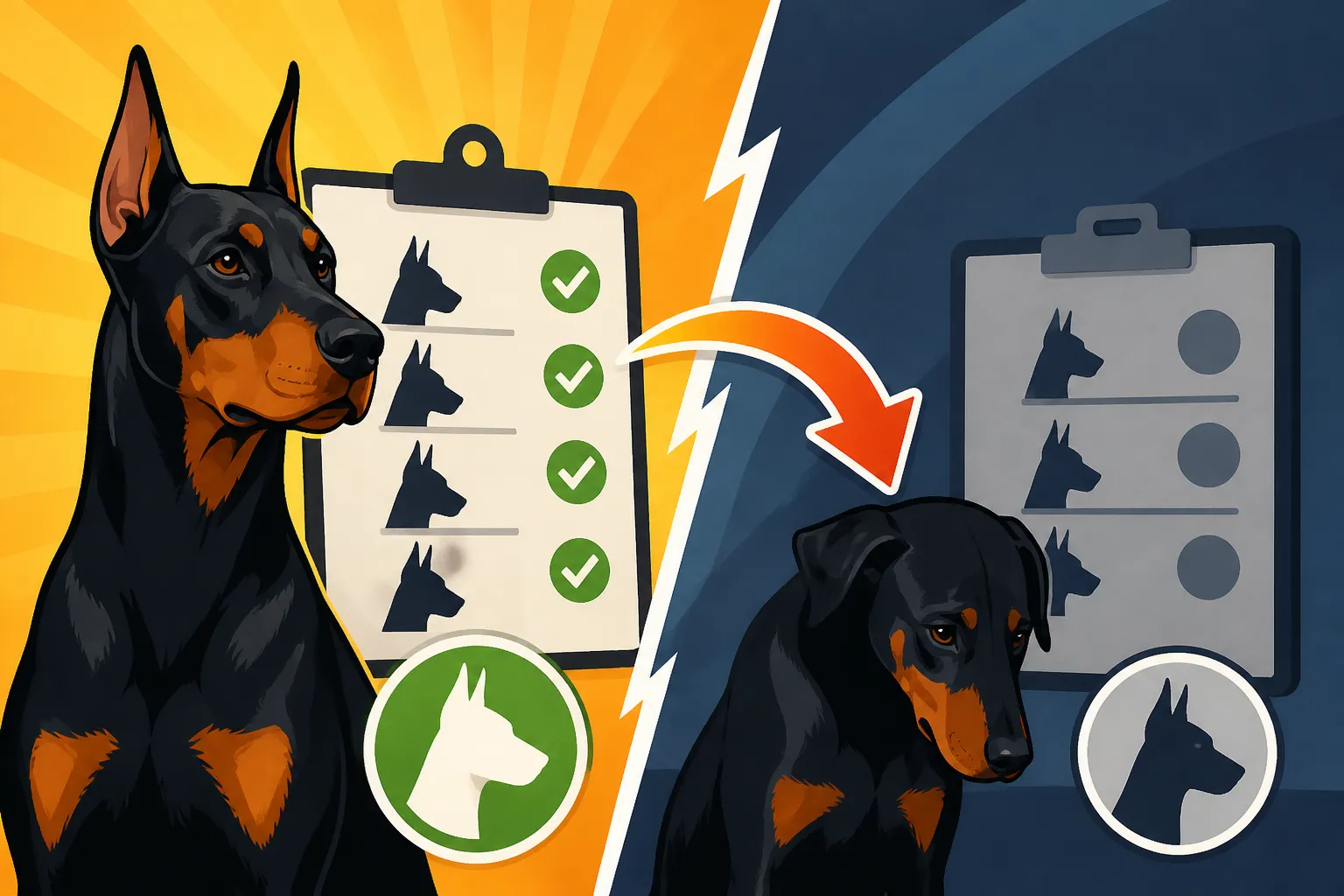
Whether Fewer Dobermans Are Registered Now
It’s a valid question many Doberman enthusiasts and prospective owners find themselves asking: are there fewer Dobermans being registered these days? The idea of a beloved breed potentially losing ground can be disheartening, especially for those of us who have lived with and loved these magnificent dogs. This guide will delve into the complexities behind breed registration numbers, exploring the various factors that might influence Doberman popularity and shed light on what these trends could mean for the breed we cherish.
Understanding Breed Popularity and Registration
When we talk about breed registration, we’re usually referring to official records kept by kennel clubs, like the American Kennel Club (AKC) in the United States, or their international counterparts. These numbers offer a snapshot of how many purebred puppies are officially registered within a given year, giving us a general idea of a breed's popularity. However, it’s important to understand that these numbers don't tell the whole story, and a decline in registrations doesn't necessarily mean a decline in the quality or presence of the breed in loving homes.
What Registration Numbers Really Represent
Registration numbers from kennel clubs primarily track purebred puppies born to registered parents. They reflect breeding activity within the purebred dog community that chooses to register their litters. For a breeder aiming to preserve the integrity of the breed standard and potentially participate in conformation or performance events, registration is a crucial step. It allows for pedigree tracking, ensuring lines can be traced, and often signifies adherence to certain health testing and ethical breeding practices, although the degree of oversight can vary.
However, these numbers don't capture every Doberman. They don't include dogs bred by individuals who don't register their litters, or, importantly, the many wonderful Dobermans who find their way into homes through breed-specific rescues. So, while they are a strong indicator of formal breeding trends, they aren't a definitive count of every Doberman puppy born or every Doberman living in a family home. The landscape of dog ownership is broader than just official registrations.
Historical Shifts in Doberman Popularity
The Doberman Pinscher has had a fascinating journey through the annals of canine popularity. Once a highly sought-after breed, known for its regal appearance and protective instincts, it climbed to significant heights in registration rankings, particularly during the mid to late 20th century. Images of Dobermans guarding estates or serving alongside military personnel cemented their formidable reputation. At one point, it wasn't uncommon to see Dobermans frequently placing among the top ten most registered breeds.
However, like many breeds that experience a surge in popularity, the Doberman also faced challenges. Overbreeding by unscrupulous individuals looking to capitalize on demand, coupled with a lack of understanding of the breed's temperament and needs, led to issues. Misinformation and sensationalized media portrayals often painted them as inherently aggressive, contributing to a shifting public perception. You can learn more about How Doberman Registrations Have Changed over time.
Factors Influencing Doberman Registration Trends
Several interconnected factors play a role in whether fewer Dobermans are being registered. These aren't isolated issues but rather a complex web that affects both breeders and prospective owners, ultimately influencing the overall landscape of Doberman ownership.
Public Perception and Breed Image
Let's be honest, the Doberman has a reputation. For those of us who know and love them, they are loyal, intelligent, and deeply affectionate dogs. But for many, the image of a Doberman is still tied to their origin as a formidable guard dog—a powerful, imposing presence. While this guarding instinct is a core part of what makes them special, it has also, unfortunately, contributed to misconceptions. Tales of Dobermans being "sharp" or "aggressive" have persisted, sometimes leading people to overlook their true nature. The truth is, a well-bred and properly socialized Doberman is far from the stereotype, but changing public perception takes time and effort. This reputation can deter first-time dog owners or those living in communities with existing breed biases. Many communities and even housing complexes still have restrictions on Dobermans, adding another hurdle for potential owners. You might be interested in exploring Why Dobermans Have a Frightening Reputation in more detail.
Rising Costs of Ownership
Owning a Doberman is a significant financial commitment, and these costs have only continued to climb. From the initial purchase price of a well-bred puppy from a reputable breeder—who invests heavily in health testing and proper care—to the ongoing expenses, the numbers can be daunting. Dobermans are large, active dogs, so they need quality food, often in substantial quantities. Their health needs are also a significant consideration. The breed is prone to certain health conditions, notably Dilated Cardiomyopathy (DCM), which can lead to expensive annual heart screenings like echocardiograms and Holter monitoring, and potentially lifelong medication.
Consider the cost of a good diet, vet visits, preventatives, and then adding in potential health issues. What a Doberman Costs Month to Month can quickly add up. For example, a quality large-breed kibble might be found at retailers like Chewy, but even with good deals, it's a regular expense. When you start thinking about the potential for specialized veterinary care, like cardiologist visits or medications like Pimobendan for heart conditions, the price tag can become prohibitive for many families. This isn't to mention training fees, appropriate large crates, durable toys (because these smart dogs will destroy lesser ones!), and potentially specialized gear for cold weather given their short coats.
Breed-Specific Health Concerns
This is a big one. Dobermans, sadly, are known to be predisposed to several serious health conditions that can significantly impact their lifespan and quality of life. DCM, mentioned above, is perhaps the most well-known and devastating. It's a progressive heart disease that often goes unnoticed until it's quite advanced, leading to heart failure or sudden death. The prevalence of this condition, even with careful breeding and genetic testing, weighs heavily on breeders and owners alike. You can learn more about Doberman Lifespan and Why It Is Short and The Heart Disease That Reaches Most Dobermans.
Beyond DCM, Dobermans can also be susceptible to Wobbler Syndrome (cervical vertebral instability), Von Willebrand's Disease (a bleeding disorder), hypothyroidism, and certain cancers. While responsible breeders work tirelessly to screen for these issues, the sheer number and severity of potential health problems can make potential owners hesitant, especially if they've experienced the heartbreak and financial strain of a sick Doberman before. These health concerns also make it challenging to find comprehensive pet insurance, as many companies may have exclusions or higher premiums for breeds with known predispositions, and pre-existing conditions often mean certain conditions won't be covered if not insured early.
Availability of Responsible Breeders
Finding a truly responsible Doberman breeder is like striking gold, but it can be a challenging and lengthy process. Ethical breeders pour their hearts, time, and significant financial resources into their breeding programs. They perform extensive health testing on parent dogs (including yearly cardiac screenings, genetic tests for DCM1 and DCM2, von Willebrand's, thyroid panels, and sometimes hip/elbow evaluations). They carefully select breeding pairs based on temperament, health, and conformation to the breed standard. They raise puppies in enriching environments, providing early socialization, and often have waiting lists for their puppies. They will also be transparent about The Health Testing a Doberman Breeder Must Show.
However, the dedication required for this level of responsible breeding means that these breeders produce fewer litters, and their puppies come with a higher price tag—which, as we discussed, can be a barrier for some. Unfortunately, this can inadvertently push some prospective buyers towards less reputable sources, like "backyard breeders" or puppy mills, who skip crucial health testing and socialization, often resulting in dogs with health or temperament issues. This cycle can further damage the breed's reputation and contribute to more Dobermans ending up in rescues when their owners are unprepared for the challenges.
The Role of Responsible Ownership and Breed Image
The commitment required to own a Doberman is substantial, and understanding this is key to ensuring the breed continues to thrive responsibly. It’s not just about finding a puppy; it’s about being ready for the journey.
The Commitment of Doberman Ownership
Dobermans are not for the faint of heart, or the casually committed. They are incredibly intelligent, active, and sensitive dogs who thrive on companionship and a clear leadership structure. They are often called "Velcro dogs" for a reason – they want to be with their people, all the time. This means they need owners who are prepared to integrate them fully into their lives, providing consistent training, ample exercise, and mental stimulation daily.
A Doberman needs more than just a backyard; they need purpose. They excel in activities like obedience, agility, tracking, and even protection sports, but these activities require a dedicated owner. For someone new to the breed, or even dog ownership in general, the intensity and demands of a Doberman can be overwhelming if not properly anticipated. Understanding The Owner a Doberman Actually Needs means acknowledging the time, energy, and financial resources that will be devoted to this magnificent animal for their entire life. Failing to meet these needs can lead to behavioral issues, which sadly contribute to Dobermans being surrendered to shelters.
The Impact of Breed Rescues
While official registration numbers might fluctuate, breed-specific rescues continue to do vital work, often seeing a steady flow of Dobermans needing new homes. These dogs might come from various situations: owners who underestimated the breed's needs, families facing financial hardship, or Dobermans from less-than-ideal breeding situations. Rescues provide a crucial safety net, rehabilitating dogs, addressing their health needs, and carefully vetting potential adopters to ensure a good match.
Many wonderful Dobermans find their forever homes through organizations dedicated to the breed. These rescues often provide comprehensive medical care, including spay/neuter, vaccinations, and sometimes even addressing existing health conditions like heart issues or Wobbler symptoms before adoption. They are an invaluable resource, and their continued presence highlights that while registration numbers might reflect breeding trends, the desire for Doberman companionship remains strong. Knowing Where a Surrendered Doberman Ends Up helps shed light on the dedication of these groups.
Here's a look at some of the contributing factors to changing Doberman registration trends:
| Factor | Impact on Registration | Owner Perspective |
|---|---|---|
| Public Perception | Can deter potential owners due to "aggressive" stereotype. | Many appreciate their protective nature, but negative stereotypes cause apprehension, breed restrictions, and difficulty finding housing/insurance. |
| Cost of Ownership | Higher upfront cost deters some; ongoing expenses are high. | Requires substantial budget for quality food, routine vet care, and potential specialized medical treatments for common breed health issues. |
| Health Concerns | High prevalence of serious conditions (e.g., DCM, Wobblers). | Owners face emotional and financial burden of managing chronic illnesses; preventative screenings add to cost and stress. |
| Responsible Breeding | Fewer litters from ethical breeders, higher puppy prices. | Harder to find a well-bred, healthy puppy; requires extensive research and patience; pushes some towards less reputable sources. |
| Lifestyle Demands | Requires active, dedicated owners, not suitable for all. | High energy and intelligence demand significant time for training, exercise, and mental stimulation; "Velcro dog" nature means constant companionship. |
| Availability of Rescues | Offers an alternative to purchasing, impacting new registrations. | Provides a valuable option for adopting Dobermans in need, but also highlights instances of owners unprepared for the breed's demands. |
The Future of Doberman Popularity
So, does all this mean Dobermans are disappearing? Not at all. It means the breed is evolving, and the conversation around responsible ownership is becoming more prominent. While numbers might look different than they did decades ago, the core appeal of the Doberman endures.
Sustaining the Breed Through Education
The key to the Doberman's continued well-being lies in education. It's about ensuring that prospective owners truly understand what they're getting into before they bring a Doberman home. This means educating them about the breed's true temperament – loyal, intelligent, and often sensitive – not the aggressive caricature. It means being transparent about the potential health challenges and the importance of choosing a reputable breeder who prioritizes health testing. Information about The Doberman Years When Everything Shows Up helps set realistic expectations for owners.
Education also extends to how Dobermans fit into a family. While they are protective, with proper socialization from a young age, they can be wonderful companions for children and integrate well into active households. It’s also about understanding their exercise needs; an apartment Doberman can thrive, but only if they receive adequate physical and mental stimulation outside the home. This kind of upfront knowledge helps prevent impulse purchases and ensures Dobermans find homes where their needs are truly met, reducing the number of dogs that end up in rescues.
The Role of Breed Clubs and Advocates
Doberman Pinscher clubs, both nationally and regionally, play a crucial role in safeguarding the breed. They uphold the breed standard, promote ethical breeding practices, fund health research, and educate the public. These organizations are often at the forefront of genetic testing initiatives for conditions like DCM and Von Willebrand Disease, working towards a healthier future for the breed. They also organize events like conformation shows, obedience trials, and working dog competitions, showcasing the Doberman's versatility and intelligence.
Individual Doberman advocates, including experienced owners and trainers, also contribute significantly by sharing their knowledge and experiences. They help debunk myths, promote positive training methods, and mentor new owners. Their collective efforts are vital in shaping a more accurate and positive image of the Doberman, encouraging responsible ownership, and ensuring that those who choose to bring a Doberman into their lives are prepared for the unique joys and challenges this breed presents. They are often the ones advising on where to find the best quality products, whether it's specific food or durable toys, often pointing to well-stocked online options like Chewy for convenience and variety.
Balancing Popularity with Preservation
It’s often said that true breed preservation isn't about chasing high registration numbers, but about maintaining the health, temperament, and integrity of the breed. A dip in registrations might even be a silver lining if it means fewer Dobermans are being bred indiscriminately and ending up in unsuitable homes. The goal isn't necessarily to be the "most popular" breed again, but to ensure that every Doberman puppy born has the best chance at a long, healthy, and happy life in a committed home.
This means celebrating the Doberman for all its qualities – its intelligence, athleticism, loyalty, and affectionate nature – while also being realistic about its needs and potential challenges. By doing so, we attract the right owners who are truly prepared for the journey. It's about quality over quantity, ensuring that the Doberman continues to be a cherished companion for those who understand and appreciate them fully. The dedication to The Von Willebrand DNA Test for Dobermans, for example, showcases a commitment to health that outranks sheer numbers.
Ultimately, while official registration numbers may fluctuate, the Doberman's spirit and presence in loving homes remain strong, supported by a dedicated community committed to their welfare.
Disclaimer
This article is for general informational purposes only and does not constitute professional advice. Laws, prices and regulations vary by location and change over time. Consult a qualified professional for guidance on your specific situation.