Albino Dobermans and Their Health Problems
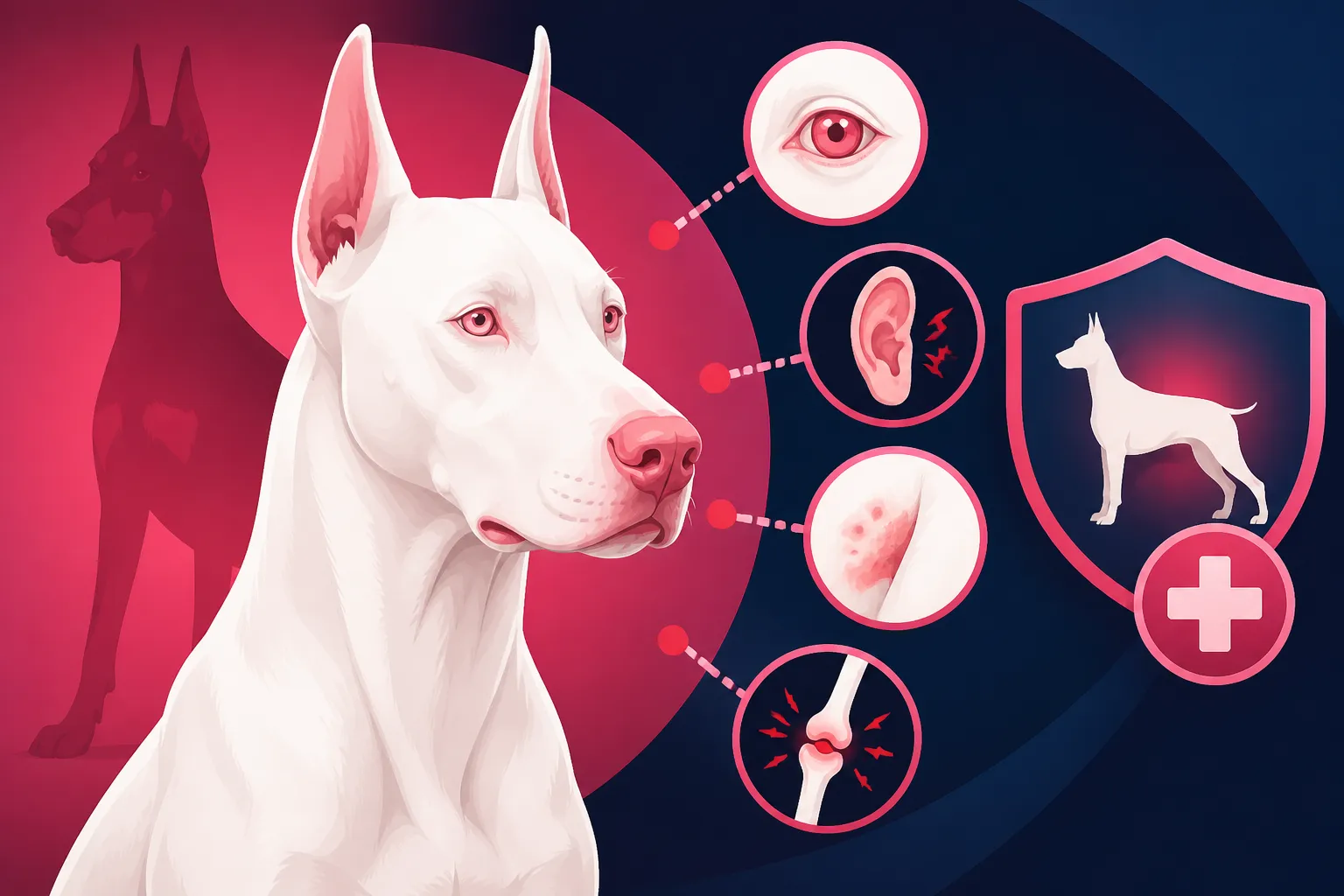
It's completely understandable to be captivated by the striking appearance of a white Doberman. They certainly stand out, and for many, the idea of owning such a unique dog is incredibly appealing. However, what often gets lost in the fascination is the stark reality that these dogs aren't just a "rare color"; they are, in fact, albino, and this genetic difference comes with a host of serious health and behavioral challenges. This guide is here to shed light on those often-overlooked health problems, helping you understand the true nature of albino Dobermans and the immense care they require.
Understanding the Genetics Behind Albino Dobermans
The term "albino" often conjures images of pure white creatures with red eyes, and while that's a classic presentation, albinism in Dobermans isn't always so clear-cut, which can lead to confusion and even exploitation. It's crucial to grasp the underlying genetics to truly understand the health implications.
The True Nature of the "White" Doberman
When you see a Doberman with a white coat, light eyes (often blue or green, sometimes amber), and pink skin around the nose, lips, and eyelids, you're not looking at a "white-colored" Doberman like you might see a white German Shepherd or Samoyed. Instead, you're observing a true albino. This condition is a direct result of a specific genetic mutation that affects the production of melanin, the pigment responsible for color in skin, hair, and eyes. In Dobermans, this is primarily linked to the tyrosinase (TYR) gene, which plays a critical role in melanin synthesis. A mutation in this gene means the dog cannot produce enough, or any, melanin.
This isn't just about superficial appearance; melanin offers vital protection. For instance, melanin in the eyes helps absorb excess light and provides sharper vision. Without it, the eyes are incredibly vulnerable. The genetic mutation is often referred to as the "Z factor," and you might see "Z-listed" in some older registration papers, though thankfully, the American Kennel Club now flags these dogs to discourage breeding. Reputable Doberman breeders go to great lengths to avoid this gene in their lines, understanding the ethical responsibility that comes with breeding healthy dogs.
Dispelling the "Rare" Doberman Myth
One of the most persistent and harmful myths surrounding albino Dobermans is that they are "rare" and therefore more valuable. This couldn't be further from the truth. The rarity is not a desirable trait but a symptom of a serious genetic flaw that responsible breeders actively work to eliminate. Unscrupulous breeders, however, exploit this misunderstanding, marketing these puppies at exorbitant prices by playing on their unique look and falsely labeling them as exotic or special. They often don't disclose the extensive health problems or lifelong care these dogs will need, leaving unsuspecting owners unprepared for the emotional and financial burden.
The reality is that albinism is a recessive trait. This means that both parent Dobermans must carry the gene, even if they appear normally pigmented themselves, for an albino puppy to be born. When two carriers are bred, there's a 25% chance of producing albino offspring. Reputable breeders would never knowingly breed two carriers, as their goal is to improve the breed's health, not introduce or perpetuate serious genetic conditions. If a breeder is openly selling "white Dobermans," it's a huge red flag that they are prioritizing profit over the well-being of their dogs and the future of the breed. For more information on why specific genetic markers are important, you might want to read about The Two Doberman DCM Gene Tests.
The Impact on Skin and Coat Health
The most visible and immediate health consequence of albinism in Dobermans is the profound impact on their skin and coat. Without melanin, their natural defenses against environmental damage are severely compromised.
Extreme Sun Sensitivity and Skin Cancer Risk
Imagine having skin that offers no natural protection against the sun – that's the daily reality for an albino Doberman. Melanin acts as a natural sunscreen, absorbing and dissipating harmful UV radiation. Lacking this pigment, their pale pink skin is incredibly delicate and vulnerable to even short periods of sun exposure. This extreme sensitivity means they can get severe sunburns in a matter of minutes, leading to painful blistering, peeling, and chronic irritation.
Beyond immediate sunburn, the long-term risk of developing skin cancers is dramatically elevated. Albino Dobermans are particularly prone to squamous cell carcinoma, a type of skin cancer often linked to sun exposure, as well as melanoma and other malignant tumors. These cancers can be aggressive and difficult to treat, often requiring extensive surgery, chemotherapy, or radiation. Owners must be vigilant, checking their dog's skin regularly for any unusual lumps, bumps, or discolorations. Providing adequate sun protection for a thin-coated Doberman is not just a recommendation; it's a life-saving measure.
Chronic Skin Conditions and Infections
The problems don't stop at sunburn and cancer. The lack of melanin also impacts the overall health and integrity of an albino Doberman's skin barrier. This means their skin is often inherently drier, more fragile, and less resilient than that of a normally pigmented dog. They are much more susceptible to a range of chronic skin conditions. You might notice constant flaking, redness, and itching, which can be incredibly uncomfortable for the dog.
This compromised skin barrier also makes them a prime target for opportunistic bacterial and fungal infections. Microorganisms that a normal Doberman's skin could easily fend off can take hold in the delicate skin of an albino, leading to recurring issues like pyoderma, yeast infections, and hot spots. Managing these conditions often involves specialized medicated shampoos, topical treatments, and sometimes long courses of oral antibiotics or antifungals. This can be an ongoing battle, requiring a dedicated veterinary dermatologist and a significant financial commitment, which is why pet insurance, like Healthy Paws, can be incredibly beneficial for covering these frequent and often expensive treatments.
Ocular Health: A Lifetime of Vision Challenges
The eyes of an albino Doberman are perhaps the most profoundly affected by the lack of melanin, leading to a host of debilitating vision problems that impact their quality of life.
Light Sensitivity and Photophobia
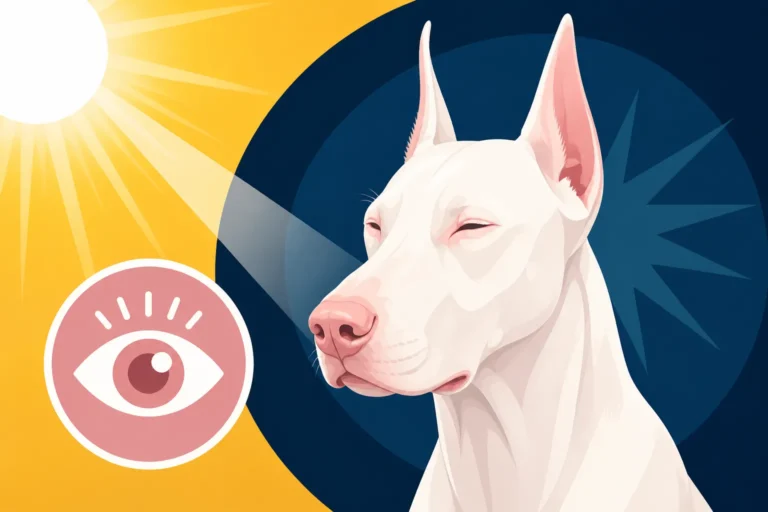
Without melanin in the iris, the colored part of the eye, or in the back of the retina, albino Dobermans lack the natural filtering system that typically protects the eyes from excessive light. This means bright light, whether from direct sunlight or even strong indoor lighting, can be incredibly painful and disorienting for them. This condition is known as photophobia, and it's a constant struggle for these dogs.
You'll often observe an albino Doberman squinting excessively, trying to avoid direct light, or seeking out shaded areas even indoors. They might shy away from going outside during the day or become anxious in brightly lit environments. This isn't just discomfort; it's an intense physical reaction to light that can cause headaches and extreme visual strain. Owners often resort to measures like providing dog-specific sunglasses (like Doggles) when outdoors, ensuring dimly lit indoor spaces, and even adjusting their daily routines to avoid peak sun hours. The article Light Sensitivity in an Albino Doberman delves deeper into this specific struggle.
Impaired Vision and Nystagmus
Beyond light sensitivity, the structural development of the eyes in albino Dobermans is often abnormal due to the absence of melanin. Melanin plays a crucial role in the proper formation and function of the retina and optic nerves. As a result, many albino Dobermans suffer from significantly impaired vision, ranging from poor eyesight to near-blindness. Their depth perception can be severely affected, making it difficult for them to navigate stairs, uneven terrain, or judge distances.
Another common ocular issue is nystagmus, an involuntary, rhythmic oscillation of the eyeballs. This constant movement further degrades their visual clarity and can make focusing on objects extremely challenging. Imagine trying to see the world through shaky binoculars all the time. This impacts everything from their ability to play fetch to safely interacting with their environment. Their world is often blurry and unstable, contributing to anxiety and making them more prone to accidents. Special consideration must be given to their training and exercise routines to accommodate their visual limitations, ensuring their safety and confidence.
Behavioral and Neurological Considerations
The chronic physical discomfort and sensory impairments faced by albino Dobermans often manifest as significant behavioral challenges, requiring immense patience and understanding from their owners.
Anxiety and Fear Due to Sensory Impairment
Imagine navigating a world where bright lights hurt your eyes, and your vision is constantly blurry or unstable. This is the reality for many albino Dobermans, and it's a recipe for chronic anxiety and fear. Their inability to process visual information reliably makes them easily startled, cautious, and sometimes even reactive. A sudden movement or sound might trigger a disproportionate fear response because they couldn't see it coming or accurately perceive its distance and intent. This can lead to increased stress, vocalization, and even defensive aggression if they feel cornered or threatened because they cannot properly assess their surroundings.
A consistent, predictable environment becomes paramount for these dogs. Sudden changes in furniture, new people entering the home unexpectedly, or unfamiliar outdoor settings can be incredibly unsettling. Owners need to be their dog's eyes and ears, guiding them safely and anticipating potential stressors. Creating a "safe haven" within the home, with soft bedding and familiar scents, can provide a much-needed retreat for an anxious albino Doberman.
Training Challenges and Socialization Needs
Training an albino Doberman requires a highly adapted approach. Traditional visual cues might be ineffective or confusing due to their poor eyesight and light sensitivity. Owners need to rely heavily on verbal cues, scent work, and tactile signals to communicate effectively. This means slower progress, more repetition, and a greater emphasis on positive reinforcement techniques that build confidence rather than create more stress. Even basic commands can take longer to solidify, and consistency is absolutely key.
Socialization, critical for any Doberman puppy, takes on an even greater importance and requires extra care for albinos. Exposing an albino Doberman puppy to new sights, sounds, people, and other animals must be done very gradually and in controlled, low-stress environments. Overwhelming them can lead to fear-based reactions that are difficult to undo. They might struggle to read the body language of other dogs or people, leading to misunderstandings. Early and ongoing, gentle socialization helps them learn to cope with new experiences and develop trust, but it's a much more intensive process than with a normally sighted dog. This is why it's so important for owners to understand The Sixteen Weeks That Set a Doberman Up.
Managing and Minimizing Health Risks
Living with an albino Doberman means committing to a lifetime of specialized care and proactive management to ensure their comfort and well-being. It's a significant undertaking, but a loving home can make all the difference.
Proactive Care and Veterinary Partnerships
Because of their unique genetic challenges, albino Dobermans require a team approach to veterinary care. Regular check-ups with a general veterinarian are just the beginning. It's highly recommended to establish relationships with veterinary specialists, including a board-certified veterinary dermatologist for ongoing skin issues and a veterinary ophthalmologist for their severe eye problems. These specialists can offer the most advanced diagnostics and treatment plans for conditions like chronic skin infections, early signs of skin cancer, or progressive eye disease.
Early detection is paramount, especially for skin cancers. Routine screenings, including full body skin checks, and potentially even biopsies of suspicious lesions, should become a regular part of their care regimen. For their eyes, yearly comprehensive eye exams can monitor vision changes, manage nystagmus, and address any secondary issues like corneal ulcers that might arise from light sensitivity. These specialist visits and treatments can be costly, highlighting the importance of having comprehensive pet insurance, like Healthy Paws. Their plans can help cover the expenses associated with chronic conditions, specialist consultations, and emergency treatments, giving owners peace of mind that they can afford the best care for their unique companion.
Creating a Safe and Enriched Environment
Providing a safe and stimulating environment for an albino Doberman is about compensating for their sensory deficits and protecting their fragile skin. This means meticulous attention to detail both indoors and out.
Outdoor Management:
- Shade is paramount: Any outdoor time must be in completely shaded areas. Think dog-friendly canopies, large umbrellas, or fully enclosed, shaded runs. Even on cloudy days, UV rays can penetrate.
- Sun protection: High-SPF, dog-safe sunscreen should be applied to all exposed pink skin, especially the nose, ear tips, and belly. Protective clothing, such as UV-blocking dog shirts or full-body suits, can offer an extra layer of defense when they absolutely must be outside during daylight hours. This is why topics like Sun Protection for a Thin-Coated Doberman are so relevant.
- Timing walks: Walks should be reserved for dawn or dusk when UV exposure is minimal.
- Padded harnesses: Due to potential vision impairment, a harness is usually safer than a collar, as it offers more control and less strain on the neck if they bump into something.
Indoor Adjustments:
- Dim lighting: Keeping indoor lighting subdued helps alleviate photophobia. Blackout curtains can be invaluable.
- Consistent layout: Avoid frequently rearranging furniture. A stable environment helps them memorize the layout and navigate confidently despite poor vision.
- Hazard proofing: Cover sharp corners, secure loose rugs, and gate off stairs if depth perception is a major issue.
- Mental enrichment: Since strenuous outdoor activity might be limited, focus on indoor mental stimulation. Scent games, puzzle toys, and interactive play that doesn't rely heavily on sight are excellent ways to keep their intelligent Doberman minds engaged. Consider exploring topics like Puzzle Work That Actually Tires a Doberman for ideas.
Example Scenario:
Imagine Sarah, who adopted an albino Doberman named Casper. She quickly learned that even a short 15-minute potty break in the sunny yard would leave Casper's nose raw and irritated. She invested in a high-quality dog sunscreen, a UV-protective dog shirt from Ruffwear, and scheduled all his outdoor time for after sunset or before sunrise. Inside, she swapped out harsh overhead lights for softer lamps, and made sure his favorite orthopedic dog bed was always in a quiet, dimly lit corner. She also worked with a professional trainer who specialized in sight-impaired dogs, teaching Casper verbal cues for navigating obstacles and engaging him with nose work games using treats, which Casper absolutely loved. Sarah also made sure Casper was covered by pet insurance, having heard about the high costs associated with managing Skin Lumps Worth Aspirating on a Doberman and chronic skin infections. This proactive approach helped Casper live a comfortable and happy life, despite his challenges.
Doberman Health Comparison: Standard vs. Albino
To put the health challenges into perspective, here's a comparison of common issues between standard-colored Dobermans and albino Dobermans.
| Health Aspect | Standard Doberman | Albino Doberman | Care Implications |
|---|---|---|---|
| Skin/Coat Health | Normal pigmentation, moderate shedding. Prone to Color Dilution Alopecia in Blue and Fawn Dobermans. | Extreme sun sensitivity, high risk of severe sunburn and skin cancers (e.g., squamous cell carcinoma). Fragile skin prone to chronic infections. | Daily sunscreen, UV-protective clothing, strictly shaded outdoor time, frequent vet dermatological checks. |
| Ocular Health | Generally good vision, occasional genetic eye conditions (e.g., PRA). | Severe photophobia (light sensitivity), impaired vision (often near-blindness), nystagmus (involuntary eye movement), increased risk of eye disease. | Doggy sunglasses, dim indoor lighting, frequent veterinary ophthalmologist visits, environmental modifications. |
| Temperament/Behavior | Alert, intelligent, confident (with proper socialization). Can be prone to anxiety like A Doberman That Cannot Cope When You Go Out. | Often more anxious, fearful, or reactive due to sensory deficits and discomfort. Easily startled. | Consistent routine, calm environment, specialized training methods (verbal/tactile cues), careful socialization. |
| Lifespan | Typically 10-12 years, though conditions like The Heart Disease That Reaches Most Dobermans can shorten it. | Can be significantly shorter due to complications from skin cancer and chronic health issues, quality of life often more challenging. | Intensive preventative care, early disease detection, dedicated long-term management. |
| Breeding Status | Healthy, health-tested Dobermans are actively bred by responsible breeders. | Should never be intentionally bred due to severe health issues and genetic defect. Whether an Albino Doberman Can Be Registered is highly restricted. | Ethical imperative to spay/neuter. |
This table clearly illustrates that while all Dobermans require dedicated care, an albino Doberman comes with a unique and extensive list of health and management challenges that demand an extraordinary commitment from their owners. Their journey is often more complex, starting from the very first days, as seen in The Doberman Years When Everything Shows Up.
Disclaimer
The information provided in this article is for general informational purposes only and is not a substitute for professional veterinary advice. Always consult with a qualified veterinarian regarding any health concerns or before making any decisions about your Doberman's care.