Whether European Dobermans Live Longer
It's a question that weighs heavily on the hearts of Doberman owners and prospective owners alike: do European Dobermans truly live longer than their American counterparts? This isn't just a casual query; it often comes from a deep-seated hope that by choosing a specific line, we can somehow bypass the heartbreakingly short lifespans and prevalent health issues this magnificent breed faces. The truth, however, is far more nuanced than a simple "yes" or "no," and understanding the factors involved is crucial for any Doberman parent.
The Heart of the Matter: Dilated Cardiomyopathy (DCM) Across Lines
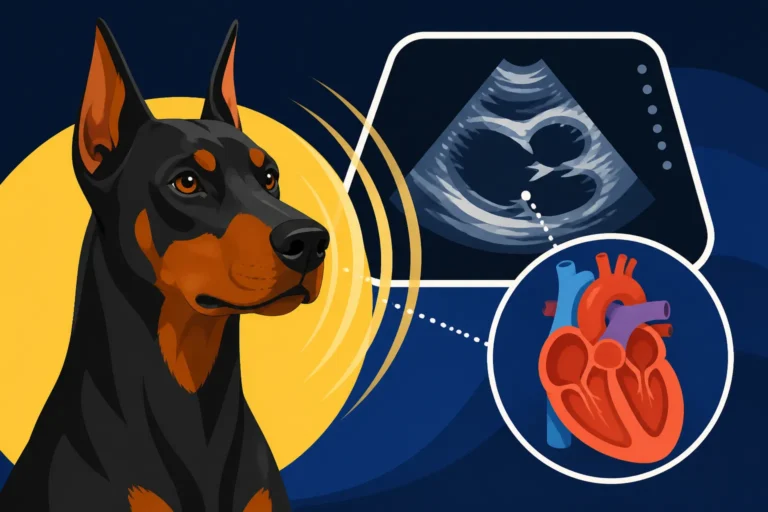
When we talk about Doberman health, it's almost impossible not to immediately think of Dilated Cardiomyopathy, or DCM. This devastating heart condition is the single biggest killer of Dobermans, and it doesn't discriminate easily. Many owners look to European lines, believing they are a "healthier" alternative, especially when it comes to cardiac health. While there's some truth to the idea that different populations might have varying disease prevalence, it's not a clear-cut solution.
The Prevalence of DCM in Dobermans Globally
The hard reality is that Dilated Cardiomyopathy is widespread in the Doberman breed, regardless of geographical origin. Studies and veterinary cardiologists consistently report that a significant percentage of Dobermans will develop DCM in their lifetime. Estimates vary, but many sources suggest that over 50% of Dobermans will be affected by this condition, making it "The Heart Disease That Reaches Most Dobermans". It's a genetic predisposition woven deep into the breed's fabric.
While anecdotal evidence and some preliminary data might suggest a slight difference in the rate of DCM between European and American lines, conclusive, large-scale studies directly comparing the two populations with definitive statistics are challenging to conduct and often yield mixed results. What we do know is that the disease exists on both continents and remains a primary concern for breeders and owners worldwide. The hope that one line completely escapes this fate is often just that – hope. For a deeper dive into the distinctions, you might explore "Why European and American Doberman Rates Differ".
Genetic Factors and Testing Differences
The genetics of DCM are complex, involving multiple genes. In Dobermans, two primary genetic mutations (DCM1 and DCM2) have been identified, though it's important to remember that these don't account for all cases of DCM, indicating other unknown genetic factors are at play. You can learn more about "The DCM1 Gene Test Explained for Doberman Owners" to understand one piece of this puzzle. Both American and European lines carry these genetic markers, and responsible breeders in both regions are working to understand and manage them.
The availability and widespread adoption of genetic testing, however, can sometimes differ. In some European countries, comprehensive health testing and specific breeding regulations have been in place for longer, potentially leading to a more standardized approach to screening for genetic diseases. However, this doesn't mean that every European breeder adheres to the strictest protocols, nor does it guarantee that an American breeder won't be equally, if not more, diligent. It's really about individual breeder ethics and commitment. A Doberman can test clear for known genes and still develop DCM, highlighting the limitations of genetic tests alone. This complexity can make "Whether a Doberman DNA Panel Replaces Screening" a critical discussion point for prospective owners.
Screening Protocols and Their Impact
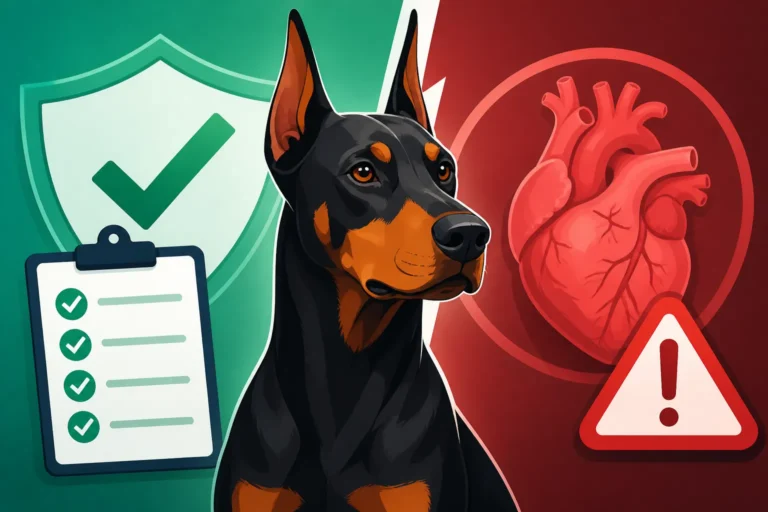
One significant difference often cited in the perceived health of European Dobermans is the more rigorous and often mandatory health screening protocols in some European countries. For example, in many parts of Europe, breeding dogs must pass specific health clearances, including regular cardiac evaluations (echocardiograms and Holter monitoring), before they are allowed to be bred. This proactive approach, theoretically, could help reduce the incidence of DCM over generations by removing affected or high-risk dogs from the breeding pool.
In contrast, while many American breeders are incredibly diligent and adhere to similar standards, these extensive screenings are not universally mandated by national kennel clubs. This means there's a wider spectrum of breeding practices, and it falls more heavily on the individual buyer to verify the health testing of a puppy's parents. Regular and consistent screening, such as "Annual Echo and Holter Screening for a Doberman", is absolutely crucial for early detection, regardless of your Doberman's lineage. If you’re looking at breeders, understanding "The Health Testing a Doberman Breeder Must Show" is paramount.
Beyond the Heart: Other Health Concerns
While DCM rightfully dominates discussions about Doberman health and lifespan, it's far from the only issue this magnificent breed faces. Other hereditary conditions, varying somewhat in prevalence between lines, also play a significant role in overall quality of life and longevity.
Wobbler Syndrome and Other Structural Issues
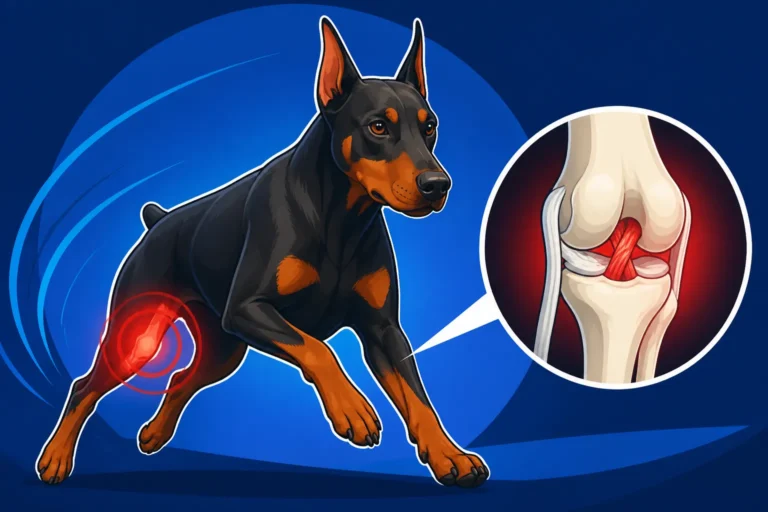
Another significant health concern for Dobermans is Wobbler Syndrome, also known as Cervical Spondylomyelopathy. This condition affects the cervical spine, leading to compression of the spinal cord and neurological symptoms like an unsteady gait or "wobbling." While it can affect various large breeds, Dobermans are particularly predisposed. You can learn more about "Wobbler Syndrome in the Doberman" in detail.
Some argue that European Dobermans, with their often heavier bone structure and different conformation standards, might have a higher or lower incidence of Wobbler Syndrome compared to their American counterparts. However, robust data to definitively prove a significant difference is often lacking, and the condition is present in both lines. Structural integrity and proper conformation are important considerations when choosing a Doberman, and a reputable breeder should be able to discuss the prevalence of such issues in their lines.
Cancer Rates and Types
Cancer is another heartbreaking reality for many Dobermans, regardless of their origin. Like many purebred dogs, Dobermans are prone to various forms of cancer, including osteosarcoma (bone cancer), lymphoma, and hemangiosarcoma. These conditions can significantly shorten a Doberman's lifespan, often striking in their middle to senior years. For more information, "Cancer Types That Reach Dobermans" is a good starting point.
There isn't compelling evidence to suggest a stark difference in overall cancer rates or specific cancer types between European and American Dobermans. Cancer is a complex disease influenced by genetics, environment, and lifestyle, and while some lines may have a higher incidence of certain types, it's a broad issue for the breed as a whole. Regular veterinary check-ups and being vigilant about any unusual lumps or changes in behavior are critical for early detection, which can sometimes extend a Doberman's life.
Breed-Specific Conditions Beyond DCM
Beyond DCM, Wobblers, and general cancer susceptibility, Dobermans are also prone to other breed-specific conditions that can impact their health and longevity. These include Von Willebrand's Disease (a bleeding disorder), hypothyroidism (low thyroid function), and chronic active hepatitis (liver disease, particularly in females).
The prevalence of these conditions can vary within specific breeding lines, but again, they are found in both European and American populations. For instance, Von Willebrand's Disease is prevalent in Dobermans, and responsible breeders should screen for it. Ultimately, the health of your Doberman often comes down to the individual dogs in their pedigree and the health testing performed by the breeder, rather than a blanket generalization based on continental origin.
The Influence of Breeding Practices and Lifestyle
When debating whether European Dobermans live longer, it's critical to look beyond just genetics and consider the broader context of breeding philosophies, environmental factors, and owner responsibilities. These elements often have a profound impact on a Doberman's overall health and longevity.
European vs. American Breeding Philosophies
Historically, and to some extent even today, there can be subtle differences in breeding philosophies between Europe and America. In some European countries, working titles and rigorous temperament testing are often integrated into breeding requirements, alongside mandatory health clearances. This focus on "total dog" – temperament, working ability, and health – can lead to a slightly different selection pressure. The ideal European Doberman, particularly from working lines, is often bred for robustness and drive, sometimes with a heavier bone structure and broader head compared to the more refined, elegant American show Doberman.
However, it's crucial not to generalize too broadly. There are many dedicated, ethical breeders in both regions who prioritize health, temperament, and longevity. Conversely, there are also puppy mills and irresponsible breeders on both continents who cut corners on health testing and genetic diversity. The perceived "longevity advantage" of European Dobermans often stems from the ideal scenario of a well-bred, thoroughly health-tested European dog from a reputable kennel, but this ideal isn't universal. Understanding "Reading a Doberman Breeder's Heart Paperwork" is key to making an informed decision.
Environmental Factors and Longevity
Beyond genetics and breeding, a Doberman's environment and lifestyle choices play a monumental role in their lifespan. Proper nutrition, adequate exercise, consistent training, and preventative veterinary care are universally important for any dog, regardless of their lineage. A Doberman fed a high-quality diet, kept at a healthy weight, exercised appropriately for their age and condition, and provided with mental stimulation will generally thrive more than one neglected in these areas.
This means that even if a European Doberman hypothetically carried a slightly lower genetic risk for DCM, poor diet, lack of exercise, or delayed veterinary attention could easily negate any potential longevity advantage. Similarly, an American Doberman from health-tested lines, given excellent care, can live a full and healthy life. Pet insurance, like that offered by Healthy Paws, can be a lifesaver here, allowing owners to pursue necessary treatments without financial stress, which directly impacts a dog's health outcomes.
Owner Education and Proactive Care
Ultimately, the biggest factor in any Doberman's longevity is often the dedication and education of their owner. Being proactive means understanding the breed's predispositions, choosing a reputable breeder who performs extensive health testing, committing to regular veterinary check-ups, and being vigilant for any signs of illness.
This includes starting routine health screenings early, such as regular cardiac evaluations beginning at a young age, as "The Age Doberman Heart Disease Usually Starts" can be earlier than many expect. It also means budgeting for these costs. While it can feel overwhelming, knowing that you've done everything in your power to provide the best care for your Doberman offers invaluable peace of mind. Investing in a good pet insurance plan from a provider like Healthy Paws early in your Doberman's life can also help offset the significant costs associated with managing chronic conditions, should they arise, allowing you to focus on care rather than cost.
Navigating the Lifespan Expectations for Any Doberman
The desire for a long, healthy life for our Dobermans is universal, and the search for a "longer-lived" line is understandable given the breed's heartbreaking health challenges. However, it's more productive to focus on overall health and responsible ownership rather than relying on generalized assumptions about continental origin.
Realistic Lifespan Averages
The unfortunate reality is that the Doberman Pinscher, as a breed, has a shorter average lifespan compared to many other breeds of similar size. While there are always exceptions, the typical lifespan for a Doberman is generally cited as 10 to 13 years, with many succumbing to DCM or cancer between the ages of 6 and 9. Some sources might put it at 9 to 12 years, but the sentiment remains: they often leave us too soon. This is succinctly captured in articles discussing "Doberman Lifespan and Why It Is Short".
The key takeaway is that whether your Doberman comes from European or American lines, you should realistically prepare for a lifespan that could be on the shorter side of average for a large dog. Any perceived statistical advantage in lifespan between the two types is often marginal and heavily influenced by the specific breeding program and individual dog's care. Focus on the health of the individual dog and its pedigree, rather than simply its country of origin.
Maximizing Your Doberman's Health Potential
Rather than chasing a potentially mythical "longer-lived" lineage, the most impactful steps you can take involve proactive and comprehensive care for any Doberman you bring into your home. This approach focuses on stacking the odds in your dog's favor through informed choices and consistent effort.
Here's a breakdown of how to maximize your Doberman's health potential:
- Choose a Reputable Breeder: This is the bedrock. Seek breeders who are transparent about their health testing, can provide certifications for generations of their dogs (OFA for hips/elbows, yearly Holter/Echo for hearts, vWD, thyroid), and are willing to discuss their lines' health history openly. Don't be afraid to ask for specifics.
- Prioritize Preventative Care: Regular veterinary check-ups are non-negotiable. This includes annual exams, vaccinations, parasite control, and dental care. Beyond the basics, Dobermans benefit greatly from annual cardiac screenings (Holter monitoring and echocardiograms) starting at an early age, typically between 2-3 years old. These screenings are vital for early detection of DCM, which can allow for earlier intervention and potentially extend symptom-free life.
- Optimal Nutrition: Feed a high-quality, balanced diet appropriate for your Doberman's age, activity level, and any specific health needs. Maintain a lean body condition to reduce stress on joints and organs. Discuss dietary supplements like taurine and carnitine with your vet, as some research suggests they may be beneficial for Doberman heart health, although they are not a cure or preventative for DCM.
- Regular, Appropriate Exercise: Dobermans are active and intelligent dogs that need consistent physical and mental exercise. Daily walks, playtime, and engaging training sessions are crucial. However, avoid over-exercising young, growing Dobermans to protect their developing joints. Once they are mature, consistent exercise helps maintain muscle mass and cardiovascular health.
- Mental Stimulation: A bored Doberman can develop behavioral issues and may not be as resilient overall. Puzzle toys, training classes, and engaging activities keep their sharp minds active and reduce stress.
- Manage Stress: While difficult to quantify, chronic stress can impact overall health. A stable, predictable home environment, consistent routine, and positive training methods contribute to a well-adjusted and potentially healthier dog.
- Financial Planning: Dobermans can be expensive, especially with their predisposition to health issues. Budgeting for routine care, unexpected emergencies, and potential long-term medication for conditions like DCM or hypothyroidism is critical. Many owners find that pet insurance, such as a plan from Healthy Paws, provides invaluable peace of mind and financial support when serious health issues arise. Knowing you have that safety net allows you to make care decisions based on your Doberman's needs, not just your wallet. For those wondering about the financial commitment, articles like "Whether a Doberman Suits a Tight Budget" can be incredibly insightful.
By focusing on these comprehensive care strategies, you are giving your Doberman the absolute best chance at a long, fulfilling life, irrespective of whether they come from a European or American lineage. The "secret" to Doberman longevity lies not in a continent, but in conscientious breeding, vigilant health management, and unwavering owner dedication.
Disclaimer
This article is intended for informational purposes only and does not constitute veterinary advice. Always consult with a qualified veterinarian or a board-certified veterinary cardiologist for any health concerns or before making any decisions about your Doberman's health care.