What a Doberman MRI Shows for Wobblers
When your beloved Doberman starts to show an unsteady gait, perhaps dragging their paws or struggling to get up, it's a gut-wrenching experience that immediately raises alarm bells. Many Doberman owners fear the worst, and often, their fears lead them to suspect a dreaded condition known as Wobbler Syndrome. This guide aims to thoroughly explain how a Magnetic Resonance Imaging (MRI) scan becomes the definitive tool in unraveling the complexities of Wobbler Syndrome, showcasing exactly what your vet is looking for and what those images can tell you about your Doberman's prognosis and treatment options.
Understanding Wobbler Syndrome in Dobermans
Wobbler Syndrome, formally known as Cervical Spondylomyelopathy (CSM), is a neurological condition that disproportionately affects large and giant breed dogs, with Dobermans being one of the most commonly affected breeds. It's truly heartbreaking to witness your once agile Doberman begin to exhibit a wobbly, uncoordinated gait, especially in their hind limbs, which often appears much worse than in their front. This isn't just a sign of aging or a minor injury; it's a serious condition stemming from compression of the spinal cord and/or nerve roots in the neck. You might have noticed your Doberman walking with its head down, or perhaps even a Doberman that wobbles on its back legs, which are classic indicators.
The Mechanics of Neck Compression
At its core, Wobbler Syndrome is all about space, or rather, the lack thereof, around the spinal cord in the cervical (neck) region. Imagine your Doberman's spinal cord as a delicate highway for nerve signals, running from the brain all the way down to the tail, controlling every movement and sensation. In Wobbler cases, something in the neck vertebrae or surrounding soft tissues starts to encroach on this vital pathway. This compression can be dynamic, meaning it only happens when the neck is in certain positions, or static, present regardless of neck movement. The exact cause can vary, but it usually involves abnormal development of the vertebrae, thickening of the ligaments within the spinal canal, or disc herniations. When these structures press on the spinal cord, they disrupt the flow of nerve signals, leading to the tell-tale neurological deficits.
Why Dobermans Are Prone to Wobblers
It feels so unfair that Dobermans, with their athletic build and keen intelligence, are so often struck by this debilitating condition. Unfortunately, Dobermans have a genetic predisposition to Wobbler Syndrome, particularly the caudal cervical spondylomyelopathy (CCSM) form, which typically affects the lower neck vertebrae (C5-C7). This often explains why the age Doberman Wobbler signs appear is typically between 3 and 9 years old, though it can occur in younger dogs too. The breed's unique conformation, with its long neck and powerful musculature, combined with underlying genetic factors, contributes to this vulnerability. It's believed that abnormal bone growth during rapid development, coupled with instability in the cervical spine, can lead to chronic compression. This isn't something you could have prevented by better nutrition or exercise; it's often built into their very DNA. Understanding why Doberman neck vertebrae compress the cord helps us appreciate the complexity of this breed-specific challenge.
The Indispensable Role of an MRI in Diagnosing Wobblers
When your Doberman starts showing those concerning signs, your vet will likely recommend advanced imaging, and an MRI is the gold standard for diagnosing Wobbler Syndrome. While X-rays can show bone structure and disc spaces, and even a CT scan gives a fantastic 3D view of bones, neither can truly visualize the soft tissues of the spinal cord itself with the detail an MRI provides. This is why scanning a Doberman for a compressed neck almost always leads to an MRI recommendation. Without it, you’re essentially guessing at the exact nature and location of the problem.
What an MRI Actually Reveals
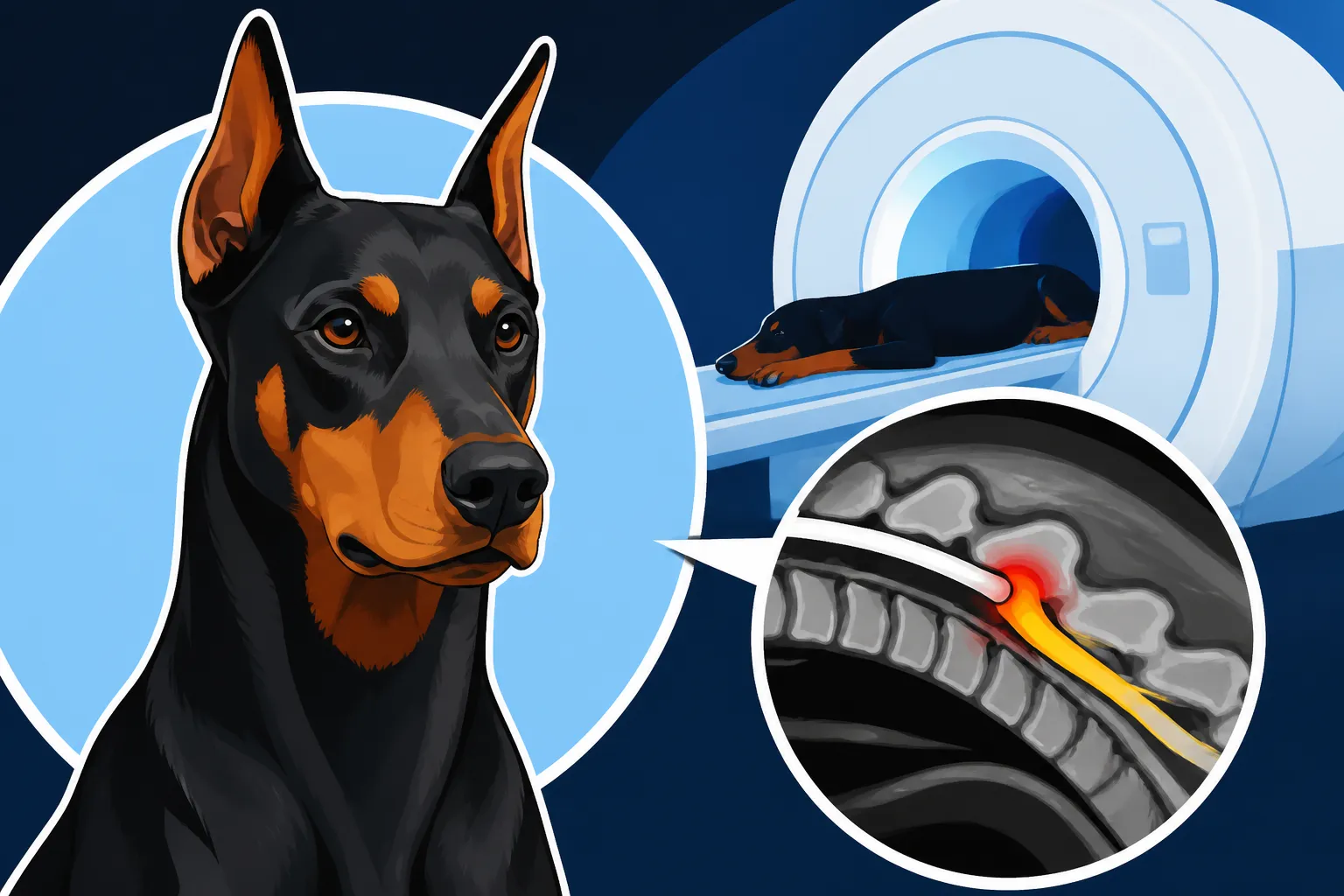
An MRI machine uses powerful magnets and radio waves to create incredibly detailed cross-sectional images of soft tissues. For a Doberman suspected of having Wobbler Syndrome, this means we can see:
- Spinal Cord Compression: The MRI will clearly show if the spinal cord is being squeezed, and precisely where this compression is occurring along the neck. It can identify how severe the compression is – whether it's mild, moderate, or severe – and whether it's happening at one spot or multiple locations.
- Disc Herniations: Often, a bulging or herniated disc is the culprit. The MRI can visualize these soft discs, showing if they are protruding into the spinal canal and pressing on the cord or nerve roots.
- Ligamentous Hypertrophy: Sometimes, the ligaments that run along the spinal column can thicken, reducing the space available for the spinal cord. An MRI is excellent at highlighting these thickened ligaments.
- Bone Abnormalities: While X-rays and CTs are great for bone, the MRI can still show any bony spurs, malformed vertebrae, or osteophyte formation that might be contributing to the compression.
- Myelomalacia/Edema: Crucially, the MRI can show changes within the spinal cord itself, such as fluid accumulation (edema) or even actual tissue damage (myelomalacia) resulting from chronic compression. These internal cord changes are critical for prognosis.
- Cystic Lesions or Tumors: In some rarer cases, what appears to be Wobblers might actually be a spinal cord tumor or a fluid-filled cyst. The MRI can differentiate these from typical Wobbler lesions, ensuring a correct diagnosis.
Essentially, the MRI provides a comprehensive map of the cervical spine, allowing the veterinary neurologist to pinpoint the exact location, nature, and severity of the compression affecting your Doberman. This level of detail is simply impossible with other imaging modalities.
Differentiating Wobblers from Other Conditions
The symptoms of Wobbler Syndrome – general weakness, a drunken gait, difficulty rising, and neck pain – can unfortunately mimic other neurological conditions. This is where the MRI's diagnostic power truly shines. Without it, a Doberman displaying these signs might be misdiagnosed or endure unnecessary tests.
Consider these scenarios:
- Degenerative Myelopathy (DM): This is another progressive neurological disease that causes hind limb weakness and incoordination, but it affects the thoracic and lumbar spine, not the neck. An MRI of the cervical spine would rule out Wobblers, and further diagnostics would be needed to investigate DM.
- Intervertebral Disc Disease (IVDD) in Other Spinal Regions: While Wobblers is a form of cervical IVDD, disc herniations can occur anywhere along the spine, causing similar symptoms. An MRI ensures the focus is on the neck, or reveals if the problem lies elsewhere.
- Brain Tumors or Strokes: These can also cause neurological signs that might initially appear similar to Wobblers. An MRI of the brain, often performed in conjunction with a cervical spine MRI if the initial findings are inconclusive, can help rule these out.
- Orthopedic Issues: Sometimes, severe hip dysplasia or knee injuries can make a Doberman appear wobbly. However, the distinct neurological deficits and gait abnormalities of Wobblers are usually discernable to a trained eye, and an MRI confirms the spinal origin.
The ability of the MRI to definitively show or rule out cervical spinal cord compression is what makes it an indispensable tool, preventing misdiagnosis and ensuring your Doberman receives the correct and most effective treatment.
Preparing Your Doberman for an MRI
Getting an MRI for your Doberman is a significant step, and it requires careful preparation. Because the MRI machine is loud and requires the patient to remain perfectly still for an extended period, your Doberman will need to be under general anesthesia. This means a thorough pre-anesthetic workup is essential.
Here’s what you can expect:
- Pre-Anesthetic Bloodwork: Your vet will run a comprehensive blood panel to assess your Doberman's organ function, ensuring they are healthy enough to undergo anesthesia. This is a crucial step for any Doberman, given the breed's predispositions to other health issues like cardiac conditions.
- Cardiac Screening: For Dobermans, a pre-anesthetic cardiac evaluation, such as an echocardiogram, might be recommended, especially if there's any history or suspicion of heart issues. This is because Dobermans are prone to the heart disease that reaches most Dobermans, Dilated Cardiomyopathy (DCM), which can complicate anesthesia.
- Fasting: You’ll need to withhold food for a specific period (usually 8-12 hours) before the MRI to prevent aspiration during anesthesia. Water is generally allowed until a few hours before the appointment.
- Discussion with the Neurologist: Before the procedure, a veterinary neurologist or highly experienced vet will discuss the process, risks of anesthesia, and potential findings with you. This is your chance to ask any questions and ensure you understand everything.
- Comfort and Support: On the day of the MRI, ensure your Doberman is as calm and comfortable as possible before going into the clinic. Knowing that you've chosen a reputable clinic and prepared your Doberman as instructed can offer some peace of mind during a stressful time.
Specialized veterinary hospitals, often those associated with universities or large referral centers, are usually equipped with MRI machines and staffed by board-certified neurologists who have extensive experience with Doberman Wobblers.
Interpreting MRI Results and Treatment Planning
Once the MRI images are acquired, the veterinary neurologist will meticulously review them to understand the full scope of your Doberman's condition. This detailed analysis is what informs the entire treatment plan, making the MRI a pivotal diagnostic tool.
Grading the Severity of Compression
The neurologist will use the MRI images to grade the severity of the spinal cord compression. This isn't just a simple "yes" or "no" to Wobblers; it's about understanding the degree of impact on the spinal cord itself. They will look for:
- Degree of Spinal Cord Flattening: How much the spinal cord is squeezed and flattened by the surrounding structures.
- Presence of Myelomalacia: Any signs of intrinsic damage or degeneration within the spinal cord tissue, which appears as changes in signal intensity on the MRI. This is a particularly important prognostic indicator.
- Number of Compressed Sites: Whether the compression is focal (at one spot) or multifocal (at several locations).
- Dynamic vs. Static Compression: By sometimes performing MRI scans in different neck positions, they can determine if the compression changes with movement.
This comprehensive evaluation helps determine the best course of action. A Doberman with mild compression and no signs of myelomalacia might have a different prognosis and treatment plan than one with severe, multifocal compression and significant spinal cord changes.
Surgical vs. Conservative Management Options
With a clear picture from the MRI, the neurologist can then discuss the pros and cons of different treatment strategies. For Doberman Wobblers, these generally fall into two categories:
1. Conservative Medical Management:
This approach is often considered for Dobermans with mild to moderate symptoms, or if surgery is not an option due to other health concerns or owner preference. It involves:
- Activity Restriction: Limiting strenuous activity, jumping, and often crating the dog for a period to minimize neck movement and inflammation.
- Anti-inflammatory Medications: Non-steroidal anti-inflammatory drugs (NSAIDs) or corticosteroids may be prescribed to reduce swelling around the spinal cord and alleviate pain. You might be discussing steroids and rest for a Doberman Wobbler as a first line of attack.
- Pain Management: Other pain medications may be used to keep your Doberman comfortable.
- Physical Rehabilitation: Gentle exercises, hydrotherapy, and massage can help maintain muscle mass and improve coordination.
- Neck Brace: In some cases, a soft neck brace might be used to further restrict neck movement.
Conservative management aims to reduce inflammation and pain, stabilize the condition, and improve the Doberman's quality of life without invasive surgery. It's a path many owners hope for, but it requires diligent adherence and regular monitoring.
2. Surgical Intervention:
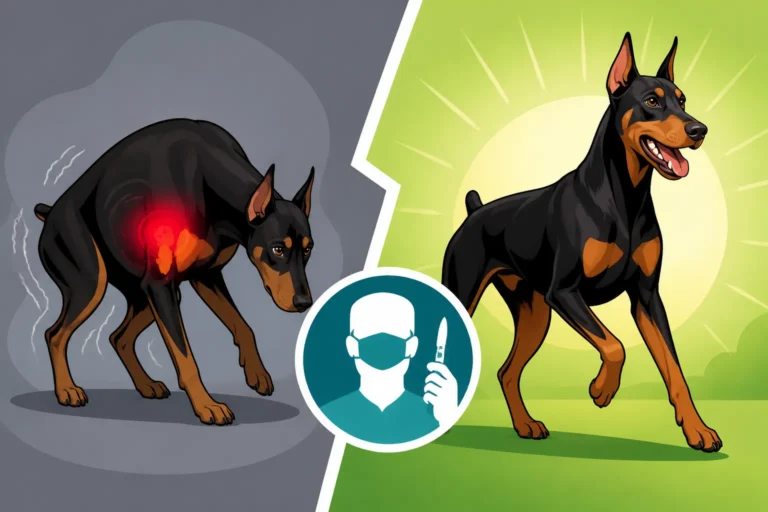
Surgery is often recommended for Dobermans with severe or progressive neurological deficits, or when conservative management fails. The goal of surgery is to decompress the spinal cord and stabilize the cervical spine. Several surgical techniques exist, and the choice depends on the specific type and location of compression identified by the MRI. Common procedures include:
- Ventral Slot Decompression: Removing a small window of bone from the underside of the vertebrae to access and remove disc material compressing the cord.
- Dorsal Laminectomy: Removing part of the vertebral arch from the top to relieve pressure.
- Distraction-Stabilization Techniques: Using implants (screws, plates, or bone cement) to separate and stabilize the vertebrae, creating more space for the spinal cord.
The decision to proceed with surgery is a complex one, involving careful consideration of the MRI findings, the Doberman's age, overall health, and the owner's commitment to post-operative care and rehabilitation. Understanding surgery against management for Doberman Wobblers is a critical conversation you'll have with your veterinary team. While surgery can offer a good prognosis for many Dobermans, it's not without risks, and success rates can vary. It's important to have realistic expectations about whether Doberman Wobbler surgery works and the potential for a full recovery versus significant improvement.
The Long-Term Outlook After an MRI Diagnosis
A Wobbler Syndrome diagnosis, even with the clarity an MRI provides, means a lifelong journey of management for your Doberman. The long-term outlook heavily depends on the severity of the compression, whether surgery was performed, and the commitment to follow-up care.
For Dobermans undergoing successful surgery, significant improvement in gait and comfort is often seen within weeks to months. However, complete resolution of neurological signs is not always achieved, and some residual wobbliness or ataxia may persist. Lifelong monitoring and adherence to a rehabilitation program are crucial.
For those managed conservatively, regular check-ups and adjustments to medication or activity levels will be necessary. It's a daily commitment to ensure their comfort and prevent progression. Regardless of the treatment path, owners often become experts in living with a Doberman that cannot walk straight and adapting their homes and routines to support their special needs. The goal is always to maximize their comfort and quality of life for as long as possible.
Financial Considerations and Support for Doberman Wobbler Diagnosis
When your Doberman is showing signs of Wobbler Syndrome and an MRI is recommended, it's natural to immediately think about the costs involved. These advanced diagnostics and potential treatments represent a significant financial undertaking, but understanding what to expect can help you prepare.
The Cost of Diagnostic Imaging
The cost of an MRI for a Doberman can vary widely depending on your geographic location, the veterinary facility (e.g., a university specialty hospital versus a private referral center), and the specifics of the scan (e.g., if a contrast dye is used, or if a brain MRI is also needed). Generally, you can expect the cost for a cervical spine MRI to range from $2,500 to $4,500 or even more. This fee typically includes:
- Consultation with a neurologist: The initial specialist examination and discussion.
- Pre-anesthetic bloodwork and possibly cardiac screening: Essential for safe anesthesia.
- Anesthesia and monitoring: The cost of keeping your Doberman safely sedated for the duration of the scan.
- The MRI scan itself: The use of the sophisticated equipment and the technician's time.
- Radiologist interpretation: A board-certified veterinary radiologist will analyze the images and provide a detailed report.
- Initial discussion of results and treatment options: With the neurologist or your primary vet.
It's a substantial sum, but it's important to remember that this investment provides the crucial information needed to correctly diagnose and plan treatment for a complex neurological condition. These imaging bills when a Doberman starts wobbling are often the first major expense, paving the way for further costs if surgery is pursued.
Navigating Insurance Coverage
Given the high costs associated with Wobbler Syndrome diagnosis and treatment, pet insurance can be an absolute lifesaver. Companies like Healthy Paws are well-regarded for their comprehensive coverage, which can significantly ease the financial burden. However, there are crucial considerations:
- Pre-existing Conditions: Pet insurance, including policies from providers like Healthy Paws, generally does not cover pre-existing conditions. This means if your Doberman was already showing Wobbler symptoms or had a diagnosis before you enrolled them in a policy, or during the waiting period, those costs would likely not be covered. This underscores the importance of insuring your Doberman when they are young and healthy.
- Deductibles and Reimbursement Rates: Most policies come with a deductible (the amount you pay out-of-pocket before coverage kicks in) and a reimbursement rate (the percentage of the covered costs the insurer pays back). Familiarize yourself with these terms and choose a policy that offers a good balance for your budget.
- Annual Limits: Some policies have annual limits on payouts. For conditions like Wobbler Syndrome, especially if surgery and extensive rehabilitation are needed, the costs can quickly add up and potentially exceed these limits. It's wise to consider policies with high annual limits or even unlimited coverage.
- Waiting Periods: All insurance policies have waiting periods before certain coverages begin. For orthopedic or neurological conditions, these waiting periods can be longer (e.g., 6 months to a year). Ensure you understand these timelines.
If your Doberman is diagnosed with Wobblers, and particularly if surgery is recommended, you'll be looking at potential costs for the procedure itself, which can range from $5,000 to $10,000 or more, plus weeks to months of follow-up care and physical therapy. The comprehensive nature of a plan from a company like Healthy Paws could cover a significant portion of these expenses, including the MRI, surgery, medications, and rehabilitation, provided the condition isn't deemed pre-existing. Planning ahead by having pet insurance in place before any health issues arise is the best strategy for any Doberman owner.
Disclaimer
The information provided in this article is for general informational purposes only and is not intended as a substitute for professional veterinary advice. Always seek the advice of your veterinarian or other qualified animal health provider with any questions you may have regarding a medical condition or treatment for your Doberman. Never disregard professional veterinary advice or delay in seeking it because of something you have read in this article.