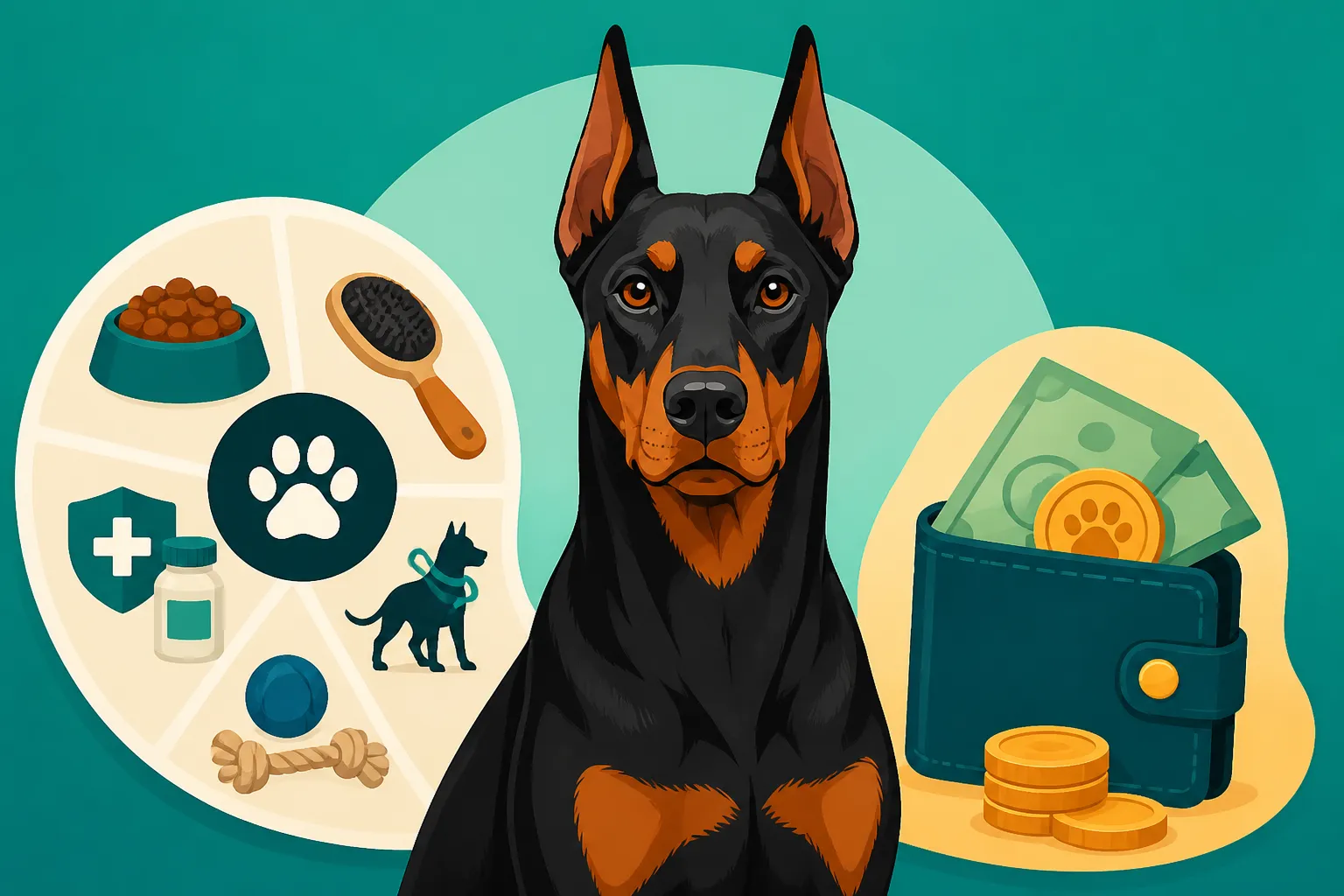
What a Doberman Costs Month to Month
Bringing a Doberman into your life is an incredible joy, but many prospective owners grapple with the nagging question of finances. It’s easy to focus on the initial puppy price or adoption fee, only to be caught off guard by the relentless, often escalating, monthly costs. This guide is here to realistically break down what you can expect to spend each month on your Doberman, covering everything from basic necessities to specialized healthcare.
The Baseline Monthly Budget: Essential Recurring Expenses
Let's face it, no matter how much we adore our Dobermans, they still come with a steady stream of unavoidable expenses. These are the costs you can pretty much guarantee will hit your bank account month in and month out, forming the bedrock of your Doberman's budget. It's not just about keeping them alive; it's about providing a good, healthy life, and that takes consistent investment.
Quality Food: Fueling a High-Energy Doberman
Dobermans are large, athletic dogs with high energy levels, and their diet is absolutely paramount to their health and well-being. This isn't a breed you can skimp on when it comes to nutrition. A cheap, filler-laden kibble might save you a few bucks now, but it could lead to higher vet bills down the line due to poor coat quality, digestive issues, or even more serious health problems. You’re looking for high-quality protein sources, balanced fats, and digestible carbohydrates. Brands like Taste of the Wild, Orijen, or Acana are often recommended by breeders and vets for their nutritional profiles, though there are many other reputable choices.
The cost of food can vary wildly depending on what you choose. A premium dry kibble for an 80-pound Doberman might run anywhere from $60 to $100 per month, sometimes even more if you opt for specialized formulas or prescription diets. If you're exploring fresh food options, like those offered by Ollie, or even a raw diet, you can expect these costs to jump significantly, potentially to $200-$400 or more monthly. These diets often require more careful portioning and sourcing, but many owners feel the health benefits are worth the premium. Remember that a Doberman, especially one that's active, burns through a lot of calories, so their food intake is substantial. For a deeper dive, check out our article on Feeding an Eighty-Pound Doberman Well.
Preventative Medications: Guarding Against Common Threats
This category is non-negotiable for any dog owner, but particularly for a Doberman who spends time outdoors. Heartworm, flea, and tick preventatives are essential for protecting your dog from debilitating, and sometimes fatal, diseases. Heartworm disease is transmitted by mosquitoes and can cause severe lung disease, heart failure, and other organ damage. Fleas and ticks, beyond being itchy pests, can transmit Lyme disease, Ehrlichiosis, and Anaplasmosis, all of which can lead to chronic health issues.
These medications are typically administered monthly or quarterly, and the cost will depend on your Doberman’s weight and the specific product your veterinarian recommends. On average, you can budget $30 to $80 per month for combined heartworm and flea/tick prevention. Some popular brands include Interceptor Plus, Heartgard, Simparica Trio, or Nexgard. It’s a recurring expense that feels like a lot, but it’s a small price to pay compared to the emotional and financial strain of treating these preventable conditions. For more on this, you might find our guide on Preventives Priced for an Eighty-Pound Doberman helpful.
Essential Supplies: Replenishing the Daily Toolkit
Beyond food and meds, there's a constant trickle of everyday items that need replacing. Dobermans, especially in their younger years, can be quite destructive with toys. That expensive squeaky toy you bought last week might be shredded within minutes by a determined Doberman jaw. So, you'll find yourself buying new toys regularly – think durable chew toys, puzzle toys to keep their intelligent minds occupied, and softer toys for cuddling.
Then there are the less glamorous but equally important items: poop bags, which you'll go through at an astonishing rate with a large dog. Treats for training and enrichment are also a constant on the shopping list; Dobermans are highly food-motivated, so quality treats are a must. Bedding is another recurring cost. While you might invest in a durable orthopedic bed initially, Dobermans can be hard on beds, and accidents happen, requiring replacements or extra covers. Budgeting $20 to $50 a month for these miscellaneous but crucial supplies is a reasonable starting point.
Healthcare Beyond Prevention: The Doberman's Specific Needs
While all dogs need regular veterinary care, Dobermans come with their own unique set of genetic predispositions and health challenges that necessitate specialized, ongoing attention. This isn't to say they are "unhealthy" dogs, but rather that responsible ownership requires proactive management of these known risks. These aren't costs you can ignore, as doing so puts your beloved Doberman's life at risk.
Ongoing Heart Screening: A Critical Doberman Investment
This is perhaps the most significant recurring health cost for Doberman owners. Dilated Cardiomyopathy (DCM) is rampant in the breed, a devastating heart disease that often shows no outward symptoms until it's very advanced or results in sudden death. This means that regular, proactive heart screening is absolutely vital. The two primary screening tools are the echocardiogram (echo) and the 24-hour Holter monitor. An echo provides a real-time ultrasound of the heart's structure and function, while a Holter monitors heart rhythm over an entire day, detecting arrhythmias that an echo might miss.
Most Doberman cardiologists recommend annual screenings starting at two years of age, though some might suggest starting earlier depending on family history or if early signs emerge. An echocardiogram performed by a board-certified veterinary cardiologist can range from $400 to $800, and a 24-hour Holter rental and interpretation typically costs $200 to $400. So, you're looking at a yearly cost of $600 to $1200, which, when spread out, averages $50 to $100 per month. This can feel like a huge burden, but catching DCM early can allow for medications like Pimobendan to be started, potentially extending your dog's quality of life significantly. You can learn more about this in our guide on Annual Echo and Holter Screening for a Doberman.
Specialized Diets and Supplements: When Health Demands More
As Dobermans age or if they receive a specific diagnosis, their dietary needs might become more complex and, consequently, more expensive. For instance, if your Doberman is diagnosed with a condition like copper storage disease, they will need a prescription low-copper diet, which can be considerably more costly than regular kibble. These diets are carefully formulated to restrict certain minerals and provide specific nutrients, often running $100-$150+ per month.
Beyond prescription diets, many Doberman owners opt for supplements, especially for joint health as the breed is prone to hip and elbow dysplasia, though not as common as in some other large breeds. Glucosamine and chondroitin supplements can help support joint cartilage. For Dobermans with early signs of DCM, or those with a genetic predisposition, a cardiologist might recommend supplements like taurine and L-carnitine, which are amino acids believed to support heart muscle function. These supplements can add another $20 to $60 per month to your budget, depending on the brand and dosage. Understanding the role of these can be crucial, so consider reading up on Taurine and Carnitine for a Doberman Heart.
Veterinary Check-ups and Incidentals: The Unforeseen
Even without a major illness, Dobermans still need routine veterinary check-ups. Annual wellness exams typically include a physical examination, vaccinations (boosters are often given every 1-3 years after the initial puppy series), and sometimes routine blood work. These annual visits can cost anywhere from $150 to $300, averaging out to $12 to $25 per month. This baseline is critical for preventative care and catching any issues early. For specifics, you can check out The Yearly Checkup a Doberman Still Needs.
Then there are the inevitable incidental vet visits. Dobermans are active and curious, which can lead to minor injuries like cuts, scrapes, paw pad issues, or ear infections. They might ingest something they shouldn't, requiring an emergency trip to the vet. These unexpected visits, even for something relatively minor, can quickly add up to hundreds of dollars for examinations, medications, or basic procedures. While you can't predict them, it's wise to always have a buffer in your monthly budget for these "oops" moments.
Training, Enrichment, and Socialization: Investing in a Well-Adjusted Doberman
A Doberman is not a breed that thrives with minimal attention or training. They are highly intelligent, sensitive, and protective dogs that require consistent mental stimulation, clear guidance, and extensive socialization from a young age. Investing in these areas isn't just about good manners; it's about building a confident, well-adjusted companion and preventing behavioral issues that can be far more costly (and heartbreaking) to address down the road.
Ongoing Training and Classes: Nurturing Their Intelligence
Dobermans excel in training, often picking up new commands with remarkable speed. However, their intelligence means they need continuous engagement to prevent boredom and destructive behaviors. Puppy classes are just the beginning. After mastering basic obedience, many Doberman owners find value in advanced obedience courses, agility, tracking, or even protection sports like Schutzhund/IPO. These activities provide an outlet for their natural drives and keep their minds sharp.
Group training classes can range from $150 to $300 for a 6-8 week session, depending on the type of class and location. Private training sessions, often necessary for specific behavioral challenges or for owners seeking personalized guidance, can cost $75 to $200 per hour. If you plan to pursue working sports, membership fees, equipment, and trial fees can add significantly more to your monthly outlay. This consistent investment in training, especially during their formative years, is crucial. It’s definitely worth considering Whether a Doberman Needs More Than Puppy Class to understand the long-term commitment.
Enrichment Toys and Activities: Keeping Minds and Bodies Engaged
A bored Doberman is often a destructive Doberman. These dogs need more than just a walk around the block; they need purposeful activity that challenges them both physically and mentally. This means investing in a variety of enrichment toys – from durable chew toys that can withstand their powerful jaws to puzzle feeders that make them work for their meals. These aren't just for fun; they're essential tools for mental stimulation.
Beyond toys, consider activities like dog daycare a few times a week, especially if you work long hours. Quality dog daycare, which provides supervised play and socialization, can cost $30 to $50 per day, or $200 to $400 for a monthly package. Alternatively, regular walks with a professional dog walker can be $20 to $40 per session. Membership to a dog park (if your Doberman is well-socialized and enjoys them) or simply ensuring you have the time and energy for daily structured exercise and training sessions at home are also crucial. Budget $30-$100 monthly for toys, treats, and potential daycare or enrichment activities.
Professional Grooming (If Applicable) and Home Care Essentials
While Dobermans have a short, low-maintenance coat, they aren't entirely "set it and forget it" when it comes to grooming. Their thin skin means they can be prone to minor scrapes or dry patches, especially in harsh weather, and they absolutely need regular nail care. If you're not comfortable trimming their nails yourself (and many owners aren't, especially with black nails that hide the quick), professional nail trims at a vet or groomer typically cost $15 to $25 per session, usually needed every 3-4 weeks.
You'll also need basic grooming supplies: a soft brush or grooming mitt to remove shedding hair and stimulate the skin, dog-specific shampoo and conditioner for occasional baths (their short coat means fewer baths than many breeds, but they still get dirty!), and ear cleaning solution. If your Doberman has cropped ears, post-healing ear care is important to prevent infections. Overall, home grooming supplies are a relatively low recurring cost, perhaps $5-$15 per month for replenishing products. For more details on their coat care, see Doberman Grooming on a Coat With No Undercoat.
Preparing for the Unexpected: Insurance and Emergency Funds
This is where the true cost of Doberman ownership can become daunting, but it’s also where proactive planning makes the biggest difference. Dobermans are predisposed to certain serious health conditions, and while we hope for the best, preparing for the worst is a responsible part of owning this magnificent breed. Ignoring these possibilities can lead to heartbreaking financial decisions if an emergency arises.
Pet Insurance Premiums: A Doberman Lifeline
Given the Doberman's predisposition to conditions like DCM, Wobbler Syndrome, and Von Willebrand's disease, pet insurance can be an absolute lifesaver. It helps mitigate the financial impact of major illnesses or accidents, which can easily run into thousands of dollars. However, Doberman owners often face higher premiums and specific exclusions due to the breed's known health risks.
Premiums for a Doberman can range from $50 to $150+ per month, depending on factors like your dog's age, your location, the deductible, reimbursement percentage, and the specific plan you choose. It's crucial to enroll your Doberman in pet insurance as early as possible, ideally as a puppy, before any pre-existing conditions are diagnosed. Once a condition is noted in their veterinary record, it will likely be excluded from coverage. Companies like Healthy Paws offer comprehensive accident and illness plans, but always read the fine print regarding breed-specific conditions and waiting periods. For a thorough understanding, check out Insuring a Doberman Before the Heart Turns. It’s a significant monthly expense, but for many Doberman owners, it provides invaluable peace of mind.
Emergency Savings: The Non-Negotiable Buffer
Even with pet insurance, an emergency fund is a non-negotiable part of Doberman ownership. Most pet insurance plans have a deductible you must meet before coverage kicks in, and they typically reimburse a percentage (e.g., 70-90%) of the vet bill, meaning you're still responsible for the remaining portion. Furthermore, some conditions might be excluded, or the annual payout limit might be reached in a catastrophic event.
Imagine an emergency like Gastric Dilatation-Volvulus (GDV), or "bloat," a life-threatening condition Dobermans are prone to due to their deep, narrow chests. Surgery for bloat can cost upwards of $5,000 to $10,000. While insurance might cover a large portion, your deductible and co-pay could still be substantial. Having $2,000 to $5,000 readily accessible in an emergency fund is highly recommended. While this isn't a direct monthly expense in the same way food is, consistently setting aside $50 to $100 per month into this fund is a responsible financial strategy. For more on what these emergencies can cost, look into Emergency Vet Fees for a Collapsing Doberman.
Lifestyle and Comfort: Making a Doberman Part of the Family
Beyond the absolute necessities, there are costs associated with integrating a Doberman seamlessly into your home and lifestyle. These are about ensuring their comfort, safety, and making life easier for you as an owner. Some might seem optional, but for a Doberman's well-being and your peace of mind, they often become essential.
Climate Control and Comfort Items: Adapting to Their Needs
Dobermans have very short coats with no undercoat, making them particularly sensitive to cold weather. This means that if you live in a colder climate, investing in a good-quality, properly fitting winter coat is not a luxury, but a necessity for outdoor excursions. These coats can range from $40 to $100+, and you might need more than one. In warmer climates, or during summer, cooling mats can help them stay comfortable indoors.
Beyond weather-specific gear, quality bedding is crucial. Dobermans have lean bodies with little natural padding, so an orthopedic bed helps protect their joints and provides comfort. While a good bed can be an initial investment of $100-$300, budgeting for potential replacement covers or even a new bed every few years (especially if they're hard chewers) is wise. These items contribute to their overall well-being and can average $10-$30 per month when factored into a long-term budget. To ensure your Doberman is cozy, consider reading our article on Winter Coats Sized for a Doberman.
Travel and Boarding: When Life Takes You Away
Life happens, and sometimes you need to travel without your Doberman. Finding suitable care for a Doberman can sometimes be more challenging and expensive than for other breeds. Due to breed restrictions or perceptions, some boarding kennels or pet sitters may be hesitant to take them, or charge a premium. You want to ensure your Doberman is with someone experienced and comfortable with large, powerful, and often sensitive dogs.
Professional pet sitters can charge $50 to $100 per day for in-home care, especially if your Doberman requires medication or extensive exercise. Boarding facilities can range from $40 to $80 per night for a Doberman, with extra charges for playtime, special diets, or medication administration. If you travel frequently, this can quickly become a significant monthly expense. If you plan to take your Doberman with you, carrier costs for air travel or specialized car restraints (like crash-tested harnesses or crates) are important safety investments. It’s worth checking out Boarding Kennels That Turn a Doberman Away for advice. Budgeting $30-$100+ per month for occasional boarding or pet sitting is prudent for most owners.
Licensing and Registration: Legal Requirements
While often an annual or biennial fee rather than a monthly one, it's an important recurring cost to remember. Most cities, counties, and states require dogs to be licensed and registered, primarily for identification and to ensure they are up-to-date on rabies vaccinations. The cost varies widely by location, but typically ranges from $10 to $50 per year for a spayed/neutered dog. Unaltered dogs often incur higher fees. This averages to a small monthly amount, usually less than $5, but it's an important legal responsibility that can result in fines if ignored.
The Age Factor: How Costs Evolve Over a Doberman's Life
The monthly costs for your Doberman aren't static; they ebb and flow throughout their lifespan. Just like humans, puppies have one set of needs, adults another, and seniors yet another, each impacting your wallet differently. Understanding these phases can help you budget more effectively and anticipate future expenses.
Puppyhood to Adolescence: Initial Bursts of Spending
The first year of a Doberman's life, especially puppyhood, is often the most expensive in terms of initial outlays and frequent vet visits. While monthly costs might feel lower initially due to less food intake, you're hit with the puppy series of vaccinations (multiple rounds), deworming, spay/neuter surgery (often a one-time cost of $300-$700), and possibly ear cropping if you choose that route (which can run $600-$1000, plus months of aftercare posting). Puppy food is often more expensive per pound, and puppies chew through toys and beds at an alarming rate.
During adolescence (roughly 6 months to 2 years), their food intake skyrockets as they grow into their large frames. Training expenses are often higher too, as you move from basic puppy classes to more advanced obedience or even specialty sports. This period is critical for socialization and preventing behavioral issues. While you might not have the high medical costs of a senior Doberman, the sheer volume of growth, training, and supply consumption makes this an intense financial period. For a detailed breakdown of the first year, look at Year One With a Doberman Puppy Priced Out.
Prime Years: Consistent, Manageable Expenses
Once your Doberman hits maturity, typically around 2-3 years of age, their costs tend to stabilize somewhat. Food consumption becomes consistent, and unless they're particularly destructive, the rate of toy and bedding replacement slows. Routine vet visits might become annual check-ups rather than monthly puppy appointments. This is also the period where critical health screenings, particularly for cardiac issues, begin to be recommended.
Annual echocardiograms and Holter monitors become a regular feature of your budget during these prime years. While significant, these are often predictable expenses you can plan for. If you have pet insurance, you're paying those regular premiums, hoping you won't need to use it extensively, but grateful it's there. Ongoing training or sport participation might continue, but perhaps less intensively than during their adolescent "testing" phase. This is generally the most stable period for monthly expenses, assuming no major health crises arise. The Doberman Years When Everything Shows Up will give you more insight into this phase.
Senior Years: The Inevitable Rise in Healthcare
As your Doberman reaches their senior years, typically around 7 or 8 years old, you can almost guarantee an increase in monthly expenses, primarily driven by healthcare. Older Dobermans often require more frequent veterinary check-ups, potentially every six months instead of annually. Blood work panels become more common to monitor organ function, and they may develop age-related conditions such as arthritis, dental disease, or a worsening of underlying heart conditions.
Medications for pain management, heart disease, or other chronic conditions can become daily necessities, adding $50 to $200+ per month to your budget. Special senior diets or supplements for joint and cognitive health might also be recommended. They may need more comfortable, orthopedic bedding or ramps to navigate stairs if mobility becomes an issue. While the joy of having a wise, calm senior Doberman is immense, be prepared for their healthcare costs to escalate significantly during this phase of their life. Proactive screening is even more crucial here; consider Screening an Older Doberman More Often for detailed advice.
Practical Tips for Managing Doberman Monthly Expenses
Let's be real, owning a Doberman is a significant financial commitment. But that doesn't mean you can't be smart about how you manage those costs. A little planning and savvy decision-making can go a long way in ensuring your Doberman gets the best care without completely breaking the bank.
Budgeting and Tracking: Staying Ahead of the Curve
One of the most effective ways to manage Doberman expenses is to create a realistic budget and stick to it. Start by listing all the recurring monthly costs we've discussed – food, preventatives, insurance, and a buffer for incidentals. Then, factor in annual expenses like heart screenings, licensing, and yearly vet visits, and divide them by 12 to get a monthly allocation. This gives you a clear picture of your baseline.
Beyond creating a budget, actively track your spending. This can be done with a simple spreadsheet, a budgeting app, or even a dedicated notebook. Seeing exactly where your money is going helps you identify areas where you might be overspending or where you can make adjustments. For example, if you notice you're buying a new toy every week, perhaps investing in more durable, Doberman-proof options will save you money in the long run.
Cost-Saving Strategies Without Compromising Care
- Buy in Bulk (Wisely): If your Doberman thrives on a particular food, consider buying larger bags from retailers like Chewy or a local pet store that offers discounts for bulk purchases or a loyalty program. Just make sure the food won't expire before your Doberman can consume it.
- DIY Grooming: Learning to trim your Doberman's nails, clean their ears, and give them baths yourself can save you significant money over professional grooming services. There are plenty of online tutorials, and your vet tech can often give you a quick lesson.
- Smart Toy Choices: Instead of constantly replacing flimsy toys, invest in highly durable, interactive toys like Kongs, Nylabones, or puzzle feeders. These last longer and provide better mental stimulation.
- Preventative Care: Staying on top of preventatives (heartworm, flea/tick) and routine vet visits is far cheaper than treating a full-blown illness. An ounce of prevention truly is worth a pound of cure.
- Consider Used Gear: Look for gently used crates, exercise pens, or even certain types of bedding on local online marketplaces. Just ensure they are clean and safe.
Seeking Support and Resources
Despite your best efforts, sometimes unexpected financial challenges arise. It's important to know that resources are available:
- Breed-Specific Rescues: Doberman rescues are passionate about the breed and often have resources, advice, or even financial assistance programs for Dobermans in need, especially if you've adopted from them.
- Veterinary Payment Plans: Many veterinary clinics understand the high cost of care and offer payment plans or work with third-party financing options like CareCredit. Don't be afraid to discuss your financial concerns with your vet.
- Animal Welfare Organizations: National and local animal welfare organizations sometimes have funds or programs to help with emergency veterinary care for owners facing financial hardship.
By being proactive, budgeting wisely, and knowing your resources, you can ensure your Doberman receives excellent care throughout their life without constantly stressing over the financial aspect.
| Expense Category | Estimated Monthly Cost Range | Notes |
|---|---|---|
| Food (Quality Kibble) | $60 – $100+ | Varies by brand, quality, and activity level. Fresh/raw diets significantly higher. |
| Preventative Meds | $30 – $80 | Heartworm, flea, tick. Crucial for health. |
| General Supplies | $20 – $50 | Toys, treats, poop bags, bedding replacements. Dobermans can be tough on toys. |
| Heart Screening (Annual) | $50 – $100 | Averaged yearly echo/Holter cost. Essential due to DCM prevalence. |
| Specialized Diets/Supplements | $20 – $150+ | For specific conditions (liver, joints, heart) or general wellness. |
| Routine Vet Care (Annual) | $12 – $25 | Averaged yearly check-ups, vaccinations. Does not include incidentals. |
| Training/Enrichment | $30 – $100 | Classes, puzzle toys, daycare, dog walker. Critical for mental and physical well-being. |
| Pet Insurance | $50 – $150+ | Highly recommended for Dobermans; enroll early to avoid pre-existing conditions. |
| Emergency Savings Fund | $50 – $100 | Recommended monthly contribution to cover deductibles/co-pays or uninsured emergencies. |
| Comfort Items/Travel | $10 – $100+ | Winter coats, orthopedic beds, boarding/pet sitting. Highly variable based on lifestyle. |
| Licensing | ~$5 | Annual fee, averaged monthly. |
| Total Estimated Monthly Cost | $387 – $1060+ | This range is wide due to choices in food, insurance, and lifestyle. Healthcare often dictates higher end. |
Disclaimer
This article is intended for informational purposes only and does not constitute veterinary advice. The cost estimates provided are averages and can vary significantly based on location, specific product choices, individual pet health needs, and market fluctuations. Always consult with a qualified veterinarian for personalized advice regarding your Doberman's health and care. Financial planning for pet ownership should be approached with careful consideration of potential unforeseen expenses.