Price of a Doberman Clotting Test Before Surgery
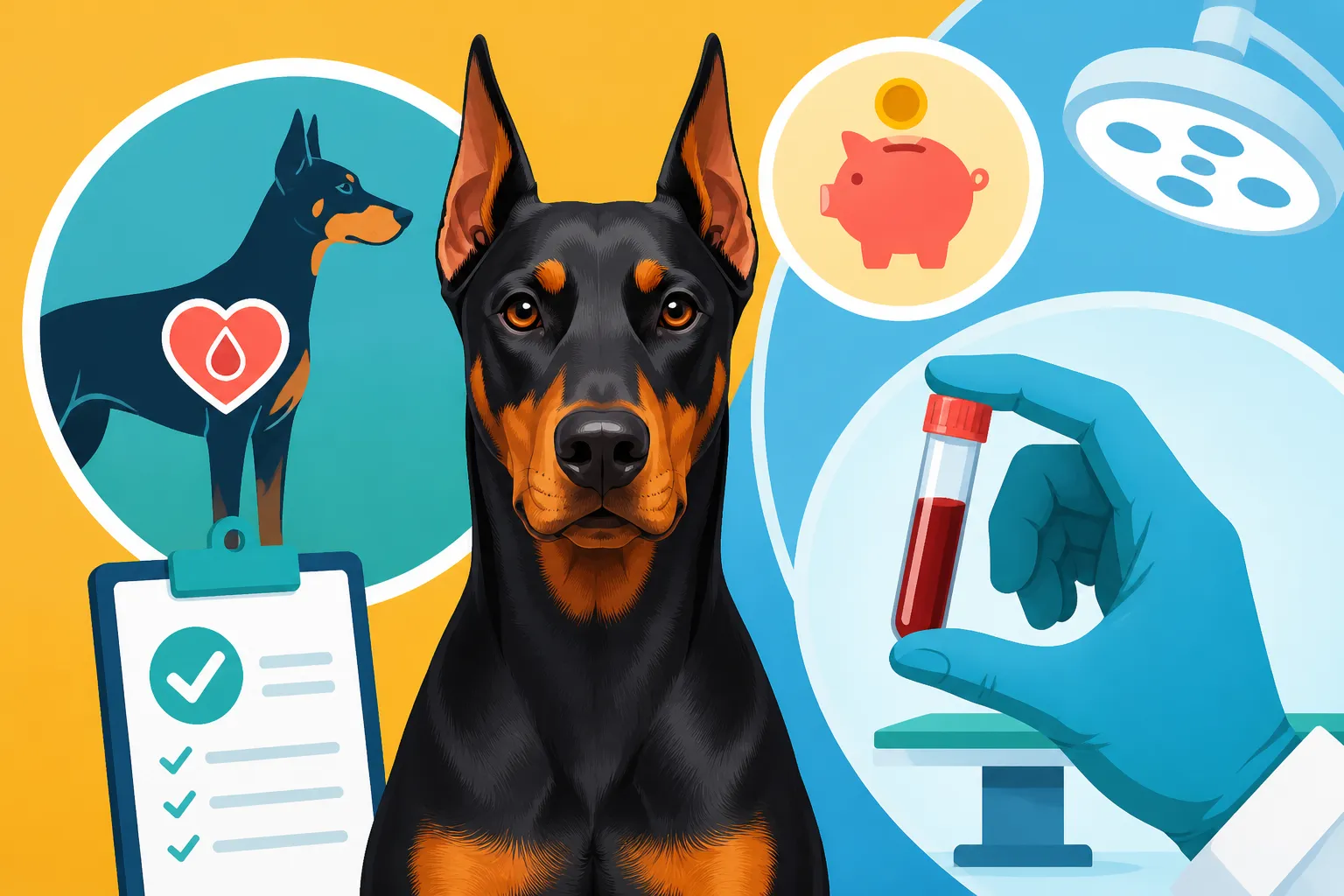
Bringing a Doberman home means embracing a breed known for its elegance, loyalty, and, let's be honest, its specific health considerations. It’s a gut-wrenching moment when your beloved Doberman needs surgery, and naturally, your mind races with concerns – not just about the procedure itself, but also about the potential complications and, yes, the financial implications of ensuring everything goes smoothly. One of the critical pieces of pre-surgical preparation that often comes with a question mark around its cost is the clotting test, a vital step for our Doberman friends. This guide will walk you through why these tests are so important, what factors influence their cost, and how you can navigate this crucial aspect of your Doberman's healthcare.
Why a Clotting Test is Absolutely Crucial for Dobermans Before Surgery
When your Doberman is facing surgery, whether it’s a routine spay or neuter, an emergency procedure, or something more complex, your veterinarian will recommend a battery of pre-anesthetic tests. Among these, for Dobermans especially, a clotting test isn't just a suggestion; it's a non-negotiable step to safeguard their well-being. The reason lies deep within the breed's genetic makeup, which predisposes them to certain bleeding disorders. Ignoring this step could lead to severe, even life-threatening, complications during or after surgery.
Understanding Von Willebrand Disease in Dobermans
The most common and significant bleeding disorder affecting Dobermans is Von Willebrand Disease (vWD). If you're a Doberman owner, you've likely heard this term mentioned, and for good reason. It's a hereditary blood clotting disorder caused by a deficiency in Von Willebrand factor, a protein essential for platelet adhesion and blood coagulation. Essentially, if a Doberman has vWD, their blood doesn't clot properly, meaning even a small cut or surgical incision can result in excessive bleeding.
Imagine the horror of a routine surgery turning into a crisis because your dog cannot stop bleeding. This isn't a hypothetical fear for Doberman owners; it's a very real risk that underscores the importance of pre-surgical screening. Many Doberman lines, particularly in America, carry this gene, making it one of The Bleeding Disorder Almost Every Doberman Line Carries that prospective owners should be acutely aware of. While some affected dogs may show signs of easy bruising or prolonged bleeding from minor injuries throughout their lives, others might never display symptoms until a major event like surgery triggers a bleeding episode. This "silent carrier" aspect is what makes proactive testing so critical.
Beyond Von Willebrand: Other Bleeding Risks
While Von Willebrand Disease takes center stage for Dobermans, it's not the only potential bleeding risk to consider. Other, albeit less common, clotting issues can also occur in any dog, sometimes due to underlying health problems that impact liver function or platelet count. The liver, for instance, produces many of the proteins necessary for blood clotting. If your Doberman has an undiagnosed liver condition, their ability to clot blood could be compromised. This is why a comprehensive pre-anesthetic blood panel often includes tests for liver and kidney function, alongside tests directly assessing clotting ability.
The goal of these tests is to provide your veterinary team with a complete picture of your Doberman's internal health. Knowing about any clotting deficiencies beforehand allows the veterinary team to take preventative measures, such as administering blood products or specific medications, to support proper clotting during the procedure. It’s all about minimizing risk and ensuring the safest possible outcome for your furry family member. You might even notice Bruising and Bleeding in a Doberman from time to time, and understanding the potential causes for this is key.
What Goes Into the Cost of a Doberman Clotting Test
The cost of pre-surgical clotting tests for your Doberman isn't a fixed price tag; it's influenced by several factors, including the type of test, where it's performed, and even your geographic location. Understanding these variables can help you anticipate the expense and have a more informed conversation with your vet.
The Different Types of Clotting Tests Available
Veterinarians have a range of tools at their disposal to assess a Doberman's clotting ability. These can vary in their invasiveness, speed, and cost:
- Buccal Mucosal Bleeding Time (BMBT): This is a quick, in-clinic test where a small, shallow incision is made on the inside of the dog's lip. The time it takes for the bleeding to stop is measured. It's a general indicator of primary hemostasis (platelet function) and can be a good initial screen for vWD or other platelet disorders. It's relatively inexpensive but less specific than other tests.
- Activated Clotting Time (ACT): Another in-clinic test, ACT measures the time it takes for a blood sample to clot in a special tube. It assesses the intrinsic and common pathways of the coagulation cascade. Again, it's a screening test, generally affordable, and provides quick results.
- Prothrombin Time (PT) and Activated Partial Thromboplastin Time (aPTT): These are more specific blood tests that evaluate different parts of the coagulation cascade. They require a blood sample to be sent to a laboratory, offering a more detailed analysis than BMBT or ACT. Their cost is moderate.
- Von Willebrand Factor Antigen (vWF:Ag) Test: This is the gold standard for diagnosing Von Willebrand Disease. It measures the actual amount of Von Willebrand factor in the blood. This test requires a specialized laboratory and is therefore more expensive, but it provides a definitive diagnosis of vWD. This is often accompanied by The Von Willebrand DNA Test for Dobermans, which can tell you if your dog is clear, a carrier, or affected, regardless of current health status. Knowing if your Doberman has Clear, Carrier and Affected Doberman Results from a DNA test can significantly inform your veterinarian's pre-surgical planning.
Here's a quick overview of typical clotting tests:
| Test Type | Purpose | Typical Location | Specificity for vWD | Cost Implication |
|---|---|---|---|---|
| Buccal Mucosal Bleeding Time (BMBT) | General platelet function | In-clinic | Moderate | Lower |
| Activated Clotting Time (ACT) | Intrinsic/common coagulation pathway | In-clinic | Low | Lower |
| Prothrombin Time (PT) | Extrinsic/common coagulation pathway | External lab | Moderate | Moderate |
| Activated Partial Thromboplastin Time (aPTT) | Intrinsic/common coagulation pathway | External lab | Moderate | Moderate |
| vWF:Ag Test | Measures Von Willebrand factor in blood | External lab | High (Diagnostic) | Higher |
| DNA Test for vWD | Identifies genetic mutation for vWD | External lab | High (Predictive) | Moderate to High |
Factors Influencing the Final Bill
Beyond the type of test, several other elements can sway the final cost you'll see on your veterinary bill.
- Geographic Location: Veterinary costs, much like human medical costs, can vary significantly depending on where you live. A clinic in a major metropolitan area might charge more than one in a rural setting, simply due to differences in overheads and local economic factors.
- Veterinary Practice: General practices typically charge less than specialty clinics or emergency veterinary hospitals. If your Doberman requires a highly specialized clotting test or needs to see a veterinary internal medicine specialist or cardiologist for pre-surgical clearance, the costs will naturally be higher.
- Bundled Services: Sometimes, clotting tests are part of a larger pre-anesthetic bloodwork panel. While the individual test cost might seem lower when bundled, the overall package cost will be higher than just a clotting test alone. However, these comprehensive panels are often recommended and beneficial for ensuring overall health prior to Vaccination and Anesthesia in a Doberman.
- Urgency: Emergency situations can incur higher fees. If your Doberman needs an immediate clotting assessment before urgent surgery, the expedited processing might add to the cost compared to a planned procedure where tests can be run during regular business hours.
- External Lab Fees: If your vet sends samples to an external reference laboratory for specialized tests like the vWF:Ag assay or a DNA panel, the lab's fee will be passed on to you, sometimes with an additional handling charge from the clinic. This is common, as not all clinics have the equipment for every single test.
The key takeaway here is that there's no single "price of a Doberman clotting test." It's a dynamic figure that depends on these interconnected factors.
Navigating the Financial Aspect of Pre-Surgical Testing
Facing a medical procedure for your Doberman can be stressful enough without adding financial worries to the mix. However, being prepared and proactive can make a world of difference when it comes to managing the costs associated with pre-surgical clotting tests.
Discussing Costs with Your Veterinarian
The best offense is a good defense, and that applies to vet bills too. Don't hesitate to have an open and honest conversation with your veterinarian about costs upfront. Before any tests are run or procedures scheduled, ask for a detailed, itemized estimate of all anticipated expenses, including the clotting test, any additional bloodwork, anesthesia, the surgery itself, and post-operative medications.
Many clinics are understanding and willing to discuss payment options or help you prioritize tests if finances are a major concern. They might also be able to explain why certain tests are absolutely necessary versus those that might be optional based on your Doberman's specific health profile. A good veterinary team will appreciate your proactive approach and work with you to ensure your Doberman receives the best care within your means. Never be afraid to ask, "What are the essential tests, and what are the 'nice-to-haves' if we're on a tight budget?" For a comprehensive look at the bigger picture, you might want to review What a Doberman Costs Month to Month.
Pet Insurance and Clotting Tests
Pet insurance can be a lifesaver, especially for a breed like the Doberman with its known health predispositions. If you have pet insurance, it's crucial to understand your policy's coverage before the need for surgery arises. Most pet insurance policies will cover pre-surgical diagnostics, including clotting tests, as long as the condition requiring surgery isn't considered pre-existing. This is a critical point: if your Doberman has already shown signs of a bleeding disorder or received a diagnosis of vWD before you enroll them, that condition (and related diagnostics/treatments) might be excluded from coverage.
This is why many Doberman owners opt to enroll their pets in insurance early, ideally when they are puppies, to avoid pre-existing condition exclusions. Companies like Healthy Paws offer various plans, and understanding their terms regarding hereditary conditions and diagnostic tests is key. Call your insurance provider to clarify exactly what your policy covers and what your deductible and reimbursement rates are for diagnostic testing. Having this information upfront means fewer surprises when it comes time to pay the bill. If you're looking to safeguard against future medical expenses, considering Insuring a Doberman Before the Heart Turns is a smart move.
Budgeting for Unexpected Vet Bills
Even with the best planning and pet insurance, unexpected veterinary bills can pop up. Having a dedicated emergency fund for your Doberman's healthcare is one of the most responsible things you can do as an owner. This fund can cover deductibles, co-pays, or expenses for conditions not covered by insurance.
If you find yourself facing significant costs without adequate savings or insurance, don't despair. Many veterinary clinics offer payment plans through third-party providers like CareCredit or Scratchpay. Breed-specific rescues or charitable organizations may also have resources or recommendations for financial assistance in certain circumstances. Additionally, if you purchase supplies or food from retailers like Chewy, some offer discounts or loyalty programs that can indirectly help save money on overall pet care expenses, freeing up funds for medical needs. While not a direct solution for a clotting test, every little bit helps in managing the overall What a Doberman Costs Month to Month. For specialized nutritional support, particularly for recovery, exploring options from companies like Ollie might also be beneficial, though always with veterinary guidance.
Preparing Your Doberman for Surgery: Beyond the Clotting Test
While the clotting test is a vital component of pre-surgical preparation for a Doberman, it's part of a larger picture of ensuring your dog is as healthy and safe as possible for their procedure. A holistic approach involves thorough diagnostics, open communication, and careful post-operative planning.
Comprehensive Pre-Anesthetic Bloodwork
Beyond clotting factors, a full pre-anesthetic blood panel typically assesses several other critical components of your Doberman's health. This includes a complete blood count (CBC), which checks red and white blood cell levels, indicating potential anemia, infection, or other systemic issues. A chemistry panel evaluates organ function, such as the kidneys and liver, ensuring they can metabolize anesthetic drugs safely and recover well. Electrolyte levels are also important to check for any imbalances that could affect heart function or recovery.
These tests, while adding to the overall cost, provide an invaluable safety net. They help identify any underlying conditions that might complicate anesthesia or recovery, allowing your vet to adjust the anesthetic protocol or delay surgery if necessary to stabilize your Doberman's health. Knowing what these tests entail is part of being a prepared owner, especially when you consider What Doberman DNA Panels Cost for other breed-specific concerns.
The Importance of a Detailed Health History
Before any surgery, your veterinarian will ask for a comprehensive health history of your Doberman. Be as detailed and honest as possible. This includes any past illnesses, injuries, medications (including supplements), changes in appetite or energy, and any family history of genetic conditions. If you've ever seen your Doberman bleed longer than expected from a minor cut, or noticed unexplained bruising, definitely bring it up. This information is crucial for your vet to tailor the diagnostic plan, anesthetic protocol, and surgical approach to your dog's individual needs.
For Dobermans, specifically, if you know anything about the vWD status of their parents or if they've had a DNA test, share those results. This transparency helps your veterinary team anticipate and mitigate risks. A well-informed vet is your Doberman's best advocate. Understanding how to interpret documentation like Reading a Doberman Breeder's Heart Paperwork can be vital for this.
Post-Operative Care Considerations
Knowing your Doberman's clotting status, and any other health information gleaned from pre-surgical testing, significantly impacts post-operative care. If your Doberman is identified as having a clotting disorder, your vet will implement specific protocols during surgery to manage bleeding and will likely advise extra vigilance during the recovery period. This might include instructions for limiting activity, monitoring incision sites for excessive bleeding, and recognizing signs of internal hemorrhage.
Planning for post-operative care also means thinking about comfort, nutrition, and medication. Your Doberman will need a quiet, comfortable space to recover. Soft bedding, easy access to food and water (perhaps a prescription diet if recommended by your vet, which can be found through various retailers including Chewy or Ollie), and diligent administration of pain medication are all part of the recovery process. The goal is a smooth, uneventful recovery, and taking all these pre-surgical steps, including the critical clotting test, is your best bet for achieving it. While it's daunting to think about, anticipating the needs for Surgery on a Doberman With a Clotting Problem allows you to be better prepared for their healing journey.
Disclaimer
This article is for general informational purposes only and does not constitute professional advice. Laws, prices and regulations vary by location and change over time. Consult a qualified professional for guidance on your specific situation.