What an Abnormal Echo Does to a Doberman Policy
Receiving an abnormal echocardiogram report for your beloved Doberman can feel like a punch to the gut. You've likely invested time, love, and significant resources into their care, often including regular health screenings specifically because Dobermans are prone to certain genetic conditions. When the vet delivers news of an abnormal echo, your immediate concern is your dog's health, but quickly, the practical worry of how this will affect your pet insurance policy — a policy you depend on to help manage these very health issues — rears its head. This guide is here to help you navigate the often-confusing landscape of pet insurance after your Doberman receives an abnormal heart screening result, explaining the potential impacts and outlining your path forward.
Understanding Doberman Heart Disease and Echo Screenings
The Doberman breed is known for its susceptibility to Dilated Cardiomyopathy (DCM), a devastating heart condition that often progresses silently before symptoms become apparent. This reality means responsible Doberman owners proactively screen their dogs, hoping to catch any issues early. An echocardiogram, or "echo," is one of the most vital tools in this preventative care.
Why Dobermans Need Heart Screening
DCM in Dobermans is not just a risk; it's a tragic reality for far too many. It's considered The Heart Disease That Reaches Most Dobermans, with estimates suggesting a significant percentage of the breed will be affected. The insidious nature of DCM means that your dog can appear perfectly healthy, full of energy, and show no outward signs of illness while their heart is silently undergoing changes. This is why regular screening, even in seemingly healthy dogs, is paramount. Many dedicated owners begin regular screenings as early as two or three years old, understanding that early detection can be key to better management and potentially extending their Doberman's quality of life. Without this vigilance, the disease can progress to an advanced stage before any visible symptoms like coughing, lethargy, or fainting emerge, at which point treatment options may be more limited and the prognosis more guarded. It’s a heartbreaking position no owner wants to find themselves in, making preventative screening an act of profound love.
What an Echocardiogram Reveals
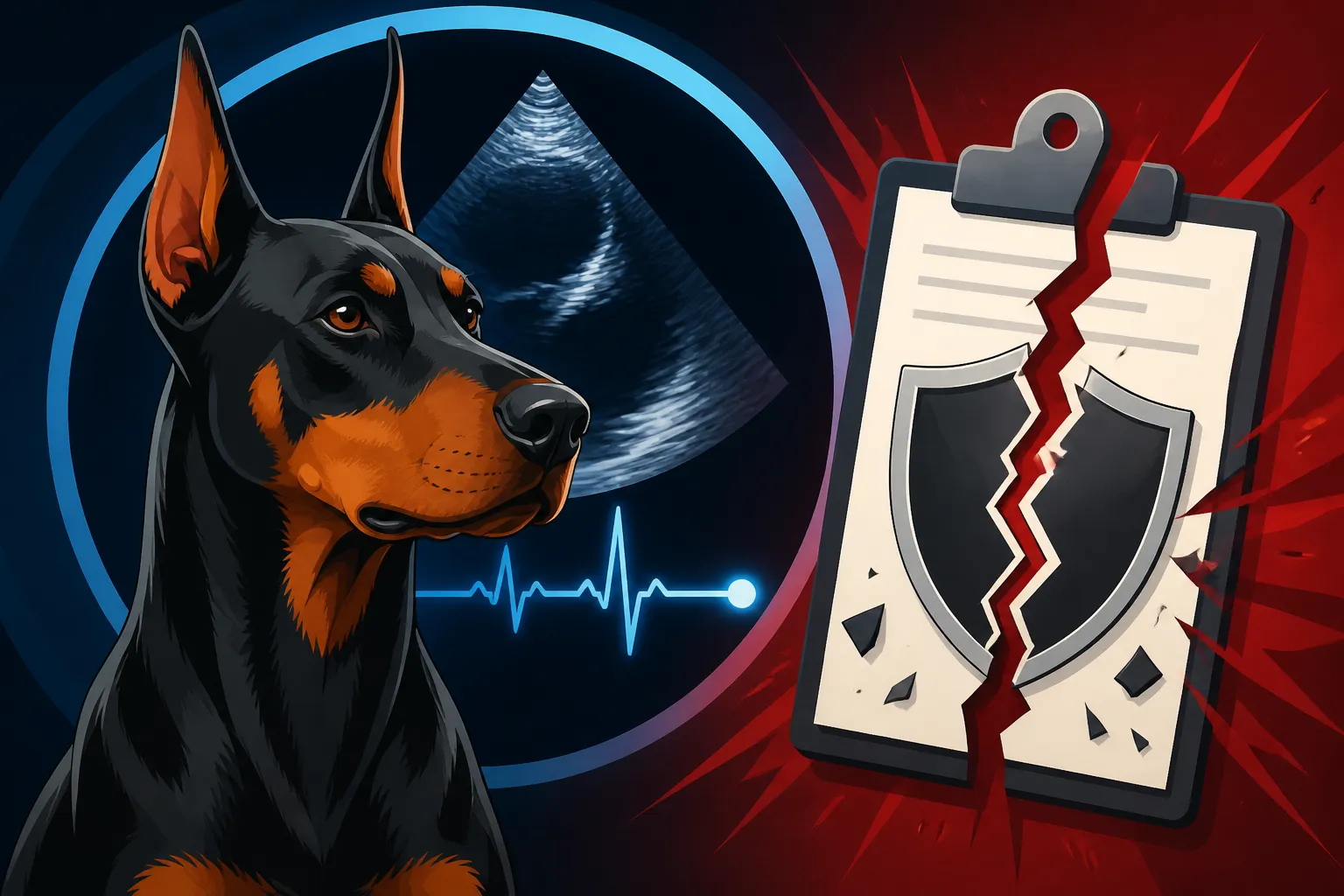
An echocardiogram is essentially an ultrasound of the heart. It provides a real-time, moving image of your Doberman's heart, allowing a veterinary cardiologist to assess its structure and function. They look at the size of the heart chambers, the thickness of the muscle walls, and how effectively the valves are working. For Dobermans, the cardiologist is particularly interested in identifying signs of dilation (enlargement) of the ventricles, as well as reduced contractility – how well the heart muscle squeezes to pump blood. They might also look for abnormal blood flow.
An "abnormal" echo result means that the cardiologist has identified something outside the normal parameters for a Doberman of your dog's age and size. This could range from subtle changes in heart chamber dimensions that are pre-clinical (meaning no outward symptoms yet) to more pronounced signs of early-stage DCM. It's a critical piece of information that flags your Doberman as having potential or definite heart issues, even if they're not yet symptomatic. This detailed assessment is invaluable for early intervention, but it also creates a definitive medical record that can significantly impact future insurance claims. Understanding What a Doberman Echo Actually Measures helps you appreciate the depth of information revealed by this diagnostic tool.
The Immediate Impact of an Abnormal Echo on a Doberman's Insurance
This is where the rubber meets the road for many Doberman owners. Pet insurance is designed to help with unexpected veterinary costs, but it has very specific rules about pre-existing conditions. An abnormal echo, even if your dog is asymptomatic, generally falls squarely into this category.
Pre-Existing Condition Clauses and Dobermans
The moment an abnormal finding is recorded in your Doberman's veterinary medical history, even if it's just a subtle change noted by a cardiologist, it can become a "pre-existing condition" for insurance purposes. This is especially true for breed-specific conditions like DCM. Most pet insurance policies explicitly exclude coverage for conditions that were present or showed symptoms before the policy's start date or before the expiration of a waiting period. This means if you had insurance in place before the echo, and the condition wasn't noted or suspected prior, you might be in the clear for that specific policy. However, if you were considering getting insurance, or if your current policy has a clause about a "known condition" arising during a waiting period, things get complicated.
Imagine a scenario: You've been diligent about Annual Echo and Holter Screening for a Doberman since your Doberman turned three. You get a clean bill of health for several years. Then, at age five, an echo reveals mild left ventricular dilation, which the cardiologist notes as "consistent with early-stage DCM." If your insurance policy was active before this finding and has no exclusions for Doberman heart disease, you might find treatment covered. But if you only sought insurance after this five-year-old echo, or if your policy had a very long waiting period that hadn't expired, the DCM diagnosis would almost certainly be deemed pre-existing, making all subsequent DCM-related care ineligible for reimbursement. It's a frustrating but common reality.
Policy Cancellation or Exclusion of DCM Coverage
It's rare for an insurance company to outright cancel an existing policy solely due to an abnormal echo finding, especially if the policy was already in force and the condition wasn't known prior. However, what is far more common is the exclusion of coverage for that specific condition. If your Doberman's echo reveals early signs of DCM, your current insurer will likely flag Dilated Cardiomyopathy and any related cardiac issues as pre-existing, meaning any future veterinary bills for this condition will not be covered. They might continue to cover other, unrelated illnesses or accidents, but the heart disease itself will be off-limits. This is often the case even if your Doberman doesn't show any outward symptoms of heart failure for years, sometimes not until The Doberman Years When Everything Shows Up.
This can be incredibly disheartening. You might have been paying premiums for years, expecting coverage for serious breed-specific issues, only to find that the very thing you were preparing for is now excluded. It’s crucial to thoroughly review your policy's terms and conditions, specifically the sections on pre-existing conditions and breed-specific exclusions, the moment you receive an abnormal echo result. Some policies are more lenient than others, but it's important to have realistic expectations.
The Waiting Period Trap
Waiting periods are often overlooked by pet owners until they suddenly become a critical factor. When you first enroll your Doberman in a pet insurance policy, there's typically a waiting period – a set number of days (e.g., 14 days for illness, shorter for accidents) before coverage for new conditions begins. If your Doberman has an echo that turns up an abnormality during this waiting period, or if the vet notes symptoms that later lead to a diagnosis of DCM within that period, the condition will be considered pre-existing.
For example, if you enroll your Doberman with Healthy Paws and then, a week later, they have an echo that shows signs of heart enlargement, any future claims related to that heart condition will almost certainly be denied due to the waiting period clause. Even if you rush to get an echo done after enrolling, if the condition was detectable or showing sub-clinical signs during the waiting period, it's a "known" issue in the insurer's eyes. This is why many experienced Doberman owners stress the importance of Enrolling a Doberman Before Its First Echo or as early in their lives as possible, preferably before any health concerns are noted. The timing of when a condition is discovered relative to your policy's start date and waiting periods is paramount.
Navigating Insurance Options After a Doberman's Abnormal Echo
So, you have an abnormal echo, and your current or prospective insurance policy has either excluded DCM or won't cover it. What are your options? It's a challenging situation, but not entirely hopeless.
Exploring Alternative Insurance Providers
Once your Doberman has a documented abnormal echo, finding a new comprehensive pet insurance policy that will cover Dilated Cardiomyopathy or any related heart condition becomes extremely difficult, if not impossible. Any new insurer will consider DCM a pre-existing condition based on your Doberman's medical records. They will ask for your dog's full vet history, and that abnormal echo will stand out like a beacon. You might be able to find policies that will cover new, unrelated conditions, but the very issue you're most concerned about will likely be excluded.
Some companies might offer specific "accident-only" plans, which won't cover illnesses like DCM but could help with unexpected injuries. Others might have very limited wellness plans, but these typically don't cover major illness treatments. It’s crucial to be completely transparent with any new insurer about your Doberman's health history. Attempting to hide a pre-existing condition will almost certainly lead to future claim denials and potentially policy cancellation. Even if you switch providers, the impact of Why a Doberman Heart Result Ends Coverage for that specific issue is widespread.
Condition-Specific vs. Comprehensive Policies
While traditional comprehensive pet insurance policies will generally exclude DCM once an abnormal echo is noted, there might be niche options or supplemental programs worth investigating. Some human health insurance companies offer specific plans for individuals with chronic conditions. While this isn't common in pet insurance, it's an evolving market. You might find policies that offer limited coverage for chronic conditions if they were managed for a certain period without symptoms, but for a breed-specific, progressive disease like Doberman DCM, these are rare.
It's more likely that you'll be looking at how your existing policy (if you have one) will continue to cover other health issues. For example, if your Doberman develops an ear infection or breaks a leg, these unrelated issues might still be covered, which is better than nothing. However, the costs associated with managing DCM, such as regular cardiologist visits, medications like pimobendan, and specialized diagnostics, will typically fall solely on your shoulders. It's a stark reminder that Whether Any Insurer Excludes Doberman Heart Disease based on the timing of diagnosis is a major consideration.
Long-Term Financial Planning and Management
Even with an abnormal echo, your Doberman can still live a full and happy life for many years, especially with diligent management. This will, however, come with significant financial considerations. Proactive planning is essential.
Building an Emergency Fund for Doberman Heart Care
Since insurance coverage for your Doberman's heart condition will likely be limited or non-existent after an abnormal echo, it becomes critical to prepare financially for the long haul. This means building a dedicated emergency fund. Think about the potential costs:
- Regular cardiologist visits: These are specialized appointments.
- Diagnostic tests: Repeated echoes, Holter monitoring, blood tests (like NT-proBNP) to monitor disease progression.
- Medications: Many Dobermans with DCM require daily medication for the rest of their lives. These can include ACE inhibitors, diuretics, and antiarrhythmics.
- Emergency care: If your Doberman goes into heart failure, requires oxygen therapy, or collapses, emergency vet visits and overnight stays are very expensive.
Having a separate savings account for these costs is invaluable. Even setting aside a small amount each month can add up. Consider how much Lifetime Heart Medication for a Doberman might cost, for instance, and work that into your budget. When budgeting for your Doberman's long-term care, tools from companies like Chewy can be helpful for setting up auto-shipments for prescription foods or medications, sometimes at a slight discount, which can add up over time. This kind of planning alleviates some of the financial stress during an already emotionally taxing time.
| Financial Planning Strategy | Description | Best For | Considerations |
|---|---|---|---|
| Emergency Savings Account | Dedicated fund for veterinary emergencies and ongoing care, separate from other savings. | Owners with stable income who can save consistently. | Requires discipline; growth depends on contributions. |
| Credit Card with Low APR | Used for immediate large expenses; pay off quickly to avoid high interest. | Emergency situations where cash isn't immediately available. | Can accumulate debt rapidly if not managed carefully. |
| Veterinary Payment Plans | Some clinics offer installment plans for large bills, or partner with services like CareCredit. | Owners facing a sudden, large bill. | Interest rates can vary; not all services offer this. |
| Breed-Specific Rescues/Funds | Certain Doberman rescues or foundations might offer financial assistance for DCM treatment. | Owners facing significant financial hardship. | Resources are often limited and application-based; not guaranteed. |
| Pet Wellness Plans | Subscription plans offering discounts on routine care, sometimes including screening. | Owners who want to budget for predictable routine costs, not for emergency DCM treatment. | Typically do not cover actual treatment for diagnosed conditions. |
Managing the Ongoing Costs of DCM
Living with a Doberman diagnosed with DCM means accepting that there will be ongoing, significant costs. Regular check-ups with a cardiologist, often every 3-6 months, are crucial to monitor the progression of the disease and adjust medication as needed. For dogs in the occult (pre-symptomatic) phase, drugs like Pimobendan Before a Doberman Shows Signs might be recommended, which, while beneficial, are an additional expense. Once symptoms appear, the medication regimen often expands, and the frequency of vet visits increases.
This is where the "lifestyle blogger" hat really comes on – it’s about making smart choices where you can. For instance, while a specialized diet isn't a cure for DCM, some Doberman owners explore fresh food options from services like Ollie, collaborating with their vet to ensure the diet supports overall health and doesn't interfere with heart medications. While such diets aren't cheap, they represent a commitment to holistic well-being. Additionally, finding online pharmacies or large pet retailers like Chewy for regular prescription refills can sometimes lead to cost savings compared to purchasing directly from your vet. Creating a detailed budget that accounts for these recurring costs, combined with your emergency fund, provides a much-needed sense of control in an otherwise unpredictable situation. It truly comes down to Setting Money Aside for a Doberman's Heart. Understanding that How Long a Doberman Lives After a DCM Diagnosis can vary greatly also underscores the importance of being prepared for extended periods of care.
Disclaimer
This article is for general informational purposes only and does not constitute professional advice. Laws, prices and regulations vary by location and change over time. Consult a qualified professional for guidance on your specific situation.