A Doberman That Will Not Let Anyone Near the Car
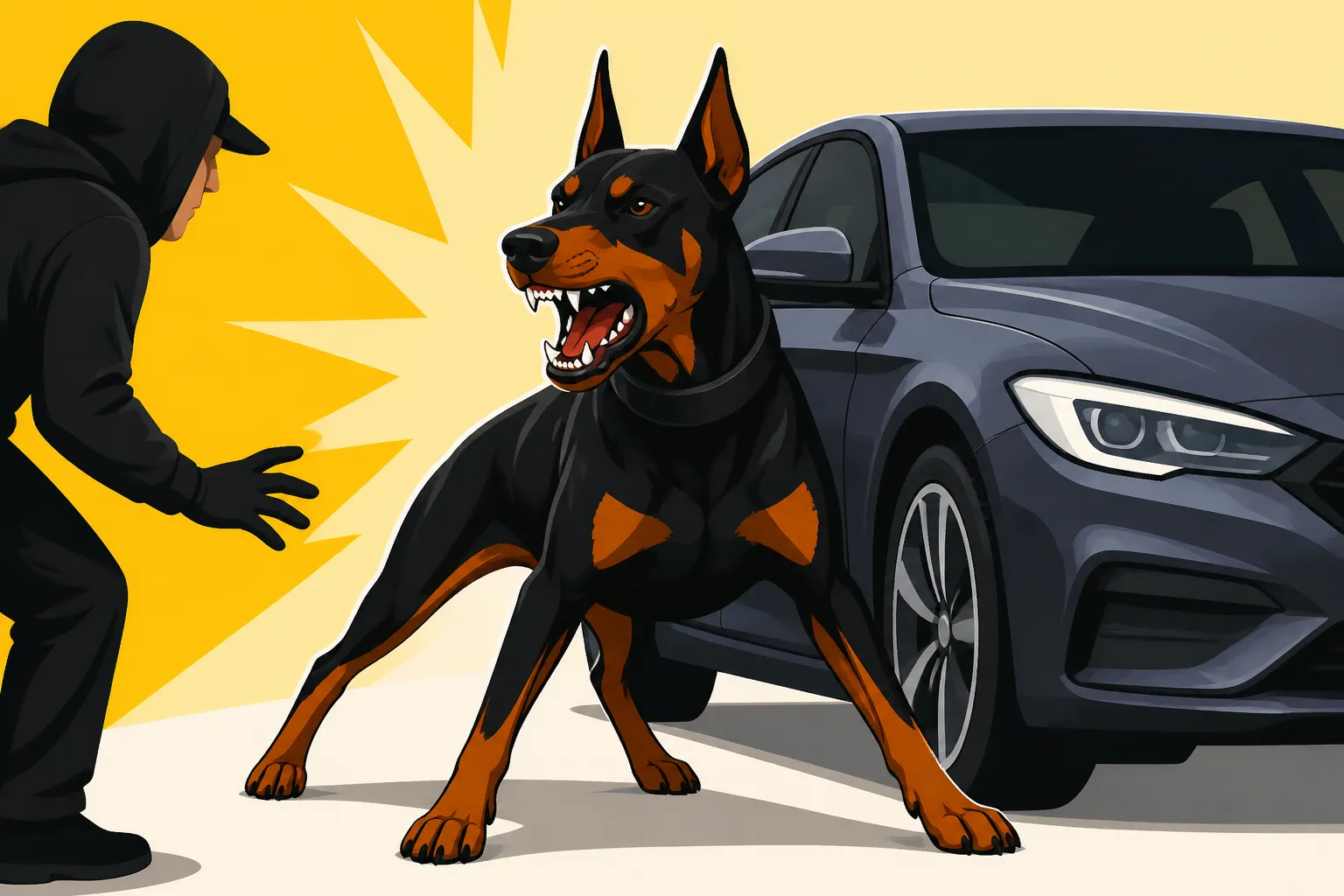
It’s a scenario many Doberman owners dread: you pull up somewhere, maybe to pick up a friend or just park, and the moment someone new approaches your vehicle, your otherwise well-behaved Doberman transforms. Suddenly, there’s barking, lunging, maybe even growling or snapping from inside the car, creating an incredibly stressful and frankly embarrassing situation. This guide is here to help you understand why your Doberman might be guarding the car, how to recognize the signs, and, most importantly, provide actionable strategies to manage and ultimately resolve this challenging behavior, ensuring safety and peace of mind for everyone.
Understanding Why Your Doberman Guards the Car
The car can be a strange and complex environment for a dog. It's a confined space, a moving bubble, and often, a place associated with specific events. For a Doberman, whose instincts are deeply rooted in protection and territoriality, the car can easily become an extension of their perceived "home" or "den," leading to guarding behaviors that might seem perplexing to us.
The Doberman's Innate Protective Instinct
Let's face it, Dobermans were originally bred for personal protection and guarding. They have a powerful, ingrained sense of responsibility to protect their family and their territory. This isn't just a quaint historical fact; it’s a living, breathing part of their genetic makeup. When they’re in the car with you, you are their immediate "pack," and the car itself becomes a mobile fortress that they feel compelled to defend. It’s their job, as they see it, to keep intruders away from their precious cargo – you and the space you share. This isn't aggression for aggression's sake; it's an instinct that, without proper guidance and socialization, can manifest in ways that are socially unacceptable and potentially dangerous.
This deep-seated instinct means that what might be a minor issue in another breed can be significantly amplified in a Doberman. They are constantly observing their environment, making split-second judgments about threats. A stranger simply walking past the car, or someone approaching to chat with you, can be perceived as a potential threat. Their natural confidence and physical presence mean their warnings are often quite intimidating, which can unfortunately reinforce the behavior if people back away, making your Doberman feel like their guarding worked.
Negative Associations and Fear-Based Reactivity
While protection is a core Doberman trait, sometimes car guarding stems from fear or negative experiences rather than pure territoriality. Imagine your Doberman's only car trips are to the vet for shots or an unpleasant procedure. Or perhaps they experienced car sickness, making every ride nauseating. Over time, the car itself can become a source of anxiety, and the arrival of a stranger can push that anxiety over the edge into a reactive, defensive display. They might be trying to make the "scary thing" go away, not out of malice, but because they feel trapped and overwhelmed.
Even seemingly minor incidents can contribute. A sudden brake, a loud horn, or being startled by a person tapping on the window can create a negative association. If your Doberman feels vulnerable or uncomfortable in the car, an approaching stranger might trigger a defensive reaction, barking and lunging to create distance. It’s their way of saying, "Stay away! I don't feel safe here." Understanding this nuance is critical because fear-based reactivity requires a different approach than pure resource guarding or territoriality, focusing more on building confidence and positive emotional responses.
Resource Guarding the "Mobile Den"
Think of your car as a highly coveted, small den on wheels. For some Dobermans, the car, and everything in it (especially you!), becomes a high-value resource they feel compelled to guard. Resource guarding isn't just about food or toys; it can extend to space, people, and even objects that they perceive as belonging to them. In the confined space of a car, this instinct can become particularly intense. There’s no easy escape route for them, and they are essentially "on display" to the outside world, making them feel exposed and heightening their need to control their immediate environment.
This type of guarding can be triggered by anyone approaching the car, whether it’s a gas station attendant, a pedestrian, or even a family member they don't see as part of their immediate "car-pack." The dog perceives these individuals as threats to their valuable space or their people. The behavior is often reinforced when people retreat, unknowingly teaching the Doberman that their aggressive display successfully kept the "intruder" at bay. It’s a vicious cycle that needs careful intervention, focusing on teaching your Doberman that approaching people are not a threat to their resources, but rather a potential source of good things.
Recognizing the Signs of Car Guarding
Spotting the early warning signs of car guarding in your Doberman is absolutely crucial. These dogs are masters of subtle communication, and often, we miss the quiet cues before they escalate to more overt and concerning behaviors. Learning to read your Doberman's body language in the car can make all the difference in preventing stressful situations and addressing the problem proactively.
Subtle Warnings and Escalating Behaviors
Before your Doberman barks and lunges, there are usually subtle signals that indicate their discomfort or intent to guard. These can include a stiffening of their body, a hard, fixed stare directed at the approaching person, or a low, rumbling growl that might be barely audible. You might notice their ears (even if cropped, you can see tension) become more alert and forward, their tail might stiffen or stop wagging, or they might even lip-lick or yawn out of stress. These are all attempts to communicate their unease before feeling the need to escalate.
If these early warnings are ignored, or if the perceived threat continues to approach, the behavior will almost certainly escalate. This can manifest as louder, more intense barking, lunging against windows or restraints, snarling, snapping, or, in severe cases, attempting to bite if a person gets too close. It’s vital to understand that this escalation isn’t malicious; it’s a desperate attempt to create distance and ensure safety, as your Doberman perceives it. The goal is to intervene when the signals are subtle, helping your dog feel secure before they feel the need to resort to such extreme measures.
Body Language Cues Specific to Car Scenarios
Observing your Doberman's body language in a confined car space requires keen attention. Unlike an open park, the car limits their movement and can obscure some cues. For Dobermans with cropped ears, for instance, you might miss the subtle ear changes that an uncropped dog would display. Instead, look at their eyes: a hard stare, dilated pupils, or "whale eye" (where the whites of their eyes are visible) are strong indicators of tension or anxiety. Their mouth might be tightly closed, or their lips pulled back in a snarl.
Pay close attention to their posture. Are they stiffening their legs, bracing themselves, or leaning forward with tense muscles? Is their hackle (the fur along their spine) slightly raised, even just a little? A low, tense tail, or one held stiffly, also indicates stress or impending reactivity. Sometimes, a Doberman might even shake or tremble slightly if they are very anxious. Noticing these specific cues, particularly in the limited view of a car, helps you gauge their emotional state and anticipate their reactions. Understanding What Cropped Ears Hide About a Doberman's Mood can be very helpful here, as you'll learn to rely on other signals.
Strategies for Desensitizing and Counter-Conditioning
Addressing car guarding isn't about punishment; it's about changing your Doberman's emotional response to approaching people when they're in the car. We want them to associate visitors with positive things, rather than feeling the need to guard. This process takes time, patience, and consistency, but it is incredibly rewarding.
Starting Small: Building Positive Associations with the Car
The first step is to break down the "car experience" into tiny, manageable pieces and associate each piece with something wonderful. Don't even start with people approaching yet. Begin by simply having your Doberman near the car, giving them high-value treats and praise. Then, open the car door, toss a treat inside, and let them explore at their own pace. Don't force them in. Your goal is for them to see the car as a source of good things, a place where delicious treats magically appear.
Once they're comfortable getting in and out, try sitting in the car with them, engine off, just for a few minutes. Again, plenty of treats and quiet praise. Gradually work up to turning the engine on, then short drives around the block. Always end on a positive note, with your Doberman calm and happy. This desensitization process, making the car a neutral or positive place, is the foundation. You might find it helpful to practice similar "settle" exercises at home, teaching them to relax in a designated spot. Teaching a Doberman to Settle in Another Room can provide a great framework for this kind of calm, focused training.
Gradual Exposure to Approaching People
Once your Doberman is comfortable with the car itself, you can introduce controlled exposure to people. This is where counter-conditioning comes in: changing their negative emotional response (guarding) into a positive one (anticipating good things). Start with a trusted friend or family member who understands the protocol. Have your Doberman in the car, preferably in a secured crate or with a car harness for safety, and the car parked somewhere calm. Have your friend simply walk past the car at a distance where your Doberman notices them but doesn't react. The moment your Doberman looks at the person, quietly reward with a high-value treat. The person should continue walking by, ignoring your Doberman.
Repeat this many times, gradually decreasing the distance of the approach. The key is to keep your Doberman under threshold – meaning they see the person but don't feel the need to bark or lunge. If they react, the person is too close, and you need to increase the distance again. Eventually, your friend can stop briefly near the car, perhaps even toss a treat into the car (if your Doberman is calm enough to take it) before walking away. The goal is for your Doberman to think: "Oh, a person! That means treats!" instead of "Oh no, a person! I need to protect!" Consistency is paramount, and it's essentially an extension of early socialization efforts you might have done as a puppy. For younger dogs, Exposing a Doberman Puppy to Strangers highlights the importance of these early positive introductions.
Creating a Safe Space Inside the Car
One of the most effective strategies for managing car guarding, especially in a Doberman, is to create a clearly defined and comfortable safe space for them within the vehicle. This can be a sturdy, crash-tested dog crate or a high-quality car harness and seatbelt attachment. Not only does this provide a physical barrier, preventing them from lunging at passersby, but it also gives them a sense of security and containment. A confined space can paradoxically make some dogs feel safer, as it mimics a den.
Introduce the crate or harness slowly, making it a positive experience. Feed meals inside the crate, put favorite toys in there, and use calming pheromone sprays or a familiar blanket from home. This dedicated space helps reduce anxiety by giving them a predictable, secure area. Many excellent options for crash-tested crates and car harnesses can be found on platforms like Amazon. When choosing a crate, make sure it's appropriately sized for your Doberman's adult dimensions to ensure comfort and safety. You can find useful guidelines on Crate Sizing for a Doberman at Full Height to ensure you get the right fit. This safe zone can be a game-changer, allowing your Doberman to observe the world without feeling the immense pressure to actively guard.
Management Techniques for Immediate Safety
While you're working on desensitization and counter-conditioning, immediate management is essential to prevent incidents and ensure everyone's safety. These techniques are about controlling the environment and your Doberman's access to triggers, not a long-term solution, but crucial for keeping things calm in the interim.
Physical Barriers and Restraints
The most direct way to manage car guarding is through physical barriers and restraints. For a Doberman, a secure car crate is often the gold standard. A robust crate, secured within your vehicle, prevents them from reaching windows or lunging at people. It also offers significant protection in case of an accident. If a crate isn't feasible, a crash-tested car harness combined with a seatbelt attachment is the next best option. These keep your Doberman safely contained and prevent them from roaming freely or interfering with your driving.
Consider also window guards or shades, especially if your Doberman guards excessively at visual stimuli. These can reduce the triggers your dog sees, lowering their overall arousal. For larger SUVs or minivans, a sturdy dog gate that separates the cargo area from the passenger cabin can also be effective. The goal is to make it impossible for your Doberman to physically engage with the perceived threat, thus preventing the unwanted behavior from being practiced and reinforced. Remember, safety isn't just about preventing bites; it's about preventing distractions that could lead to accidents. Choosing the right equipment, especially for a strong Doberman, is vital, and you'll find plenty of robust options for Car Restraints for an Eighty-Pound Doberman.
Environmental Management and Avoiding Triggers
Beyond physical restraints, smart environmental management can significantly reduce car guarding incidents. This means being strategic about where and how you park, and how you interact with your Doberman in the car. If you know your Doberman guards people walking past, try parking in less busy areas of a parking lot, or backing into a space where the side your dog is on faces away from pedestrian traffic. Consider parking further away from entrances or busy walkways.
When possible, load and unload your Doberman in a quiet spot before driving into a busy area. If you need to stop for gas or run a quick errand, and your Doberman is prone to guarding, consider leaving them at home or having someone else present to manage them while you're away from the vehicle. Never leave a Doberman prone to guarding unattended in a car where people might approach, as this creates a dangerous situation for both your dog and the public. These simple adjustments can prevent your Doberman from getting into a heightened state of arousal and practicing their guarding behavior.
Muzzle Training for High-Risk Situations
While the ultimate goal is to reduce or eliminate the guarding behavior, there will be times when you simply cannot avoid a high-risk situation, or when you are still in the early stages of training. In these instances, positive muzzle training can be an invaluable safety tool. A well-fitted basket muzzle allows your Doberman to pant, drink, and even take treats, but prevents them from biting. It’s a temporary safeguard that gives you peace of mind and allows you to continue training safely.
It's crucial to introduce a muzzle in a positive way, associating it with good things, rather than just forcing it on them when they're already stressed. Start with short durations, offering treats through the muzzle, gradually increasing the time they wear it. Never use the muzzle as punishment. When your Doberman willingly puts their nose into the muzzle for a treat, you're on the right track. Many Doberman owners find muzzle training an essential part of responsible ownership, especially for vet visits or other potentially stressful situations where reactivity might occur. Don't wait until you need it; start positive muzzle training now. For a detailed guide on this, refer to Muzzle Training a Doberman Before It Is Needed.
Seeking Professional Guidance
Let's be honest, dealing with a Doberman that guards the car can be incredibly frustrating and sometimes even scary. There’s no shame in admitting you need a little help, especially with a breed as intelligent and powerful as a Doberman. Sometimes, despite your best efforts, you might feel stuck or that the behavior is escalating beyond your control. That's when it's time to bring in the pros.
When to Call a Certified Professional
You should seriously consider contacting a certified professional if:
- The guarding behavior is escalating: If your Doberman's growls are turning into snaps, or if they've made contact with someone, it's an urgent situation.
- You feel unsafe: Your safety, and the safety of others, is paramount. If you're constantly on edge or avoiding car trips because of the guarding, professional help is needed.
- Your attempts at training aren't working: If you've been consistent with desensitization and counter-conditioning for weeks or months and see no improvement, or even a worsening, it's time for expert intervention.
- There's an underlying anxiety component: If your Doberman shows signs of generalized anxiety, car sickness, or other fear-based issues that complicate the guarding, a professional can help diagnose and address these root causes.
A certified professional can assess your Doberman's specific situation, identify triggers you might have missed, and create a tailored training plan. They can also rule out any underlying medical conditions that might be contributing to the behavior. This isn't just about training; it's about understanding your dog holistically.
What to Look for in a Doberman-Savvy Trainer
Not all trainers are created equal, and for a Doberman, you need someone who truly understands the breed's temperament, intelligence, and potential for strong guarding instincts. Here’s what to look for:
- Positive Reinforcement Focus: Insist on a trainer who uses force-free, positive reinforcement methods. Harsh corrections or punishment can exacerbate fear and aggression, especially in a sensitive breed like the Doberman, potentially destroying trust.
- Experience with Guardian Breeds: Look for trainers who have specific experience working with Dobermans, Rottweilers, German Shepherds, or other guardian breeds known for their protective tendencies and reactivity. They'll understand the nuances that come with these dogs.
- Certified and Credentialed: Look for certifications from reputable organizations (e.g., KPA CTP, CPDT-KA, CBCC-KA). These indicate a commitment to ethical, science-based training.
- Behaviorist vs. Trainer: For severe or complex guarding issues, a Certified Professional Dog Behaviorist (CPDT-KSA, CDBC) or a Veterinary Behaviorist (DACVB) might be necessary. These professionals have more extensive education in animal behavior and can work with your vet if medication is deemed appropriate.
Don't be afraid to interview potential trainers, ask for references, and observe a session. Your Doberman is a significant part of your life, and investing in the right professional guidance is an investment in both their well-being and your peace of mind. Resources like Finding a Trainer Who Has Worked With Dobermans can help you narrow down your search for the right fit. Additionally, online training platforms like BAXTER & Bella offer comprehensive programs and resources that can provide excellent foundational training and support, which can be a great starting point before seeking in-person help if your issues are moderate.
Preventing Car Guarding in Doberman Puppies
The best way to deal with car guarding is to prevent it from developing in the first place! For Doberman puppies, this means being incredibly intentional about their early experiences and socialization, ensuring they see the car and approaching strangers as non-threatening, even positive, parts of their world.
Early Positive Car Experiences
From the moment you bring your Doberman puppy home, start making the car a wonderful place. Don't let their first few car rides be solely associated with scary vet visits. Instead, introduce the car with enthusiasm and plenty of high-value treats. Let them explore the parked car, sniffing around, and reward their curiosity. Play gentle games around the car, toss treats into a crate inside the car, and just spend relaxed time with them in and around the vehicle.
Once they're comfortable, take short, pleasant drives to fun destinations – a local park for a walk, a friend's house for playtime, or even just a quick trip for a special puppuccino. Always make the destination and the experience itself positive. This builds a strong foundation where the car is seen as a means to enjoyment, not fear or stress. The early weeks of a Doberman's life are absolutely critical for shaping their entire outlook, and positive exposure during The Sixteen Weeks That Set a Doberman Up can make a huge difference.
Socialization and Desensitization to Novelty
Beyond just the car itself, a well-socialized Doberman puppy is less likely to develop fear-based guarding issues. Expose your puppy to a wide variety of people, sights, sounds, and environments in a controlled and positive manner. This includes different types of people (men, women, children, people with hats, people with glasses), different vehicles, and various sounds they might encounter while in a car. The more positive experiences they have with novelty, the less likely they are to perceive new things as threats.
Teach your puppy polite greetings with strangers from an early age. Encourage calm acceptance rather than frantic excitement or fearful retreat. Reward them for settling and ignoring passersby. This broad socialization effort, particularly focused on diverse interactions with people, helps build a confident and resilient adult Doberman who trusts that approaching strangers are usually benign. For more on this, be sure to read Exposing a Doberman Puppy to Strangers. Remember, a confident Doberman is less likely to feel the need to guard out of fear.
Summary of Car Guarding Signs and Solutions
Here's a quick overview of what to look for and how to address car guarding in your Doberman:
| Category | Signs of Car Guarding | Solutions/Strategies |
|---|---|---|
| Early Warning Signs | Stiff body, hard stare, low growl, tense ears, lip-licking | Immediate reward for calm behavior; increase distance from trigger. |
| Escalated Behaviors | Barking, lunging, snarling, snapping, attempting to bite | Management (restraints, muzzle); professional intervention. |
| Root Causes | Innate protection, fear, resource guarding | Address underlying cause; build positive associations. |
| Desensitization | Reluctance to enter car, anxiety during rides | Gradual positive introduction to car, treats, short trips. |
| Counter-Conditioning | Reactivity to approaching people | Reward calm behavior when people approach at a safe distance. |
| Safety Management | Risk of biting, driver distraction, escaping | Car crates, harnesses, window covers, avoiding triggers. |
| Prevention (Puppies) | Wary of new people/places, car-shy | Early positive car experiences, broad socialization. |
| Professional Help | Escalating aggression, feeling unsafe, lack of progress | Consult certified positive reinforcement trainer/behaviorist. |
Disclaimer
This article is for general informational purposes only and does not constitute professional advice. Laws, prices and regulations vary by location and change over time. Consult a qualified professional for guidance on your specific situation.