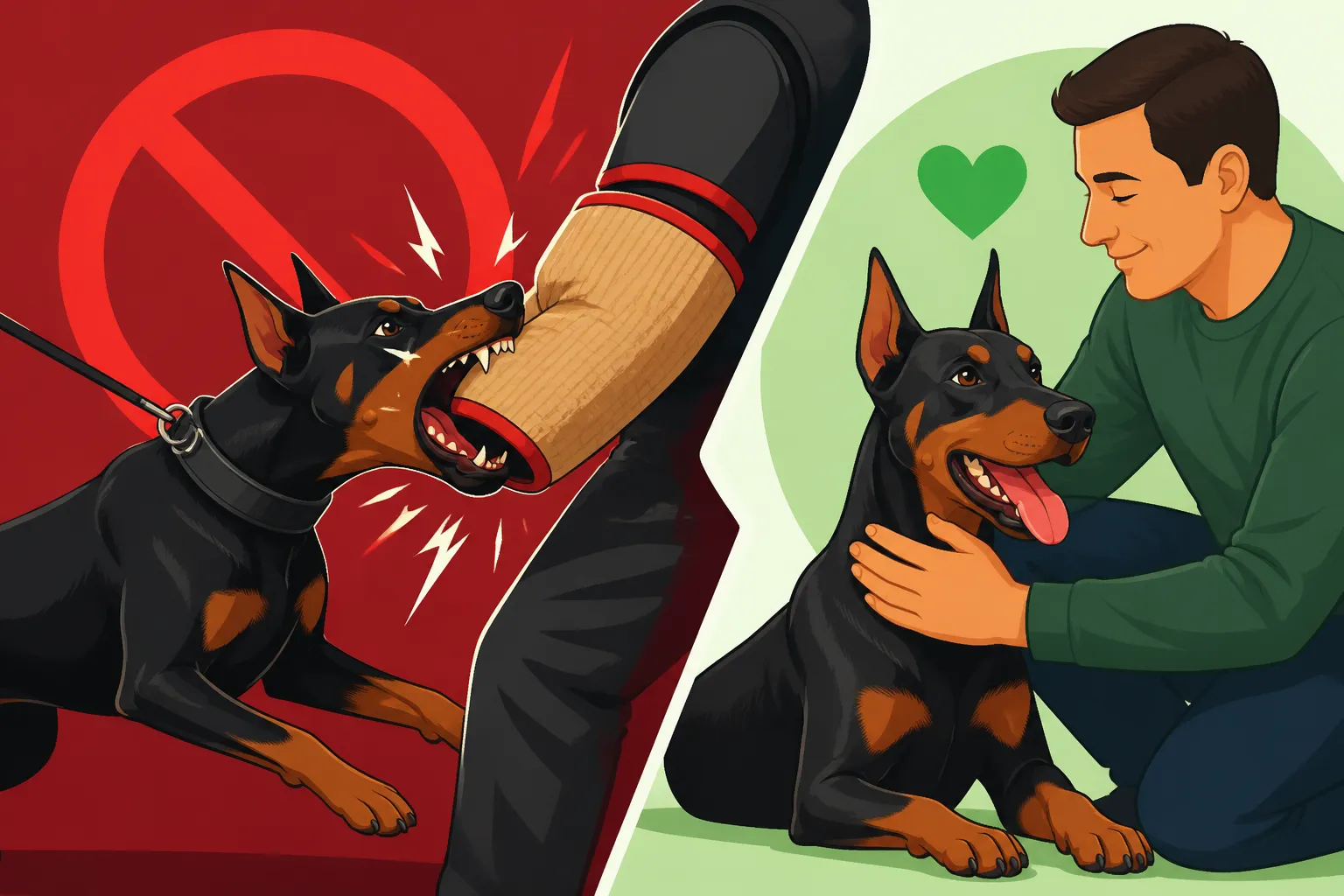
Why Bite Work Is Wrong for a Pet Doberman
We all want our Dobermans to be protective, to stand guard over our homes and families. It's an instinct that runs deep in their breed history, a trait many owners find appealing. But when we hear the term "protection training," it often conjures images of intense bite work, like what you might see with police or sport dogs. For a family companion, this path is almost always a misstep, leading to consequences far beyond what most owners envision. This guide will help you understand why bite work is generally not suitable for a pet Doberman and what truly effective, safe protection looks like.
The Allure of Protection: Why Dobermans Seem Ideal for Bite Work
It's completely natural to be drawn to the idea of a Doberman as a personal protector. After all, their very existence was engineered for guardianship. Karl Dobermann, the breed's creator, sought a dog that was fearless, intelligent, and formidable to accompany him on his rounds as a tax collector. This history has cemented the Doberman's reputation as a powerful and loyal protector, making them seem like the perfect candidate for any form of protection training, including bite work.
Natural Drives and Physical Capabilities
Dobermans possess a unique combination of traits that make them naturally inclined towards protective roles. They have a strong prey drive, which can be channeled into specific training exercises. Their powerful jaws, athletic build, and intimidating presence are undeniable assets. Beyond the physical, their keen intelligence and intense loyalty mean they are highly trainable and form deep bonds with their families, making them naturally alert to anything perceived as a threat to their loved ones. They also tend to be "Velcro dogs," always wanting to be by your side, which means they are constantly aware of their surroundings and your safety.
Many Doberman owners might initially consider bite work because they see their dog's natural protective instincts, perhaps an alarm bark at a stranger or a suspicious stare, and think, "Imagine what they could do with formal training!" This thought often stems from a place of wanting to enhance their dog's inherent abilities and ensure maximum security for their home. The perception is that if the dog already has the drive, why not refine it?
Breed Reputation and Misconceptions
The Doberman's formidable reputation often precedes them. They are frequently cast as "guard dogs" in media, further reinforcing the idea that they are inherently suited for aggressive defense. While it's true they have a guarding instinct, Doberman Guarding Instinct and Where It Tips Over, this instinct is not the same as being a trained attack dog. There's a significant difference between a dog that alerts you to a potential threat and one that is taught to engage and bite on command or in a specific scenario.
Misconceptions about bite work often lead pet owners down a dangerous path. They might see videos of highly trained sport dogs performing impressive bite routines and believe this is achievable and desirable for their family pet. What's often overlooked is the immense amount of control, specialized training, and carefully selected genetics required for true sport bite work. Without this deeper understanding, the allure of a "super protector" can overshadow the practical realities and potential dangers for a pet Doberman.
Understanding the Distinction: Sport Bite Work vs. Real-World Protection
This is where the rubber meets the road. The world of bite work, as seen in sports like Schutzhund (now IGP) or KNPV, is a highly specialized discipline with specific rules, controlled environments, and dedicated decoys. It's a far cry from the unpredictable realities of real-world self-defense or home protection for a family pet.
The Controlled Environment of Sport Bite Work
Sport bite work is about channeling a dog's natural drives (prey, defense, fight) into a highly controlled, patterned behavior. The dog learns to bite a specific piece of equipment, like a bite sleeve or suit, on cue, and, crucially, to release on cue. This requires incredible precision, nerves of steel, and a dog with immense drive and stable temperament. The "bad guy" is always a trained decoy who knows how to work with the dog safely and effectively. The scenarios are rehearsed, the environment is predictable, and the ultimate goal is to demonstrate the dog's training, temperament, and athleticism within the sport's framework.
Think of it like this: a professional boxer trains rigorously in a ring with a sparring partner and a referee. They learn specific techniques and how to control their aggression within a defined set of rules. You wouldn't expect that boxer to spontaneously apply those exact skills in an uncontrolled street fight, nor would you train your family member to box like a professional for casual self-defense. The same principle applies to sport bite work; it's a sport, not a blanket solution for personal security in everyday life. What Protection Sport Involves for a Doberman can give you a deeper look into this demanding discipline.
The Unpredictability of Real-World Scenarios
Now, imagine taking a Doberman trained in sport bite work and placing them in an actual, high-stress, unpredictable home invasion or street confrontation.
- Lack of a Decoy: There's no trained decoy wearing a padded sleeve. An actual intruder might have no protective gear, or worse, they might have a weapon. The dog's bite, if it occurs, would be directly on flesh, with potentially devastating and unintended consequences.
- Unclear Cues: In a real situation, the adrenaline of both handler and dog can make clear communication almost impossible. What if the dog misinterprets a startled yelp as a cue to engage? What if you need the dog to disengage immediately, but the stress overwhelms its training?
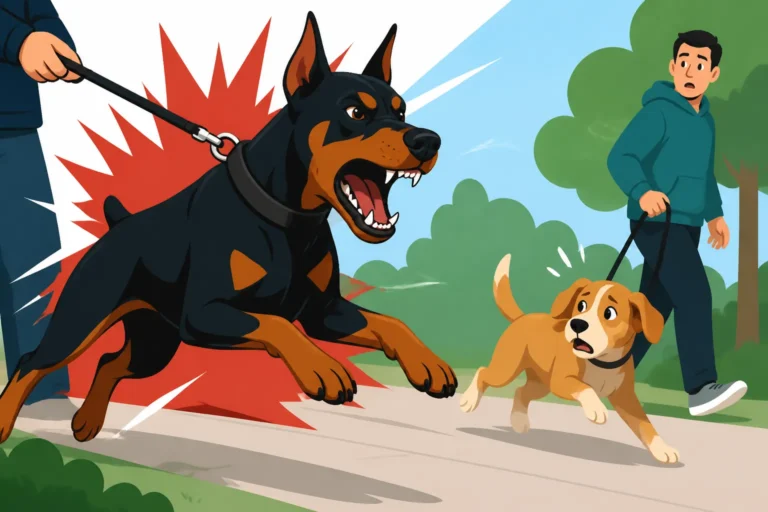
- Escalation vs. Deterrence: A pet Doberman's primary role in protection should be deterrence and alarm. The imposing figure and loud bark are usually enough to make someone think twice. Introducing bite work can escalate a situation unnecessarily and change the dog's role from a deterrent to an aggressor, with all the associated risks.
This is why reputable trainers will emphasize that true sport bite work is vastly different from real-world protection. Sport is about control, technique, and demonstrating inherited traits under pressure, all within a safe, artificial environment. Real-world threats are chaotic, dangerous, and demand a completely different approach that prioritizes prevention, de-escalation, and clear handler control above all else.
The Significant Risks of Bite Work for a Pet Doberman
For the vast majority of Doberman owners, engaging in bite work with a family pet introduces an unacceptable level of risk. These risks aren't just about potential injuries; they extend to legal liabilities, behavioral fallout, and the psychological well-being of your dog.
Legal and Ethical Liabilities
Let's be blunt: if your pet Doberman bites someone, even if you believe it was justified, you are likely to face serious legal repercussions. Laws vary widely, but in many places, dog owners are held strictly liable for bites. Training a dog in bite work can exacerbate this. If your Doberman is registered as a "protection dog" or has a history of bite training, it can be even harder to argue that a bite was accidental or purely defensive. The public perception of a Doberman, already subject to breed bias, is compounded by any evidence of aggressive training.
Consider these scenarios:
- Accidental Bite: What if your dog, trained to bite a sleeve, gets overstimulated and accidentally nips a child or a well-meaning visitor who makes a sudden movement? That "accidental" bite can still result in severe injury and a lawsuit.
- Unjustified Engagement: A Doberman trained in bite work might misinterpret a perceived threat. A postal worker approaching the door, a child running past the fence, or a friend entering your yard unannounced could be seen as targets, even if there's no real danger. The dog might engage without your command, leading to catastrophic consequences for both the victim and your dog.
- Insurance Issues: Many homeowner's insurance policies have breed restrictions, and even if they cover Dobermans, they almost certainly won't cover incidents involving a dog trained for bite work. You could find yourself financially ruined if your dog causes injury. Insurers That Name the Doberman on a Refusal List touches on how difficult it can be to get coverage even without this added training.
The ethical dilemma is equally pressing. Are you truly prepared for the responsibility of handling a dog that has been explicitly trained to bite humans, even under controlled circumstances? The potential for harm to innocent parties and the life-altering consequences for your Doberman (who might be deemed dangerous and euthanized) far outweigh any perceived benefit for a family pet.
Behavioral Fallout and Loss of Control
Bite work is not a simple "on/off" switch. While sport dogs are trained for precise control, introducing this level of arousal and bite inhibition training to a pet Doberman can have unpredictable and damaging behavioral effects.
- Increased Arousal: Constantly stimulating a dog's defense and prey drives can lead to a dog that is perpetually on edge, over-aroused, and potentially prone to reacting aggressively in everyday situations. This can manifest as reactivity towards other dogs, strangers, or even family members. A Doberman That Reacts to Every Dog It Sees is already a common issue without adding bite work into the mix.
- Inhibited Socialization: A dog trained for bite work might struggle with appropriate social interactions. The nuanced body language of play or friendly greetings could be misconstrued, leading to aggression where none is warranted. A well-socialized Doberman is a confident Doberman, not one looking for a fight. Exposing a Doberman Puppy to Strangers is crucial for building a stable temperament.
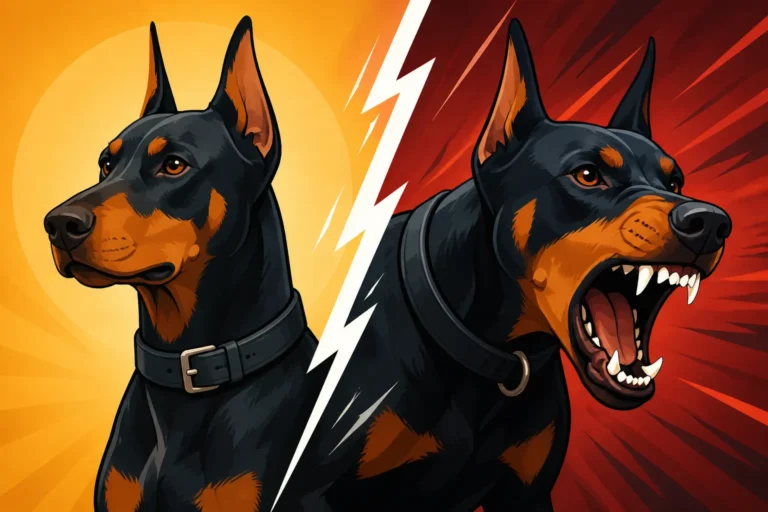
- Aggression Without Discernment: The goal of a pet Doberman is to be a stable, trusted companion who can also act as a deterrent. Bite work can blur the lines, teaching the dog that biting is an appropriate response, rather than a last resort under extreme, controlled conditions. This can result in a Doberman that is not reliably safe around children, guests, or even in public settings where unforeseen events occur. You risk creating a dog that is feared rather than respected, and one that you cannot confidently take out in public without alarming people. Handling a Doberman in Public Without Alarming People becomes an even greater challenge.
The path of bite work is often irreversible, fundamentally changing your dog's temperament and placing an enormous burden on you as an owner to manage a potentially dangerous animal responsibly, twenty-four hours a day. It's a risk most pet owners are simply not equipped to handle, and honestly, should never have to.
The Problem of "Bad" or Inexperienced Trainers
The landscape of dog training is vast, and unfortunately, not all trainers are created equal, especially when it comes to protection work. Many individuals offering "protection training" for pet dogs lack the deep understanding of canine behavior, genetics, and legal ramifications necessary to do so safely and ethically.
- Focus on Intimidation: An inexperienced trainer might focus on "making the dog bite" rather than developing control, temperament, and a clear understanding of cues. This often involves using heavy-handed or aversive techniques that can damage your Doberman's confidence, create fear-based aggression, or simply suppress natural warning signs, turning your dog into a ticking time bomb. Why Yelling Shuts a Doberman Down and Whether an E-Collar Belongs on a Doberman highlight the pitfalls of such methods.
- Lack of Ethical Standards: Reputable protection sport organizations have strict ethical guidelines and certification processes for decoys and trainers. These ensure the dog's safety and well-being are paramount. A backyard trainer offering "guard dog" services often operates without such oversight, putting your dog and the community at immense risk. Finding a Trainer Who Has Worked With Dobermans is critical, and for anything involving bite work, finding a certified protection sport trainer is the only option, and even then, usually not for a pet.
- Unsuitable Dogs: Not every Doberman, even with strong drives, is suitable for bite work. Genetics play a huge role in a dog's nerve, stability, and ability to handle pressure. An unethical trainer might push an unsuitable dog into bite work, creating a neurotic, dangerous animal. This is why Why Most Trainers Warn Beginners Off Dobermans is so common — the potential for mistakes is high.
For these reasons, the Doberman Pinscher Club of America (DPCA), among other breed clubs, strongly discourages bite work for pet Dobermans due to the inherent dangers and liabilities.
Building a Truly Protective Pet Doberman: Safe and Effective Strategies
So, if bite work is generally off-limits for a pet Doberman, what can you do to foster their natural protective instincts safely and responsibly? The answer lies in building a solid foundation of obedience, confidence, and appropriate deterrence behaviors, rather than teaching them to bite.
Foundation of Obedience and Socialization
The most protective Doberman is one that is impeccably behaved, confident, and under your absolute control. This starts with comprehensive obedience training, ideally beginning when they are a puppy. Resources like online courses from BAXTER & Bella can provide structured, positive reinforcement training that builds crucial life skills and a strong bond between you and your dog. A well-trained Doberman understands boundaries, responds instantly to commands like "sit," "stay," "come," and "leave it," and can calmly greet strangers when appropriate. This control is your ultimate tool in any potentially threatening situation.
Alongside obedience, robust socialization is paramount. A Doberman that has been exposed to a wide variety of people, places, sounds, and other animals during its critical developmental period will be much more stable and discerning. They learn what is normal and what truly warrants concern. This helps them differentiate between a friendly visitor and a genuine threat. Building a Doberman Puppy That Is Confident, Not Sharp and The Sixteen Weeks That Set a Doberman Up are crucial guides for this foundational work. A Doberman that is constantly stressed or fearful due to poor socialization is more likely to react inappropriately, not genuinely protect.
Deterrence and Alarm Barking
The vast majority of Doberman "protection" should come from deterrence. Their impressive size, powerful bark, and alert demeanor are usually more than enough to discourage intruders. No burglar wants to deal with an eighty-pound Doberman.
- Controlled Barking: Teach your Doberman to "speak" on command and, more importantly, to "quiet." This allows them to alert you to something unusual (a knock at the door, a strange car in the driveway) without becoming incessantly noisy. You want a clear alarm system, not a constant nuisance. What a Doberman Does When Someone Knocks delves into managing this natural tendency.
- Boundary Training: Teaching your Doberman to stay within certain boundaries (e.g., "place" on their mat when guests arrive, or stay behind a designated line in the house) can give them a sense of duty without encouraging them to challenge every person who enters your home. You want them to be vigilant, not confrontational without cause.
- "Guard" or "Watch" Command (Verbal Deterrence): You can teach a command like "Watch!" or "Guard!" that encourages your Doberman to stand tall, look alert, and perhaps give a low growl or bark, projecting an imposing presence. This is about verbal and postural deterrence, not physical engagement. This gives you control over when they project that guarding image, and it’s a far cry from teaching them to bite.
Practical Personal and Home Security
Your Doberman is a fantastic asset, but they are part of a larger security plan, not the sole component.
- Physical Security: Invest in good locks, an alarm system, motion-activated lights, and secure fencing. These are your first lines of defense.
- Situational Awareness: Be aware of your surroundings when out walking your Doberman. Your dog will pick up on your unease.
- Self-Defense for You: Learn basic self-defense techniques yourself. In a true emergency, your Doberman's role is to buy you time to react, not to be a weapon.
Consider training tools that support this safe approach. A sturdy, comfortable harness and a good leash (readily available on Amazon) are essential for maintaining control on walks. For advanced obedience and proofing against distractions, items like a long line can be incredibly helpful. You might also want a muzzle, not because your Doberman is dangerous, but as a responsible training tool for specific scenarios or vet visits. Muzzle Training a Doberman Before It Is Needed can be a valuable skill for any dog owner.
Ultimately, a Doberman trained in advanced obedience, well-socialized, and confident in your leadership is the most effective and safest guardian you could ask for. Their mere presence and alert demeanor are powerful deterrents. Whether a Doberman Would Really Defend You addresses the instinctual defense, which comes naturally with a strong bond and trust, far more reliably than forced bite training. They will protect you because they love you and trust you to lead them, not because they've been taught to attack.
| Feature | Sport Bite Work (e.g., IGP) | Pet Doberman Protection Training (Recommended) |
|---|---|---|
| Primary Goal | Competition, genetic evaluation | Deterrence, alarm, handler safety, controlled presence |
| Targets | Trained decoy in specific equipment | Perceived intruder, general threat (deterrent focus) |
| Training Environment | Highly controlled fields, specific scenarios | Real-world home and public environments |
| Key Skillset Required | High drive, excellent nerves, extreme control, genetic predisposition | Impeccable obedience, solid socialization, confidence, strong handler bond |
| Risk to Public/Dog | Significant (if mismanaged or untrained) | Low (focused on prevention and non-engagement) |
| Legal/Liability | Very High (often requires specialized insurance) | Low (if dog is well-trained and controlled) |
| Trainer Specialization | Certified sport protection trainer | Certified positive reinforcement obedience trainer |
| Outcome for Pet | Potentially stressed, dangerous if not managed perfectly | Stable, confident, reliable guardian and companion |
Disclaimer
This article is for general informational purposes only and does not constitute professional advice. Laws, prices and regulations vary by location and change over time. Consult a qualified professional for guidance on your specific situation.