Getting a Doberman to Rest in a Crate
One of the biggest hurdles many Doberman owners face, especially in those early puppy months, is getting their intelligent, energetic, and often incredibly clingy companion to actually rest in a crate. It’s not just about getting them to tolerate it; it’s about transforming that metal box into a serene sanctuary where they can truly relax and feel safe when you can’t be right there. This guide will walk you through building that positive association, tackling common frustrations, and ultimately, helping your Doberman embrace their crate as a welcome den.
Understanding the Doberman's Crate Conundrum
When you bring home a Doberman, you’re welcoming a dog that was literally bred to be by your side. They’re intelligent, sensitive, and often, well, a little bit dramatic when they feel left out. This unique blend of traits can make crate training feel like an uphill battle, but understanding their nature is the first step to success.
Why Dobermans Resist the Crate Initially
Dobermans didn’t earn the nickname "Velcro dogs" for nothing. They thrive on human companionship, often following you from room to room, leaning on you, and generally making their presence known. This intense bond, while endearing, can translate into significant protest when you try to confine them, even in a comfortable space. They might see the crate not as a safe den, but as a punishment or a symbol of being cut off from their beloved human. Their sharp minds, which make them so trainable and engaging, also mean they’re quick to pick up on your anxiety or hesitation, and they're even quicker to devise strategies to get what they want – which is usually out of the crate and next to you.
Beyond their clingy nature, Dobermans are also a high-energy breed, both physically and mentally. A Doberman who hasn't had sufficient exercise or mental stimulation might find the crate utterly boring and frustrating. Imagine being a brilliant, athletic dog, full of zest, and suddenly you’re asked to lie still in a small space. For a Doberman, this can feel like torture, especially if they haven't learned how to calm themselves. This isn’t a sign of naughtiness; it’s often a sign of a Doberman’s natural inclination to be active and engaged, combined with a deep desire to be near their family.
The Importance of Crate Training for Dobermans
Despite the initial resistance, crate training is an invaluable tool for Doberman owners. It's not just about management; it's about building resilience and safety for your dog. A properly crate-trained Doberman sees their crate as a safe, private den, a place to retreat when they need quiet time, or a secure spot when you have guests or need to keep them safe from hazards. This can be a lifesaver for preventing destructive chewing, especially during those adolescent months when a Doberman's curiosity and jaw strength seem to know no bounds. Think about saving your furniture, shoes, and even electrical cords from becoming a Doberman's latest chew toy.
Beyond property protection, crate training fosters independence. A Doberman that can comfortably settle in a crate learns that being alone for a short period is okay, and that you will return. This is crucial for preventing or mitigating separation-related distress, a common issue in such a bonded breed. It also becomes a critical tool for house-training, as most dogs are instinctively reluctant to soil their sleeping area. When travel or vet visits come up, a Doberman accustomed to a crate will experience far less stress, as the familiar comfort of their den can go with them. It truly provides a sense of security and consistency in an ever-changing world, making their world a safer and calmer place.
Setting Up the Perfect Crate Environment
The crate itself is just a wire or plastic box until you transform it into a welcoming haven. For a Doberman, this transformation is key. You're not just providing a place; you're creating an experience that needs to feel safe, comfortable, and inviting.
Choosing the Right Crate for Your Doberman
Selecting the correct crate size and type is paramount. A Doberman grows quickly, and you’ll need a crate that accommodates their impressive adult stature. Too small, and it's uncomfortable and can lead to anxiety or even physical issues. Too large, and a puppy might use one end as a potty area, defeating the house-training purpose. For an adult Doberman, you're looking for a crate large enough for them to stand up, turn around, and lie down comfortably in a natural position. Often, a 42-inch or even a 48-inch crate is necessary for males, while females might fit a 42-inch comfortably. Remember, these are big, long-bodied dogs.
Wire crates are popular due to their ventilation and visibility, but some Dobermans might feel overexposed. Plastic crates, or "airline crates," offer more of a den-like feel and are excellent for travel, providing a darker, more enclosed space. However, they can be bulkier and offer less air circulation, which might be a concern in warmer climates or for dogs prone to overheating. If your Doberman proves to be an escape artist or a destructive chewer, you might even consider a heavy-duty, reinforced metal crate. It's an investment, but it's far better than having your Doberman injure themselves trying to break out. Think about where the crate will live in your home and how it needs to function for your particular Doberman. You might also find value in consulting Crate Sizing for a Doberman at Full Height to ensure you're getting the dimensions just right for your growing pup.
Making the Crate a Cozy Den
Once you have the right crate, the next step is making it irresistible. Dobermans have very little body fat and a thin coat, so comfort is not a luxury; it's a necessity. Start with soft, supportive bedding. While a plush dog bed might be ideal, if you have a puppy or a Doberman prone to chewing, start with something more durable like a heavy-duty crate pad or even a few old towels and blankets. You can always upgrade to a luxurious memory foam bed once you're confident they won't try to "redecorate" it. Remember, providing a comfortable place to rest is key to getting them to actually rest. Many owners find durable, orthopedic beds, often found on platforms like Amazon, make a huge difference in their Doberman's comfort, especially as they get older.
Beyond bedding, add safe, engaging chew toys. A stuffed Kong frozen with peanut butter or plain yogurt can be a fantastic distraction, keeping them occupied and associating the crate with positive, long-lasting rewards. A favorite toy can also provide comfort. Location matters too. Place the crate in a communal area of your home, like the living room or bedroom, where your Doberman still feels connected to the family. Avoid isolating them in a basement or laundry room, which can exacerbate feelings of loneliness or anxiety. Finally, consider covering the crate with a blanket or a dedicated crate cover. This creates a darker, more den-like atmosphere, reducing visual stimulation and encouraging relaxation, mimicking a natural den. Some Dobermans truly thrive in this cozier, more enclosed space. For more on ensuring your Doberman's comfort, you might check out Beds That Cushion a Bony Doberman.
The Step-by-Step Crate Training Process
Crate training isn’t a race; it’s a marathon built on positive reinforcement and patience, especially with a Doberman's sensitive nature. Rushing the process can create negative associations that are incredibly hard to undo.
Introduction and Positive Association
The goal here is to make your Doberman love their crate. Start by simply having the crate open in a high-traffic area. Toss high-value treats (think tiny pieces of cooked chicken, cheese, or hot dogs) inside without any expectation for your Doberman to enter. Let them explore it at their own pace. When they do investigate or step inside, even with just a paw, offer praise and another treat. Once they’re comfortable walking in on their own, start feeding them their meals inside the crate with the door open. This builds a powerful positive association: "Good things happen in here!"
You can also incorporate a training program like BAXTER & Bella, which often provides structured guidance for these initial steps, emphasizing positive reinforcement. The key is never to force them in. Lure them gently with treats, say a cheerful cue like "crate up!" or "kennel!", and then reward them generously when they go in. Start with very short durations, maybe just a few seconds, with the door briefly latched while they're eating or chewing a Kong, then open it again. We want them to feel like they choose to be in there, not that they're trapped. This foundational positive experience is crucial for a Doberman.
Gradual Increase in Duration and Alone Time
Once your Doberman is happily entering the crate and staying for a few minutes with the door closed while you’re nearby, you can begin to gradually increase the duration and introduce alone time. This is where patience truly comes into play. Close the crate door, sit nearby, and work on something quiet like reading. After a few minutes of calm, open the door and let them out, without making a big fuss. Gradually extend these periods. Once they’re comfortable with you in the room, start leaving the room for short periods – seconds at first, then a minute, then five minutes.
The trick is to return before your Doberman gets anxious or starts to whine. You want to reward the calm behavior, not accidentally reinforce protest. If they do start to vocalize, wait for a brief lull in the whining before returning, so they don't associate whining with your return. It’s a delicate balance. Gradually, you’ll work up to leaving the house for very short errands. Make your departures and arrivals low-key; don’t make a production of saying goodbye or showering them with attention the moment you walk back in. This helps them understand that your leaving and returning is a normal, calm event. Consistency is paramount during this phase. For more on building independence, you might find Building a Doberman's Alone Time From Minutes helpful.
Addressing Whining and Barking
Ah, the dreaded whining and barking from the crate. This is perhaps the most frustrating part for many Doberman owners, and it's where many give in, accidentally teaching their dog that vocalizing gets them out. First, it’s important to distinguish between protest whining/barking and genuine distress. Protest is often intermittent, might escalate if you interact, and usually stops when you return. Genuine distress, on the other hand, is often persistent, frantic, and may be accompanied by panting, drooling, or destructive attempts to escape. If you suspect true distress, consult a professional immediately.
For protest whining and barking, the golden rule is: do not reward it. This means not letting your Doberman out while they are actively vocalizing. Wait for a pause, even a split second of quiet, before opening the door. This teaches them that quiet, calm behavior is what earns their freedom. If you consistently return while they are barking, you're inadvertently teaching them that barking is the solution. Some Dobermans are very persistent, and it can be hard to ignore, but consistency is key. Make sure they've had ample potty breaks, exercise, and mental stimulation before crating, so you know their needs are met. This isn't about ignoring genuine needs; it's about teaching them an appropriate way to communicate and to settle.
Common Crate Training Challenges with Dobermans
Even with the best intentions and methods, Dobermans can throw some curveballs during crate training. Their intelligence and determination mean they're not always passive learners.
The Doberman That Fights the Crate
Some Dobermans decide the crate is their sworn enemy. They'll chew at the bars, try to bend them, and generally express their displeasure with extreme prejudice. This isn't just annoying; it can be dangerous if they injure their teeth, gums, or get a paw caught. If your Doberman is trying to demolish their crate, it's a clear sign that the positive association isn't strong enough, or they're experiencing significant frustration or anxiety. One common mistake is leaving them in too long, too soon. Always revert to shorter durations where they are successful.
Consider the type of crate you're using. A standard wire crate might not stand up to a determined Doberman. Investing in a heavy-duty crate, perhaps one made of reinforced steel, can be a game-changer for these "crate destroyers." These crates are built to withstand serious escape attempts, keeping your Doberman safe. Ensure there are no sharp edges or weak points they can exploit. Enrichment inside the crate is also critical. A Doberman needs to be mentally stimulated. Stuff a Kong toy or use a puzzle feeder to give them something productive to do while confined. If your Doberman is already showing tendencies to break out of their crate, you might find A Doberman That Bends Crate Bars Trying to Get Out to be an illuminating read on prevention and solutions.
Separation Distress and Anxiety in the Crate
Because Dobermans are so attached to their people, separation distress and true separation anxiety can manifest specifically around the crate. While protest barking is often manageable, separation anxiety is a more serious behavioral issue requiring a different approach. A Doberman with separation anxiety might not just bark; they may pant excessively, drool, pace frantically, attempt to escape to the point of self-injury, or have potty accidents even if they've just been outside. This isn't simply them being stubborn; it's a panic attack.
If you suspect separation anxiety, do not punish your Doberman. This will only worsen their fear. Instead, consult with a professional force-free trainer or a veterinary behaviorist. They can help you implement a desensitization and counter-conditioning protocol, often involving very gradual alone-time exposure, medication, or supplements. The goal is to change your Doberman's emotional response to being alone. Sometimes, calming aids, specific training exercises to build independence, and a slow, structured approach are needed. Remember that addressing A Doberman That Cannot Cope When You Go Out early is vital for their well-being.
Potty Accidents in the Crate
Discovering a wet or soiled crate is incredibly frustrating, especially when you thought your Doberman was fully house-trained. There are a few common reasons this might happen. First, the crate might be too large. If a puppy has enough space to sleep in one area and relieve themselves in another, they might do just that. Ensure the crate is just big enough for them to stand, turn, and lie down comfortably.
Second, they might have been left in the crate for too long. Doberman puppies, like all puppies, have small bladders and cannot hold it for extended periods. Even adult Dobermans have limits. Always ensure they've had a thorough potty break right before crating. Third, previous negative experiences, like being left in a dirty crate at a young age, can break their natural instinct to keep their den clean. Thoroughly clean the crate with an enzymatic cleaner to eliminate any lingering odors that might encourage them to go again. Revisit your house-training protocols, being extra diligent with frequent potty breaks, especially after waking, eating, and before crating. Consistency is key in reminding your Doberman of good potty habits. For more on perfecting this aspect, consider reading Toilet Training a Doberman Puppy in Two Weeks.
| Challenge | Common Cause | Solution Strategy |
|---|---|---|
| Whining/Barking | Seeking attention, boredom, protest, discomfort | Ignore vocalization, reward quiet moments; ensure needs met (potty, exercise, mental). |
| Crate Destruction | Anxiety, boredom, escape attempt, inappropriate crate size/type | Upgrade to a heavier-duty crate; increase exercise & mental stimulation; stuff Kongs/chews. |
| Potty Accidents | Crate too large, left too long, lack of house-training | Ensure crate is appropriately sized; provide frequent potty breaks; thorough enzymatic cleaning. |
| Refusal to Enter | Negative association, fear | Re-start positive association from scratch (treats, meals inside); never force. |
| Panic/Distress | Separation anxiety, past trauma | Consult vet or behaviorist; systematic desensitization; consider calming aids/medication. |
Advanced Crate Skills and Maintenance
Once your Doberman is comfortable and content in their crate, the work isn't over. You want to maintain that positive association and even leverage the crate for continued mental enrichment.
Crate Games and Enrichment
The crate doesn't just have to be a place for rest or confinement; it can be an extension of training and fun. Introducing "crate games" can reinforce positive feelings and make the crate even more appealing. For example, play a "find it" game where you toss a treat into the crate and your Doberman goes in to get it. Or, use a snuffle mat or puzzle toy inside the crate, so they associate it with engaging, problem-solving activities. A Doberman thrives on mental challenges, and turning the crate into a mini "brain game" station can be incredibly beneficial.
Filling a sturdy, Doberman-proof chew toy with a high-value spread (like mashed sweet potato or a specialized dog pate) and freezing it can provide a long-lasting activity. This keeps them occupied, happy, and reinforces the idea that the crate is a place for good things. These types of enrichment activities are particularly important for a smart, active breed like the Doberman, who might otherwise get bored and resort to less desirable behaviors. You can find a huge variety of these toys on Amazon, and they’re worth the investment. Explore Puzzle Work That Actually Tires a Doberman for more ideas on keeping their minds busy.
Maintaining Crate Positive Feelings
Even after your Doberman is perfectly crate-trained, it's easy for the positive association to fade if the crate is only used when you have to. To keep it a happy place, continue to use it periodically, even when you don't strictly need to. Ask them to "crate up!" for a few minutes while you make coffee, or toss a special treat in there for them to enjoy when you're just relaxing at home.
The goal is to prevent the crate from becoming solely associated with your departure or negative experiences. Keep a comfortable bed inside, ensure it's always clean, and occasionally refresh it with a new toy or a different treat. A Doberman who sees their crate as a consistent source of comfort and occasional treats will be far less likely to develop a negative outlook on it in the future, even if circumstances require them to spend more time in it than usual.
When the Crate Becomes a Haven
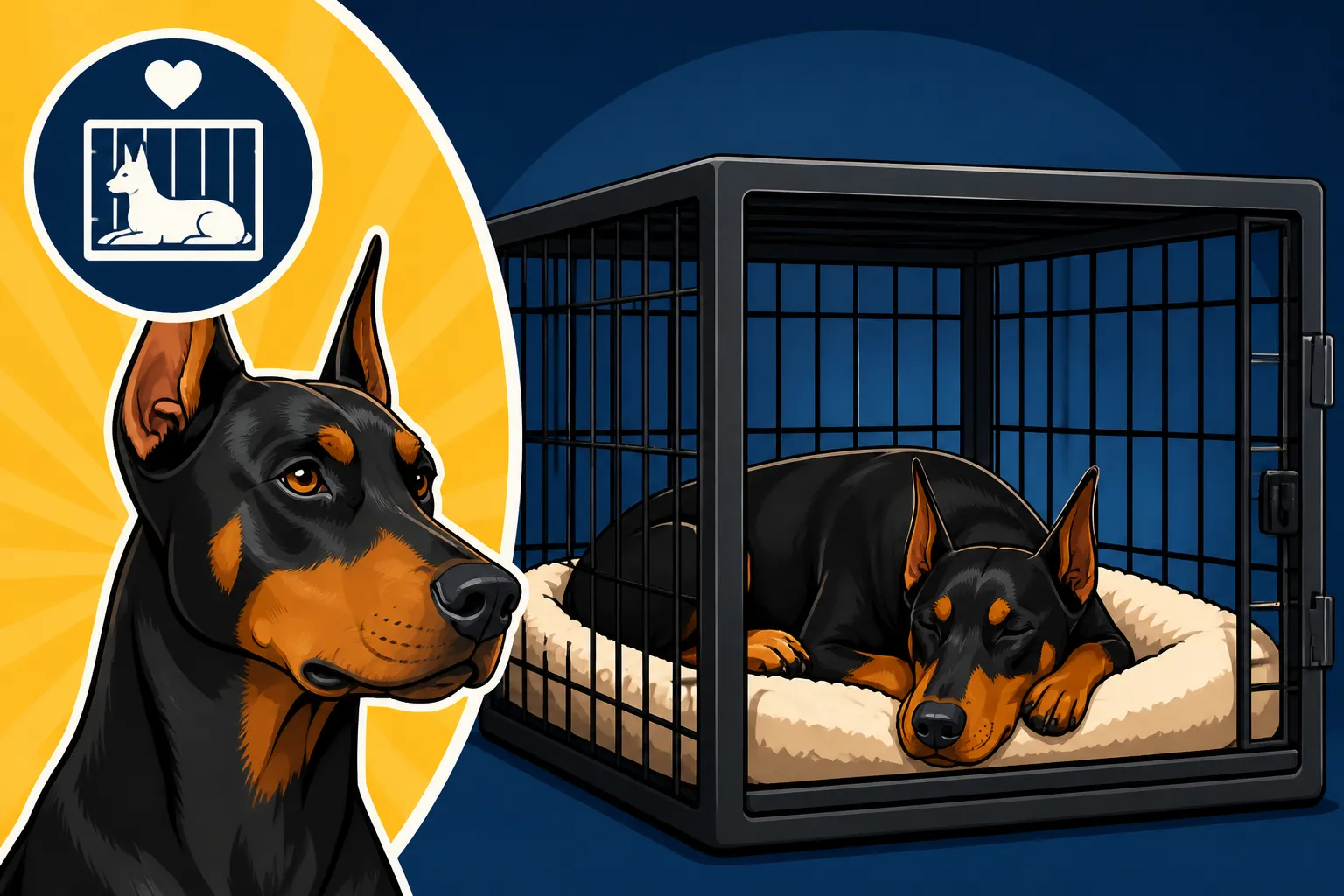
The ultimate success in crate training a Doberman is when they genuinely see their crate as their personal haven. This means they will voluntarily go into their crate to nap, chew a toy, or just have some quiet time away from the hustle and bustle of the household. It becomes their sanctuary, their safe space where they can truly unwind. Imagine your Doberman, after a long walk or a busy play session, choosing to curl up in their crate without any prompting from you. This is the goal.
This level of comfort and security not only makes your life easier but significantly enhances your Doberman's quality of life. It provides them with a sense of control and a reliable place to decompress. When a Doberman can rest calmly and confidently in their crate, it speaks volumes about their overall emotional well-being and their trust in you. It's an essential life skill that empowers them to handle various situations, from vet visits to overnight stays, with a sense of security and familiarity. The initial investment of time and patience truly pays off in a lifetime of peace of mind for both you and your beloved Doberman.
Disclaimer
This article is for general informational purposes only and does not constitute professional advice. Laws, prices and regulations vary by location and change over time. Consult a qualified professional for guidance on your specific situation.