Hours a Doberman Can Be Left Alone
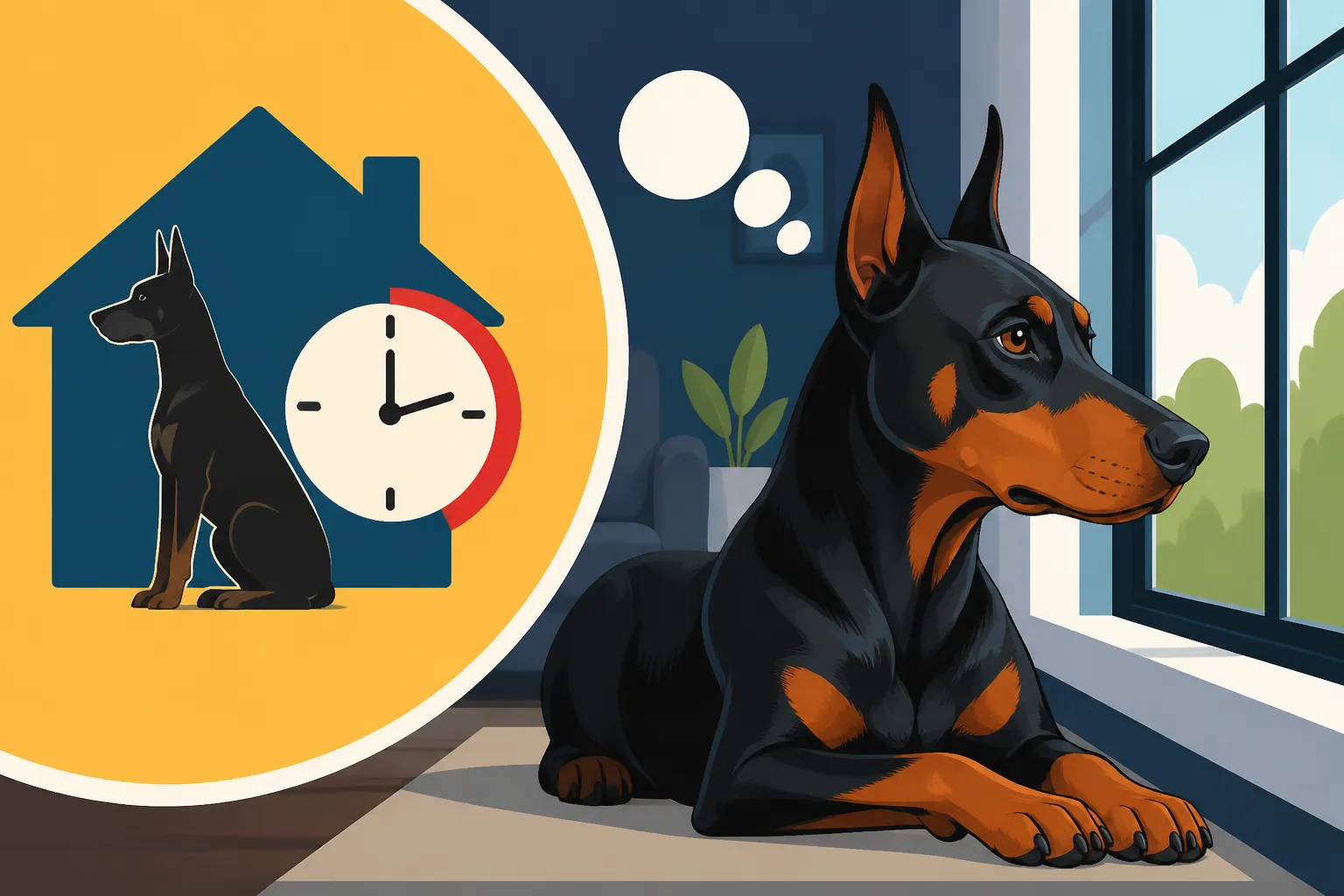
It's a common dilemma for Doberman owners: how long is too long to leave your beloved, intelligent companion home alone? We all want to provide the best for our dogs, but life often throws us curveballs, from demanding work schedules to unexpected appointments. The truth is, leaving a Doberman by itself for extended periods can lead to a whole host of anxieties, destructive behaviors, and even health issues for a breed so deeply bonded to its people. This comprehensive guide will walk you through the realities of Doberman alone time, helping you understand their unique needs, set realistic expectations, and implement effective strategies to ensure your Doberman is not just tolerating, but truly comfortable when you can't be by their side.
Understanding the Doberman's Need for Companionship
Dobermans are renowned for their loyalty and their intense bond with their human families. This isn't just a charming trait; it's a fundamental aspect of their breed character, deeply ingrained in their genetic makeup. Understanding this intrinsic need is the first step toward managing their time alone effectively.
The "Velcro Dog" Phenomenon
If you own a Doberman, you've likely experienced the "Velcro dog" phenomenon firsthand. They're the shadow that follows you from room to room, the warm weight leaning against your legs as you cook dinner, or the silent guardian watching you from their bed as you work. This isn't just a cute quirk; it's a profound expression of their desire for companionship and their guarding instinct. They want to be involved in everything you do, and they thrive on constant interaction. This means that separation, even for what might seem like a reasonable amount of time to another breed, can feel like an eternity to a Doberman. Their keen intelligence, which makes them such capable partners in training and sport, also means they are acutely aware of your absence. This intense attachment often leads to behaviors like incessant pacing, whining, or even destructive chewing when they're left without their human anchor. It's a testament to their devotion, but it can also be a significant challenge for owners. You might find yourself constantly aware of their presence, and they're certainly aware of yours. Living With a Doberman That Follows You Everywhere delves deeper into this fascinating aspect of Doberman ownership.
Why Dobermans Crave Interaction
Dobermans were originally bred to be close companions and personal protectors to Karl Friedrich Louis Dobermann, the tax collector who created the breed. They weren't meant to be kennel dogs or outdoor pets; they were meant to be at their owner's side, observing, learning, and ready to act. This history explains their intense drive to interact. They are highly intelligent and sensitive creatures, thriving on mental and physical engagement. Leaving them alone denies them the mental stimulation they crave, the training opportunities they excel at, and the social interaction that is as vital to them as food and water. Without this regular engagement, a Doberman can quickly become bored, restless, and anxious. They need purpose, and for many pet Dobermans, that purpose is being an active, integrated member of their human family. The absence of their pack leader, even temporarily, can feel like a profound lack of security and direction, triggering behaviors that are often misunderstood as mere naughtiness rather than a cry for engagement or reassurance.
Factors Influencing Alone Time Tolerance
Not all Dobermans are the same, and their ability to cope with solitude can vary significantly. Understanding the individual factors at play will help you tailor your approach and set realistic expectations for your specific dog.
Age and Developmental Stage
A Doberman's tolerance for being alone changes dramatically throughout their life. A young puppy, especially one under 16 weeks, simply isn't equipped to be left alone for long periods. Their bladders can't hold it, their brains are still developing, and they need constant supervision, socialization, and potty breaks. Trying to leave a young Doberman puppy for more than an hour or two can lead to accidents, frantic barking, and a deep-seated fear of being alone that can be incredibly difficult to overcome later. As they mature into adolescence (roughly 6 months to 2 years), their physical capacity to hold their bladder increases, but their emotional needs are still high. This is often a period of testing boundaries, and if not managed carefully, separation anxiety can become entrenched. An adult Doberman, especially one that has been slowly and positively conditioned to alone time from a young age, might comfortably manage 4-6 hours, sometimes a bit more, depending on their individual temperament and routine. However, even well-adjusted adults can struggle if their routine changes abruptly or if they haven't had adequate exercise and mental stimulation before being left. Senior Dobermans might also experience a decline in their ability to cope, often due to cognitive changes or increased need for potty breaks, making shorter alone times necessary once again.
Training and Socialization History
The foundation laid in puppyhood is paramount. A Doberman puppy that has been consistently exposed to short, positive periods of alone time in a safe space (like a crate) will generally cope far better as an adult. Programs like BAXTER & Bella, which emphasize early positive training and socialization, can be invaluable in building a Doberman's confidence. These programs often include exercises specifically designed to help puppies feel secure and calm when their owners are out of sight. Conversely, a Doberman who was never taught to be alone, or worse, experienced traumatic or overly long periods of isolation early on, is much more likely to develop significant separation distress. Such dogs might display destructive chewing, frantic barking, or house-soiling as soon as their owners leave. It's not about being "stubborn"; it's a learned response to anxiety. A well-socialized Doberman, one that has encountered various people, places, and situations in a positive way, tends to be more resilient and adaptable, including when it comes to being left alone. The Sixteen Weeks That Set a Doberman Up highlights the critical period for this foundational training.
Individual Temperament and Anxiety Levels
Just like people, Dobermans have unique personalities. Some are naturally more independent and laid-back, while others are incredibly sensitive and prone to anxiety. Even within the same litter, you might see significant differences. A Doberman with a naturally high-strung or nervous temperament is more likely to develop separation-related behaviors, even with diligent training. Things like loud noises, sudden changes in routine, or even a perceived threat (like a delivery driver) can exacerbate their anxiety when they are alone. It's crucial to understand your Doberman's specific personality and respond accordingly. Some dogs might benefit from calming supplements or even prescribed medication from a vet, especially if their anxiety is severe. Observing your Doberman's reactions when you prepare to leave – do they start pacing, panting, or cling to you excessively? – can provide valuable clues about their comfort level. A Doberman that thrives on routine and predictability will find unexpected departures particularly challenging, while one that takes everything in stride might adapt more easily.
Realistic Expectations for Doberman Alone Time
Given their profound need for companionship and stimulation, it's important to set realistic expectations for how long a Doberman can truly be left alone without detriment to their well-being. This isn't just about avoiding destructive behavior; it's about fostering a happy, healthy dog.
Puppy Limits vs. Adult Dobermans
For Doberman puppies, the rule of thumb is generally one hour per month of age, plus one. So, a 2-month-old puppy might comfortably manage 3 hours, a 3-month-old 4 hours, and so on. Even this is an optimistic guideline, assuming proper potty training and prior exercise. For an adult Doberman (generally over 1.5-2 years), 4-6 hours is often the maximum comfortable limit for most individuals. Some exceptionally well-adjusted Dobermans might handle up to 8 hours on occasion, but this should not be a daily occurrence. Expecting a Doberman to regularly cope with a full 8-9 hour workday, five days a week, without a midday break, is usually asking too much. They need potty breaks, yes, but also mental stimulation, physical release, and social interaction. Consider it from their perspective: several hours of absolute boredom and isolation, waiting for the one thing they crave – you – to return. For a breed as intelligent and sensitive as the Doberman, this can be a recipe for stress and behavioral problems, even if they aren't destroying furniture.
Here's a general guideline, but remember, every Doberman is an individual:
| Doberman Age | Maximum Recommended Alone Time | Considerations |
|---|---|---|
| 8-10 Weeks | 1-2 hours | Frequent potty breaks, high need for socialization and comfort. |
| 3-4 Months | 3-4 hours | Bladder control improving, still needs plenty of interaction. |
| 5-6 Months | 4-5 hours | Adolescent energy, prone to testing boundaries, can be destructive if bored. |
| 7-12 Months | 5-6 hours | Better bladder control, but mental stimulation is crucial to prevent boredom. |
| Adult (1-8 years) | 4-6 hours (max 8 on rare occ.) | Needs significant exercise and mental work before being left, individual variation. |
| Senior (8+ years) | 2-4 hours | Increased need for potty breaks, potential cognitive changes, lower energy. |
The Dangers of Excessive Alone Time
Leaving a Doberman alone for too long isn't just about convenience for the owner; it has real, tangible dangers for the dog. The most obvious are destructive behaviors: chewing on furniture, doorframes, or personal items, often an outlet for anxiety or boredom. House-soiling is another common sign, not out of spite, but often due to inability to hold it or extreme stress. Barking and whining can lead to complaints from neighbors and increased stress for the dog. Beyond these outward signs, excessive alone time can lead to serious psychological and physical health issues. Chronic stress can weaken their immune system, making them more susceptible to illness. It can manifest as self-mutilation (licking or chewing paws), loss of appetite, or digestive upset. Furthermore, the lack of exercise and mental stimulation can contribute to weight gain, muscle loss, and a general decline in overall health and happiness. A Doberman starved of interaction and activity is a Doberman prone to developing problematic behaviors and health issues down the line. A Doberman That Cannot Cope When You Go Out further explores the challenges and impact of prolonged solitude.
Signs Your Doberman Is Struggling
It's crucial to be able to recognize the signs that your Doberman is struggling with being left alone, even if they aren't tearing up the house. Subtle indicators often precede overt destructive behavior. These can include:
- Pre-departure anxiety: Pacing, panting, whining, or following you frantically as you prepare to leave.
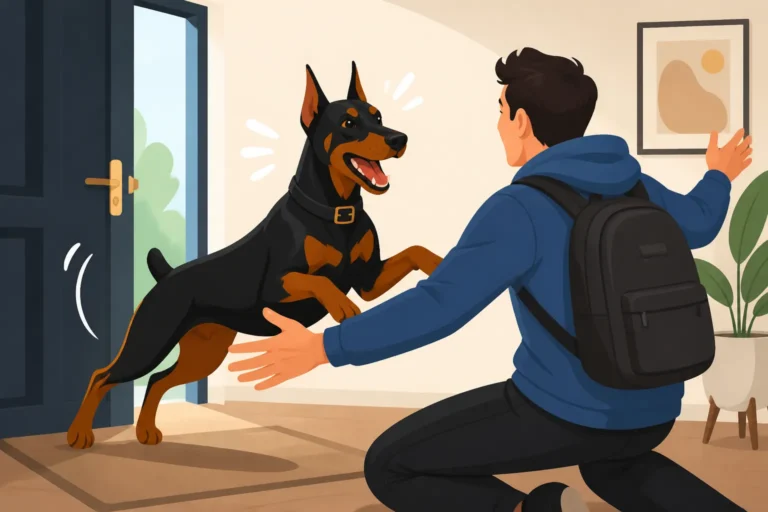
- Excessive greetings: Over-the-top excitement, frantic jumping, or prolonged whining when you return.
- Destructive chewing: Focusing on doorways, windowsills, or items that smell strongly of you.
- Inappropriate urination/defecation: Especially if they are otherwise house-trained.
- Excessive barking or howling: Often reported by neighbors or captured by a pet camera.
- Pacing or circling: Wearing paths in the carpet, visible on a pet camera.
- Self-mutilation: Licking paws or body excessively, sometimes to the point of creating hot spots.
- Escape attempts: Trying to get out of crates, rooms, or the yard.
- Loss of appetite/refusal of high-value treats: Indicating stress, as many anxious dogs won't eat when alone.
These signs are not "bad behavior" but rather distress signals. Ignoring them or punishing your Doberman for them will only escalate their anxiety and make the problem worse. Addressing the underlying cause – their discomfort with solitude – is key.
Strategies to Help Your Doberman Cope
Helping your Doberman cope with alone time requires a multi-faceted approach, combining careful training, environmental enrichment, and sometimes, professional support. It's a journey, not a quick fix.
Structured Routines and Gradual Acclimation
Consistency and predictability are your Doberman's best friends. Establish a clear routine for departures and arrivals. This means no drawn-out goodbyes or overly excited greetings, which can heighten their anxiety. Keep departures calm and quiet. A structured routine should also include ensuring your Doberman is well-exercised and has had a potty break before you leave. A tired dog is a happy dog, and a dog who has relieved itself won't be stressing about holding it.
The most effective training method is gradual acclimation. Start with very short absences – literally seconds at first.
- Practice Crate Time: If your Doberman is crate-trained, have them settle in their crate with a high-value chew (more on this later). Leave the room for a minute, then return before they get anxious.
- Increase Duration: Slowly increase the time you are out of sight. Go out the front door, come back in. Go to the mailbox, come back. Build up to 5 minutes, 10 minutes, 30 minutes, and so on. The key is to return before they start to show signs of distress. If you return to barking or whining, you've gone too far, too fast.
- Vary Departure Cues: Don't just pick up your keys and leave. Mix up your departure routine. Pick up your keys, then sit down. Put on your coat, then watch TV. This helps desensitize your Doberman to the "departure signals" that often trigger anxiety.
- Quiet Returns: When you come home, greet them calmly. Wait until they are settled before giving affection. This reinforces that your return is not a frantic, high-energy event. Building a Doberman's Alone Time From Minutes provides a detailed step-by-step guide for this process.
Enrichment and Mental Stimulation
A Doberman's active mind needs to be engaged, especially when you're not there to interact with them. Mental stimulation can tire a Doberman just as much, if not more, than physical exercise.
- Puzzle Toys: Invest in high-quality puzzle feeders and interactive toys. These force your Doberman to "work" for their food, keeping their mind busy. Look for durable options on Amazon that can withstand a Doberman's chewing power. Filling a Kong with peanut butter or plain yogurt and freezing it provides a long-lasting challenge.
- Chew Toys: Provide a variety of safe, appropriate chew toys. Chewing is a natural, stress-relieving behavior for dogs. Ensure they are safe to be left unattended and can't be swallowed or splintered.
- Scent Work: Hide treats around the house (or in their crate) for your Doberman to find. This engages their powerful sense of smell and provides a fun, solitary activity. Puzzle Work That Actually Tires a Doberman offers more ideas for engaging your Doberman's mind.
- Background Noise: Leave on a radio, TV, or a white noise machine. This can mask outside noises that might trigger alarm and provide a sense of presence. Some dogs respond well to classical music, while others prefer talk radio or a podcast.
Professional Help and Support Systems
Sometimes, even with the best intentions and consistent training, a Doberman's separation anxiety can be too severe to manage alone. Don't hesitate to seek professional help.
- Certified Professional Dog Trainer (CPDT): A trainer specializing in separation anxiety can provide individualized guidance, help you implement a behavior modification plan, and observe subtle cues you might miss. They can often provide virtual consultations, which can be particularly effective for separation anxiety as they observe your dog in their natural environment.
- Veterinary Behaviorist: For severe cases, a board-certified veterinary behaviorist might be necessary. They can assess the underlying medical or neurological components of anxiety and may recommend medication in conjunction with behavior modification. This isn't a "magic pill" but can help your Doberman feel calm enough to actually learn new coping mechanisms. Medication for a Doberman With Separation Distress discusses this option in more detail.
- Dog Walkers/Pet Sitters: If your schedule consistently requires long absences, hiring a trusted dog walker or pet sitter for a midday break is an excellent solution. They can provide a potty break, some physical exercise, and much-needed human interaction, breaking up the long hours of solitude. Websites like Rover or Wag can help you find vetted professionals in your area.
- Doggy Daycare: For Dobermans who enjoy the company of other dogs, a reputable doggy daycare can be a fantastic option. It provides supervised play, mental stimulation, and socialization, ensuring they come home tired and happy. However, choose carefully, as not all daycares are suitable for all Dobermans. Ensure the staff understands Doberman behavior and manages play appropriately. Whether Daycare Helps a Clingy Doberman explores the pros and cons.
Tools and Resources for Doberman Owners
Managing alone time for a Doberman effectively often involves leveraging the right tools and resources. These can range from physical equipment to educational programs designed to support both you and your dog.
Crating and Safe Spaces
A properly introduced and positively reinforced crate can become your Doberman's den—a safe, comfortable place where they feel secure when you're away. It's not a punishment; it's their personal bedroom.
- Choosing the Right Crate: Dobermans are strong, so a sturdy, metal wire crate is usually best. Ensure it's large enough for them to stand, turn around, and lie down comfortably, but not so large that they can soil one end and sleep in the other. Place a comfortable bed or blanket inside. Choosing a Crate for a Doberman offers guidance on selection.
- Positive Crate Association: Never use the crate for punishment. Instead, feed meals in the crate, offer special high-value chews only when they're in the crate, and make it a place of calm and comfort. Start with short periods, gradually increasing the time, always ensuring it's a positive experience.
- Creating a Den: Covering the crate with a blanket can make it feel more den-like and reduce visual stimulation that might trigger barking.
- Alternative Safe Spaces: If your Doberman isn't comfortable with a crate, consider a dog-proofed room with a baby gate. Remove anything they could destroy or hurt themselves with, and ensure they have access to water, a comfortable bed, and appropriate toys.
Technology and Monitoring
Modern technology offers some excellent ways to keep an eye on your Doberman and even interact with them while you're away.
- Pet Cameras: Devices like the Furbo Dog Camera or Petcube Play allow you to see, hear, and even speak to your Doberman from your phone. Some even dispense treats, providing a brief distraction and positive reinforcement. Monitoring your Doberman can help you understand their behaviors when you're not home, allowing you to tailor your training and interventions more effectively. You can see when they start to get anxious, giving you clues as to how long is truly too long. These are readily available on Amazon.
- Smart Home Devices: Using smart plugs, you can remotely turn on lights, a radio, or a fan, helping to create a consistent and comforting environment for your Doberman.
- Activity Trackers: While not directly for alone time, a GPS and activity tracker (like a Fi Collar) can monitor your Doberman's activity levels throughout the day. If you notice they're excessively pacing or restless during your absence, it's another indicator of stress.
Professional Training Programs
Beyond individual trainers, enrolling in well-structured online or in-person programs can provide the framework needed to build a confident Doberman who handles alone time well.
- Online Puppy Courses: Many reputable online platforms offer puppy training courses that include modules specifically dedicated to building independence and preventing separation anxiety. These can be a fantastic resource for new Doberman owners. BAXTER & Bella is an example of an online training program that offers comprehensive instruction, including how to prepare your puppy for alone time. Their step-by-step guides can be incredibly helpful for establishing good habits from the start.
- Group Obedience Classes: While not directly focused on alone time, a good basic obedience class helps build your Doberman's confidence and strengthens the bond between you. A confident, well-trained Doberman is generally better equipped to handle novel situations, including your absence. Training a Doberman That Is Smarter Than You Expect highlights the importance of consistent training for this intelligent breed.
- Workshops on Separation Anxiety: Some trainers and veterinary behaviorists offer specialized workshops or webinars on separation anxiety. These can provide a deeper understanding of the condition and advanced strategies for managing it.
Remember, the goal isn't to force your Doberman to accept being alone, but to help them feel secure and content, knowing that you will return. This takes patience, consistency, and a deep understanding of your Doberman's unique needs.
Disclaimer
This article is for general informational purposes only and does not constitute professional advice. Laws, prices and regulations vary by location and change over time. Consult a qualified professional for guidance on your specific situation.