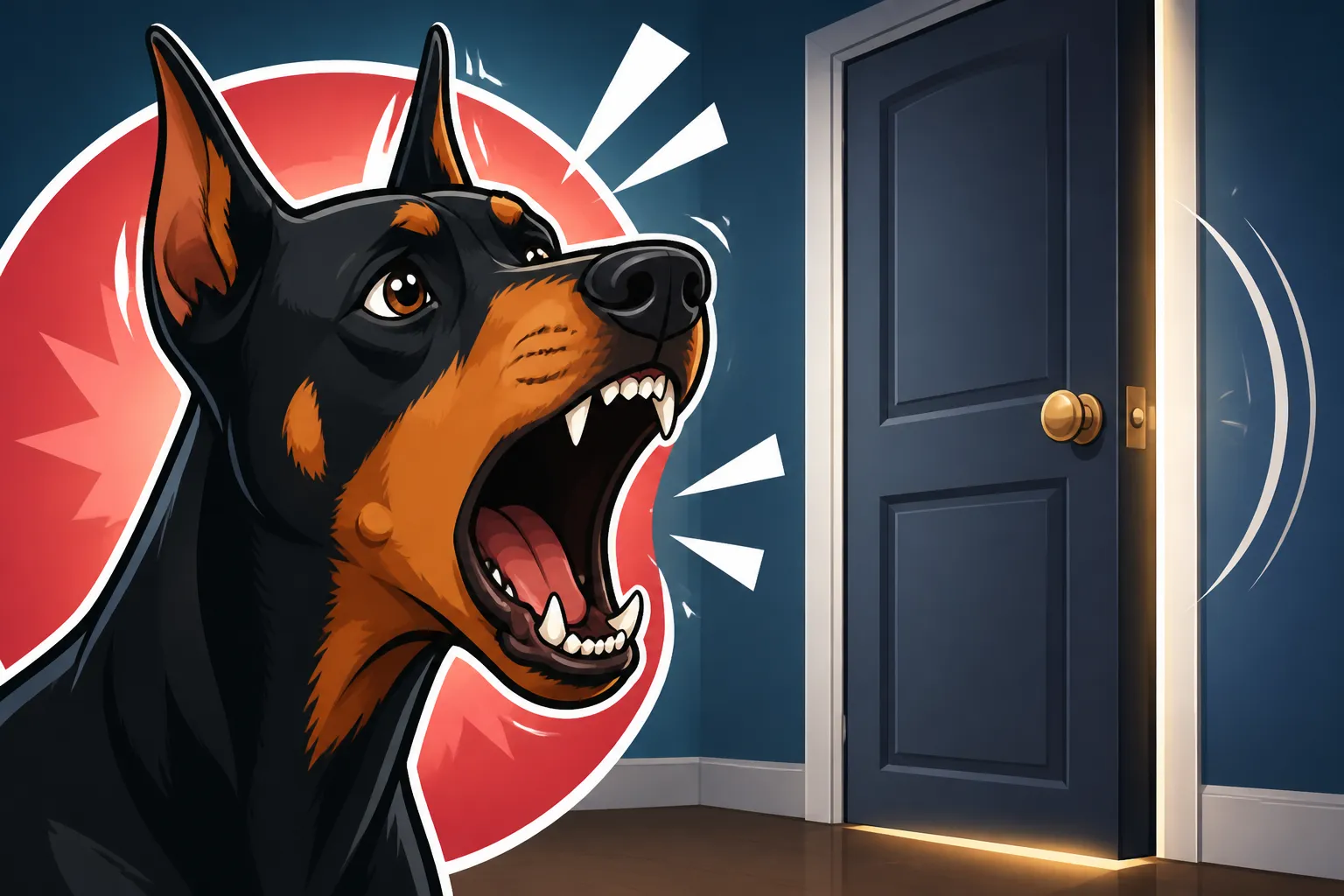
A Doberman That Screams the Moment the Door Shuts
Oh, the Doberman scream! It's a sound that can absolutely wrench your heart, make you feel like the worst dog parent on the planet, and frankly, make your neighbors question your life choices. This isn't just a whimper or a little bark; it's often a full-throated, desperate cry that starts the second the door clicks shut. If your Doberman turns into a canine opera singer when left alone, you're not alone in this frustrating experience, and this guide is here to help you understand why it happens and, more importantly, what you can do about it.
Understanding the "Scream": Is it Really Separation Distress?
When your Doberman starts making a racket the moment you leave, it's easy to jump to conclusions, usually involving guilt and frustration. But it's crucial to understand what's truly behind that vocal outpouring. Is it simple boredom? Annoyance? Or something much deeper, like genuine separation anxiety? Knowing the difference is your first step toward finding a solution.
What Your Doberman's Cries Are Telling You
A Doberman's scream isn't just noise; it's a desperate form of communication. They are trying to tell you something, even if it's "I don't like this!" or "Where did you go?!" Because Dobermans are so deeply bonded to their people—they earned the nickname "Velcro Doberman" for a reason—being separated from you can be incredibly distressing for them.
Think about it from their perspective. One moment, they're with their favorite person, feeling secure and loved, and the next, that person has vanished. For a dog that thrives on companionship and often follows you from room to room, this abrupt absence can feel like a profound loss. The vocalizations can range from a mournful howl that carries through the neighborhood, to incessant barking, high-pitched whining, or even a sustained, almost human-like scream. These aren't necessarily acts of defiance; they are often a clear sign of emotional distress. They might also pace, drool excessively, try to chew their way out of a crate, or even have house-training accidents, all within minutes of your departure.
Distinguishing True Anxiety from Frustration
This is where observation becomes key. Not every vocal dog is suffering from full-blown separation anxiety. Sometimes, it's frustration, plain and simple. Maybe they're bored, they hear something exciting outside, or they just really want that toy they can't reach.
Here’s a quick way to think about the difference:
| Symptom | Frustration/Boredom | Separation Anxiety/Distress |
|---|---|---|
| Timing | Can start anytime, sometimes after a period of calm. | Starts immediately (within minutes) of your departure. |
| Vocalizations | Barking at external stimuli, whining for attention/toy. | Persistent howling, incessant barking, high-pitched screaming, continuous whining. |
| Destructive Behavior | Chewing on specific items (shoes, furniture) if bored. | Destructive attempts focused on exit points (doors, windows, crate bars). Self-mutilation (chewing paws). |
| House Soiling | Isolated accidents, often due to lack of timely potty break. | Urination/defecation occurs even if just let out, usually in areas near exit points, when alone. |
| Other Signs | May settle if provided with enough mental/physical stimulation. | Pacing, drooling, panting, trembling, loss of appetite, attempting escape. |
| Reunion | Happy to see you, but otherwise normal. | Overly effusive greeting, as if you've been gone for days. |
A Doberman with true separation anxiety is experiencing a panic attack, essentially. It's not about being "mad" at you for leaving; it's about a deep-seated fear of abandonment or being alone. The intensity and consistency of the symptoms are often what set separation anxiety apart. If you suspect it's more than just a little protest, it's time to take action. This isn't a phase they'll simply grow out of; it requires dedicated intervention.
Why Dobermans Struggle with Alone Time
Understanding why Dobermans are particularly prone to this specific struggle helps us approach the problem with more empathy and effective strategies. It's not just a random quirk; it's often rooted in their very nature and sometimes, their history.
The "Velcro" Nature of the Doberman
The term "Velcro Doberman" isn't an exaggeration; it's a testament to their profound desire for human companionship. These dogs were bred to be guardian dogs, yes, but also intensely loyal companions. They thrive on being part of your every moment, often shadowing your steps from room to room, leaning on you, or settling right at your feet. This isn't just cute; it's a deeply ingrained behavioral trait.
Because they are so hardwired to be close to their people, the absence of that person can be deeply unsettling. They form incredibly strong bonds, sometimes to one specific family member, which can exacerbate separation issues when that person departs. For a Doberman, being alone can feel unnatural, even dangerous, because their primary role and source of comfort (you!) is gone. This intense bonding means that when you leave, they aren't just missing you a little; they are experiencing a significant disruption to their perceived pack structure and emotional security. This makes them particularly susceptible to A Doberman That Cannot Cope When You Go Out.
Past Experiences and Underlying Health
While breed predisposition plays a big role, past experiences can significantly contribute to or worsen separation distress. Rescue Dobermans, for example, might come with a history of abandonment, multiple homes, or inconsistent routines, making them incredibly sensitive to being left alone. Even a puppy from a reputable breeder can develop issues if not properly conditioned to alone time from a young age. A sudden change in household routine, a move to a new home, the loss of another pet, or even a traumatic event while alone can trigger or intensify anxiety.
It's also vital not to overlook underlying health issues. Sometimes, a Doberman's sudden onset of vocalization or destructive behavior when alone can be a symptom of pain, cognitive dysfunction (especially in older dogs), or even an undiagnosed medical condition. A dog in discomfort might not want to be alone, or their anxiety threshold might be lower due to physical distress. Before diving deep into behavioral modification, it's always a good idea to rule out medical causes with your veterinarian, especially if the behavior is new or worsening. They might explore conditions that cause generalized anxiety or discomfort, which could be contributing to the problem.
Building a Foundation for Alone Time Success
Addressing a Doberman's separation distress isn't a quick fix; it's a gradual process that requires patience, consistency, and a systematic approach. The goal is to slowly teach your Doberman that being alone isn't scary, but actually quite boring and, eventually, a positive experience.
Starting Small: Micro-Departures
The biggest mistake people make is leaving their Doberman alone for long stretches right away. For a dog struggling with alone time, even five minutes can feel like an eternity. We need to start with "micro-departures" – tiny, manageable chunks of time where you leave and return before your Doberman has a chance to escalate their distress. This technique is key to Building a Doberman's Alone Time From Minutes.
Here’s how to do it:
- Practice pre-departure cues: Your Doberman learns your routine: grabbing keys, putting on shoes, picking up your bag. These become triggers for anxiety. Start doing these actions randomly throughout the day without leaving. Pick up your keys, walk to the door, put them down, and sit on the couch. Repeat. The goal is to desensitize them to these cues so they no longer predict your departure.
- The "disappearing act": Start with literally seconds. Walk out the door, close it, count to five, and come back in. Don't make a big fuss when you leave or return. No dramatic goodbyes or excited greetings. Act as if it's the most normal thing in the world.
- Gradual increase: Slowly, slowly increase the duration. If your Doberman was calm for 5 seconds, try 10. Then 30. Then 1 minute. The critical point is to return before they start showing signs of distress (whining, pacing, screaming). If they do react, you've gone too long. Go back to a shorter duration where they were successful.
- Vary the timing: Once they can handle a few minutes, start varying the length of your departures. Sometimes 2 minutes, sometimes 5, sometimes 1 minute. This prevents them from predicting how long you'll be gone.
- Use a webcam: This is invaluable! Set up a cheap webcam or an old phone with a monitoring app (many available on Amazon) so you can watch your Doberman's behavior in real-time. This tells you exactly when they start getting anxious, so you know when to return or if you're pushing too fast.
This process can take weeks, even months, but it's about systematically rewiring your Doberman's brain to associate your departures with a calm, non-threatening experience.
Creating a Calming Environment
While you're working on the departure training, it's essential to set up an environment that promotes calmness and security for your Doberman when they are left alone.
- The "safe space": This could be a crate, a specific room, or a designated bed. The key is that it's a place where your Doberman feels secure and comfortable. If you use a crate, ensure it's appropriately sized for an adult Doberman to stand, turn around, and lie down comfortably. Many Dobermans actually feel safer in a den-like space. Make sure the crate training itself is positive and not associated with punishment. For tips on sizing, you can refer to Choosing a Crate for a Doberman.
- Comfort items: Include a cozy bed or blanket that smells like you (an old t-shirt works wonders!), and safe, durable chew toys or puzzle toys filled with treats. Lick mats with frozen peanut butter or Kongs stuffed with kibble and cream cheese can keep them engaged for a significant amount of time, diverting their attention from your absence.
- White noise or classical music: Dobermans have keen hearing. Outside noises (passing cars, neighbor's conversations, construction) can trigger anxiety or barking. White noise machines or calming classical music (specifically designed for dogs, often found on streaming services or through apps) can mask these sounds, creating a more peaceful environment.
- Pheromone diffusers: Products like Adaptil (a synthetic dog-appeasing pheromone) can help create a calming atmosphere. Plugged into an outlet, these diffusers release a scentless vapor that mimics the pheromone a mother dog produces to comfort her puppies. While not a standalone solution, they can reduce overall anxiety for some dogs.
- Exercise before you go: A tired Doberman is a calmer Doberman. Before any planned departure, ensure your Doberman gets ample physical exercise (a brisk walk, a good game of fetch) and mental stimulation (a training session, a puzzle toy). This helps deplete their excess energy and makes them more likely to relax when you leave. Remember, Puzzle Work That Actually Tires a Doberman is crucial for their intelligent minds.
Training Strategies to Ease Separation Distress
Beyond the foundational work, there are specific training techniques you can implement to change your Doberman's emotional response to being alone. This involves changing their associations and giving them appropriate outlets for their intelligence and energy.
Desensitization and Counter-Conditioning
These are the pillars of treating separation anxiety.
- Desensitization means gradually exposing your Doberman to the trigger (your departure) at such low levels that they don't react with fear. We already covered this with the micro-departures.
- Counter-conditioning means changing your Doberman's emotional response from negative (panic, screaming) to positive (calm, even happy) when you leave.
Here’s how to apply them together:
- Positive association with departure cues: Remember those pre-departure cues? Now, we pair them with something incredibly high-value. When you pick up your keys, immediately give your Doberman a super special treat they only get at this moment. When you put on your coat, another treat. This changes the meaning of these cues from "oh no, they're leaving!" to "yay, good things happen!"
- The "magic Kong" or high-value chew: Every single time you leave, even for those short practice sessions, give your Doberman a highly desirable, long-lasting chew toy or a stuffed Kong. This should be something they absolutely adore and only get when you are about to leave. The idea is that they are so engrossed in enjoying their treat that they barely notice you're gone. As soon as you return, the treat goes away. This helps build a positive association with your departure. You can find excellent options for these on Amazon, from durable chew toys to slow-feeder bowls that make mealtime a puzzle.
- Neutralizing greetings and departures: As tempting as it is to shower your Doberman with affection when you get home, overly enthusiastic greetings can inadvertently reinforce their anxiety. It tells them, "Oh my goodness, your panic was justified! It was a huge deal that I left!" Instead, aim for calm departures and arrivals. Acknowledge them calmly, then wait a few minutes until they've settled down before engaging in a more excited greeting or play. This helps teach them that your coming and going is just a normal part of life, not a dramatic event.
Enrichment and Mental Stimulation
A bored Doberman is often a destructive or vocal Doberman. Their intelligence and energy levels demand significant mental and physical outlets. If they're not getting enough, that excess energy and mental capacity will find an outlet, and often, it's not one you'll appreciate.
- Regular, challenging exercise: Dobermans need more than a quick walk around the block. They need vigorous exercise daily. This could be running, playing fetch, agility training, or even long hikes. A physically tired Doberman is much more likely to rest calmly when left alone. Consider activities that engage their powerful bodies.
- Brain games and puzzle toys: These are essential for Dobermans. Instead of just putting their food in a bowl, make them work for it. Use puzzle feeders, snuffle mats, or scatter their kibble in the yard for them to sniff out. Teaching them new tricks or practicing advanced obedience commands also provides mental stimulation. Training a Doberman That Is Smarter Than You Expect means you need to keep their brains busy!
- Interactive toys: When you're gone, ensure they have access to safe, stimulating toys. Some toys dispense treats periodically, while others are designed for chewing. Rotating toys can keep things fresh and interesting.
- Enroll in a class: Consider enrolling in a positive reinforcement training class (like obedience, rally, or nose work). Not only does this provide mental stimulation, but it also strengthens your bond and builds their confidence. Programs like BAXTER & Bella offer online courses and support that can be incredibly helpful for structured training from home. This can include anything from basic manners to more advanced concepts that tire their minds out.
When to Seek Professional Help and Medication
There are times when even the most dedicated owner, implementing all the right strategies, finds themselves at a standstill. If your Doberman's distress is severe, persistent, or causing harm to themselves or your home, it's time to bring in the big guns.
Recognizing When You Need More Than Training
How do you know when it's time to call in a professional?
- Self-injury: If your Doberman is hurting themselves trying to escape (broken nails, bloody paws, raw spots from licking/chewing), this is a red flag.
- Severe destruction: If they are consistently destroying doors, windows, crates, or walls, indicating a frantic escape attempt rather than just boredom chewing.
- Persistent vocalization: Despite your best efforts with short departures and counter-conditioning, the screaming or howling persists relentlessly.
- House soiling: They are having accidents indoors every time you leave, even after being let out and even for short periods.
- Your own well-being: If the situation is causing you significant stress, affecting your work, sleep, or relationships, it's time for help. Living with a dog with severe separation anxiety can be incredibly taxing.
- Lack of progress: If after several weeks or months of consistent, correct application of training techniques, you see no improvement, or things are getting worse.
Remember, severe separation anxiety is a panic disorder. You wouldn't expect a human having a panic attack to simply "snap out of it," and the same applies to your Doberman.
Working with a Vet and Behaviorist
This is often a multi-pronged approach:
- Consult your veterinarian: Your vet can rule out any underlying medical conditions that might be contributing to the anxiety. This is crucial as some conditions can mimic separation distress. They might suggest blood tests or other diagnostics.
- Veterinary behaviorist: If your vet suspects a behavioral component, they might refer you to a board-certified veterinary behaviorist. These are veterinarians who have specialized in animal behavior, much like a psychiatrist for people. They can prescribe medication in conjunction with a behavior modification plan. Medications like SSRIs or tricyclic antidepressants can help lower your Doberman's overall anxiety levels, making them more receptive to training. Medication for a Doberman With Separation Distress can be a game-changer, but it's rarely a standalone solution; it works best when combined with consistent behavioral modification.
- Certified professional dog trainer (CPDT) or behavior consultant: Look for trainers who specialize in separation anxiety and use positive reinforcement methods. Avoid anyone who suggests harsh corrections, "dominance" methods, or prolonged extinction (letting them "cry it out"). These approaches can actually worsen anxiety and damage your bond with your Doberman. A good trainer will work with you to create a detailed, step-by-step plan, often involving video analysis of your dog's behavior while you're gone, and guide you through the desensitization and counter-conditioning process.
Dealing with a Doberman that screams when left alone is incredibly challenging, but it is manageable. With understanding, patience, a structured approach, and sometimes professional support, you can help your Doberman find peace when you're not around, ensuring a calmer home for everyone. The journey may be long, but the quiet moments of success will be incredibly rewarding.
Disclaimer
This article is for general informational purposes only and does not constitute professional advice. Laws, prices and regulations vary by location and change over time. Consult a qualified professional for guidance on your specific situation.