Bruising and Bleeding in a Doberman
It’s a truly frightening moment for any Doberman owner: you spot an unexplained bruise on their sleek coat, or worse, they have a nosebleed that just won't stop. These moments can send a wave of panic through you, especially when you know Dobermans are prone to certain health conditions that affect clotting. This guide is here to shed light on why your Doberman might be bruising or bleeding more than seems normal, diving deep into the causes, how to recognize them, and what steps you can take to protect your beloved companion.
Unraveling the Mystery of Bruising and Bleeding in Dobermans
When you see a bruise or notice bleeding in your Doberman, it’s natural to feel alarmed. Dobermans, with their distinctive short coats and often lean physiques, can sometimes show bumps and scrapes more readily than fluffier breeds. However, there are underlying issues unique to the breed that can turn a simple bruise into a cause for serious concern. It’s about knowing the difference between a clumsy knock and a sign of something deeper.
More Than Just a Bump: The Doberman's Delicate Skin
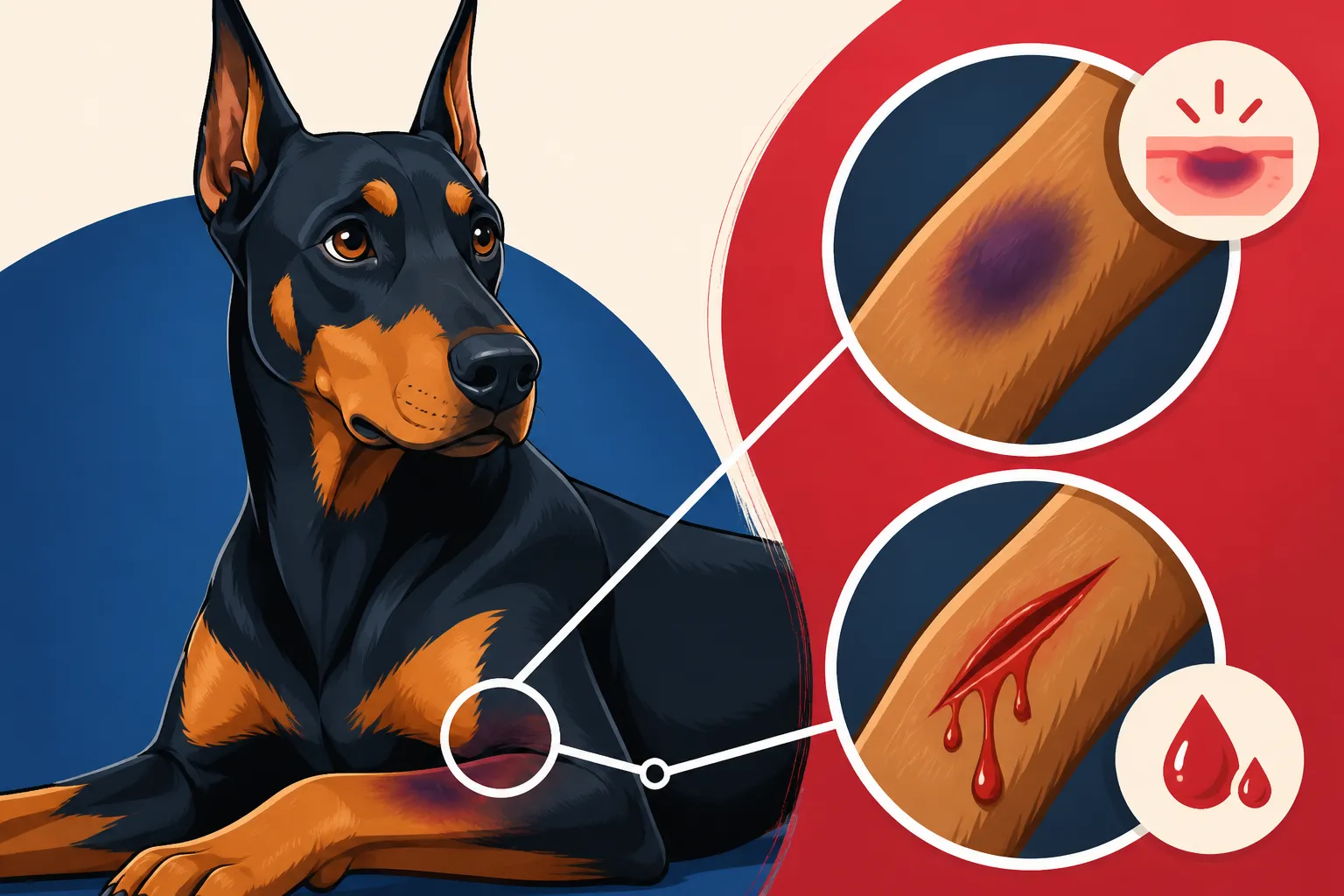
Dobermans have incredibly fine, short coats and relatively thin skin, which means minor bumps and scrapes can sometimes result in more visible bruising compared to breeds with thicker fur or more robust skin. You might find a purplish mark on their belly or inner thigh after a rough play session that would barely be noticeable on another dog. This isn't necessarily a sign of a bleeding disorder; it's often just a characteristic of their physical makeup. Their skin, while beautiful, doesn't offer the same protective padding as, say, a Great Pyrenees. This often leads owners to notice even minor skin abrasions or tears, particularly on areas like their ear flaps if they're left natural, or along their flanks where their skin is especially taut. For more insights on this, you might find our article on why a Doberman's thin skin tears easily particularly relevant.
When Normal Bruising Turns Concerning
While a stray bruise from an adventurous romp is one thing, persistent, widespread, or unusually large bruises, especially without a clear history of trauma, are definite red flags. If you notice small, pinpoint red or purple spots (called petechiae) on their gums, belly, or inside their ears, or larger splotches (ecchymoses), these are particularly worrying. These aren't just surface-level issues; they indicate bleeding under the skin that isn't due to a simple impact. This internal bleeding suggests a problem with their blood's ability to clot, and for a Doberman, this immediately brings one specific genetic condition to mind: Von Willebrand Disease. Understanding the nuances here can mean the difference between monitoring a minor injury and rushing your dog to emergency care.
Von Willebrand Disease: The Doberman's Unique Challenge
When we talk about Dobermans and bleeding, Von Willebrand Disease (vWD) inevitably comes up. It’s a genetic disorder that affects the blood's ability to clot properly, and it’s disproportionately prevalent in the breed. This isn't just a minor inconvenience; it can be life-threatening if not managed, especially during surgeries or after injuries. It's truly a defining health challenge for many Doberman lines. In fact, it is often referred to as The Bleeding Disorder Almost Every Doberman Line Carries.
Understanding How Von Willebrand Disease Works
Von Willebrand Disease is caused by a deficiency in Von Willebrand factor (vWF), a protein crucial for normal blood clotting. This protein acts like a glue, helping platelets stick together and adhere to damaged blood vessel walls, forming a plug to stop bleeding. Without enough functional vWF, this initial plug formation is impaired, leading to prolonged bleeding. There are different types of vWD, but Type I is the most common form found in Dobermans. Dogs with Type I vWD produce some vWF, but not enough, or it doesn't function correctly. This can lead to a wide range of symptoms, from barely noticeable issues to severe, spontaneous hemorrhages. Imagine your body trying to heal a cut without a vital component of its repair kit – that's essentially what happens with vWD. This makes everything from minor cuts to major surgeries a potential crisis.
Genetic Testing and What the Results Mean
The good news is that vWD in Dobermans can be identified through genetic testing, specifically a DNA test that detects the mutation responsible for Type I vWD. This simple, non-invasive test, often done with a cheek swab, is paramount for responsible Doberman breeding and for owners to understand their dog's risk. The results typically come back as "Clear," "Carrier," or "Affected." A "Clear" dog has two normal copies of the gene and will not develop vWD or pass it on. A "Carrier" dog has one normal copy and one mutated copy; they typically don't show symptoms but can pass the gene to their offspring. An "Affected" dog has two mutated copies and is at high risk of developing clinical bleeding episodes. Knowing if your Doberman is clear, carrier, or affected is vital. Our article on The Von Willebrand DNA Test for Dobermans elaborates on this in detail, and understanding Clear, Carrier and Affected Doberman Results is key to making informed decisions. Many Doberman owners also wonder How Many Dobermans Carry the Bleeding Gene, highlighting the widespread nature of this concern.
Recognizing the Specific Signs of vWD
The signs of vWD can vary greatly between affected Dobermans, with some showing only mild issues and others experiencing life-threatening bleeds. Common symptoms include:
- Easy Bruising: As mentioned, unexplained or excessive bruising is a primary indicator.
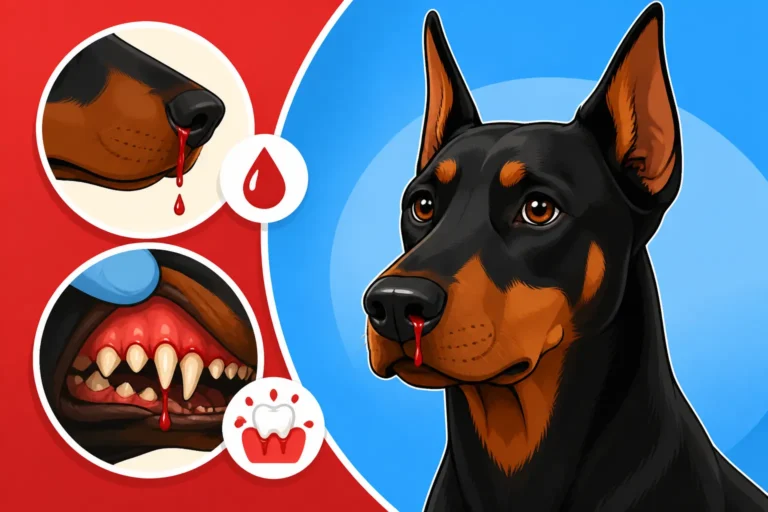
- Nosebleeds: Recurrent or prolonged nosebleeds, even from minor excitement or bumps. Our guide on Nosebleeds and Gum Bleeding in a Doberman offers more detailed insights here.
- Gum Bleeding: Bleeding from the gums, often noticed during teething in puppies, or after brushing teeth in adults.
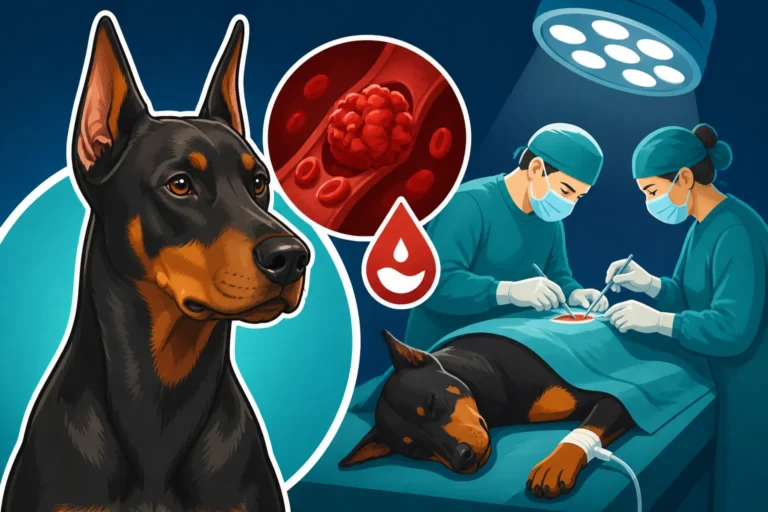
- Prolonged Bleeding After Injury or Surgery: This is perhaps the most classic sign. Even a small cut might bleed for an unusually long time. Surgical procedures, especially spaying, neutering, or ear cropping, can result in excessive hemorrhage, requiring immediate veterinary intervention.
- Blood in Urine or Stool: Less common, but internal bleeding can manifest this way.
- Lameness or Swelling: If bleeding occurs into joints or muscles, it can cause pain, lameness, and swelling.
It's crucial to distinguish these signs from normal minor incidents. If you suspect vWD, prompt veterinary consultation is essential. Early diagnosis allows for proactive management and can prevent serious complications. Even Whether an Affected Doberman Lives Normally depends heavily on diligent management once diagnosed.
Other Causes of Bleeding Disorders in Dobermans
While Von Willebrand Disease is the most common bleeding disorder in Dobermans, it's not the only one. Other conditions, ranging from platelet issues to organ dysfunction and even certain medications, can also lead to unusual bruising or bleeding. It’s important not to jump to conclusions but to work with your vet to thoroughly investigate all potential causes.
Platelet Problems and Their Impact
Platelets are tiny cell fragments in the blood that are vital for initiating the clotting process. They gather at the site of injury and form the first plug. If your Doberman has issues with the quantity or quality of their platelets, they can experience bleeding problems.
- Thrombocytopenia: This refers to a low platelet count. It can be caused by various factors, including immune-mediated diseases (where the body attacks its own platelets), certain infections (like tick-borne diseases), bone marrow disorders, or even some medications. Symptoms are similar to vWD: easy bruising, petechiae, nosebleeds, and prolonged bleeding.
- Thrombocytopathia: This is when the platelets are present in sufficient numbers but don't function correctly. While less common than vWD Type I, it can still impair clotting.
Diagnosing platelet disorders usually involves a complete blood count (CBC) to check platelet numbers, and sometimes specialized tests to assess platelet function. This means your vet will be looking at the total picture of your dog's blood components to pinpoint the exact problem.
Liver Disease and Coagulation Issues
The liver plays a critical role in producing many of the clotting factors necessary for blood coagulation. If your Doberman has liver disease, its ability to produce these factors can be severely compromised, leading to a bleeding tendency.
- Symptoms of Liver-Related Bleeding: Beyond general bruising and bleeding, Dobermans with liver disease might show other signs like lethargy, loss of appetite, vomiting, diarrhea, jaundice (yellowing of gums or eyes), and increased thirst or urination.
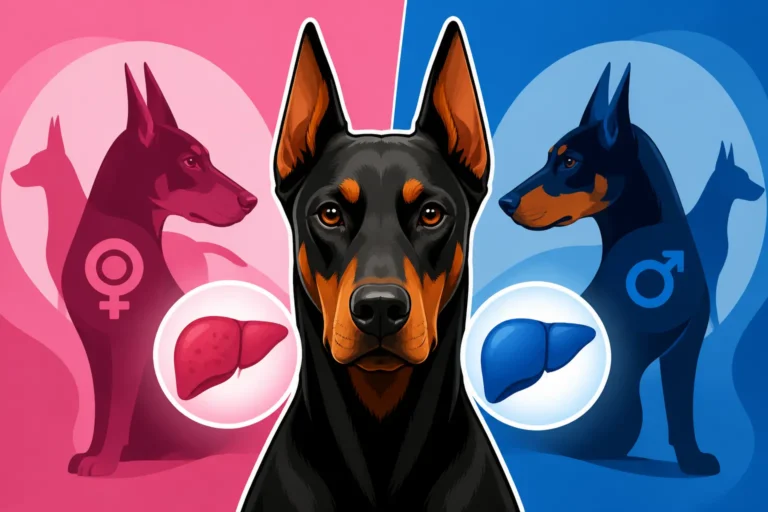
- Copper Storage Hepatopathy: Dobermans are unfortunately predisposed to Copper Liver Disease in Doberman Females, where excessive copper accumulates in the liver, leading to damage and dysfunction. This can directly impact clotting factor production. Monitoring Liver Enzyme Results in a Doberman is crucial for early detection of such issues.
Diagnosing liver disease involves blood tests to check liver enzyme levels, bile acids, and clotting times. Imaging, such as ultrasound, and sometimes a liver biopsy may be necessary to determine the extent and cause of the damage. A compromised liver is a serious condition, and its impact on clotting needs prompt and aggressive veterinary management.
Medications and Toxins That Increase Bleeding Risk
It’s easy to overlook, but certain medications and even common household toxins can significantly increase a Doberman's risk of bruising and bleeding. Always be transparent with your veterinarian about any supplements or over-the-counter drugs your dog is taking.
- NSAIDs (Non-Steroidal Anti-Inflammatory Drugs): Medications like carprofen, meloxicam, or aspirin, while effective for pain and inflammation, can inhibit platelet function and increase the risk of gastrointestinal bleeding. For a Doberman already predisposed to a bleeding disorder, these can be particularly dangerous. This is why it’s vital to be aware of Drugs a Doberman With Von Willebrand Should Avoid.
- Anticoagulants: Rarely prescribed for dogs, but if your Doberman is on any medication to thin their blood, excessive bleeding is an expected side effect.
- Steroids: Long-term use of corticosteroids can sometimes lead to thinning of the skin and blood vessel fragility, making bruising more likely.
- Rodenticides: These are incredibly dangerous. Rat and mouse poisons often contain anticoagulants (like warfarin derivatives) that cause severe, often fatal, internal bleeding by blocking Vitamin K, a critical component in the clotting cascade. If you suspect your Doberman has ingested rodenticide, seek emergency veterinary care immediately. Time is absolutely critical in these cases.
Always discuss all medications, even seemingly harmless supplements, with your vet, especially before any surgical procedure or if you notice any unusual bleeding.
Spotting the Warning Signs: When to Seek Veterinary Help
Knowing your Doberman's normal baseline is your superpower as an owner. Any deviation from that norm, especially when it comes to unexplained bruising or bleeding, warrants close attention. Being able to identify subtle clues can mean getting veterinary help before a minor issue becomes a crisis. It’s not about being paranoid, but about being prepared and observant.
Persistent Bruises and Petechiae
A single, small bruise after a particularly boisterous play session might just be a "Doberman thing" due to their thin skin. However, if you're consistently finding bruises, especially in unusual places like their gums, inner ears, or underbelly, this should raise a red flag. Petechiae, those tiny, pinpoint red or purple spots, are particularly concerning as they often indicate a significant problem with platelet function or blood vessel integrity. They don't blanch (turn white) when you press on them, distinguishing them from a simple rash.
Take a moment to regularly check these areas on your Doberman:
- Gums and Tongue: Lift their lips. Are there any tiny red dots or larger purple splotches? Healthy gums should be pink and smooth.
- Inner Ear Flaps: Gently inspect the inside of their ears.
- Abdomen and Groin: These areas often have less fur and thinner skin, making petechiae more visible.
If you find these persistent, unexplained bruises or petechiae, don’t wait. A prompt vet visit is necessary to determine the cause. This is especially important for breeds like Dobermans, given their genetic predispositions.
Visible Bleeding: Nose, Gums, and Internal Signs
Any visible bleeding that is excessive, prolonged, or occurs without obvious injury needs immediate attention. This includes:
- Nosebleeds (Epistaxis): A spontaneous nosebleed, especially if it's heavy or lasts longer than a few minutes, is a serious concern. Dobermans can get excited, and a brief nosebleed might occur, but recurrent or profuse bleeding requires investigation. Again, our article on Nosebleeds and Gum Bleeding in a Doberman can offer more specific guidance.
- Gum Bleeding: Beyond brushing, if your Doberman's gums bleed profusely when they chew a hard toy, or if you simply touch them, it indicates a problem.
- Bleeding from Other Orifices: Blood in vomit (hematemesis), blood in stool (melena – dark, tarry stool; or hematochezia – bright red blood), or blood in urine (hematuria) are all signs of internal bleeding and constitute an emergency. These often indicate more severe underlying issues that require immediate veterinary diagnosis and intervention.
Don't assume these issues will resolve on their own. Internal bleeding can lead to shock and be fatal if left untreated.
Post-Injury or Post-Surgical Bleeding
This is where vWD often becomes most apparent. If your Doberman sustains a minor cut or scrape, and it bleeds excessively or for an unusually long time, it’s a strong indicator of a clotting problem. Similarly, any surgical procedure – from a routine spay/neuter to more complex operations like Spaying a Doberman That Carries the Bleeding Gene – can become dangerous.
- Delayed Bleeding: Sometimes the immediate post-operative bleeding seems normal, but then several hours or even a day later, significant bleeding occurs at the surgical site.
- Hematoma Formation: Large, firm swellings under the skin, indicating a collection of blood, can form after injury or surgery.
- Uncontrolled Bleeding: If a surgical site or wound continues to seep blood despite pressure, or if the bandages become saturated quickly, it's an emergency.
Always inform your vet about any known family history of bleeding disorders or if your Doberman is a known vWD carrier or affected. Pre-surgical blood tests, including specific clotting panels, are absolutely vital. Our guide on Testing a Doberman for Von Willebrand Before Surgery underscores the importance of these precautions. If you’re ever unsure, it’s always better to contact your vet immediately.
Diagnosis and Treatment Approaches for Doberman Bleeding Disorders
When your Doberman exhibits concerning signs of bruising or bleeding, a prompt and thorough diagnostic workup is paramount. The sooner the underlying cause is identified, the sooner appropriate and potentially life-saving treatment can begin. It's a journey that requires close collaboration with your veterinary team.
Comprehensive Diagnostic Testing
Diagnosing a bleeding disorder in a Doberman typically involves a combination of physical examination, detailed history, and a battery of blood tests. Your vet will want to know when you first noticed the signs, how often they occur, and if there's any family history of bleeding issues.
- Complete Blood Count (CBC): This fundamental test evaluates red blood cells, white blood cells, and platelets. It can reveal anemia (due to blood loss), low platelet counts (thrombocytopenia), or other blood cell abnormalities.
- Coagulation Profile: This group of tests assesses how quickly your dog's blood clots.
- Prothrombin Time (PT) and Activated Partial Thromboplastin Time (aPTT): These measure the function of different clotting pathways. Prolonged times can indicate deficiencies in various clotting factors.
- Buccal Mucosal Bleeding Time (BMBT): A simple, in-clinic test where a small, standardized incision is made on the inside of the lip. The time it takes for bleeding to stop gives an indication of platelet function and vWF activity. A prolonged BMBT is a strong indicator of vWD.
- Von Willebrand Factor Antigen (vWF:Ag) Test: This specific blood test directly measures the amount of Von Willebrand factor in the blood. This is the definitive diagnostic test for vWD.
- Genetic Testing: As previously discussed, a DNA test for the vWD gene mutation is crucial for confirmation and for screening breeding dogs. This often involves sending a cheek swab to a specialized lab. The cost of a Doberman clotting test before surgery can vary, but it's a vital investment.
- Other Tests: Depending on initial findings, your vet might recommend additional tests such as a blood chemistry panel (to assess organ function, especially liver and kidneys), urinalysis, infectious disease screening (for tick-borne diseases that affect platelets), or even imaging studies if internal bleeding is suspected.
A proper diagnosis is the foundation for effective treatment, so allow your vet to perform all necessary diagnostics, even if it feels extensive.
Emergency Management of Acute Bleeding
If your Doberman is actively bleeding or showing signs of significant internal hemorrhage, it’s an emergency. Immediate veterinary attention is critical. The primary goals are to stop the bleeding, stabilize the patient, and address any resulting complications like shock or severe anemia.
- Direct Pressure: For external wounds, applying firm, direct pressure with a clean cloth or gauze is the first step.
- Fluid Therapy: Intravenous (IV) fluids are often administered to maintain blood pressure and combat shock, especially if significant blood loss has occurred.
- Blood Transfusions: For severe anemia or active, uncontrolled bleeding, blood transfusions may be necessary. This can involve whole blood, packed red blood cells, or fresh frozen plasma (FFP), which contains clotting factors and vWF. Our guide on Transfusions for a Doberman With a Clotting Problem offers more details on this critical intervention.
- Desmopressin (DDAVP): In some cases of Type I vWD, a synthetic hormone called desmopressin can be administered intravenously. It temporarily stimulates the release of stored vWF from endothelial cells (the lining of blood vessels), thereby increasing vWF levels and improving clotting. This is often used before scheduled surgeries in affected Dobermans.
- Surgical Intervention: In cases of severe internal bleeding, or bleeding from a specific vessel, surgical exploration and repair may be required.
Emergency treatment is intense and often costly, but it's often the only way to save a Doberman in crisis. Having a robust pet insurance plan like those offered by Healthy Paws can provide immense relief during these stressful and expensive times.
Long-Term Management and Lifestyle Adjustments
Once a bleeding disorder, especially vWD, is diagnosed, long-term management focuses on preventing future bleeding episodes and being prepared for emergencies. While there's no cure for genetic vWD, proactive steps can significantly improve your Doberman's quality of life.
- Avoidance of Triggering Medications: As mentioned, NSAIDs and certain other drugs can worsen bleeding. Always consult your vet before administering any medication, including over-the-counter options. This will help you steer clear of Drugs a Doberman With Von Willebrand Should Avoid.
- Careful Handling and Environment: While you don't need to wrap your Doberman in cotton wool, being mindful during rough play or avoiding situations where they might sustain injuries can help. For instance, if they're particularly rambunctious with other dogs, supervise interactions closely.
- Dental Hygiene: Regular dental care is important, but procedures like teeth cleaning (which often involves scaling below the gumline) need careful planning with your vet, potentially requiring pre-treatment with desmopressin or plasma transfusions.
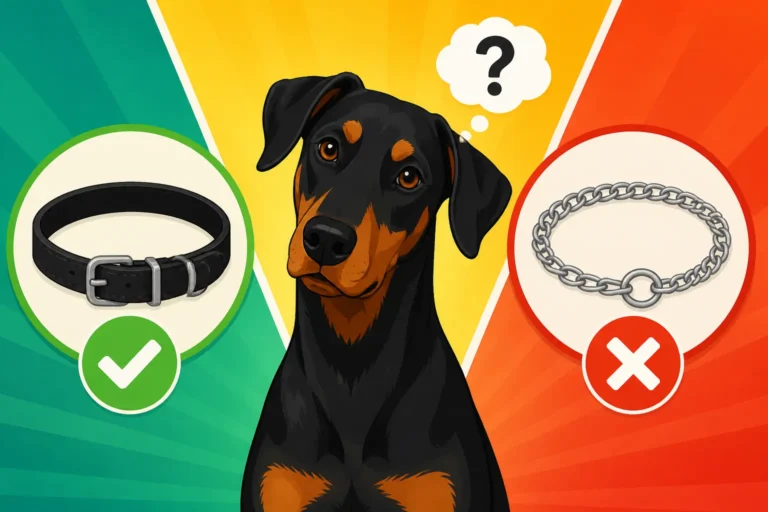
- Emergency Preparedness: Always have an emergency plan. Know the location of your nearest 24/7 veterinary emergency hospital. Consider wearing a medical alert tag on your Doberman's collar, indicating they have a bleeding disorder.
- Special Considerations for Females: If you have an intact female Doberman with a bleeding disorder, managing heats and considering Spaying a Doberman That Carries the Bleeding Gene requires careful planning with your vet to mitigate surgical bleeding risks.
- Home Management: For minor bleeds, knowing how to apply pressure and assess the situation is key. For practical advice on how to respond to common bleeding situations, check out our article on Managing a Doberman Bleed at Home.
Living with a Doberman with a bleeding disorder requires vigilance, but with proper care and communication with your veterinarian, these dogs can lead full and happy lives. Planning for potential health issues is a critical part of Doberman ownership, and having coverage from providers like Healthy Paws can help manage the financial strain of ongoing care.
Proactive Steps for Doberman Owners
Being a Doberman owner means being proactive, especially concerning their health. With predispositions to certain conditions like bleeding disorders, taking preventative measures and being well-informed can make a huge difference in your dog's life and your peace of mind.
Importance of Breeder Screening and Health History
One of the most powerful tools against inherited conditions like Von Willebrand Disease is responsible breeding. When searching for a Doberman puppy, always choose a breeder who performs comprehensive health testing on their breeding stock, including genetic testing for vWD.
- Ask for Test Results: A reputable breeder will be transparent and provide documentation for all health clearances, including the vWD DNA test results for both parents. They should be able to show you that both parent dogs are at least "Clear" or "Carrier" (if they breed carriers, they should only breed to clear dogs to ensure no affected puppies are produced).
- Understand Pedigrees: A good breeder will understand their dogs' pedigrees and the prevalence of vWD in their lines. They won't shy away from discussing potential health concerns but will instead demonstrate how they're actively working to mitigate them.
- The Difference a Breeder Makes: Choosing a puppy from health-tested parents significantly reduces the risk of bringing an affected Doberman into your home. This upfront diligence can save you immeasurable heartache and financial strain down the line.
Remember, a cheap puppy often comes with hidden costs in terms of health problems. Investing in a puppy from a reputable, health-conscious breeder is one of the best proactive steps you can take for your Doberman's long-term health.
Avoiding Risky Medications and Situations
Knowledge is power when it comes to preventing bleeding episodes in Dobermans, especially those known to be affected or carriers of vWD.
- Veterinary Consultation for All Meds: Make it a strict rule to never administer any medication, supplement, or over-the-counter drug without first consulting your veterinarian. This includes pain relievers, anti-inflammatories, and even herbal remedies. As we discussed earlier, certain drugs can severely impact clotting.
- Environmental Awareness: Be mindful of your Doberman's environment. While they need exercise and stimulation, try to minimize situations where they might sustain deep cuts or punctures. For example, avoid letting them run unsupervised in areas with sharp debris or dense underbrush.
- Recognizing Early Signs of Illness: Promptly address any signs of illness, as some conditions (like certain infections or liver issues) can indirectly contribute to bleeding problems. The sooner an underlying issue is treated, the less likely it is to escalate into a bleeding crisis.
By being cautious and working closely with your vet, you can create a safer environment and reduce the risk of unexpected bleeding.
Preparing for the Unexpected
Even with the best preventative measures, unforeseen accidents or health crises can happen. Being prepared financially and logistically can make a world of difference when minutes count.
- Emergency Fund or Pet Insurance: Dobermans are prone to several health issues, and bleeding disorders are just one. Having an emergency fund specifically for veterinary care, or investing in comprehensive pet insurance early in your Doberman's life, is incredibly wise. Policies from providers like Healthy Paws can cover a significant portion of unexpected veterinary bills, including emergency treatments, diagnostics, and ongoing medication. It's important to remember that conditions diagnosed before coverage begins are often considered Von Willebrand as a Pre-Existing Doberman Condition, so enrolling early is key.
- Veterinary Contacts: Keep your regular vet's number and the number of your nearest 24-hour emergency veterinary hospital readily accessible. Program them into your phone and post them somewhere visible at home.
- Medical Alert Information: Consider a collar tag or microchip registration that clearly states your Doberman has a bleeding disorder (if diagnosed). This information can be critical in an emergency if your dog is lost or you're incapacitated.
- First Aid Kit: Have a basic pet first aid kit on hand, including clean bandages, antiseptic wipes, and medical tape. Knowing how to apply pressure to a bleeding wound can buy precious time while you travel to the vet.
While we all hope our Dobermans live long, healthy lives without major health scares, being prepared for potential bleeding issues is a fundamental part of responsible Doberman ownership. It allows you to act decisively and confidently when your beloved companion needs you most.
Disclaimer
Please remember that this article provides general information and should not be considered a substitute for professional veterinary advice. Always consult with a qualified veterinarian for any health concerns or before making any decisions about your Doberman's medical care. Individual cases may vary, and only a veterinarian can provide an accurate diagnosis and appropriate treatment plan.