Whether Sport Makes a Doberman More Dangerous
Doberman sport training and protection work impact canine temperament, public perception, control, and everyday behavior safely.
Work with the temperament you have.
House-training and crate work, recall, leash manners, separation anxiety, and the behaviors this breed is wired for.
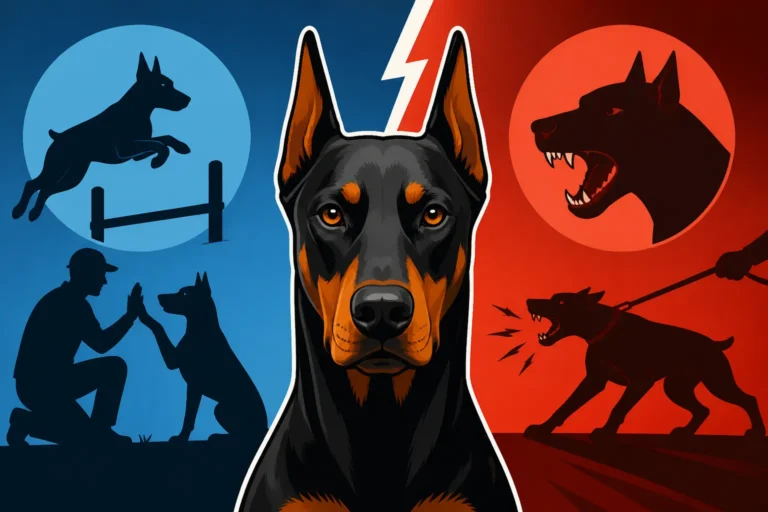
Doberman sport training and protection work impact canine temperament, public perception, control, and everyday behavior safely.

Doberman sport training timelines and developmental stages help owners safely introduce puppies to obedience and agility.
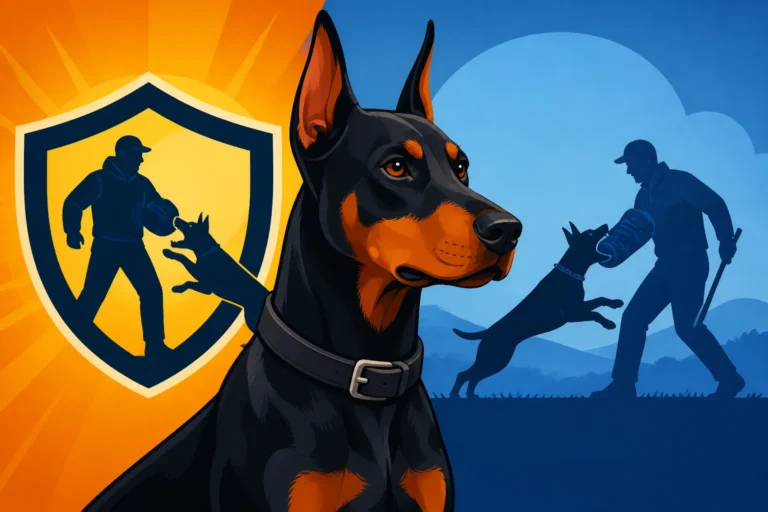
Finding the right protection club for a Doberman helps channel breed drive into structured sports like IGP and French Ring.
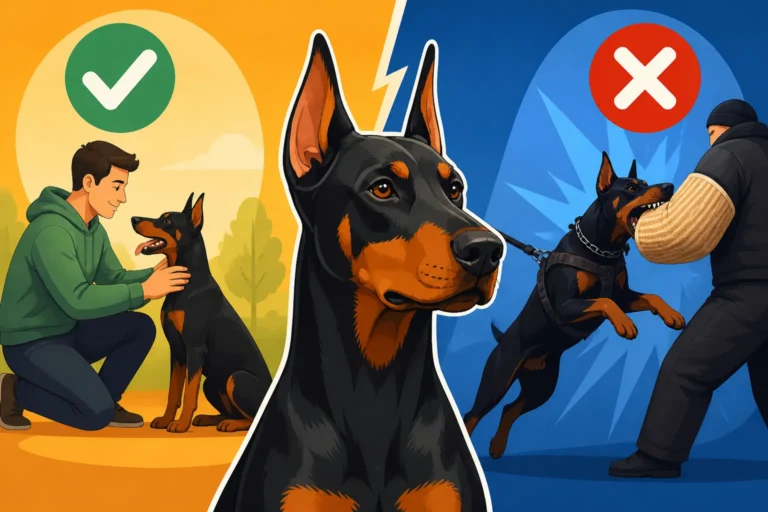
Doberman bite work training involves significant risks, demanding strict obedience and discipline to manage natural guarding instincts effectively.
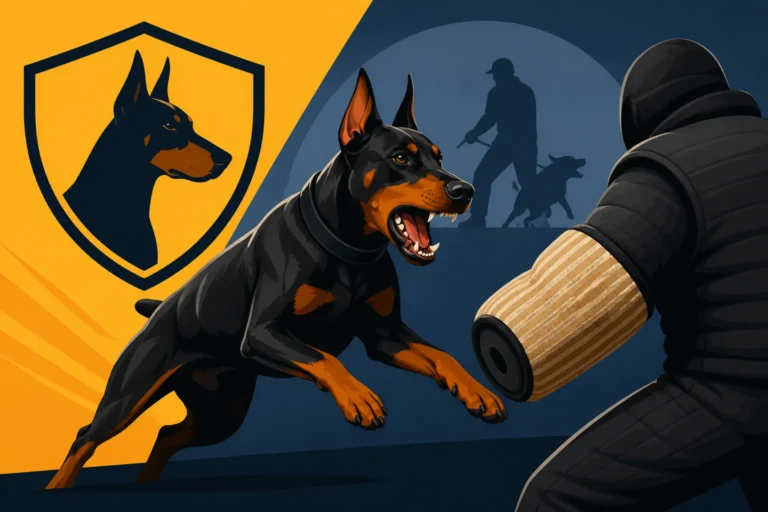
Protection sport for Dobermans combines obedience, tracking, and controlled exercises to test temperament, nerve, trainability, and handler control.
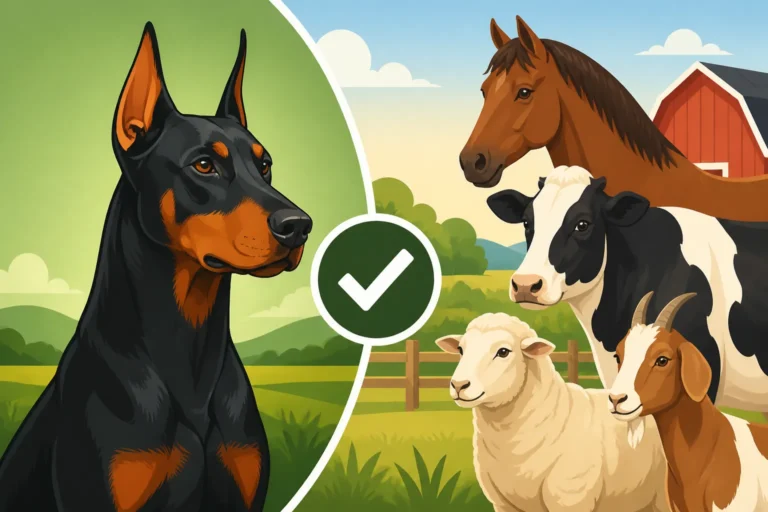
Doberman prey drive instincts, guarding differences, and puppy socialization methods required for living safely with chickens and farm animals.
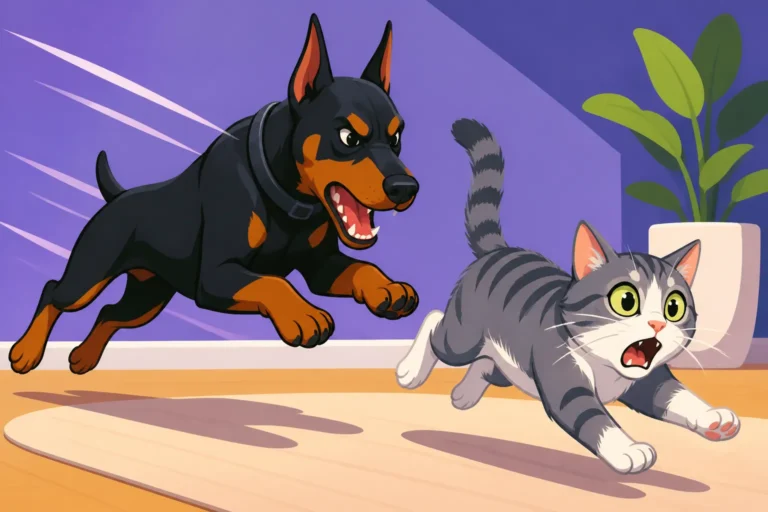
Doberman instinctual prey drive triggers cat chases, explaining why dogs pursue felines and how home safety zones establish peace.
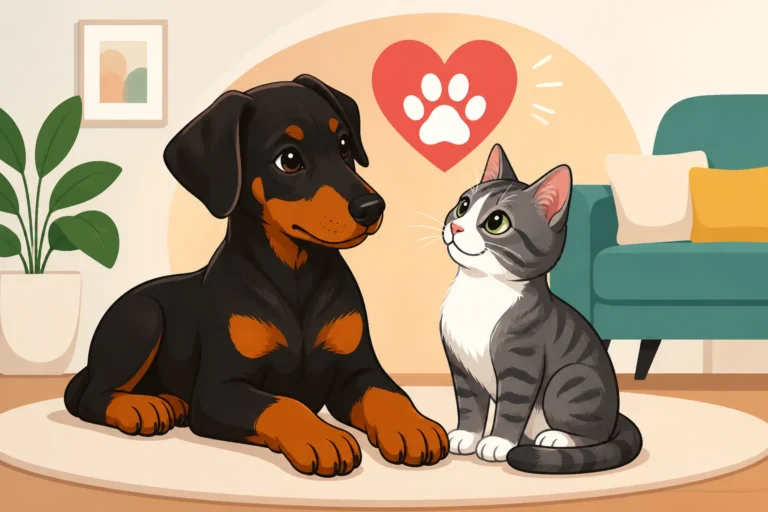
Doberman puppy and cat introduction steps, managing prey drive, impulse control, and stress signals for safe coexistence.
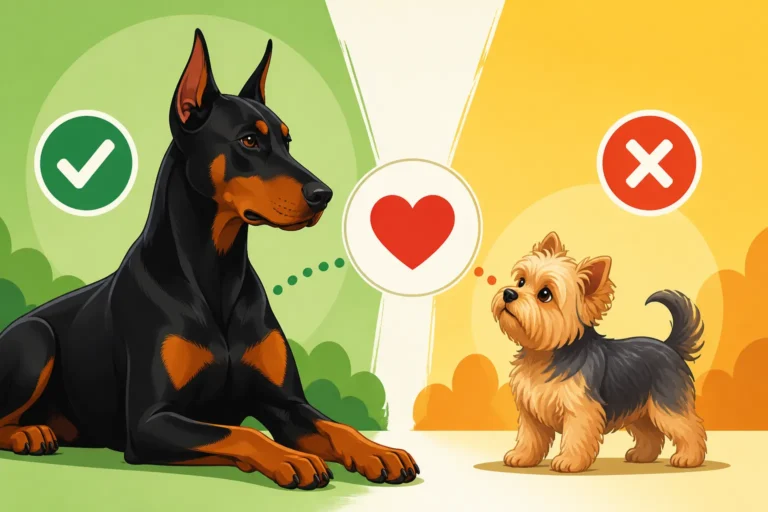
Doberman temperament and predatory instincts explain whether powerful dogs can coexist peacefully with small companions.
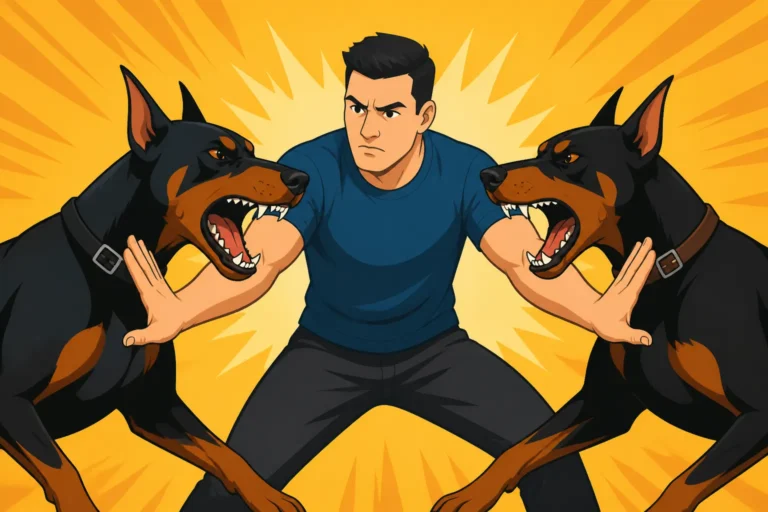
Doberman conflicts between housemates stem from resource guarding, fear, and personality mismatches, requiring careful prevention strategies.