A Doberman Puppy That Hides From New People
Doberman puppy hiding behavior stems from genetics, early experiences, or fear periods, requiring careful handling to build confidence.
Work with the temperament you have.
House-training and crate work, recall, leash manners, separation anxiety, and the behaviors this breed is wired for.
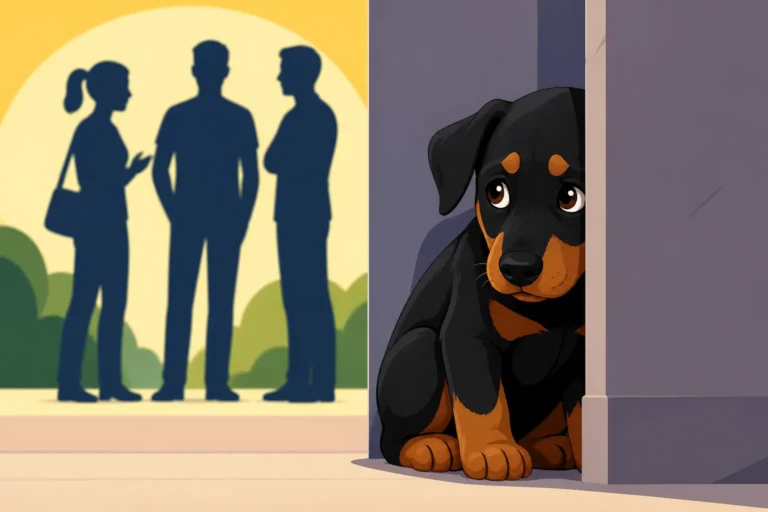
Doberman puppy hiding behavior stems from genetics, early experiences, or fear periods, requiring careful handling to build confidence.

Puppy class for a Doberman provides early socialization and basic manners, but further specialized training is required for adults.
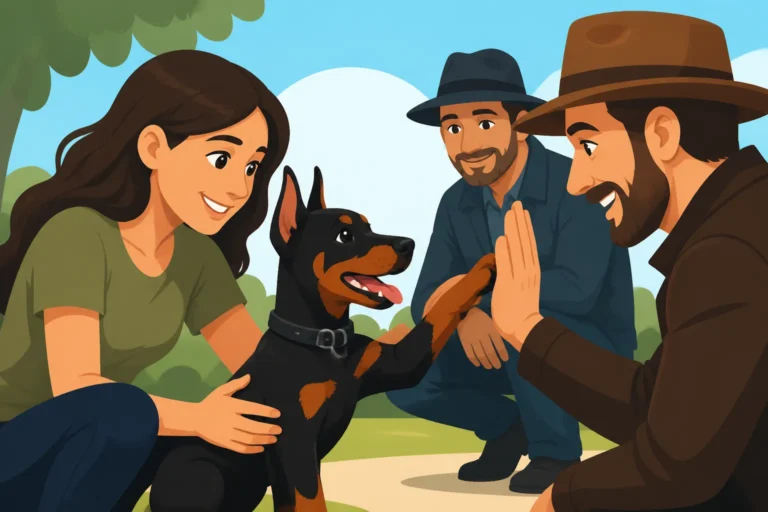
Doberman puppy socialization explains why unfamiliar silhouettes like hats trigger fear during critical developmental periods.
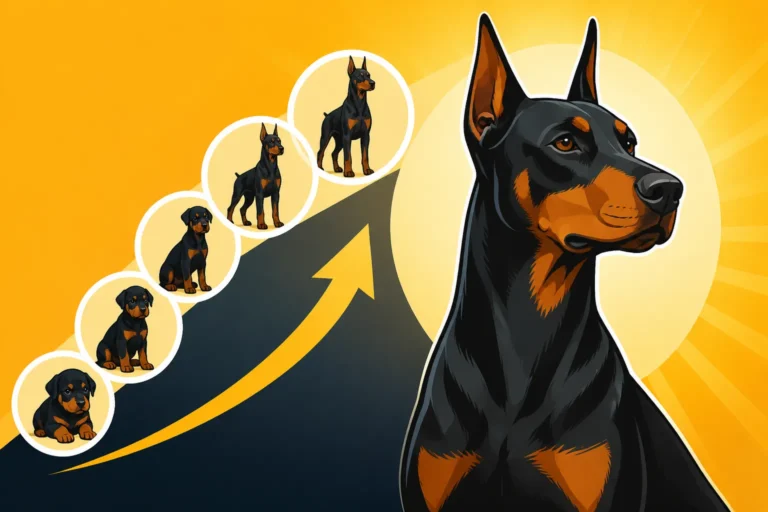
The first sixteen weeks of a Doberman puppy shape neurological development, early socialization phases, and adult temperament.
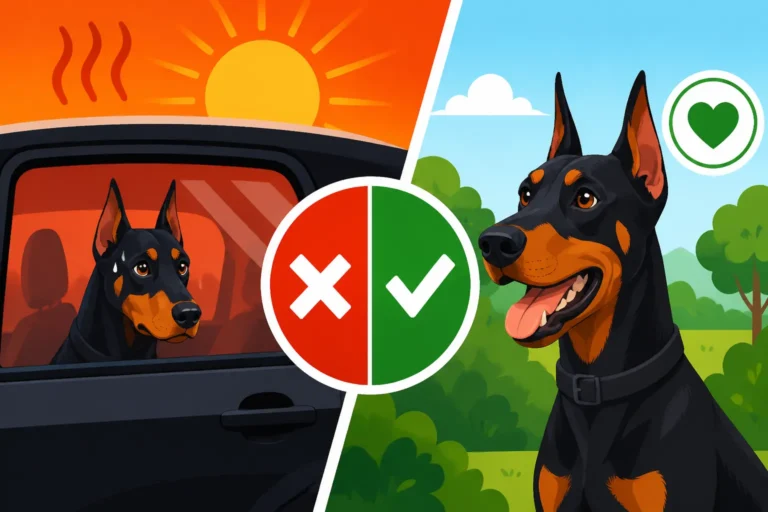
Vehicle temperature extremes, theft risks, and guarding instincts explain why leaving a Doberman unattended creates dangerous situations.
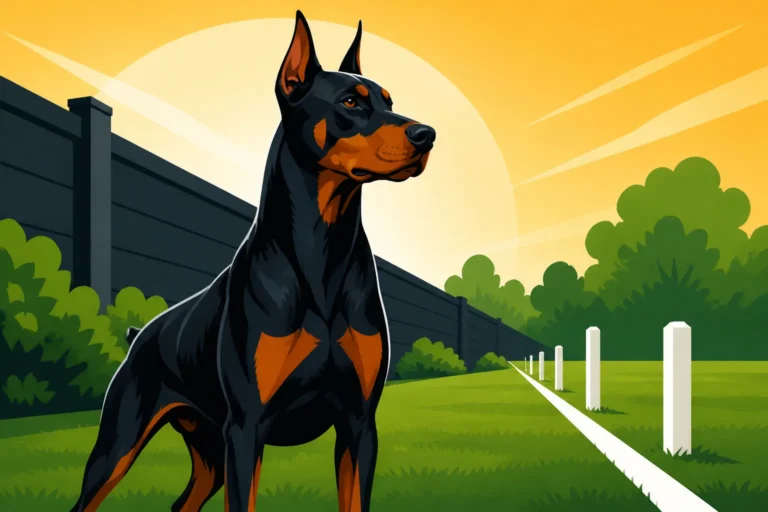
Doberman yard line guarding behavior stems from ancestral traits, requiring practical strategies to manage stress and reactivity.
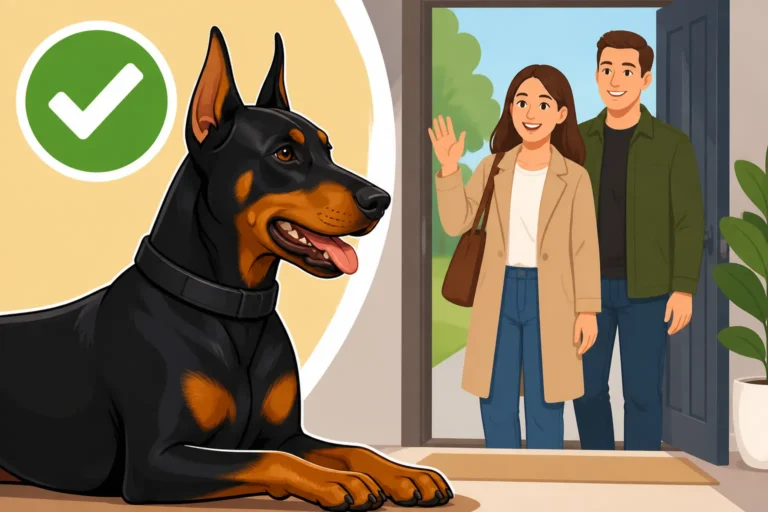
Doberman guardian instincts and early socialization strategies explain how to stop barking when visitors arrive at home.
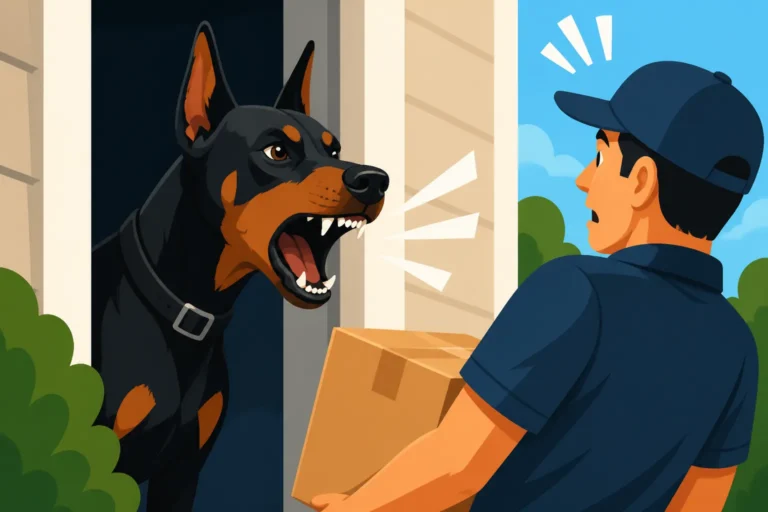
Doberman delivery driver reactions stem from guardian instincts, requiring positive socialization and management strategies to stop growling.

Doberman protection instincts and true defensive behavior explained through natural awareness, loyalty, and breed history.
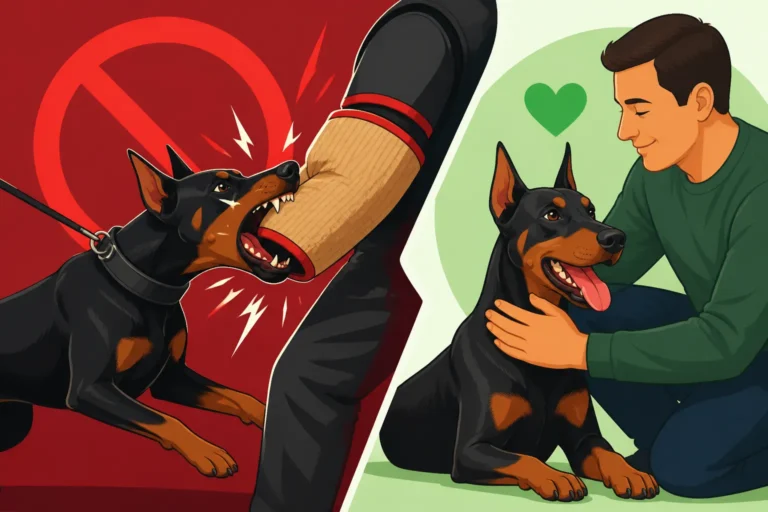
Bite work for a family Doberman creates severe safety risks, unlike natural guarding instincts and controlled sport training.