Changing a Doberman’s Food Slowly
It’s a common scenario: you’ve found a new food you believe will be perfect for your Doberman, perhaps one tailored for sensitive stomachs or higher energy levels, and you’re excited to make the switch. But then the worry creeps in – what if it upsets their notoriously delicate digestive system? Changing your Doberman's food too abruptly can lead to a whole host of uncomfortable issues, from severe diarrhea to a complete refusal to eat, leaving both you and your loyal companion stressed and miserable. This guide will walk you through the essential steps and considerations for a smooth, gradual food transition, helping your Doberman adjust to their new diet without a hitch.
Why a Gradual Food Transition is Essential for Your Doberman
Dobermans, while robust and athletic in appearance, often have a surprisingly sensitive digestive system. Unlike some breeds that can tolerate a quicker food swap with minimal fuss, a Doberman’s gut flora can be easily disrupted by sudden changes. This isn't just about a little upset tummy; it can lead to significant discomfort and even health concerns.
The Delicate Balance of Your Doberman's Gut
Think of your Doberman's digestive tract as a bustling ecosystem, teeming with billions of beneficial bacteria that work tirelessly to break down food, absorb nutrients, and fight off pathogens. Each type of dog food, whether it’s a kibble, wet food, or raw diet, presents a unique blend of ingredients, protein sources, carbohydrates, and fats. When you suddenly introduce a completely different food, you're essentially throwing a wrench into this finely tuned machine. The existing bacteria aren't immediately equipped to process the new ingredients efficiently, leading to an imbalance.
This imbalance manifests in ways that are all too familiar to Doberman owners: sudden bouts of diarrhea, vomiting, excessive gas, or constipation. These aren't just unpleasant; they can quickly lead to dehydration and discomfort for your dog. For a breed already prone to issues like gastric dilatation-volvulus (GDV), also known as bloat, digestive upset can be particularly worrying. While food changes aren't a direct cause of bloat, the stress and gas associated with a sudden dietary shift certainly don't help in mitigating risk. A slow transition allows the gut microbiome time to adapt, gradually shifting its composition to efficiently digest the new food without revolt.
Minimizing Stress and Encouraging Acceptance
Beyond the biological aspect, there's the psychological one. Dobermans are intelligent and often quite sensitive dogs. A sudden change in their routine or food bowl can be a source of stress. If they associate the new food with an upset stomach, they might develop an aversion to it, making future feedings a battle. Imagine trying a new meal that immediately gives you an upset stomach; you'd be hesitant to try it again, right? It's the same for your Doberman.
A slow introduction helps your Doberman get accustomed to the new food's smell, taste, and texture gradually. They'll start to recognize it as part of their meal without feeling overwhelmed or wary. This is especially important if you have a picky Doberman, who might turn up their nose at anything unfamiliar. By mixing it in small, increasing amounts, you make the new food a less intimidating presence in their bowl, encouraging them to accept it willingly. This thoughtful approach validates their sensitive nature and sets them up for success with their new diet.
The Step-by-Step Guide to a Smooth Doberman Food Transition
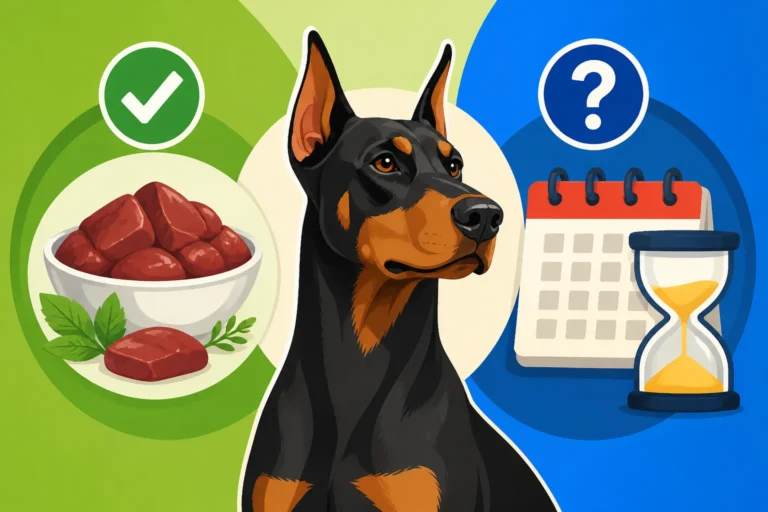
Making a food change for your Doberman should be a deliberate, week-long process, at minimum. For particularly sensitive dogs, extending this period can be hugely beneficial. This isn’t a race; it’s about ensuring your Doberman’s comfort and health.
Day-by-Day Mixing Proportions
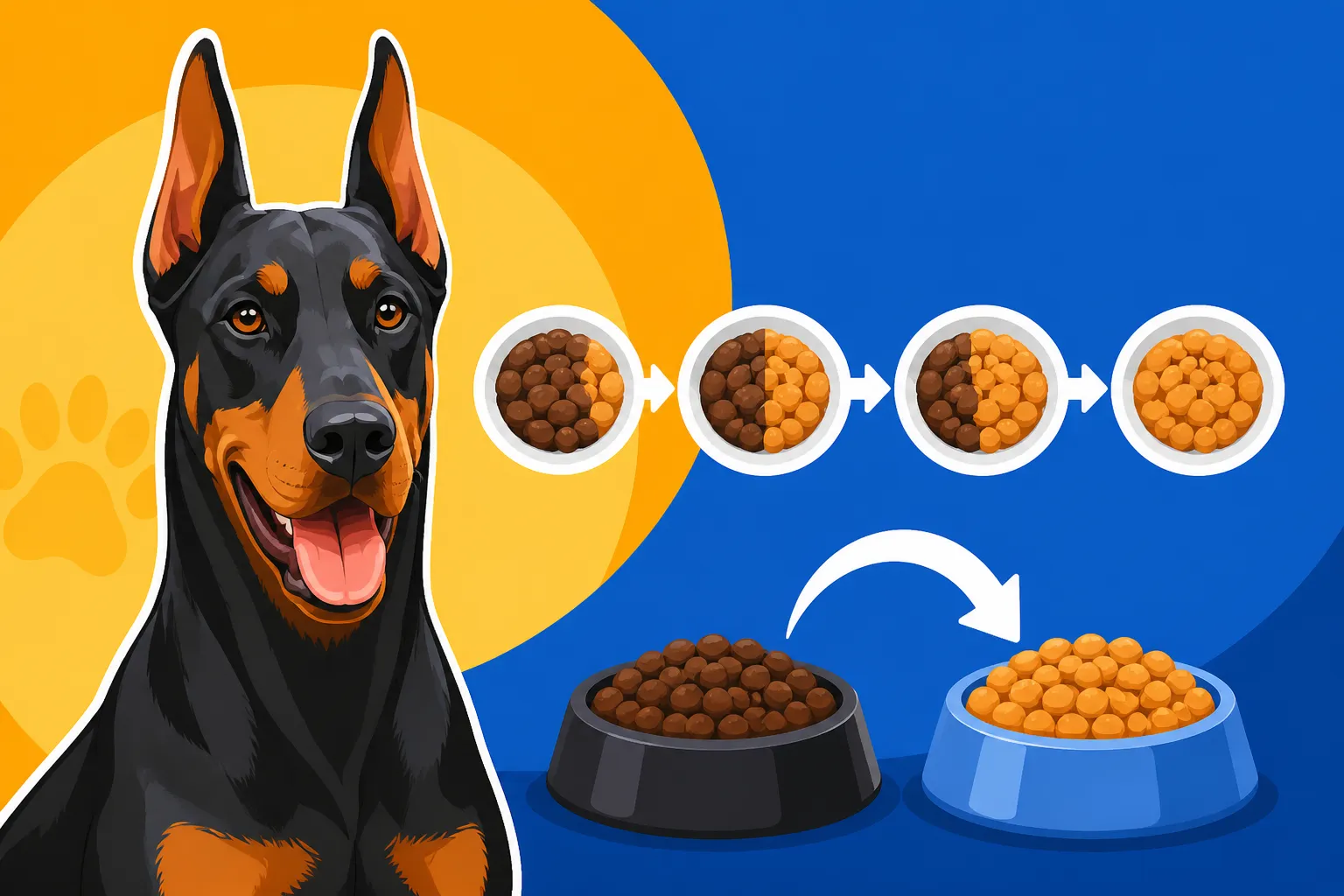
The golden rule here is gradual introduction. You'll be mixing the new food with the old food, slowly increasing the proportion of the new diet while decreasing the old. Here's a common schedule that works well for most Dobermans, typically spanning about 7-10 days:
| Day | Old Food Percentage | New Food Percentage | Doberman's Reaction |
|---|---|---|---|
| 1-2 | 75% | 25% | Observe for any changes in stool consistency, appetite, or energy. |
| 3-4 | 50% | 50% | Continue monitoring closely. Stools should still be firm and well-formed. |
| 5-6 | 25% | 75% | Any minor soft stools should be improving. If not, slow down. |
| 7-10 | 0% | 100% | Your Doberman should now be fully on the new food with healthy digestion. If not, extend the 25%/75% phase. |
Important Note: This is a guideline. If at any point your Doberman shows signs of digestive upset – loose stools, vomiting, excessive gas, or discomfort – slow down. Go back to the previous day's ratio and maintain it for an extra day or two until their system settles before attempting to increase the new food again. Some Dobermans might need a two-week transition, especially if they have a history of a very sensitive stomach or are older. When considering The Doberman Years When Everything Shows Up, their digestive resilience can change.
Tips for Success During Transition
- Consistency is Key: Try to feed at the same times each day. Dobermans thrive on routine, and meal times are no exception. Sticking to a schedule helps their digestive system anticipate food and process it efficiently.
- Don't Add Extras: During a food transition, avoid introducing new treats, table scraps, or chews that could confuse their digestive system further. Keep their diet as simple and consistent as possible to accurately gauge how they're reacting to the new food.
- Monitor Water Intake: Ensure your Doberman always has access to fresh, clean water. Any digestive upset, particularly diarrhea, can quickly lead to dehydration, and adequate water intake is crucial for overall gut health.
- Observe Stool Quality: This is your primary indicator of how well the transition is going. Ideally, your Doberman's stools should remain firm, well-formed, and consistent in color. Loose stools, diarrhea, or unusual colors are signs to slow down the transition. You're looking for The Age Doberman Heart Disease Usually Starts, but you're also looking for consistency in their waste.
- Keep an Eye on Appetite and Energy: A healthy Doberman should maintain a good appetite and their usual energy levels. A sudden decrease in appetite or lethargy could indicate that the new food isn't sitting well with them, or there might be an underlying issue.
- Store Food Properly: Always store both the old and new foods in airtight containers in a cool, dry place to maintain freshness and prevent spoilage. This is especially important if you're buying bigger bags from retailers like Chewy or Amazon.
Troubleshooting Common Issues During a Food Transition
Even with the most careful planning, sometimes things don't go exactly as expected. It's frustrating when your Doberman shows signs of discomfort, especially when you're trying to do what's best for them. Knowing how to react to common transition woes can save you a lot of worry.
Dealing with Digestive Upset
The most frequent issue owners face during a food change is digestive upset. This often manifests as soft stools or outright diarrhea. It can also include increased gas, stomach gurgling, or even vomiting.
- Loose Stools/Diarrhea: If you notice your Doberman's stools becoming soft or watery, immediately revert to the previous feeding ratio where their digestion was stable. For example, if you were at 50/50 and issues began, go back to 75% old food, 25% new. Maintain this ratio for an additional 2-3 days, or until stools firm up completely. You might even consider extending the transition period to 10-14 days instead of 7. Adding a probiotic supplement specifically designed for dogs can also help support their gut flora during this time. Consult your vet for advice on appropriate probiotics.
- Vomiting: If your Doberman vomits more than once or seems lethargic, it's time to pause the new food entirely and contact your veterinarian. Vomiting can quickly lead to dehydration, and it's essential to rule out any other underlying health concerns.
- Excessive Gas: More gas than usual is often a sign that the new food is causing some fermentation in the gut that the bacteria aren't used to. Try slowing the transition even further. Ensure the new food is not being eaten too quickly; sometimes a slow-feeder bowl can help if speed is an issue. Meal Timing on a Deep-Narrow Doberman Chest is especially important to consider, as fast eating can contribute to issues beyond just gas.
When Your Doberman Refuses the New Food
Some Dobermans can be notoriously picky, and a new food, even mixed in, might be met with suspicion or outright refusal. This can be incredibly disheartening when you've invested in what you believe is a better diet for them.
- Outright Refusal: If your Doberman picks out the old food and leaves the new, or simply walks away from the bowl, try reducing the amount of new food even further. Start with just a tiny pinch, almost imperceptible, and gradually increase over an extended period. You can also try adding a highly palatable, Doberman-safe topper like a spoonful of plain canned pumpkin (not pie filling!) or a bit of low-sodium chicken broth to entice them. Some fresh food brands like Ollie often come with their own transition guides, knowing that palatability can be a hurdle.
- Loss of Appetite: If your Doberman, who is usually a good eater, suddenly loses interest in food during the transition, it could be a sign of digestive discomfort. Revert to the old food entirely for a day or two to settle their stomach, then reintroduce the new food at a much slower pace. If the lack of appetite persists, or if they show other symptoms like lethargy, it's best to consult your vet.
Remember, patience is paramount. Your Doberman relies on you to make these dietary changes smoothly and safely.
When to Consider a Diet Change for Your Doberman
Deciding to change your Doberman’s food isn’t a decision to be taken lightly. It’s often motivated by a desire to improve their health, manage specific conditions, or simply provide a better quality of life. Understanding when and why to make this change is as important as knowing how to do it.
Addressing Health Concerns and Life Stages
One of the most common reasons for a diet change is to address specific health issues or support different life stages. Dobermans, unfortunately, are prone to certain breed-specific health challenges that can greatly benefit from a tailored diet.
- Allergies and Sensitivities: If your Doberman suffers from chronic itching, ear infections, or consistent digestive upset on their current food, they might have a food allergy or sensitivity. Switching to a limited ingredient diet (LID) or a novel protein source (e.g., duck, venison, or fish instead of common chicken or beef) can often provide significant relief. Your vet might recommend a prescription diet to help identify and manage these sensitivities. This is a common reason owners explore different brands available through pet supply retailers like Chewy.
- Weight Management: Dobermans are meant to be lean and athletic. If your Doberman is struggling with being overweight or underweight, a diet change can be crucial. Overweight Dobermans benefit from lower-calorie, higher-fiber foods to promote satiety and healthy weight loss. Conversely, an underweight Doberman, especially an active one, might need a more calorie-dense food with appropriate protein and fat levels. Regularly assessing Reading Ribs and Hip Points on a Doberman helps you gauge their ideal weight.
- Aging Dobermans: As your Doberman enters their senior years, their nutritional needs shift. Older Dobermans often require fewer calories to prevent weight gain due to decreased activity, but they may need increased protein to maintain muscle mass and supplements for joint health. Look for senior-specific formulas that address these needs. Feeding and Grooming a Doberman Past Eight becomes a different ballgame.
- Specific Medical Conditions: Certain Doberman health conditions necessitate a special diet. For example, if your Doberman is diagnosed with Copper Liver Disease in Doberman Females, they will require a prescription low-copper diet. Similarly, Dobermans with kidney disease, pancreatitis, or certain heart conditions may need specialized veterinary diets to manage their symptoms and support organ function. Your vet is the best resource for navigating these complex dietary needs.
- Coat and Skin Issues: While Color Dilution Alopecia in Blue and Fawn Dobermans isn't curable through diet, a Doberman suffering from dull coat, excessive shedding (beyond normal), or dry, flaky skin might benefit from a food rich in omega-3 and omega-6 fatty acids.
Improving Overall Health and Performance
Sometimes, you might consider a food change simply because you want to upgrade your Doberman’s nutrition for optimal health and athletic performance, even without a specific medical diagnosis.
- Better Ingredient Quality: Many owners choose to switch to foods with higher quality, more digestible ingredients, such as those with whole meat as the first ingredient, fewer fillers, and no artificial preservatives or colors. Researching reputable brands and reading labels carefully, whether online through Amazon or at a local pet store, is key here.
- Supporting High Activity Levels: A Doberman involved in working sports, agility, or simply leading a very active lifestyle will have different caloric and nutritional demands than a less active companion. High-performance formulas with increased protein and fat can provide the sustained energy they need.
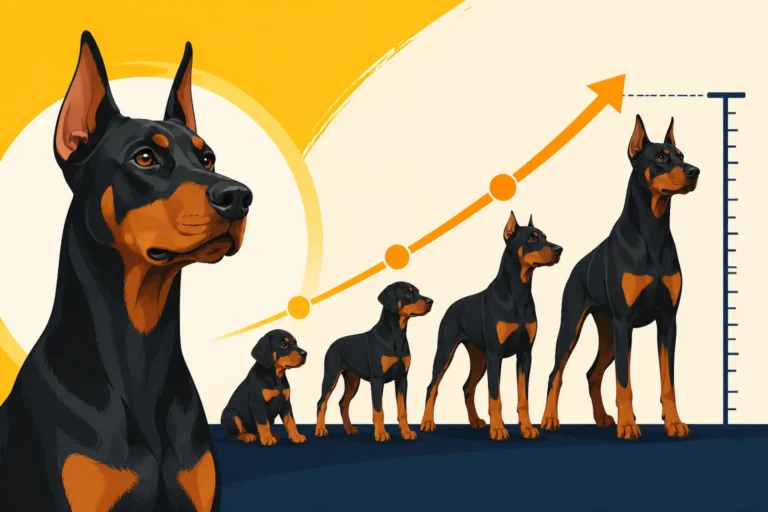
- Transitioning from Puppy to Adult Food: As your Doberman puppy matures, they need to transition from a growth-focused formula to an adult maintenance diet. This usually happens between 12-18 months of age, depending on their individual growth rate. The Age a Doberman Leaves Puppy Food Behind is a crucial time for this type of transition. Puppy foods are calorie-dense and formulated for rapid development, which isn't suitable for an adult Doberman. A gradual transition ensures their system adjusts without a hiccup.
Always consult your veterinarian before making any significant dietary changes, especially if it’s for a medical reason. They can provide guidance tailored to your Doberman's specific needs, health status, and lifestyle.
Disclaimer
This article is for general informational purposes only and does not constitute professional advice. Laws, prices and regulations vary by location and change over time. Consult a qualified professional for guidance on your specific situation.