Whether Anything Puts Shine Back on a Doberman
It's incredibly frustrating when you look at your beautiful Doberman and notice their usually sleek, glistening coat has lost its luster, looking dull, dry, or even a bit flaky. You want them to look as magnificent as they feel, but sometimes, despite your best efforts, that signature Doberman sheen just seems to vanish. This guide will walk you through the common reasons why a Doberman's coat might lose its shine and, more importantly, what actionable steps you can take to bring back that healthy, head-turning gloss.
Understanding Your Doberman's Coat: Why It Might Lack Luster
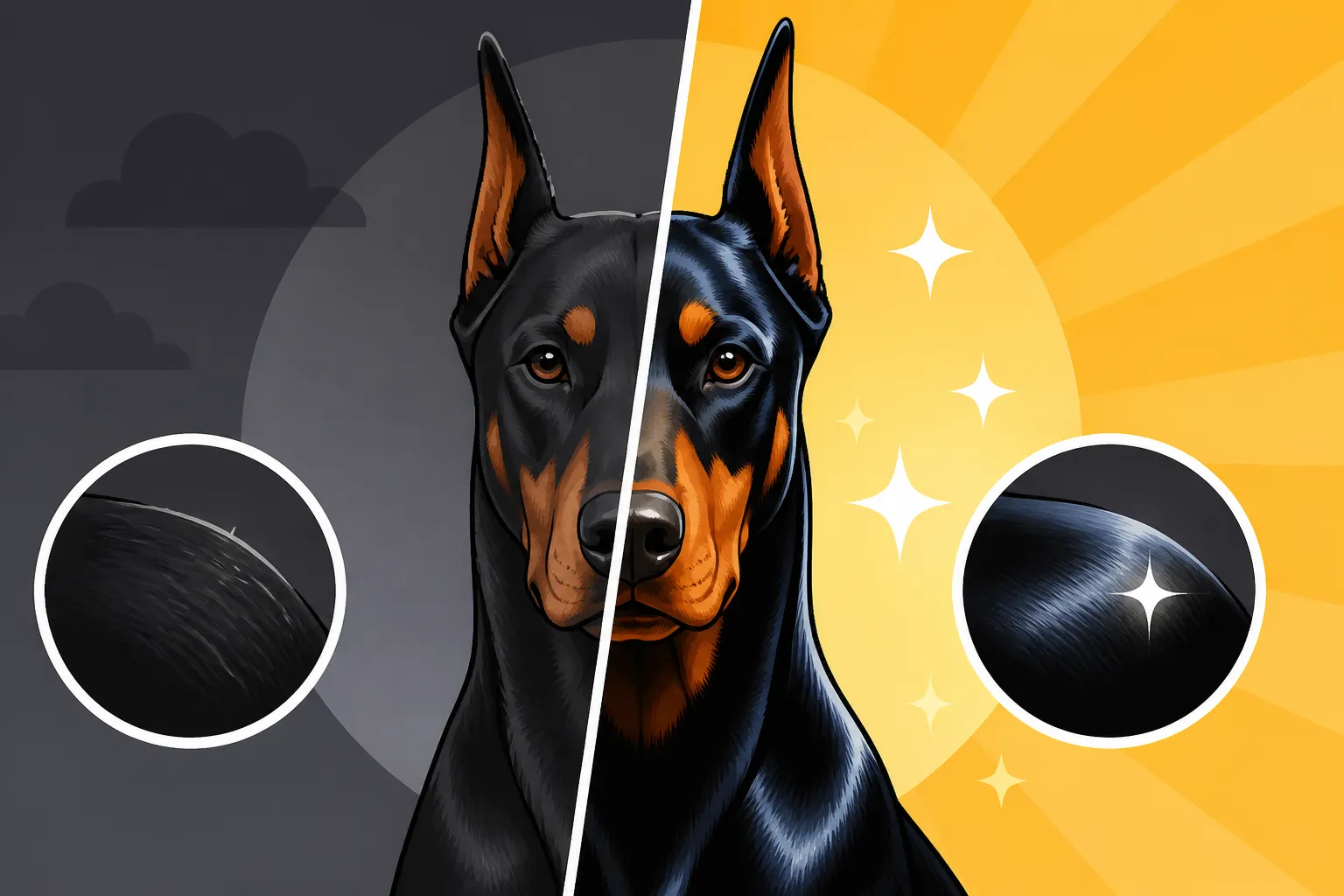
The Doberman is renowned for its short, hard, and naturally glossy coat. It's one of their defining features, contributing to their athletic and elegant appearance. So, when that shine diminishes, it's often more than just a cosmetic concern; it can be a subtle indicator that something in their environment, diet, or overall health needs a closer look.
The Doberman's Unique Coat Structure
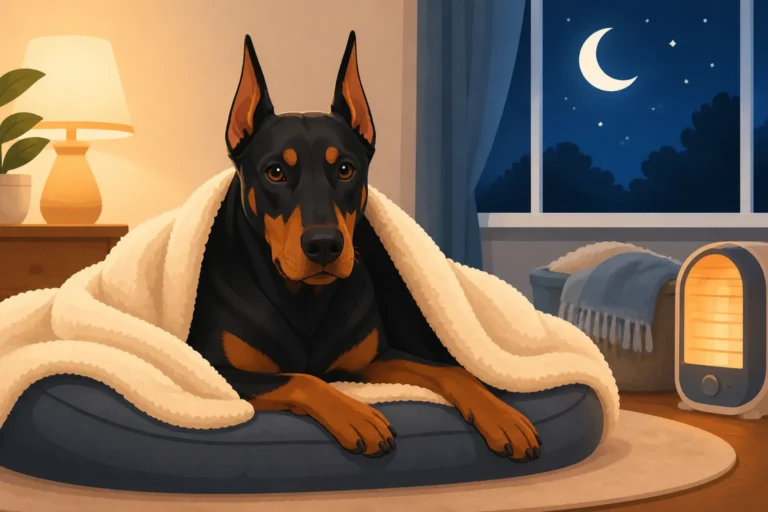
Unlike many breeds with dense undercoats, Dobermans possess a single-layered, smooth coat that lies close to the body. This structure, while low-maintenance in terms of shedding volume compared to a double-coated breed, makes the health and condition of each individual hair strand particularly visible. There's no fluffy undercoat to hide dullness or dryness. Each hair should reflect light beautifully, creating that iconic polished look. This thin skin and lack of undercoat also means they feel the cold easily, which can, believe it or not, sometimes contribute to a stressed coat if they're constantly shivering or uncomfortable.
Because their coat is so short and sleek, the skin underneath is also more exposed to environmental factors and is a direct window into their internal health. A truly healthy Doberman coat starts from within, with robust skin as its foundation. If the skin is dry, irritated, or producing too little natural oil, the coat will inevitably suffer and lose its characteristic sheen.
Common Culprits Behind a Dull Coat
A variety of factors can strip your Doberman's coat of its natural brilliance. Sometimes it's something as simple as a change in the weather, and other times it points to something more complex. One of the most common culprits we see is diet. If your Doberman isn't getting adequate nutrition, particularly specific fatty acids, their coat will be one of the first places to show it. Think of it like a plant; if it's not getting the right nutrients, its leaves won't be vibrant.
Beyond diet, environmental factors play a huge role. Harsh shampoos, infrequent or overly frequent bathing, exposure to extreme temperatures without protection, or even dry indoor air can all contribute to a lackluster coat. Sometimes, the issue is internal. Parasites, allergies, hormonal imbalances like hypothyroidism, or even certain underlying health conditions can manifest as a dull, dry, or thinning coat. It's always a good idea to consider the whole picture when you notice a significant change in their coat quality.
Nutritional Foundations for a Radiant Doberman Coat
When aiming for a truly shiny Doberman coat, the first place to look is always their bowl. What goes in profoundly impacts what comes out, and a glossy coat is often a direct reflection of a well-nourished body. Investing in high-quality food and understanding the specific nutrients that contribute to skin and coat health can make a world of difference.
The Power of Omega Fatty Acids
Omega-3 and Omega-6 fatty acids are absolutely crucial for healthy skin and a gleaming coat. Think of them as the building blocks for healthy cell membranes and the natural oils that keep the skin supple and the coat shimmering. Omega-3s, found in sources like fish oil, flaxseed, and certain algae, are potent anti-inflammatories, which can help soothe dry, itchy skin and reduce conditions that lead to dullness. Omega-6s, commonly found in vegetable oils and poultry fat, are also vital for skin barrier function. A good balance of these two is key.
Many commercial dog foods claim to contain these, but the quality and quantity can vary wildly. Sometimes, even with a decent diet, a Doberman might benefit from a targeted supplement. Brands like Chewy often carry a wide range of reputable fish oil supplements specifically formulated for dogs. When choosing a supplement, look for one that provides EPA and DHA, the active forms of Omega-3s. It's not just about adding shine; these fatty acids also support joint health and cognitive function, making them a fantastic all-around addition. Remember that fresh food options from brands like Ollie often emphasize high-quality ingredients that retain their nutritional value, which can be a real boon for coat health.
High-Quality Protein and Essential Vitamins
Beyond healthy fats, your Doberman's coat needs a strong foundation of high-quality protein and a spectrum of vitamins and minerals. Hair itself is primarily made of protein, so if their diet is lacking in easily digestible protein sources, their hair growth and quality will suffer. Look for foods where animal protein (like chicken, beef, lamb, or fish) is listed as the first ingredient. Bargain kibbles often use plant-based proteins or fillers that are harder for dogs to process efficiently, leading to deficiencies that show up as a dull coat or even Dandruff and Flaking on a Doberman.
Vitamins A, E, and B-complex vitamins, as well as minerals like zinc and copper, are also vital for skin and coat health. Vitamin A is crucial for skin cell turnover, Vitamin E is an antioxidant that protects skin cells, and B vitamins play a role in metabolic processes that support hair growth. While these should ideally come from a complete and balanced diet, a veterinarian might sometimes recommend specific supplements if a deficiency is suspected. Ensuring your Doberman is Feeding an Eighty-Pound Doberman Well with a nutritionally dense diet is the best first step.
Addressing Underlying Dietary Issues
Sometimes, it's not just about adding more good things, but about identifying and removing problematic elements from their diet. Food allergies or sensitivities can manifest as skin irritation, itchiness, and a poor coat. Common allergens include chicken, beef, dairy, wheat, and soy. If you suspect a food sensitivity, a hydrolyzed protein diet or a novel protein diet might be recommended by your vet. This involves feeding a protein source your Doberman hasn't encountered before to see if symptoms improve.
In some rare cases, Dobermans can have issues with copper metabolism, as seen in conditions like Copper Liver Disease in Doberman Females. While this is a specific health concern, extreme levels of certain minerals or an imbalance can indirectly affect coat quality. Always consult with your veterinarian before making drastic changes to your Doberman's diet, especially if they have other health concerns. Pay attention to how your Doberman's body condition reflects their diet; you should be able to Reading Ribs and Hip Points on a Doberman comfortably, and their coat should be thriving.
Grooming Practices to Enhance Doberman Shine
Nutrition sets the stage, but smart grooming practices are the supporting cast that truly brings out that spectacular Doberman shine. It's not just about making them look good; it's about maintaining skin health, stimulating circulation, and distributing natural oils that protect and moisturize the coat.
The Art of Bathing for a Healthy Sheen
Bathing a Doberman might seem straightforward, but doing it correctly can either enhance or detract from their coat's luster. Over-bathing, or using harsh shampoos, can strip the natural oils from their skin and coat, leading to dryness, irritation, and a dull appearance. Aim to bathe your Doberman only when truly necessary – typically every 4-8 weeks, or if they get particularly dirty.
When you do bathe them, select a high-quality, moisturizing dog shampoo, preferably one that is soap-free and specifically formulated for sensitive skin or to promote a healthy coat. Many brands available on Amazon offer excellent options. Always follow up with a good conditioner to help lock in moisture and smooth the hair cuticle, which enhances shine. Rinse thoroughly – residual shampoo can irritate the skin and leave a dull film on the coat. After bathing, gently towel dry, and if they're comfortable with it, a low-heat blow dryer can help remove excess moisture, especially if it's cold, preventing them from feeling chilled. If your Doberman has dry skin, a specialized Shampoo for a Doberman With Dry Skin can make a huge difference.
Brushing for Blood Flow and Oil Distribution
Brushing is probably the most underrated secret to a shiny Doberman coat. Because their hair is so short, many owners assume less brushing is needed, but regular brushing is essential. It performs several vital functions:
- Removes Loose Hair and Debris: Even short-coated Dobermans shed! Brushing helps remove dead hair, allowing new, healthy hair to grow. It also gets rid of dirt and environmental pollutants that can cling to the coat.
- Stimulates Blood Flow: The gentle massage of a brush stimulates blood flow to the skin, which is crucial for delivering nutrients to the hair follicles. This promotes healthier hair growth from the root.
- Distributes Natural Oils: Their skin produces natural oils that act as a conditioner for their coat. Brushing helps distribute these oils evenly across each hair shaft, creating a natural luster and protective barrier.
For Dobermans, a rubber curry brush, a grooming glove, or a soft bristled brush like the ZoomGroom is often ideal. These tools are gentle on their Thin Doberman Skin and Everyday Cuts but effective at removing loose hair and stimulating the skin. Brushing 2-3 times a week, or even daily if you have the time, will significantly contribute to a gleaming coat. Make it a relaxing bonding experience rather than a chore. If you're wondering which specific tool is best, explore guides like The One Brush a Doberman Coat Needs.
Protecting Their Skin and Coat from Environmental Stressors
Environmental factors can quickly diminish coat health. In colder climates, Dobermans, with their short coats, are susceptible to dry skin, especially indoors with heating systems. Consider a humidifier in your home to add moisture to the air. On the flip side, even though Dobermans are known for handling warmer weather, prolonged sun exposure can also dry out their coat, just like it can our hair. Why a Doberman Overheats in Summer Too is a relevant read to understand their thermal regulation.
Protection from the elements, whether it's a coat in winter or shade in summer, is important. Furthermore, ensure their bedding is clean and soft; rough surfaces can irritate their skin over time. Keep an eye out for any specific allergens in your home environment, like certain cleaning products or laundry detergents used on their blankets, that might be causing subtle skin irritation. Sometimes, simply addressing the environment can bring back that lost shine.
When to Seek Veterinary Advice for Coat Concerns
While many dull coat issues can be resolved with dietary adjustments and improved grooming, it's crucial to know when a lackluster coat is a sign of something more serious that warrants a trip to the vet. Don't hesitate to seek professional advice if you're concerned.
Recognizing Signs Beyond Simple Dullness
A dull coat isn't always just a cosmetic issue. If your Doberman's coat loss of shine is accompanied by other symptoms, it's time to consult your veterinarian. These accompanying signs can include:
- Excessive itching or scratching: This could indicate allergies (food or environmental), parasites (fleas, mites), or a skin infection.
- Redness, inflammation, or sores on the skin: These are clear signs of skin irritation, infection, or possibly an autoimmune condition.
- Excessive shedding or bald patches: While Dobermans shed, sudden or extreme hair loss, especially in patches, can point to underlying health problems. Consider articles like Hair Loss on a Blue Doberman for specific breed-related coat issues.
- Flakiness, dandruff, or oily skin: These can be symptoms of seborrhea, allergies, or other skin conditions.
- Changes in skin texture: If the skin feels unusually dry, thickened, or greasy.
- Lethargy, changes in appetite, or weight loss/gain: Systemic illnesses often affect coat quality, and these broader symptoms suggest a more profound issue.
- Any unusual lumps or bumps on the skin: Always get these checked out to rule out more serious conditions.
If you observe any of these symptoms in conjunction with a dull coat, resist the urge to self-diagnose or rely solely on supplements. A professional diagnosis is essential.
Health Conditions Affecting Coat Quality
A Doberman's coat can be a barometer for their overall health. Several medical conditions can directly impact coat quality:
- Hypothyroidism: An underactive thyroid gland is common in Dobermans and often manifests as a dry, brittle, thinning coat, sometimes with excessive shedding, dullness, and even a "rat tail" appearance. Other symptoms might include weight gain, lethargy, and a tendency to seek warmth. The Thyroid Numbers That Slow a Doberman Down is an important read if you suspect this.
- Allergies: Both environmental (pollen, dust mites) and food allergies can cause itchy skin, leading to scratching, skin inflammation, and a damaged, dull coat.
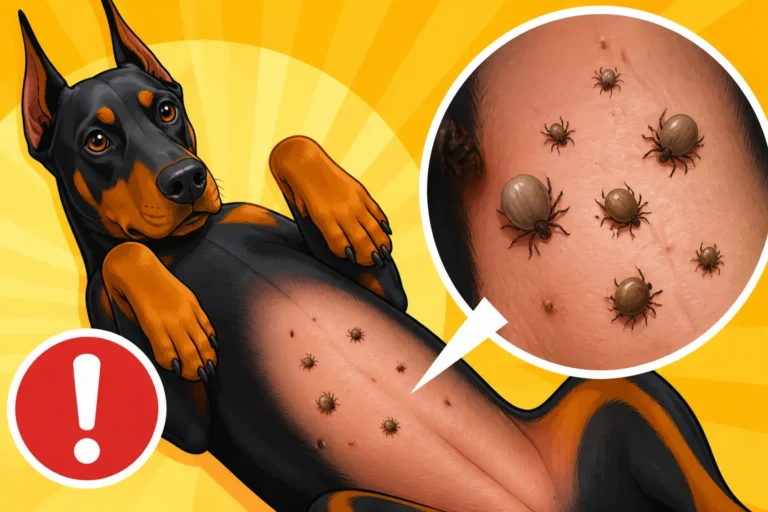
- Parasites: Fleas, mites (like demodex or sarcoptes), and even some internal parasites can lead to skin irritation, hair loss, and a dull, unhealthy coat.
- Skin Infections: Bacterial or fungal infections can cause inflammation, redness, and a poor coat texture.
- Cushing's Disease: While less common, this hormonal disorder can also lead to thin skin, hair loss, and a dull coat.
- Nutritional Deficiencies: Beyond general poor diet, specific deficiencies in vitamins, minerals (like zinc), or essential fatty acids can severely impact coat health.
- Autoimmune Diseases: In some cases, the immune system can attack hair follicles or skin cells, leading to coat changes.
These conditions require veterinary diagnosis and specific treatment plans. Simply trying new shampoos or supplements won't address the root cause.
Diagnostic Steps and Treatment Options
When you bring your Doberman to the vet with coat concerns, they'll typically start with a thorough physical examination. They'll ask about your Doberman's diet, grooming routine, environment, and any other symptoms you've noticed.
Common diagnostic tests might include:
- Skin Scrapings: To check for mites.
- Fungal Culture: To check for ringworm or other fungal infections.
- Blood Tests: To assess overall health, organ function, and specific hormone levels (like thyroid function).
- Allergy Testing: If allergies are suspected, either blood tests or intradermal skin tests might be performed.
- Dietary Trials: If food allergies are a concern, a strict elimination diet might be recommended.
- Biopsy: In some complex cases, a small skin biopsy might be taken for histopathological examination.
Once a diagnosis is made, treatment options will vary widely depending on the underlying cause. This could range from prescription medications (for infections or hormonal imbalances), medicated shampoos (like those discussed in Medicated Baths for a Doberman With Coat Loss), parasite control, specific dietary changes, or long-term management strategies for chronic conditions like allergies. The key is to work closely with your veterinarian to identify the true cause and implement the most effective treatment plan to get your Doberman's coat, and their overall health, back to its brilliant best.
| Factor | Impact on Coat Shine | Potential Solutions | When to See a Vet |
|---|---|---|---|
| Dietary Deficiency | Dull, dry, brittle coat; possibly flaking | High-quality protein, Omega fatty acid supplements (fish oil), balanced diet | No improvement with diet change; other health symptoms |
| Poor Grooming Routine | Build-up of dead hair; uneven oil distribution; dryness | Regular brushing; appropriate bathing frequency; moisturizing shampoo/conditioner | Skin irritation; persistent flaking/dandruff |
| Environmental Stressors | Dryness, static, breakage (e.g., cold weather, dry air) | Humidifier; protective clothing in cold; shade in heat; soft bedding | Skin redness, sores, severe itching |
| Allergies | Itching, redness, self-inflicted damage, dull coat | Identify and avoid allergens; vet-prescribed medication; hydrolyzed diet | Persistent itching; skin infections; hair loss |
| Hormonal Imbalance | Thinning coat, excessive shedding, dry, brittle texture | Blood tests for thyroid/other hormones; vet-prescribed medication | Any systemic symptoms (lethargy, weight changes) |
| Parasites | Itching, redness, irritation, localized hair loss | Flea/tick preventatives; vet-prescribed anti-parasitic treatment | Visible parasites; intense itching; skin lesions |
| Skin Infections | Redness, sores, scabs, unpleasant odor | Vet-prescribed antibiotics/antifungals; medicated shampoos | Rapidly worsening skin condition; pus/discharge |
Disclaimer
This article is for general informational purposes only and does not constitute professional advice. Laws, prices and regulations vary by location and change over time. Consult a qualified professional for guidance on your specific situation.