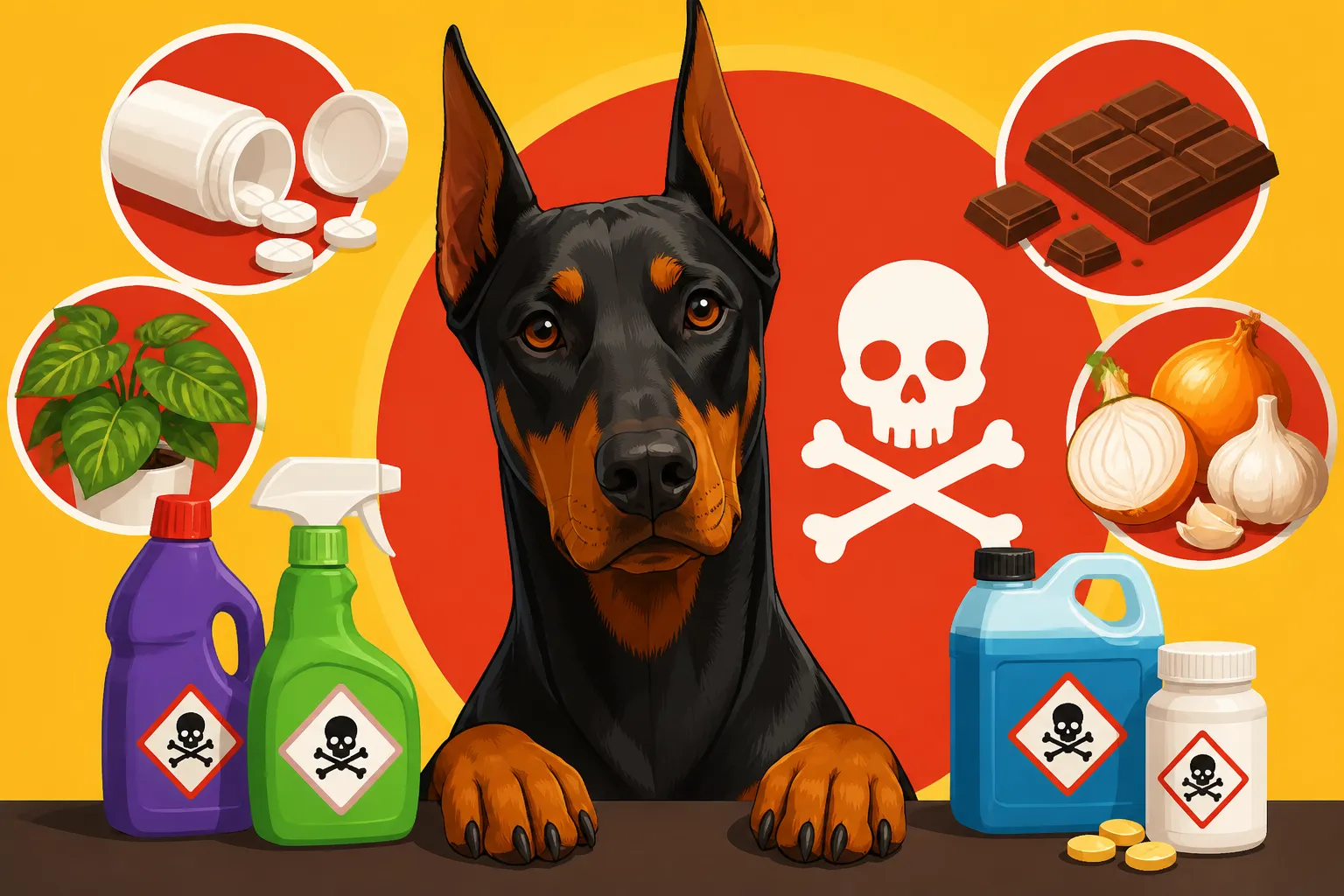
Household Poisons a Doberman Will Swallow
The moment you realize your Doberman has eaten something it shouldn't have is truly stomach-dropping. Our Dobermans are intelligent and curious, but that sharp mind doesn't always translate into knowing what's safe to chew or swallow. The house you consider a safe haven can harbor countless hidden dangers. This comprehensive guide will walk you through the most common household poisons your Doberman might ingest and, crucially, what steps to take if the worst happens.
Common Culinary Culprits and Food Dangers
It’s astonishing how many everyday human foods, perfectly harmless for us, can pose a serious threat to our Dobermans. Their keen sense of smell and their ability to counter-surf or sneak into unattended bags makes the kitchen a veritable minefield. Understanding these risks is the first line of defense.
Toxic Treats and Kitchen Staples
Let's face it, a Doberman's a dog, and dogs love food. They don't discriminate based on whether it's good for them. This is where innocent mistakes can turn into serious emergencies.
Chocolate, for instance, is one of the most well-known culprits, and for good reason. It contains theobromine, a stimulant that dogs metabolize much slower than humans. The darker the chocolate, the higher the concentration of theobromine, meaning even a small amount of baker's chocolate or dark chocolate can be highly toxic. Symptoms can range from vomiting and diarrhea to tremors, seizures, and even death in severe cases. Imagine leaving a holiday candy dish full of artisanal dark chocolates on a low coffee table, only to return and find it licked clean by your Doberman. The panic is immediate, and the danger very real.
Then there's xylitol, an artificial sweetener found in an alarming number of products, including sugar-free gum, candies, some peanut butters, and even certain toothpastes. For dogs, xylitol causes a rapid and severe drop in blood sugar, which can lead to seizures and liver failure. This is often far more dangerous than chocolate. A scenario many owners face is a Doberman discovering a forgotten pack of sugar-free gum in a purse or backpack left on the floor. Even a stick or two can be enough to trigger a life-threatening crisis, requiring immediate veterinary intervention.
Grapes and raisins are another mysterious yet potent threat. The exact toxin is still unknown, but even a small quantity can cause acute kidney failure in some dogs. Symptoms might not show up immediately, making it a tricky one to diagnose if you didn't witness the ingestion. Picture a bowl of grapes on the kitchen counter, easily within reach of a tall Doberman or knocked to the floor by an enthusiastic tail wag. Before you know it, those seemingly innocent fruits could be setting the stage for a critical health problem down the line.
Finally, onions, garlic, and chives are common kitchen ingredients that belong nowhere near your Doberman's bowl. They contain compounds that can damage a dog's red blood cells, leading to a condition called hemolytic anemia. This can manifest as lethargy, weakness, pale gums, and even collapse. These ingredients are often hidden in human foods like sauces, gravies, and seasoned leftovers. Your Doberman might sneak a bite of that delicious roast beef you prepared, unaware that the accompanying onion gravy is a ticking time bomb for their red blood cells. These exposures are less dramatic than chocolate or xylitol, but insidious and dangerous nonetheless.
Alcohol, Caffeine, and Yeast Dough
Beyond the specific foods, there are other common household substances that present significant risks. It's easy to forget that what's a pick-me-up or a relaxing drink for us can be lethal for our canine companions.
Alcohol, in any form, is highly toxic to dogs. This includes alcoholic beverages, but also fermented fruits, certain raw doughs (which we'll discuss next), and even some household products. Symptoms mimic human intoxication – vomiting, disorientation, incoordination, and lethargy – but can quickly escalate to respiratory distress, coma, and death due to the rapid absorption and potent effects on a dog's smaller system. Imagine a spilled cocktail on the patio or a curious Doberman licking up a fermenting fruit from a forgotten bowl. It takes very little to cause severe effects, and the lack of judgment that comes with intoxication makes a dog even more vulnerable to further accidents.
Caffeine, while not causing obvious intoxication, is another powerful stimulant that can be very dangerous. Sources include coffee beans, coffee grounds, tea bags, energy drinks, and diet pills. Ingestion can lead to hyperactivity, restlessness, elevated heart rate, tremors, and seizures. A Doberman, with its already high energy levels, can be particularly susceptible to the overstimulation caffeine causes. Consider the discarded coffee grounds in the trash, or a forgotten energy drink can on a low table. These seemingly harmless items can contain enough caffeine to send your Doberman into a state of severe distress.
Raw yeast dough is a unique double threat. If ingested, the warm, moist environment of a dog's stomach acts as an incubator, causing the dough to rise and expand. This can lead to a severely bloated stomach, which is incredibly painful and can even progress to a life-threatening condition called gastric dilatation-volvulus (GDV) or "bloat," especially concerning for deep-chested breeds like Dobermans. Additionally, as the yeast ferments, it produces alcohol, leading to alcohol poisoning. So, your Doberman could be experiencing intense pain from a distended stomach while simultaneously suffering from alcohol toxicity. This is a terrifying scenario that demands immediate veterinary attention, often with surgical intervention.
Medications, Chemicals, and Pest Control
Our homes are full of products designed to help us, clean our spaces, or control pests. Unfortunately, many of these are highly toxic to Dobermans, who, with their innate curiosity, might see a colorful pill or a sweet-smelling liquid as something to investigate.
Human Medications: A Silent Threat
It’s almost impossible to keep every single human medication completely out of reach all the time, but the stakes are incredibly high when it comes to your Doberman. A dropped pill or an uncapped bottle can be a disaster.
Common over-the-counter pain relievers, particularly NSAIDs like ibuprofen (Advil, Motrin) and naproxen (Aleve), are extremely dangerous. Just one or two human-strength pills can cause severe kidney damage and stomach ulcers in a Doberman. They might seem fine initially, but internal damage can be rapidly progressing. Consider the routine of taking your medication – a pill slips from your hand and rolls under the couch. Your Doberman, ever vigilant, finds it later and swallows it whole. This innocent mishap can lead to days of intensive veterinary care. Emergency Vet Fees for a Collapsing Doberman can climb quickly in such situations.
Prescription medications are often even more potent. Antidepressants, ADHD medications, heart medications, and blood pressure pills are formulated for human body weights and systems. Even a single tablet can be deadly for a dog, causing seizures, heart problems, respiratory depression, or severe gastrointestinal upset. Imagine a Doberman managing to open a weekly pill organizer left on a nightstand, or finding a dropped tablet that rolled under furniture. The symptoms can vary wildly depending on the drug, making diagnosis tricky without knowing what was ingested. This is a situation where immediate action, knowing exactly what was taken, is critical.
Beyond prescription drugs, many seemingly harmless over-the-counter remedies and supplements can also be problematic. Cold medicines, for example, often contain decongestants like pseudoephedrine or phenylephrine, which are stimulants that can cause agitation, seizures, and heart problems in dogs. Vitamins, especially those containing iron, can lead to iron toxicity, damaging the liver and gastrointestinal tract. Even seemingly benign supplements can have adverse effects if ingested in large quantities. It's a sobering reminder that anything in your medicine cabinet should be considered toxic until proven otherwise.
Household Cleaners and Automotive Fluids
Our homes wouldn't be as clean without powerful cleaning agents, and our cars wouldn't run without various fluids. The danger here is that many of these products are not only toxic but can also cause severe burns or internal damage upon ingestion.
Products like bleach, laundry detergents, and disinfectants can cause severe chemical burns to the mouth, esophagus, and stomach if ingested. The corrosive nature of these chemicals can lead to immediate pain, vomiting, and drooling, and long-term scarring. The strong smells might deter some Dobermans, but a curious puppy or an adult Doberman looking for a drink in an unusual place could be at risk. Picture a Doberman puppy, in its Doberman Puppy Biting and Adolescent Mouthing phase, getting into an open cabinet under the sink where cleaning supplies are stored. Even diluted cleaning solutions left in an unattended bucket can be a danger. Secure storage is absolutely essential here; child-proof locks for cabinets are a must.
Antifreeze is particularly insidious. While humans recognize its toxicity, its sweet taste is highly attractive to dogs, making it a common and often fatal poisoning. Even a small amount—just a few licks—can lead to irreversible kidney failure. The initial symptoms might be mild (increased thirst, urination), but they quickly progress to severe kidney damage. A drip from a car radiator in the driveway or a forgotten container in the garage can be a death sentence. Always clean up spills immediately and store antifreeze in tightly sealed containers, out of reach.
Pest control products are designed to kill, and they don't discriminate between a mouse and a Doberman. Rat poisons, for instance, come in various forms, but many are anticoagulants that prevent blood clotting, leading to internal bleeding. Symptoms can be delayed for days, making it difficult to connect the poisoning to the product. Other rat poisons can cause neurological issues or kidney failure. Slug and snail baits, often containing metaldehyde, can cause severe tremors and seizures. Insecticides, depending on their type, can cause a range of symptoms from drooling and vomiting to neurological distress. If you use any pest control, ensure it's completely inaccessible to your Doberman. Many owners find it safer to look for pet-friendly alternatives, which you can often find browsing sites like Chewy or Amazon, to ensure safety for their dogs.
Garden Dangers and Environmental Hazards
Even our beautiful gardens and outdoor spaces, meant for enjoyment, can harbor hidden dangers for our Dobermans. From decorative plants to garden chemicals, there are plenty of potential toxins lurking.
Toxic Plants Indoors and Out
Plants, both indoor and outdoor, add beauty to our surroundings, but many are far from benign for our four-legged friends. A Doberman, especially a younger one, might chew on leaves out of curiosity or boredom.
Common houseplants can be surprising culprits. While many people know poinsettias can cause mild gastrointestinal upset, plants like lilies (though more severely toxic to cats, they can cause upset in dogs), philodendrons, and particularly the Sago Palm, are highly toxic to dogs. Ingesting even a few seeds or leaves from a Sago Palm can cause severe liver failure. It's easy for a Doberman puppy, still in its exploring phase, to chew on a low-hanging leaf. Owners should familiarize themselves with a list of pet-safe houseplants before bringing any into their home.
In the garden, the list of toxic plants grows even longer. Azaleas and rhododendrons, known for their vibrant blooms, contain grayanotoxins that can cause vomiting, diarrhea, cardiovascular problems, and even death. Oleander is another beautiful but deadly shrub, affecting the heart. Castor bean plants, often grown for their ornamental value, contain ricin, an extremely potent toxin found in the seeds, which can be fatal even in tiny amounts. A Doberman with access to a garden might chew on these out of curiosity or even to relieve a minor upset stomach. It's especially critical to supervise What a Doberman Puppy Needs at Each Age to prevent them from experimenting with garden flora.
Beyond the plants themselves, garden chemicals present a significant risk. Fertilizers, particularly those containing bone meal or blood meal, can be attractive to dogs due to their scent. However, large ingestions can lead to gastrointestinal upset, and some fertilizers contain iron that can be toxic in high doses. Herbicides, used to kill weeds, can cause chemical burns or gastrointestinal irritation. Always store these products in secure, sealed containers, ideally in a locked shed or cabinet, and ensure your Doberman is kept away from recently treated areas until they are completely dry and safe.
Outdoor Chemicals and Accidental Ingestions
The great outdoors, while offering exercise and mental stimulation for your Doberman, also holds its own set of unique hazards that every owner should be aware of. It's not just what's inside the house that matters.
Compost piles, while beneficial for gardening, can be incredibly dangerous for dogs. As organic matter decomposes, it can produce tremorgenic mycotoxins from molds. If a Doberman digs into a compost pile and ingests moldy food, these toxins can cause severe tremors, seizures, and neurological symptoms. The smell of decaying food can be irresistible to a curious Doberman, making compost bins a prime target for investigation. Ensuring your compost is in a securely closed, dog-proof container is paramount.
Wild mushrooms are another significant outdoor danger. While many mushrooms are harmless, it is virtually impossible for a layperson to distinguish between safe and toxic varieties. Some toxic mushrooms can cause severe liver failure, kidney failure, neurological damage, or rapid death. If your Doberman ingests any wild mushroom, consider it an emergency and seek immediate veterinary attention. Don't waste time trying to identify it yourself; time is critical.
Finally, road salt and ice melters used in colder climates can pose a threat. While not strictly "ingestion" in the traditional sense, Dobermans can pick up these chemicals on their paws during walks and then lick them off, leading to gastrointestinal upset, vomiting, and diarrhea. The salt can also cause irritation and chemical burns to their paw pads. If you live in an area where these are used, consider wiping your Doberman's paws thoroughly after walks or using protective booties.
Emergency Action and Prevention Strategies
Discovering your Doberman has ingested something poisonous is one of the most terrifying moments a pet owner can experience. Knowing what to do in those frantic seconds can make all the difference. Beyond reacting, proactive prevention is your best weapon against these dangers.
What to Do in Those Frightening Moments
Panic is a natural reaction, but it’s vital to try and stay as calm as possible. Your Doberman will pick up on your stress, and a calm demeanor, as difficult as it might be, will help you think clearly and act efficiently. This is not the time for waiting or "seeing if they get sick."
The very first step is to gather as much information as you can. What did your Doberman eat? How much of it? When did they eat it? If possible, collect any packaging, labels, or remnants of the ingested substance. This information is absolutely crucial for your veterinarian or a pet poison control center to assess the risk and determine the appropriate course of action. If it's a plant, try to get a clear picture or a sample. This is not the time to second-guess; every detail matters.
Next, and this cannot be stressed enough: contact your veterinarian IMMEDIATELY. Do not wait for symptoms to appear. Many poisons work silently and swiftly, and early intervention drastically improves the prognosis. If your regular vet is closed, know the location and phone number of your nearest emergency veterinary clinic. You can also contact a pet poison control hotline (like the ASPCA Animal Poison Control Center or the Pet Poison Helpline) which may charge a fee, but can provide vital information directly to you or your vet. This is a situation where The Vet Bills a Doberman Runs Up Outside Screening can quickly become significant, but waiting only makes things worse and more costly.
It's tempting to try and make your Doberman vomit, but do NOT induce vomiting unless specifically instructed to do so by a veterinary professional. For some substances (like corrosives or petroleum products), inducing vomiting can cause more harm by re-exposing the esophagus to the toxic substance or leading to aspiration into the lungs. Only a vet can determine if inducing vomiting is safe and necessary, and if so, what method to use. Following specific guidance is key to avoiding further complications.
Proactive Prevention: Safeguarding Your Doberman
While emergencies demand quick thinking, the best approach is always prevention. By making your home and yard Doberman-safe, you can drastically reduce the risk of poisoning incidents. This often involves a bit of foresight and consistent effort.
The cornerstone of prevention is secure storage. Think like a Doberman: if it's within reach, it's fair game. All human medications, cleaning supplies, pest control products, and toxic foods should be stored in cabinets with child-proof latches, on high shelves your Doberman absolutely cannot reach, or ideally, in a locked pantry or utility closet. Consider using robust storage bins from retailers like Amazon for anything stored in a garage or shed, to prevent inquisitive noses from prying them open. This applies even to seemingly innocent items. Remember that our Dobermans are incredibly smart, and Training a Doberman That Is Smarter Than You Expect often means they can figure out how to open cabinets or bags if given the chance.
Another excellent strategy is to proactively choose pet-safe alternatives whenever possible. Opt for non-toxic cleaning products, pet-friendly pest control methods, and educate yourself on which plants are safe for pets before bringing them into your home or garden. For instance, if you feed your Doberman human food or treats, make sure you're aware of safe ingredients. Brands like Ollie prioritize fresh, high-quality, and transparent ingredients, allowing owners to clearly see what their dogs are consuming, reducing the risk of hidden toxins.
Beyond physical safeguards, training and education play a crucial role. Teach your Doberman a solid "Leave It" command from a young age. This command can literally be a lifesaver if they're about to snatch something dangerous. Doberman Puppy Biting and Adolescent Mouthing is a prime time to instill good habits and boundaries regarding what they can and cannot put in their mouths. Regularly sweep your floors for dropped pills, food scraps, or small objects. Keep purses, backpacks, and grocery bags off the floor and out of reach. Staying informed about new products or seasonal dangers is also important, ensuring you're always one step ahead.
Finally, having an emergency plan in place gives you peace of mind. Know your vet's emergency hours and the closest 24-hour animal hospital. Keep poison control numbers prominently displayed. Regularly review your home for potential hazards, especially as your Doberman grows or if new items are introduced. Being prepared not only helps during a crisis but also allows you to enjoy your Doberman's company without constant worry. What a Doberman Costs Month to Month often includes an allowance for unexpected vet visits, and proper insurance like Insuring a Doberman Before the Heart Turns can help soften the financial blow of a poisoning emergency, allowing you to focus on your Doberman's recovery.
Common Household Poisons and Their Effects
This table provides a quick overview of some common household poisons, their potential symptoms, and general severity. Always consult a vet immediately if you suspect poisoning, as symptoms can vary and not all are listed here.
| Poison Category | Examples | Potential Symptoms | Severity |
|---|---|---|---|
| Food | Chocolate, Xylitol, Grapes/Raisins, Onions | Vomiting, diarrhea, tremors, seizures, kidney failure | Moderate to Severe |
| Medications | NSAIDs, Antidepressants, Cold Medicines | Vomiting, ulcers, kidney damage, seizures, lethargy | Moderate to Severe |
| Chemicals | Bleach, Antifreeze, Rat Poison | Burns, internal organ damage, kidney failure, neurological | Severe, Often Fatal |
| Plants | Sago Palm, Azaleas, Oleander, Lilies | Vomiting, diarrhea, lethargy, organ damage | Mild to Severe |
| Other | Yeast Dough, Alcohol, Caffeine, Moldy Food | Bloating, disorientation, tremors, seizures, heart issues | Moderate to Very Severe |
Disclaimer
This article is for general informational purposes only and does not constitute professional advice. Laws, prices and regulations vary by location and change over time. Consult a qualified professional for guidance on your specific situation.