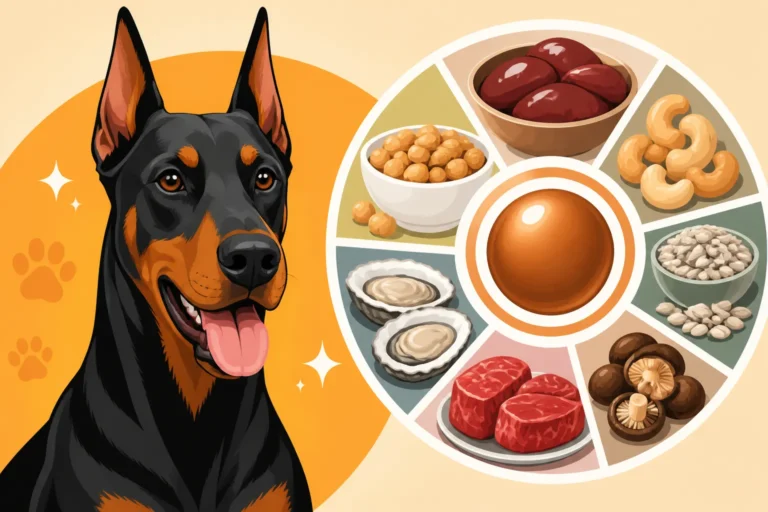
Whether Boutique Diets Reach a Doberman’s Heart
It can feel overwhelming to navigate the ever-expanding world of dog food, especially when you’re a Doberman owner trying to do everything right for your beloved companion. With the increasing popularity of boutique diets, many of us wonder if these specialized formulas truly support our Doberman's unique health needs, particularly concerning their notorious predisposition to heart disease. This guide will delve into the complex relationship between diet and Doberman cardiac health, offering insights to help you make informed decisions for your dog.
Understanding Dilated Cardiomyopathy in Dobermans
For any Doberman owner, the words "Dilated Cardiomyopathy" (DCM) carry a heavy weight. It's a devastating heart condition that disproportionately affects our breed, making dietary choices a serious consideration, not just a casual decision. Understanding why Dobermans are so prone to this condition is the first step in protecting them.
Why Dobermans Are Prone to DCM
Dobermans, unfortunately, are genetically predisposed to DCM, more so than almost any other breed. It’s not just one gene, but a complex interplay of genetic factors that makes their hearts susceptible to weakening and enlarging over time. This genetic lottery means that even with the best care, some Dobermans will develop DCM. However, that doesn't mean diet or other environmental factors don't play a role in either mitigating or exacerbating the risk. We know that certain nutritional components are vital for cardiac function, and any imbalance could, theoretically, add another layer of risk to an already vulnerable heart.
The heartbreaking reality is that DCM is often silent in its early stages. You might have a Doberman who appears perfectly healthy, bounding around the yard, full of life, while insidious changes are already occurring within their heart muscle. The Heart Disease That Reaches Most Dobermans explains just how prevalent this condition is within the breed. Because of this, owners are often desperate to find any edge they can to support their Doberman's health, and diet is one of the most tangible things we can control daily. It’s this deep-seated fear and love for our dogs that often leads us down the path of exploring every dietary option available, hoping to find a magic bullet.
The Silent Nature of Doberman Heart Disease
One of the cruelest aspects of Doberman DCM is its covert progression. Our dogs are masters at hiding illness, and heart disease is no exception. For years, often from ages three to six, a Doberman can be in what's known as the "occult" or "pre-clinical" phase, where the heart is silently remodeling and weakening, but showing no outward symptoms. The Silent Years Before a Doberman's Heart Shows details this challenging period. This makes it incredibly difficult for owners to detect the problem without regular, specialized screening like annual echocardiograms and Holter monitors.
During this silent phase, what you feed your Doberman becomes critically important. If there's any dietary component that could potentially hasten the progression of the disease, or, conversely, one that could support the heart muscle, we want to know about it. The challenge is that without clear, long-term scientific studies specifically on Dobermans and every single diet formulation, we're left trying to piece together information and make the best educated guesses we can, often based on broader canine nutrition research and veterinary recommendations. This uncertainty is precisely why the question of boutique diets and their impact on Doberman hearts causes so much anxiety among owners.
The Rise of Boutique Diets
In recent years, the pet food market has exploded with what are often termed "boutique" diets. These diets are typically characterized by certain features that differentiate them from more traditional, established commercial pet foods. Many Doberman owners, in their quest to provide the absolute best for their dogs, have naturally gravitated towards these options, believing them to be healthier or more natural.
What Defines a "Boutique" Diet
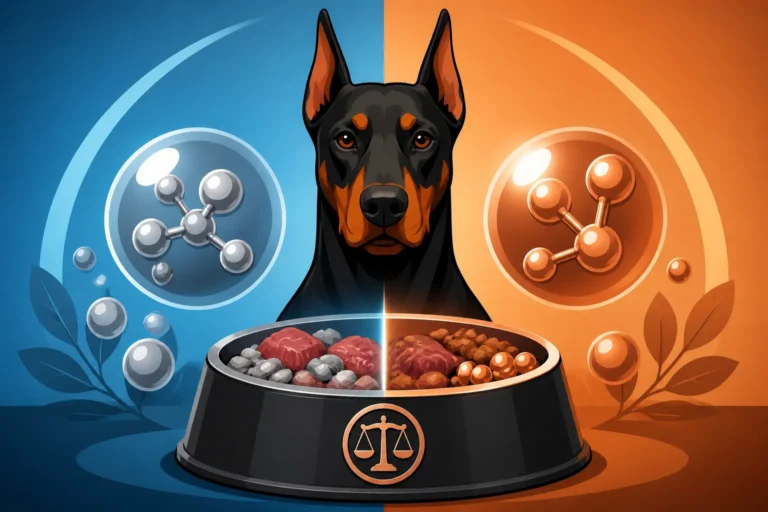
"Boutique diets" aren't a formal scientific category, but a general term often used to describe pet foods that share a few common characteristics. They frequently feature "exotic" ingredients, meaning novel proteins like kangaroo or duck, and uncommon carbohydrates like lentils, peas, or potatoes, instead of traditional corn, wheat, or rice. Often, these diets are also "grain-free," a trend that gained immense popularity due to a perceived association with allergies or ancestral eating habits. You might find them from smaller, less established brands, or even larger companies branching into these specialized lines.
The appeal lies in their marketing, which often emphasizes "natural," "whole," "limited ingredient," or "ancestral" formulations. For an owner wanting to avoid perceived allergens or give their Doberman a diet they believe is closer to what a wild canine would eat, these diets can seem like a perfect fit. They often boast high-quality ingredients and eschew common fillers, which resonates strongly with owners who are meticulously managing every aspect of their Doberman's health and well-being.
The Appeal of Grain-Free and Exotic Ingredients
The push for grain-free diets started with good intentions – many owners observed sensitivities in their dogs to common grains and sought alternatives. For Dobermans with genuinely diagnosed grain allergies, a grain-free diet formulated with appropriate supervision can be beneficial. However, for the vast majority of dogs, grains are not problematic and provide essential nutrients. The shift away from grains in boutique diets often led to their replacement with high levels of legumes and potatoes – ingredients that have since come under scrutiny.
Exotic ingredients, too, have a strong draw. When traditional protein sources might trigger an allergy, novel proteins can be a lifesaver. However, for Dobermans without specific sensitivities, the benefit of these "exotic" ingredients might be more perceived than real. Owners often feel that by offering something unique, they are providing a superior nutritional profile. This trend has made searching for dog food a complex task, with brands like those found on Chewy's vast marketplace offering countless variations, and even fresh-food services like Ollie promoting carefully selected ingredients. It’s easy to get lost in the marketing and lose sight of core nutritional principles.
The FDA's Concerns and Research
In recent years, the landscape of canine nutrition has been significantly impacted by an ongoing investigation by the U.S. Food and Drug Administration (FDA). This investigation brought to light a potential link between certain diets and a form of Dilated Cardiomyopathy (DCM) that is not genetically inherited, but rather acquired. This has understandably caused a great deal of concern among Doberman owners, given our breed's already high risk for DCM.
The Link Between Diet and Dilated Cardiomyopathy (DCM)
The FDA's investigation, which began in 2018, focused on what they termed "BEG" diets: Boutique, Exotic ingredient, and Grain-Free. They started noticing an increase in reports of atypical DCM cases in breeds not typically predisposed to the condition, as well as in breeds like Dobermans that are predisposed, but often with unusual clinical presentations or earlier onset. The common thread in many of these cases was the dog's consumption of these specific types of diets. This wasn't about a sudden, acute poisoning, but rather a chronic nutritional deficiency or imbalance that, over time, could lead to heart muscle weakening, mimicking genetic DCM.
This doesn't mean that every single boutique, exotic, or grain-free diet is inherently dangerous, or that every dog on such a diet will develop DCM. What it does mean is that these categories of diets seem to be overrepresented in the reported cases of acquired DCM. The scientific community is still actively researching the exact mechanisms, but the preliminary findings suggest that the way these diets are formulated, particularly the high inclusion of legumes (like peas, lentils, chickpeas) and potatoes as primary ingredients, might be interfering with the absorption or synthesis of vital nutrients. For a Doberman, who already carries the genetic burden of The Heart Disease That Reaches Most Dobermans, adding a potential dietary risk factor is something every owner needs to take seriously.
Specific Ingredients Under Scrutiny
The primary suspects in the FDA's investigation are peas, lentils, other legume seeds, and potatoes, especially when they appear as main ingredients high up on the ingredient list. These ingredients, while not inherently "bad," may be displacing other, more traditional ingredients that provide necessary amino acids or aid in nutrient absorption. For example, some theories suggest that these ingredients might bind with essential amino acids, making them less bioavailable, or that they could contain anti-nutritional factors that interfere with digestion.
It’s crucial to understand that the focus isn't on the absence of grains alone, but what replaces them. Many "grain-free" foods rely heavily on these legumes and potatoes to provide carbohydrates and bulk. When choosing a food, whether from a large pet supply retailer like Chewy or a specialized brand found on Amazon, it's vital to scrutinize the ingredient list. Look for formulations that have been developed by board-certified veterinary nutritionists and undergo rigorous feeding trials, rather than relying solely on marketing claims. While the science is still evolving, the current recommendation from veterinary cardiologists is to avoid BEG diets for breeds at risk of DCM, like our Dobermans, until more conclusive data is available.
Nutritional Deficiencies and Doberman Heart Health
The connection between diet and DCM, particularly the acquired form, often circles back to specific nutrients that are critical for cardiac function. For Dobermans, who already have a genetic predisposition to heart issues, ensuring adequate levels of these nutrients is paramount.
The Role of Taurine and Carnitine
Two amino acids, taurine and L-carnitine, are absolutely vital for proper heart muscle function. While dogs can synthesize taurine from other amino acids (methionine and cysteine), and L-carnitine from lysine and methionine, certain conditions or dietary compositions can impair this process, leading to a deficiency. In some of the diet-associated DCM cases, affected dogs were found to have low levels of taurine. Supplementation with taurine and L-carnitine sometimes helped reverse the condition if caught early enough. Taurine and Carnitine for a Doberman Heart dives deeper into how these essential nutrients support Doberman cardiac health.
The tricky part is that not all dogs on BEG diets develop taurine deficiency, and not all dogs with diet-associated DCM are taurine deficient. This suggests a more complex interplay than just a simple lack of taurine. Some theories propose that it's not the absence of taurine in the food, but something in the ingredients (like high fiber from legumes) that interferes with taurine absorption or synthesis in the dog's body. Others suggest that certain breeds might have higher taurine requirements or metabolic differences that make them more susceptible to dietary deficiencies. For Dobermans, who are already walking a tightrope with their heart health, any potential disruption to these vital amino acids is a significant concern that warrants caution.
Beyond Taurine: Other Potential Nutritional Factors
While taurine and L-carnitine have been at the forefront of the discussion, the investigation into diet-associated DCM is still ongoing, and researchers are exploring other potential nutritional factors. It's possible that other essential amino acids, vitamins, minerals, or even the overall balance of macronutrients could play a role. For example, some commercially available diets, including certain boutique or fresh-prepared options like those offered by Ollie, may not be formulated to meet the specific life stage nutritional requirements set by organizations like AAFCO, or they might rely on nutrient profiles rather than actual feeding trials.
The quality and digestibility of protein sources, the types of fats, and the overall micronutrient balance are all critical for a Doberman's health, especially their cardiac system. When a diet deviates significantly from established nutritional norms without robust scientific backing and feeding trials, it introduces an element of risk. This is particularly true for a breed like the Doberman, where any added stress on the system can potentially impact a genetically vulnerable heart. Therefore, it's not just about avoiding "bad" ingredients, but ensuring a holistic, balanced nutritional intake that supports all physiological functions, especially the demanding work of the heart.
Making Informed Diet Choices for Your Doberman
Given the complexities and ongoing research surrounding diet-associated DCM, making informed decisions about your Doberman's food is more crucial than ever. It requires a proactive approach, collaboration with veterinary professionals, and a critical eye when evaluating pet food options.
Consulting Your Veterinarian and Cardiologist
The absolute best resource for navigating your Doberman's diet is your veterinarian, especially one who is familiar with the breed's unique health challenges. If your Doberman has been diagnosed with DCM, or if you are diligently performing preventative screenings, a board-certified veterinary cardiologist will be an invaluable partner. These specialists stay abreast of the latest research and can provide personalized recommendations based on your dog's individual health status, genetic predisposition, and any existing medical conditions.
They can help you understand the nuances of the FDA's investigation and translate general dietary advice into specific choices for your Doberman. Don't be afraid to ask direct questions about specific brands or ingredient lists. They might recommend specific diagnostic tests, such as a blood taurine level, especially if your Doberman is already on a BEG-type diet or showing early signs of cardiac issues. Remember, a diet that works for one Doberman might not be ideal for another, and professional guidance is key to tailoring the best nutritional plan. Annual Echo and Holter Screening for a Doberman is a critical step in monitoring heart health, and your vet can advise on how diet fits into the overall picture.
Understanding AAFCO Guidelines and Brand Reputation
When evaluating pet food, one of the most important things to look for is an AAFCO (Association of American Feed Control Officials) statement on the label. This statement indicates that the food is nutritionally complete and balanced for a specific life stage (e.g., "growth," "adult maintenance," or "all life stages"). Crucially, distinguish between foods that meet AAFCO nutrient profiles and those that have undergone AAFCO feeding trials. Feeding trials are the gold standard, demonstrating that animals actually thrive on the diet, not just that the ingredients theoretically meet nutrient minimums.
Beyond AAFCO, consider the reputation and research backing of the pet food manufacturer. Reputable brands often employ a team of veterinary nutritionists, conduct extensive research, and perform feeding trials. They are transparent about their sourcing and quality control. Conversely, some boutique brands, while well-intentioned, may lack the scientific expertise and rigorous testing to ensure optimal nutrition, especially for a breed with specific needs like the Doberman. If you're considering a specialized diet, ask the manufacturer for scientific data, not just marketing materials. Feeding an Eighty-Pound Doberman Well is about ensuring balanced nutrition, and that starts with choosing a reputable food. Avoid brands that rely heavily on buzzwords without substance. Many trusted commercial pet food brands are widely available on platforms like Amazon or Chewy and adhere to these higher standards.
Monitoring Your Doberman's Health on Any Diet
No matter what diet you choose for your Doberman, ongoing monitoring of their health is essential. Pay close attention to their energy levels, coat quality, stool consistency, and any changes in appetite or behavior. Regular veterinary check-ups are non-negotiable, and for Dobermans, this includes consistent cardiac screening, as discussed in The Health Testing a Doberman Breeder Must Show. If you notice any concerning symptoms, such as lethargy, coughing, difficulty breathing, or fainting spells, seek immediate veterinary attention. These could be signs of underlying health issues, including cardiac problems.
If your Doberman is on a diet that includes ingredients identified in the FDA’s investigation, a conversation with your vet about potentially transitioning to a different formulation is highly recommended. Switching foods should always be done gradually over several days to avoid gastrointestinal upset. Your vet might also suggest specific supplements if there are concerns about nutrient deficiencies, though it's important to remember that Supplements a Doberman Cardiologist Actually Recommends are often specific and not a blanket solution for all dogs. The goal is to provide a diet that not only keeps your Doberman healthy and energetic but also supports their long-term cardiac well-being, giving them the best chance at a full and happy life.
| Diet Type | Common Characteristics | Perceived Benefits (Owner's View) | Potential Concerns (Veterinary View for Dobermans) |
|---|---|---|---|
| Traditional Kibble | Common proteins (chicken, beef), grains (corn, wheat, rice) | Readily available, cost-effective, time-tested | May contain fillers or common allergens (if sensitive) |
| Grain-Free/Boutique | Novel proteins, legumes (peas, lentils), potatoes, no grains | "Natural," avoids grains, unique protein options | Potential link to acquired DCM, taurine deficiency concerns |
| Limited Ingredient (LID) | Single protein, single carb, minimal ingredients | Good for allergy management, reduced exposure to irritants | Nutritional adequacy if not properly formulated, can be expensive |
| Fresh/Lightly Cooked | Human-grade ingredients, gently cooked, often subscription-based | Highly palatable, digestible, "fresh" | Cost, storage, nutritional balance if not formulated by specialists |
| Raw/BARF | Uncooked meat, bones, organs, some fruits/veggies | "Ancestral," improved coat/digestion, no processing | Bacterial contamination, choking hazards, nutritional imbalances |
The Grain-Free Question in a Doberman's Bowl
The debate surrounding grain-free diets has been a whirlwind, especially for Doberman owners already grappling with their breed's predisposition to Dilated Cardiomyopathy. It’s natural to want to provide the absolute best, and for a while, "grain-free" was synonymous with "healthier" in many pet owner circles. However, the science, and unfortunately, the reality for some dogs, has painted a more complicated picture.
What the Grain-Free Heart Warning Means for Dobermans
The FDA's investigation into diet-associated DCM specifically highlighted grain-free diets, not because grains are inherently bad, but because of what often replaces them. What the Grain-Free Heart Warning Means for Dobermans is a topic that hits close to home for many of us. Instead of traditional grains like rice, barley, or oats, these diets frequently contain high amounts of legumes such as peas, lentils, chickpeas, and potatoes. While these ingredients aren't toxic, their concentrated presence, especially high up on the ingredient list, has been consistently observed in the majority of DCM cases reported to the FDA.
For a Doberman, this is particularly concerning. If there's even a chance that a grain-free diet could exacerbate or contribute to cardiac issues, most owners would rather err on the side of caution. The thinking is that these high concentrations of legumes might interfere with taurine metabolism, either by reducing its absorption or increasing its excretion, or by altering the gut microbiome in a way that impacts nutrient synthesis. Since Dobermans are already so susceptible to DCM, adding another potential risk factor is something to seriously consider, especially when there are plenty of well-researched, grain-inclusive options available from reputable brands.
Whether a Doberman Should Eat Legume-Heavy Food
Given the ongoing concerns, the prevailing advice from veterinary cardiologists and nutritionists is to exercise extreme caution with, or entirely avoid, legume-heavy diets for Dobermans. It’s not about demonizing peas or lentils completely, as they can be part of a balanced diet in appropriate proportions. The concern arises when they become the primary source of carbohydrates and protein, replacing more traditional ingredients that have a longer history of safe and effective use in canine diets. Whether a Doberman Should Eat Legume-Heavy Food is a question with a nuanced answer, but for a Doberman, "no" or "very sparingly" is generally the safer route.
If your Doberman is currently on a grain-free, legume-heavy diet, it's highly recommended to consult your veterinarian about transitioning to a diet formulated by a board-certified veterinary nutritionist, often one with grains, and with a proven track record. Brands that have invested in scientific research and feeding trials are generally considered safer choices. This isn't about shaming anyone for their past choices, but about adapting to new information as it becomes available to protect our vulnerable Dobermans. Making this switch, perhaps by slowly introducing a new food over a week or two, can provide immense peace of mind.
Navigating Diet Changes and Monitoring
Making changes to your Doberman’s diet, especially after you've invested time and money into a specific type of food, can feel daunting. However, armed with information and working alongside your veterinary team, you can navigate this process smoothly and confidently. The goal is always to prioritize your Doberman's long-term health.
Switching a Doberman Off a Boutique Diet
If you've been feeding a boutique, grain-free, or legume-heavy diet and are now concerned about the potential links to DCM, the good news is that transitioning your Doberman to a more traditionally formulated food is a straightforward process. Switching a Doberman Off a Boutique Diet should always be done gradually to avoid upsetting their stomach. Start by mixing a small amount of the new food (about 25%) with 75% of their old food for a few days. If they tolerate it well, increase the proportion of the new food every few days, moving to 50/50, then 75/25, until they are fully on the new diet. This transition typically takes about 7-10 days.
During this period, monitor your Doberman for any signs of gastrointestinal upset, such as diarrhea, vomiting, or loss of appetite. If you notice any of these, slow down the transition or consult your vet. When selecting a new food, look for established brands that have undergone AAFCO feeding trials and have veterinary nutritionists on staff. You can find a wide array of these reputable brands on platforms like Chewy or your local pet supply store. This proactive step, combined with regular cardiac screening, forms a strong defense against Doberman DCM.
The Importance of Ongoing Cardiac Screening
Regardless of your Doberman's diet, routine cardiac screening remains the cornerstone of managing DCM risk. Even with the perfect diet, Dobermans still carry a significant genetic predisposition. Annual echocardiograms and 24-hour Holter monitoring are crucial for detecting the disease in its silent stages, before symptoms become apparent. Your veterinarian or a veterinary cardiologist can interpret the results and advise on the appropriate next steps, which might include medication to slow disease progression. Annual Echo and Holter Screening for a Doberman is not just a recommendation; it's a vital part of responsible Doberman ownership.
Early detection allows for early intervention, such as starting medications like pimobendan, which can significantly improve quality of life and potentially extend lifespan. Monthly Pimobendan Costs for a Doberman is a consideration for many owners, but the benefits of early treatment are well-documented. By combining a thoughtful, veterinarian-approved diet with consistent cardiac monitoring, you're providing your Doberman with the best possible chance to live a long, healthy, and happy life, minimizing the impact of this challenging disease. Your commitment to these preventative measures is truly a testament to the love you have for your Doberman.
Disclaimer
This article is for general informational purposes only and does not constitute professional advice. Laws, prices and regulations vary by location and change over time. Consult a qualified professional for guidance on your specific situation.