Wiping a Doberman’s Eyes
As Doberman owners, we often focus on their powerful physique, striking coats, and keen intelligence. But let’s be honest, sometimes the most mundane tasks can become surprisingly perplexing, especially when it involves something as delicate as their eyes. You might find yourself staring at that little bit of gunk in the corner of your Doberman's eye, wondering if it's normal, how to get rid of it safely, and when it's a sign of something more serious. This guide will walk you through everything you need to know about keeping your Doberman's eyes clean, healthy, and sparkling.
Understanding Why Your Doberman's Eyes Need Attention
It’s easy to assume that a quick swipe with a damp cloth is all it takes, but understanding why your Doberman accumulates eye discharge or gets tear stains can help you be more proactive and effective in their care. Our Dobermans are unique, and their physiology plays a big role in how their eyes behave.
The Doberman's Eye Structure and Susceptibility
Dobermans, with their elegant, somewhat deep-set eyes, are beautiful, but this structure can sometimes contribute to certain eye care needs. Unlike some breeds with long hair around their faces that might catch debris, your Doberman's short, sleek coat offers very little natural protection to their eyes. This means that environmental irritants have a more direct path to cause trouble. A gust of wind can carry dust, pollen, or tiny bits of grass directly into their eyes, leading to irritation and subsequent discharge.
Think about how many times your Doberman pokes their head into bushes on a walk, sniffs around the base of trees, or digs in the dirt. All of these everyday activities expose their eyes to potential foreign bodies. While their natural tear production is designed to flush these out, sometimes it's not quite enough, or the irritant is persistent. This isn't usually a sign of anything dire, but it does mean we, as their caregivers, need to be vigilant and ready to help them out with a little gentle cleaning.
Common Causes of Eye Discharge and Stains
So, what exactly are you seeing when you spot that gunk or staining? Most commonly, it's just normal physiological discharge. Tears constantly lubricate the eye, and as they dry, they can leave behind a brownish or reddish residue, especially where the tears collect in the inner corner. This is often more noticeable on Dobermans with lighter red or fawn coats, but even black and rust Dobermans will have it – it just blends in better. This normal discharge might vary slightly in consistency and color depending on the environment, humidity, and even your Doberman's hydration levels.
However, sometimes it's more than just cosmetic. Environmental irritants, as mentioned, can certainly increase tear production and discharge. Seasonal allergies, much like in humans, can also manifest as watery, itchy eyes, leading to more discharge. It's crucial to distinguish between this normal, albeit sometimes annoying, accumulation and signs of a problem. If the discharge suddenly becomes excessive, thick, yellow, or green, or if it has a noticeable odor, that's a different story entirely. Similarly, persistent tear staining that seems to irritate the skin underneath or if the fur becomes perpetually damp in that area might indicate either a persistent irritant or a blocked tear duct, which, while not a crisis, certainly warrants attention.
Safe and Effective Techniques for Wiping Doberman Eyes
Now that we know why we might be wiping, let’s talk about the how. The delicate nature of the eye area means we need to be extra careful, ensuring we don't cause more irritation or accidentally injure our Doberman. A calm approach and the right tools are your best friends here.
Gathering Your Supplies
Before you even think about approaching your Doberman’s face, make sure you have everything ready. This isn’t a task you want to pause mid-way through to go hunting for supplies. Here’s what you’ll need:
First and foremost, sterile saline solution. You can often find dog-specific eye washes, but a simple human contact lens saline solution (make sure it’s just saline, without any added chemicals, preservatives, or medicated ingredients) works wonderfully. It's gentle, mimics natural tears, and helps loosen any dried gunk. Next, you’ll want soft, lint-free pads. Cotton balls are a common go-to, but they can sometimes leave tiny fibers behind that can further irritate the eye. Opt for sterile gauze pads, cosmetic cotton squares, or even specially designed pet eye wipes. Many of these are readily available on platforms like Amazon or Chewy. Warm water is also essential for dampening your pads if you're not using a saline solution or for a preliminary wipe. Absolutely avoid harsh chemicals, human medicated eye drops (unless explicitly prescribed by your vet for your dog), or anything with alcohol or perfumes. These can cause severe pain and damage to your Doberman’s sensitive eyes.
Step-by-Step Cleaning Process
Once you have your supplies, find a quiet, calm spot where your Doberman feels comfortable. If they’re generally wary about face handling, a little positive reinforcement goes a long way. Start by gently cupping their head and speaking in soothing tones.
- Preparation: If using plain pads, dampen one with warm water or, preferably, sterile saline solution. You want it moist, but not dripping wet. If using a pre-moistened eye wipe, simply open the packet.
- Approach Gently: Approach your Doberman slowly, from the side, not directly head-on, as this can be intimidating. Use one hand to gently support their head.
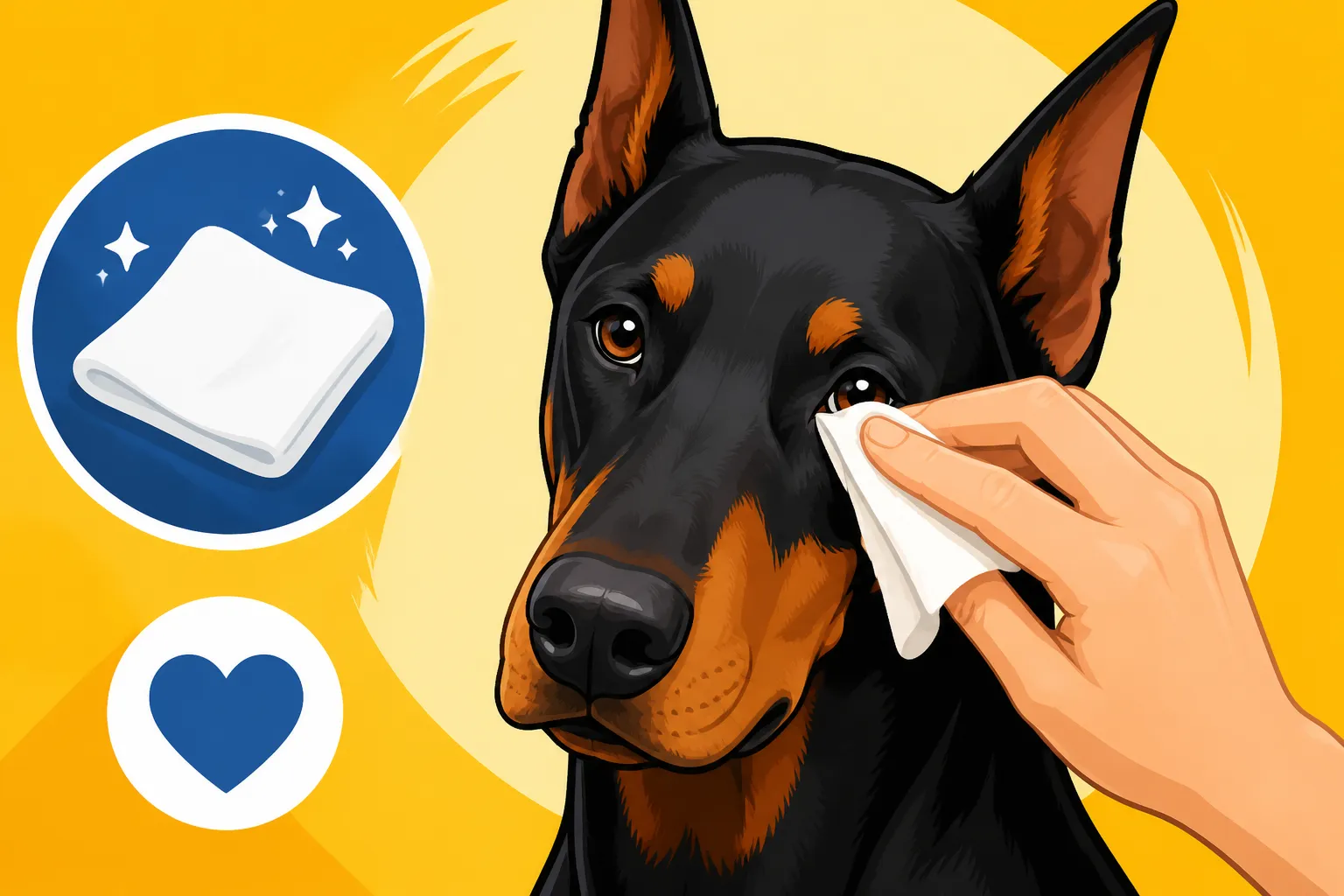
- Wipe Away: With the other hand, take your moistened pad or wipe. Starting from the inner corner of the eye, where most of the discharge collects, gently wipe outwards towards the temple. Use a soft, sweeping motion. The goal is to lift and remove the discharge, not to rub it into the fur or skin.
- Fresh Pad for Each Eye: This is crucial. Always use a fresh, clean pad for each eye. This prevents transferring any potential bacteria or irritants from one eye to the other, which could lead to cross-contamination or infection.
- Be Thorough but Gentle: Pay attention to any dried crusts. Allow the moisture from the pad to soften them before attempting to wipe them away. Never pick or pull at dried gunk, as this can pull out fur or irritate the delicate skin.
- Praise and Reward: Once done, lavish your Doberman with praise and perhaps a small, high-value treat. Positive associations make future cleanings much easier.
How often should you do this? For routine cleaning of minor gunk, once a day or every other day is usually sufficient. If your Doberman has a bit more discharge due to environmental factors, you might do it morning and evening. Consistency is key to keeping their eyes clear and preventing buildup.
Dealing with Stubborn Tear Stains
While the striking black and rust coat of most Dobermans tends to hide tear stains pretty well, some red or fawn Dobermans, or even those with particularly persistent tearing, might develop more noticeable reddish-brown staining. This isn't just an aesthetic issue; constant dampness can lead to skin irritation or even yeast infections in the fur beneath the eyes.
For these more stubborn stains, regular saline wiping is a good start. Sometimes, simply keeping the area dry and clean will prevent the staining from worsening. However, if you're dealing with existing, deeply embedded stains, you might consider specialized dog tear stain removers. Be very cautious with these products. Many contain ingredients designed to lighten the fur, and some historically contained mild antibiotics (like Tylosin), which are now generally frowned upon for cosmetic use due to concerns about antibiotic resistance. Always read the ingredients carefully and consult with your veterinarian before using any product that promises to "remove" stains rather than simply clean the area. Look for natural, gentle formulations specifically designed for pets, avoiding anything with harsh chemicals or peroxides. You can find a good selection of these on reputable pet supply sites like Chewy. Remember, these products are often about managing the appearance of the stain, not necessarily solving the root cause of the tearing.
When to Seek Veterinary Advice for Doberman Eye Issues
Regular eye wiping is a cornerstone of good Doberman care, but it's important to recognize its limitations. It's for routine hygiene and managing minor irritation, not for treating illness or injury. Knowing when to put down the wipes and pick up the phone to your vet is crucial for your Doberman's vision and overall health.
Red Flags: What Normal Eye Discharge Is NOT
Normal eye discharge is typically clear, whitish, or a light brownish-red tint, especially after drying. It usually doesn't have a strong odor, and your Doberman generally doesn't seem bothered by it. However, certain signs should immediately raise a red flag and prompt a call to your veterinarian:
- Excessive Redness or Swelling: If the whites of the eyes (sclera) are very red, or the eyelids themselves appear swollen, it could indicate infection, inflammation, or an allergic reaction.
- Thick, Yellow, or Green Discharge: This is often a hallmark sign of a bacterial infection. The discharge might also be pus-like and sticky.
- Squinting, Blinking Excessively, or Pawing at the Eye: These are clear indicators of pain, irritation, or discomfort. Your Doberman is telling you something is wrong.
- Sensitivity to Light (Photophobia): If your Doberman avoids bright light or squints in normal lighting, it could point to an underlying painful condition.
- Cloudiness or Change in Eye Appearance: Any sudden cloudiness, visible injury to the cornea, or a noticeable change in the size or shape of the eyeball warrants immediate veterinary attention.
- Sudden Onset and Rapid Worsening: If your Doberman's eye condition appears suddenly and deteriorates quickly, don't wait.
Remember, Dobermans are stoic and might not always vocalize pain, so observing their behavior and the physical signs is essential. Why a Doberman Can Look Fine and Be Ill applies to eye issues as well; what seems minor to us might be causing significant discomfort to them.
Potential Underlying Health Concerns
Beyond simple irritation, various health issues can manifest through eye symptoms. While Dobermans aren't particularly prone to all eye diseases, they can certainly experience common canine ophthalmic conditions:
- Conjunctivitis: Inflammation of the conjunctiva (the lining around the eye) can be caused by bacteria, viruses, allergies, or irritants. It's common and usually treatable.
- Corneal Ulcers: An open sore on the surface of the eye, often caused by trauma (like running through brush) or infection. These are painful and require prompt treatment to prevent deeper damage or vision loss.
- Dry Eye (Keratoconjunctivitis Sicca – KCS): Insufficient tear production, leading to dry, irritated eyes. This can cause chronic discomfort and, if untreated, corneal damage.
- Entropion/Ectropion: These are eyelid abnormalities where the eyelid rolls inward (entropion) or outward (ectropion). While less common in Dobermans compared to some other breeds, they can occur and cause chronic irritation or exposure of the eye.
- Glaucoma: Increased pressure within the eye, which can be very painful and lead to blindness if not treated quickly.
- Progressive Retinal Atrophy (PRA): A group of genetic diseases causing degeneration of the retina. While not typically causing discharge, it's a significant Doberman eye health concern. Doberman Eye Testing and PRA is an important topic for breeders and owners.
If your Doberman is showing any of the red flag symptoms, please don't try to self-diagnose or treat with over-the-counter human products. A veterinarian, or ideally a veterinary ophthalmologist, can correctly diagnose the issue and prescribe the appropriate medication or course of action. This is one area where trying to save a few dollars could end up costing much more in the long run, both financially and in terms of your Doberman's health.
Preventative Measures and Routine Care
Beyond actively wiping their eyes, there are several things you can do to minimize issues and support overall eye health for your Doberman. A little prevention goes a long way in keeping their eyes bright and clear.
Firstly, regular inspection is key. Make it a habit to look closely at your Doberman’s eyes daily, especially after walks or outdoor activities. Catching minor irritation early can prevent it from escalating. Secondly, environmental control can help. If your Doberman is prone to dust-related irritation, consider using an air purifier indoors. Avoid exposing them to cigarette smoke, strong perfumes, or harsh cleaning chemicals, which can all be irritants.
Thirdly, grooming plays a role. While Dobermans don't have long face hair, ensure any stray hairs around their eyes are not irritating the surface. A professional groomer can trim these if necessary. Lastly, overall health and nutrition contribute significantly to eye health. A balanced, high-quality diet, like those offered by Ollie, provides essential nutrients that support a strong immune system and healthy tissues, including those in the eyes. A healthy Doberman is better equipped to fight off minor infections and irritation. Ensuring your Doberman receives all their routine veterinary check-ups and The Health Testing a Doberman Breeder Must Show when they are a puppy will ensure they have the best possible start.
Choosing the Right Products for Doberman Eye Care
With so many products on the market, it can feel overwhelming to pick the right one. Let's break down what to look for and what to consider when stocking your Doberman's eye care kit.
Over-the-Counter Eye Wipes and Washes
When browsing for eye wipes and washes, the sheer variety can be daunting. My advice? Keep it simple and focused on safety. Look for products specifically labeled for dogs. Key ingredients to seek out are purified water, saline solution, and natural, gentle cleansers like boric acid (in very small, safe concentrations), aloe vera, or witch hazel extract (again, pet-safe formulations only). These ingredients are generally known for their soothing and cleansing properties without being irritating.
Conversely, avoid anything with alcohol, harsh soaps, artificial fragrances, or dyes. These can sting, dry out the delicate skin around the eyes, or even cause allergic reactions. Always double-check the ingredient list. Many reputable brands offer hypoallergenic and pH-balanced options, which are ideal for sensitive Doberman skin. Platforms like Chewy and Amazon often have detailed product descriptions and customer reviews, which can be helpful in narrowing down choices, but always prioritize ingredient safety.
DIY Solutions vs. Commercial Products
You might be wondering if a DIY approach is better than store-bought. For routine cleaning of minor discharge, a simple solution of warm, boiled water (cooled down, of course) or plain, sterile saline from the pharmacy can be perfectly adequate. These are readily available, inexpensive, and have minimal risk of irritation. The key is ensuring the water is clean and the cotton pads are lint-free.
However, commercial dog-specific eye wipes and washes do offer some advantages. They are pre-measured, sterile, and often contain mild, natural ingredients designed to be extra gentle while being effective at breaking down gunk or mild staining. For busy owners, the convenience of pre-moistened wipes can be a huge plus. The choice between DIY and commercial often comes down to personal preference, convenience, and the specific needs of your Doberman. If you’re dealing with anything more than basic cleaning, a commercial product should always be vet-approved.
Important Considerations for Doberman Owners
Regardless of the product you choose, here are a few final thoughts for Doberman owners:
- Read Labels Thoroughly: This cannot be stressed enough. Ingredients and usage instructions are critical.
- Patch Test: If you're introducing a new commercial product, especially one with active ingredients beyond simple saline, consider doing a small patch test on a less sensitive area first (like a small patch of skin on their leg) to check for any adverse reactions before applying near their eyes.
- Expiration Dates: Always check expiration dates on sterile products. Once opened, many eye solutions have a limited shelf life to maintain sterility.
- Vet First: For any concerns beyond routine cleaning of clear or whitish discharge, your veterinarian is your primary resource. Wiping eyes is maintenance, not medical treatment. Ignoring signs of infection or injury could lead to serious complications, and the costs of treating advanced problems can be significant. Think about The Vet Bills a Doberman Runs Up Outside Screening – catching issues early can save you a lot.
| Method | Pros | Cons | Best Use Case |
|---|---|---|---|
| Warm Water + Cotton Pads | Inexpensive, readily available, very gentle. | Not sterile, less effective for stubborn gunk/stains. | Daily cleaning of minimal, soft discharge. |
| Sterile Saline Solution | Sterile, gentle, mimics natural tears. | Requires separate pads, might not be pre-portioned. | Routine cleaning, rinsing out minor irritants. |
| Dog-Specific Eye Wipes | Convenient, pre-moistened, often contains soothing ingredients. | Can be more expensive, some may contain unnecessary additives. | Daily cleaning, travel, quick touch-ups. |
| Specialized Tear Stain Removers | Designed to lighten stains. | Often contain stronger ingredients, potential for irritation. | Stubborn, long-standing reddish-brown stains (vet consultation advised). |
Disclaimer
This article is for general informational purposes only and does not constitute professional advice. Laws, prices and regulations vary by location and change over time. Consult a qualified professional for guidance on your specific situation.