Blackheads and Comedones on a Doberman
It's never a fun discovery when you're stroking your sleek, beautiful Doberman and your fingers brush against tiny bumps, maybe even little dark specks, on their skin. You wonder what on earth they are, if they hurt, and most importantly, how to make them disappear. These unsightly little marks, often referred to as blackheads or comedones, can be a real source of worry for Doberman owners because our dogs have such a distinctive, short coat that offers little to hide behind. This guide is here to walk you through understanding why Dobermans seem particularly prone to these skin issues, how to identify them, and what steps you can take to manage and treat them effectively.
Understanding Doberman Skin and Coat Challenges
Our Dobermans are truly magnificent creatures, known for their powerful build, elegant lines, and that signature short, glossy coat. It's a coat that many admire for its low-shedding qualities and ease of maintenance, but it also brings a unique set of challenges. Unlike breeds with thick double coats or long, flowing hair, the Doberman's single, fine coat offers less protection to their skin. This can make them more susceptible to certain environmental irritants and skin conditions, including the frustrating appearance of blackheads and comedones.
Why Dobermans Are Prone to Skin Issues
Think about your Doberman's skin for a moment. It's relatively thin, tightly stretched over their muscular frame, and covered by that short, dense single layer of hair. There's no fluffy undercoat to provide extra insulation or a barrier against the elements. This means their skin is more directly exposed to everything in their environment – dust, pollen, friction from bedding, or even just the everyday grime they encounter on walks. This direct exposure, combined with the fact that Dobermans can have sensitive skin, sets the stage for potential problems.
Beyond environmental exposure, there can be genetic factors at play. Some Dobermans, especially those with diluted colors like blue or fawn, are predisposed to conditions like Color Dilution Alopecia in Blue and Fawn Dobermans, which makes their hair follicles fragile and their skin more prone to issues. While blackheads aren't directly CDA, the underlying skin sensitivity and compromised follicular health in some Dobermans can certainly contribute to them. It’s a delicate balance keeping a Doberman’s skin healthy, and sometimes it feels like a constant battle against the elements and genetics.
What Exactly Are Blackheads and Comedones?
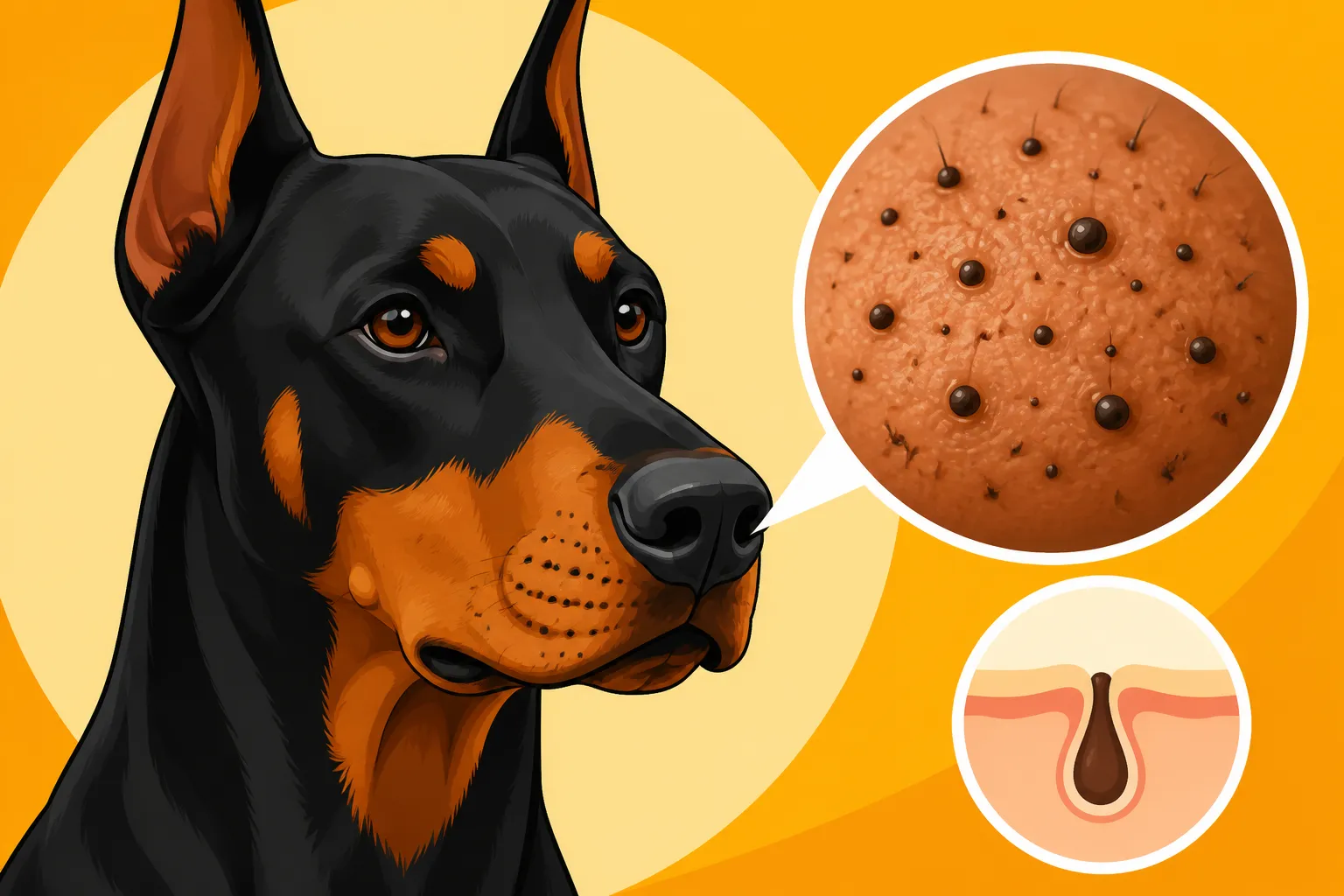
Let's demystify these terms a bit. "Comedone" is the medical term for what we commonly call a blackhead. Essentially, it's a blocked hair follicle. Imagine a tiny pore on your Doberman's skin where a hair shaft emerges. Now, picture that pore getting clogged with dead skin cells, excess oil (sebum), and sometimes dirt or debris. When this clog is open to the air, the trapped material oxidizes and turns dark, creating that characteristic black dot – a blackhead. If the clog is beneath the surface and not exposed to air, it might appear as a small, raised white bump, which would be a whitehead, though blackheads are more commonly noticed on Dobermans due to their short coat.
These aren't usually painful unless they become infected or severely inflamed. For many Dobermans, they're simply a cosmetic nuisance, but they can be an indicator of underlying skin irritation or a systemic health issue that needs attention. It’s important not to just dismiss them, because a simple blackhead can sometimes progress into a more significant problem, like a pustule or a deeper skin infection, especially if your Doberman scratches or rubs at the area, introducing bacteria.
Common Causes of Blackheads and Comedones in Dobermans
It's natural to wonder why these unwelcome bumps appear on your Doberman's otherwise perfect coat. Pinpointing the exact cause can sometimes feel like detective work, but generally, it boils down to a mix of environmental factors, genetics, and sometimes even their diet. Understanding these potential triggers is the first step toward effective management and helping your Doberman get back to their smooth, shiny self.
Environmental Factors and Irritants
Our Dobermans are active, curious dogs who love to explore, and their short coat means their skin is often directly interacting with their environment. One of the most common culprits for blackheads is simple friction or irritation. Imagine your Doberman habitually rubbing their chin on a rough carpet, or constantly pressing their chest against a favorite sleeping spot. This continuous pressure and rubbing can irritate the hair follicles, leading to blockages.
Dust, pollen, and other environmental allergens can also play a role. If your Doberman has environmental allergies, their skin might become inflamed, itchy, and produce excess oil, which can then contribute to clogged pores. Even something as seemingly innocuous as a dirty bed or a collar that's too tight can create localized irritation and blockages. Think about the areas where you most frequently find these blackheads – are they spots that rub against something often? Are they in areas that might get dirty easily, like the chin after eating? Paying attention to these patterns can give you valuable clues.
Hormonal Imbalances and Genetic Predisposition
Sometimes, the cause goes deeper than external factors. Hormonal imbalances, particularly hypothyroidism, can manifest as skin problems, including poor coat quality, thinning hair, and yes, even comedones. If your Doberman is showing other signs like Weight Gain and Low Energy in a Doberman or lethargy, it's definitely worth having their thyroid checked. A healthy thyroid is crucial for overall skin and coat health, and when it's out of whack, the skin often pays the price.
Genetics also play a significant role. As mentioned earlier, Dobermans with diluted coat colors (blue or fawn) often have fragile hair follicles due to Color Dilution Alopecia, which can make them more susceptible to follicular plugging and secondary skin infections. Even Dobermans with standard black and rust or red and rust coats can inherit skin sensitivities. It’s a sad reality that some breed lines are just more prone to certain dermatological issues, making prevention and vigilant care even more critical for these dogs. This isn't about blaming your Doberman's lineage, but understanding that sometimes, their unique physiology just means they need a little extra care and attention when it comes to skin health.
Diet and Nutritional Considerations
While diet might not be the direct cause of every blackhead, it absolutely plays a foundational role in overall skin and coat health. A Doberman fed a diet lacking essential nutrients, or one that triggers an allergic reaction, might exhibit poor skin condition, which could include increased oil production and susceptibility to blocked pores. Think of it this way: healthy skin is resilient skin.
Ensure your Doberman is on a high-quality, balanced diet. Look for foods with good sources of omega-3 and omega-6 fatty acids, which are vital for skin barrier function and reducing inflammation. Brands like Chewy offer a wide selection of premium foods, and for those interested in fresh food options, services like Ollie provide meals formulated for canine health. While there's a lot of debate around topics like Whether Grain-Free Food Adds to Doberman DCM, when it comes to skin health, the focus should generally be on easily digestible ingredients and a complete nutritional profile rather than avoiding specific food groups unless a vet-diagnosed allergy is present. If you suspect dietary sensitivities, consulting your vet about a hypoallergenic diet trial might be beneficial.
Identifying and Diagnosing Blackheads on Your Doberman
Spotting blackheads on your Doberman might seem straightforward, but sometimes these tiny blemishes can be subtle, especially if your dog has darker fur. Knowing where to look and what else to keep an eye out for can help you catch issues early and decide when it's time to bring in the professionals. Remember, early intervention often leads to quicker, more effective resolution.
Where to Look and What to Feel For
Dobermans, with their short coats, make it relatively easy to conduct a visual and tactile inspection. The most common areas where you might find blackheads or comedones are often where there's friction, oil production, or less ventilation. Start with their chin and around their mouth, as these areas often get damp and can rub against food bowls. Many Dobermans develop "chin acne" which looks very similar to human blackheads.
Next, check their chest, especially in the armpit area, and along their flanks. Sometimes, you'll find them on the inner thighs or even along the back. Run your hands over their coat, feeling for any small bumps, roughness, or changes in texture. Blackheads often feel like tiny, gritty spots. Visually, they'll appear as small, dark dots nestled in the hair follicles. Don't forget to look at their belly, too; the skin there is thin and can be prone to irritation. If you're not sure what you're seeing, a good trick is to gently spread the fur to get a clearer view of the skin itself.
When to Seek Veterinary Advice
While many blackheads are benign, there are definitely times when a vet visit is warranted. If you notice any of the following, it's time to pick up the phone:
- Inflammation or Redness: The skin around the blackheads is red, swollen, or warm to the touch. This indicates irritation or infection.
- Pus or Discharge: If you see any yellow, green, or bloody discharge from the bumps, it's a clear sign of a secondary bacterial infection that needs antibiotics.
- Pain or Discomfort: Your Doberman flinches, whines, or tries to pull away when you touch the affected areas. This suggests pain or deep inflammation.
- Spreading or Worsening: The blackheads are rapidly spreading, increasing in number, or appearing in new areas.
- Systemic Symptoms: If your Doberman is also showing other signs of illness, like lethargy, changes in appetite, or unusual thirst, it could point to an underlying health condition contributing to the skin issues, such as The Thyroid Numbers That Slow a Doberman Down.
It's always better to be safe than sorry, and your vet can rule out more serious conditions.
Diagnostic Steps Your Vet Might Take
When you bring your Doberman in for skin issues, your veterinarian will likely start with a thorough physical examination, focusing on the affected areas. They’ll ask you about your Doberman's history, diet, any recent changes, and when you first noticed the blackheads. Don't be surprised if they also inquire about other aspects of your Doberman's health, as skin issues can be a window into overall wellness.
Depending on what they find, your vet might recommend several diagnostic tests:
- Skin Scrapes: This involves gently scraping the surface of the skin to collect cells for microscopic examination. It helps identify external parasites like mites, which can cause similar-looking lesions.
- Cytology: A direct impression or swab of the skin can be taken to look for bacteria or yeast overgrowth, which often accompany or cause secondary infections.
- Fungal Culture: To rule out fungal infections like ringworm, which can also affect hair follicles.
- Blood Tests: If an underlying systemic condition like hypothyroidism is suspected, blood work to check thyroid hormone levels will be essential. They might also run a general blood panel to check for other systemic issues or deficiencies.
- Biopsy: In more persistent or unusual cases, a small tissue sample might be taken and sent to a veterinary pathologist for a definitive diagnosis. This can help differentiate comedones from other skin tumors or rare conditions.
Knowing these steps can help you understand what to expect and why your vet might be recommending certain procedures. It’s all aimed at getting to the root of the problem for your Doberman.
Effective Management and Treatment Strategies
Once you and your vet have a clear understanding of why your Doberman is developing blackheads, you can get down to the business of managing and treating them. This often involves a multi-pronged approach, combining topical treatments, environmental adjustments, and sometimes, addressing internal health. The good news is that with consistent care, most Dobermans can find relief and clearer skin.
Topical Treatments and Medicated Shampoos
For many cases of blackheads and comedones, especially those that are localized and not severely infected, topical treatments can be very effective. Your vet might recommend medicated shampoos or wipes containing ingredients like benzoyl peroxide or salicylic acid. These ingredients help to exfoliate the skin, open up clogged pores, and reduce bacteria.
- Benzoyl Peroxide: This is a common ingredient in human acne products, and it works similarly for dogs. It helps to flush out follicles and has antibacterial properties. However, it can be drying, so it's important to use it as directed by your vet and monitor your Doberman's skin for excessive dryness or irritation. You can often find these types of shampoos and wipes on platforms like Chewy or Amazon, but always consult your vet for the right product and concentration.
- Salicylic Acid: Another well-known exfoliant, salicylic acid helps to shed dead skin cells and prevent new clogs. It's often found in milder formulations.
- Sulfur and Tar Shampoos: These can also be beneficial for their exfoliating and anti-seborrheic (oil-reducing) properties, which can help manage oily skin that contributes to comedones.
When using medicated shampoos, remember that contact time is crucial. You often need to lather them on and let them sit for 5-10 minutes before rinsing thoroughly. Be patient; it might take a few weeks of consistent use to see significant improvement. And always ensure you dry your Doberman completely after bathing, especially in colder weather, as The Degrees at Which a Doberman Starts Shivering very quickly with a wet coat.
Environmental Management and Routine Care
Prevention truly is key, and many blackhead issues can be minimized by making smart adjustments to your Doberman's environment and daily routine.
- Cleanliness is Crucial: Regularly wash your Doberman's bedding. Dust mites, dirt, and dander can all contribute to skin irritation. Providing clean, comfortable bedding is a simple yet effective step. For instance, orthopedic beds that cushion Beds That Cushion a Bony Doberman can also keep them off rough surfaces.
- Reduce Friction: Identify if certain collars, harnesses, or activities are causing friction in problem areas. If your Doberman frequently gets blackheads under their chin, consider if their food bowl is too low, causing them to rub. Raised bowls or different material bowls might help. If it's on their body, evaluate their harness fit or favorite lounging spots.
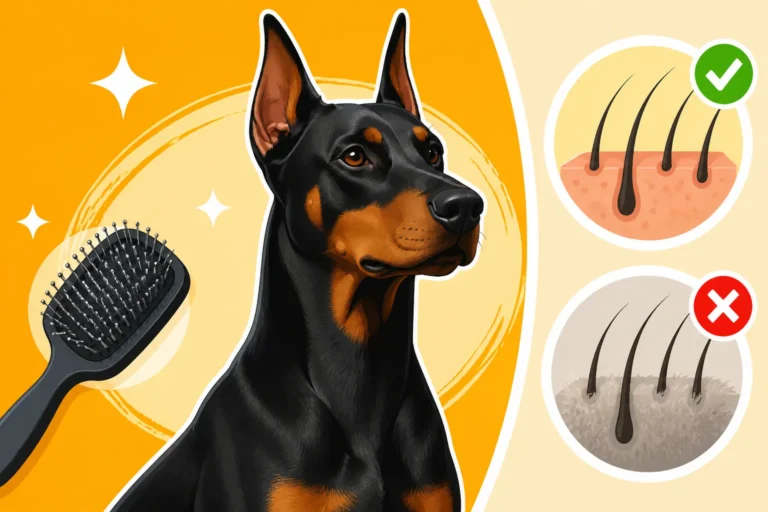
- Regular Grooming: While Dobermans don't require extensive grooming, regular wiping of their chin and folds (if any) with a gentle, damp cloth can remove food debris and excess oil. A soft brush can help exfoliate the skin and distribute natural oils, though be gentle on affected areas. Even though their coat is short, How Much Hair a Doberman Actually Drops can still be surprising, and regular grooming helps remove loose hairs and dander.
- Humidification: In dry climates, a humidifier can help prevent skin from becoming too dry and flaky, which can also contribute to clogged pores.
Dietary Adjustments and Supplements for Skin Health
As we discussed, diet plays a supporting role. While a specific diet won't "cure" blackheads caused by friction or genetics, a nutritionally robust diet can significantly improve overall skin health and resilience.
- Quality Food: Ensure your Doberman is eating a high-quality, complete, and balanced dog food. Look for recognizable protein sources and healthy fats. Some owners find that switching to a different protein source helps if their Doberman has a food sensitivity, which can manifest as skin irritation.
- Omega Fatty Acids: Supplements like fish oil (omega-3s) can be incredibly beneficial for skin health. They help reduce inflammation and support the skin's natural barrier function. Your vet can advise on the correct dosage for your Doberman's size. You can find many reputable omega oil supplements on Chewy or Amazon.
- Zinc: In some cases, a zinc deficiency can contribute to skin problems. Your vet might recommend a zinc supplement if a deficiency is suspected or if your Doberman is on a diet that might be low in this mineral. However, always consult your vet before adding any supplements, as too much zinc can be toxic.
- Limited Ingredient Diets: If food allergies are suspected, your vet might recommend a limited ingredient diet or a novel protein diet for a trial period. This can help identify and eliminate potential dietary triggers that contribute to inflammation and skin issues. Brands like Ollie, known for their fresh, limited-ingredient meals, might be discussed as an option for such trials, but always under veterinary guidance.
Addressing Underlying Health Conditions
This is perhaps the most crucial step, especially if the blackheads are persistent, widespread, or accompanied by other symptoms. If your vet diagnoses an underlying condition, treating that will be paramount.
- Hypothyroidism: If your Doberman is diagnosed with hypothyroidism, they will likely be prescribed thyroid hormone replacement medication. This typically needs to be given for life, but proper management often leads to a significant improvement in skin and coat quality, including a reduction in comedones. This highlights why comprehensive diagnostics are so important – you can keep treating the symptoms forever, but without addressing the root cause, they'll just keep coming back.
- Allergies: For environmental or food allergies, management might involve a combination of approaches: avoiding allergens where possible, antihistamines, immunotherapy (allergy shots), or specialized diets.
- Bacterial/Yeast Infections: Secondary skin infections, which can develop when blackheads become inflamed or scratched, will require antibiotics (oral or topical) or antifungal medications prescribed by your vet.
Remember, patience and consistency are your best friends when dealing with Doberman skin issues. It can take time to find the right combination of treatments and management strategies, but with dedication, you can help your Doberman achieve clearer, healthier skin.
Quick Reference: Doberman Blackheads & Comedones
Understanding the common locations and underlying factors can help you discuss concerns more effectively with your veterinarian.
| Area of Body | Common Causes | Potential Associated Symptoms |
|---|---|---|
| Chin/Mouth | Friction from bowls, food debris, chin acne | Redness, pus, tenderness |
| Chest/Armpits | Friction from harness/collar, bedding, general skin irritation | Rubbing, hair thinning, discomfort |
| Flanks/Belly | Environmental allergens, hormonal issues, skin sensitivity | Dryness, flaking, general itchiness |
| Anywhere | Hypothyroidism, allergies, poor diet, genetic predisposition | Dull coat, lethargy, weight changes, itching |
Caring for a Doberman's skin can feel like a constant vigilance, especially when you consider their predispositions to certain health issues. We’ve talked about how their short, fine coat means they need particular care. Issues like Skin Lumps Worth Aspirating on a Doberman can also pop up, making it important to know the difference between something benign and something that needs a vet’s eye. Just like managing Why Doberman Livers Store Copper requires specific dietary considerations, addressing blackheads effectively means understanding their specific causes. With consistent care, the right products, and your vet's guidance, you can keep your Doberman's skin healthy and their coat gleaming.
Disclaimer
This article is for general informational purposes only and does not constitute professional advice. Laws, prices and regulations vary by location and change over time. Consult a qualified professional for guidance on your specific situation.