Which Foods Are Highest in Copper for a Doberman
It's incredibly distressing to learn that our beloved Dobermans can face a silent threat like copper storage disease, where something as fundamental as their diet can become a significant concern. Trying to figure out which foods might be inadvertently contributing to this issue can feel like navigating a minefield, especially when you're just trying to provide the best for your companion. This guide is here to demystify the ingredients in your Doberman's bowl, helping you identify which foods are highest in copper and how to make informed choices to protect their health.
Why Dobermans and Copper Are a Unique Concern
The Doberman Pinscher is an absolutely stunning breed, known for its intelligence, loyalty, and athletic prowess. But beneath that sleek, powerful exterior lies a genetic predisposition to certain health conditions, and one of the most serious and insidious is Copper Storage Disease (CSD), sometimes referred to as copper toxicosis. Unlike many other breeds, Dobermans can have a genetic mutation that prevents their bodies from properly excreting excess copper, leading to it accumulating in the liver over time.
The Silent Threat of Copper Storage Disease
Imagine your Doberman, full of life and energy, seemingly perfectly healthy. Yet, internally, copper could be steadily building up in their liver, slowly damaging the cells. This is the truly frightening part about CSD – it's often a silent disease, progressing for years without any outward signs. By the time symptoms like lethargy, loss of appetite, vomiting, jaundice, or increased thirst and urination appear, significant liver damage has often already occurred. This is why being proactive about diet is so vital for our Dobermans. You can read more about Copper Liver Disease in Doberman Females for specific insights into how this impacts the breed. Understanding Why Doberman Livers Store Copper can also help you grasp the genetic underpinnings of this condition.
How Copper Builds Up in the Liver
Normally, copper is an essential trace mineral, crucial for various bodily functions, including iron metabolism, connective tissue formation, and enzyme activity. A healthy liver processes copper, using what's needed and excreting the rest into the bile for removal from the body. In Dobermans predisposed to CSD, this excretion pathway is faulty. Instead of being eliminated, the copper gets trapped in liver cells, accumulating to toxic levels. This chronic overload causes inflammation, scarring (cirrhosis), and eventually liver failure. Even small, seemingly harmless amounts of copper consumed daily can add up significantly over a dog's lifespan, turning a necessary nutrient into a poison for these sensitive individuals.
Identifying High-Copper Ingredients in Pet Food
When you're trying to manage copper intake for your Doberman, the first place to look is the ingredient list on their dog food bag. It can be surprising to discover just how many common and otherwise nutritious ingredients are naturally high in copper. It's not about avoiding copper entirely, as it's an essential nutrient, but rather about moderating the amount for a predisposed Doberman.
Common High-Copper Protein Sources
One of the biggest culprits for high copper content in commercial pet foods is often the protein source itself, especially organ meats. While organ meats are incredibly nutrient-dense and beneficial for many dogs, they are also copper powerhouses.
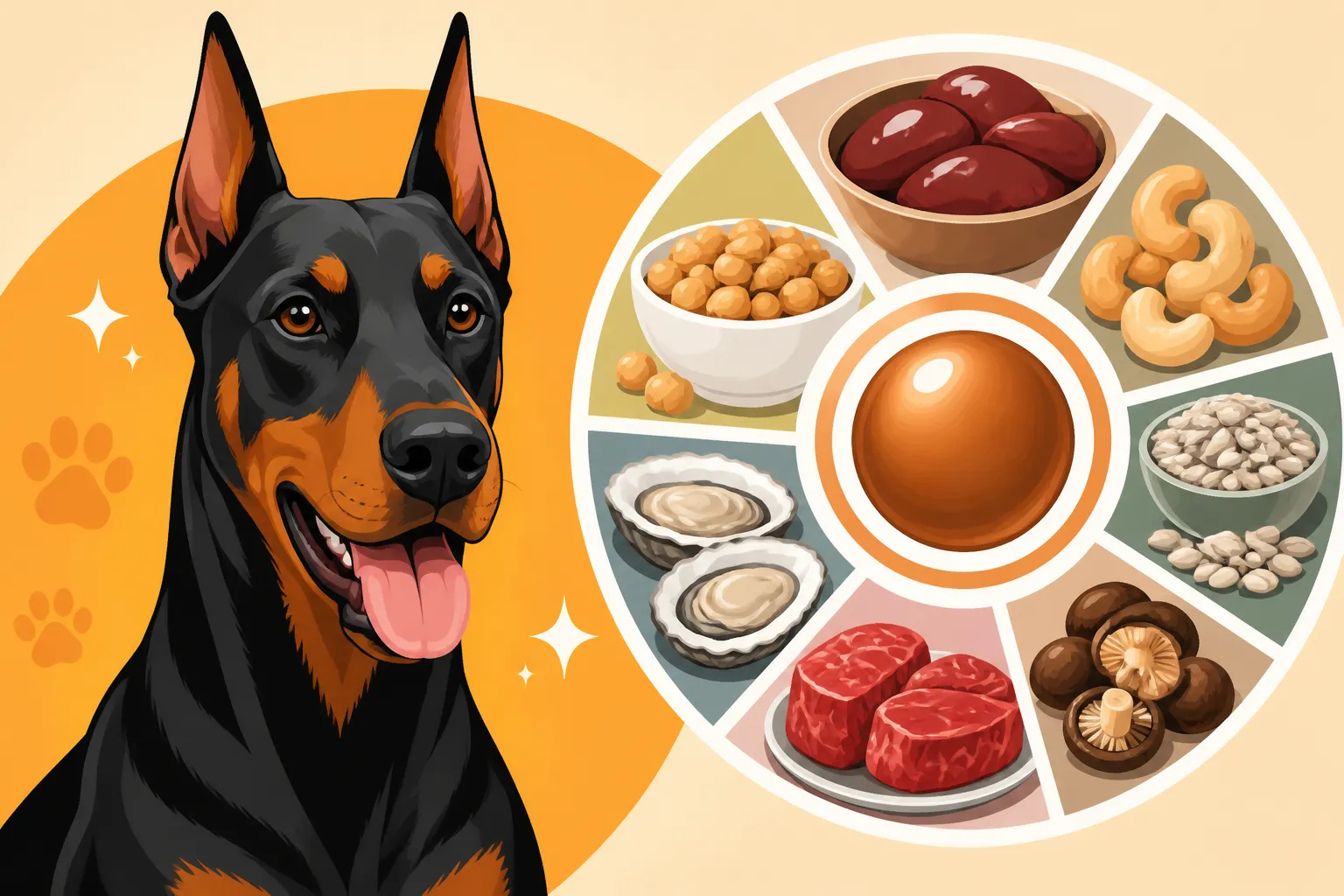
- Liver: This is hands down the number one ingredient to be cautious of. Whether it's chicken liver, beef liver, or any other animal liver, it's a rich source of copper. Many pet foods, even premium ones, use liver meal or fresh liver as a primary ingredient due to its nutritional profile and palatability. If "liver" is high on the ingredient list, the food likely has a higher copper content than is ideal for a copper-sensitive Doberman.
- Other Organ Meats: Kidney and heart, while not as high as liver, also contain notable amounts of copper. Ingredients like "poultry by-product meal" or "meat and bone meal" can sometimes include various organ tissues, making their exact copper content harder to ascertain without detailed analysis from the manufacturer.
- Fish Meal: Certain types of fish, particularly those used in fish meals, can be higher in copper. While fish is an excellent source of Omega-3 fatty acids, if fish meal is a dominant protein, it's worth investigating the overall copper level in the food.
Unexpected Vegetable and Grain Sources
It's not just meat that can contribute to high copper levels. Many plant-based ingredients, often considered healthy fillers or nutrient boosters, can also be surprisingly high.
- Legumes: Peas, lentils, chickpeas, and beans are popular ingredients in many grain-free and limited-ingredient diets. Unfortunately, these are often quite high in copper. If you see these listed prominently in the first few ingredients, especially in grain-free formulas, it's a red flag for a Doberman with CSD concerns.
- Potatoes and Sweet Potatoes: These starchy vegetables are common in kibbles and can contribute significantly to copper intake. While they provide carbohydrates and other nutrients, their copper content needs to be considered in the overall dietary picture.
- Mushrooms: While not typically a primary ingredient, some specialized foods or treats might include mushrooms, which are another source of copper.
- Grains: While some grain-free foods use legumes which are high in copper, it's worth noting that certain grains themselves can also contain copper, though generally in lower concentrations than liver or legumes. However, the cumulative effect in a standard diet needs consideration. For some Doberman owners, exploring options beyond traditional kibble, like fresh dog food services, might involve scrutinizing every ingredient. If you're looking at a brand like Ollie, for instance, you'd want to meticulously check the exact formulation and copper content for each specific recipe, as their ingredients vary.
Understanding Supplement Labels
Beyond the main food ingredients, many dog foods are fortified with vitamins and minerals, including copper. It's listed on the guaranteed analysis as "Copper (Cu)" or sometimes "Copper Proteinate" or "Copper Sulfate." A truly low-copper diet will have specific, reduced levels of supplemental copper.
When you're comparing dog foods, the "Guaranteed Analysis" panel can give you some clues, but it doesn't always specify the exact copper content, only a minimum. For Dobermans, you need to know the actual copper concentration in milligrams per kilogram (mg/kg) of dry matter. This is information you might have to request directly from the manufacturer.
Here’s a table summarizing common ingredients and their general copper levels:
| Ingredient Category | Example Ingredients | Typical Copper Level | Notes |
|---|---|---|---|
| Very High Copper | Liver (beef, chicken, lamb), Organ Meals | High | Often a primary ingredient in many foods and treats. |
| Moderately High Copper | Legumes (peas, lentils, chickpeas), Potatoes, Sweet Potatoes, Some Fish Meals, Shellfish | Medium-High | Common in grain-free or limited-ingredient diets. |
| Moderate Copper | Whole Grains (oats, barley), Chicken, Beef, Pork, Eggs | Medium | Varies, but generally safer than organ meats. |
| Lower Copper | White Rice, Some vegetables (carrots, green beans) | Low | Often used in prescription low-copper diets. |
| Supplements | Copper Sulfate, Copper Proteinate | Variable | Check guaranteed analysis; ideally low for Dobermans. |
Keep this chart in mind when you're browsing the aisles at your local pet store or looking online at retailers like Chewy. Don't be afraid to pull up the nutritional information for several different brands and compare.
Navigating Food Choices for a Copper-Sensitive Doberman
Once you understand which ingredients typically contain higher levels of copper, the next step is figuring out how to choose a diet that's appropriate for your Doberman. This isn't just about reading labels; it's a conversation with your vet and potentially a veterinary nutritionist.
Working with Your Veterinarian
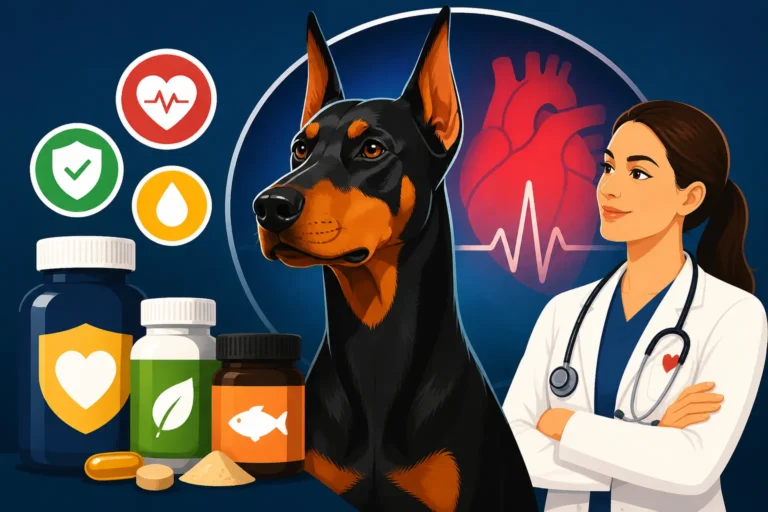
This is perhaps the most crucial step. If your Doberman has been diagnosed with elevated liver enzymes, or if you have concerns due to the breed's predisposition, your vet needs to be your primary partner. They can perform specific tests, like liver biopsies or blood panels, to confirm if copper storage is an issue. If it is, they will guide you toward a management plan, which almost always involves a prescription diet. Whether Doberman Liver Disease Can Be Caught Early is a question many owners have, and timely veterinary consultation is key.
Your vet might recommend:
- Diagnostic Testing: Beyond routine blood work, a liver biopsy is the most definitive way to diagnose CSD and determine the exact copper levels in the liver. This helps tailor the dietary approach.
- Prescription Diets: These are specifically formulated to be very low in copper and are usually only available through your veterinarian. They are designed to meet all nutritional needs while minimizing copper intake. These are often the safest and most effective option for Dobermans with diagnosed CSD.
- Monitoring: Even on a low-copper diet, regular blood work is essential to monitor liver enzyme levels and ensure the copper accumulation is being managed effectively.
The Role of Commercial Low-Copper Diets
For Dobermans with confirmed CSD, prescription veterinary diets are the gold standard. Brands like Hill's Prescription Diet l/d, Royal Canin Hepatic Support, or Purina Pro Plan Veterinary Diets Hepatic are specifically engineered to be low in copper. These foods typically use protein sources like egg or specific types of rice, which are naturally lower in copper, and limit or completely remove copper supplementation.
It's important to understand that "low copper" on a regular commercial dog food label might not be "low enough" for a Doberman with CSD. Always consult your vet for specific recommendations. If you're buying regular food, even from a reputable online store like Chewy, and your vet has indicated a need for a low-copper diet, you need to verify the copper content, ideally by contacting the manufacturer or sticking to vet-prescribed options. Low-Copper Diets for a Doberman and Prescription Diets for a Doberman are topics that delve deeper into these options.
Home-Cooked Options and Precautions
Some Doberman owners prefer to feed a home-cooked diet, believing they have more control over the ingredients. While this can be an option, it comes with significant caveats, especially for a copper-sensitive Doberman.
- Nutritional Balance is Key: It's incredibly difficult to formulate a nutritionally complete and balanced home-cooked diet without professional guidance. Deficiencies or excesses of other nutrients can be just as harmful as too much copper.
- Careful Ingredient Selection: You'd need to select extremely low-copper ingredients. This would typically involve lean muscle meats (avoiding liver and other organs), certain low-copper grains like white rice, and specific vegetables. Even then, the copper content can vary depending on the soil the vegetables were grown in, or the feed the animals consumed.
- Professional Formulation: If you choose to go this route, you must work with a board-certified veterinary nutritionist. They can formulate a diet specifically for your Doberman's needs, often using a limited number of ingredients and recommending specific supplements to ensure complete nutrition while keeping copper low. Without this professional guidance, you risk creating a diet that is either deficient in essential nutrients or still too high in copper.
Beyond the Bowl: Other Copper Sources
While the focus is often on the main dog food, it's easy to overlook other common sources of copper in your Doberman's daily life. Being aware of these can help you further reduce their overall exposure.
High-Copper Treats and Chews to Avoid
Just like with kibble, many popular dog treats and chews can contain significant amounts of copper, especially those made with organ meats.
- Liver Treats: These are incredibly popular and often freeze-dried or baked. While dogs adore them, they are concentrated sources of copper. For a Doberman at risk, these should be completely avoided.
- Bully Sticks and Other Chews: Depending on how they are processed and what parts of the animal are used, natural chews can also have varying copper levels. It’s hard to know for sure without specific lab analysis, but generally, anything made from organ meats or by-products should be approached with caution.
- Dental Chews: Some commercial dental chews might also contain ingredients that are higher in copper or be fortified with minerals. Always check the ingredient list thoroughly. When purchasing treats, whether from a pet store or an online giant like Amazon, always scrutinize the ingredients list. Opt for single-ingredient treats that are known to be low in copper, or better yet, make your own from approved low-copper ingredients.
Water Quality and Mineral Content
It might sound surprising, but even the water your Doberman drinks can contribute to copper intake.
- Well Water: If you're on well water, it's worth getting it tested. Some well water sources can naturally contain higher levels of various minerals, including copper, depending on the geology of the area and the piping.
- Copper Pipes: Old homes with copper plumbing can leach tiny amounts of copper into the water, especially if the water has been sitting in the pipes for a while. While usually negligible for most pets and people, for a Doberman already struggling with copper accumulation, every little bit counts. Consider using filtered water or offering bottled water if you have concerns about your tap water quality.
Environmental Copper Exposure
While less common and usually a smaller concern than diet, environmental factors can also contribute to copper exposure.
- Pesticides and Fungicides: Some garden products contain copper as an active ingredient. If your Doberman spends time in a yard treated with such products and licks paws or eats grass, there's a potential for ingestion. Always follow product labels carefully and restrict pet access after application.
- Copper Cookware: If you prepare home-cooked meals for your Doberman, be mindful of the cookware you use. Cooking in copper pots could theoretically leach tiny amounts into the food, though this is usually a minimal concern compared to dietary ingredients. Stainless steel or ceramic cookware would be safer choices.
Being diligent about your Doberman's diet and understanding all potential sources of copper is a significant undertaking, but it’s a loving step towards safeguarding their health and potentially extending their precious lifespan. It’s about becoming an informed advocate for your companion, working closely with your vet, and making choices that truly support their unique needs.
Disclaimer
This article is for general informational purposes only and does not constitute professional advice. Laws, prices and regulations vary by location and change over time. Consult a qualified professional for guidance on your specific situation.