Home Cooking for a Doberman With Liver Disease
It’s truly disheartening when your Doberman, a dog known for its vibrant energy and devotion, receives a diagnosis of liver disease. This news often comes with a flood of questions, particularly about diet, and the idea of preparing special meals can feel like a monumental task on top of everything else. This guide aims to demystify home cooking for your Doberman with liver disease, offering practical steps and reassurance to help you provide the best nutritional support for your cherished companion.
Understanding Doberman Liver Disease and the Crucial Role of Diet
When your Doberman receives a diagnosis of liver disease, it’s natural to feel a wave of panic. Liver issues in Dobermans, particularly chronic active hepatitis, often involve the liver's inability to properly process and excrete copper. This leads to an accumulation of copper in the liver cells, causing inflammation and damage over time. It's a silent threat sometimes, with How Many Dobermans Have Silent Liver Disease going undetected until significant damage has occurred. The liver is a powerhouse organ, responsible for detoxification, nutrient metabolism, and protein synthesis, so when it's compromised, the entire body feels the effects.
One of the most powerful tools we have in managing this condition is diet. Commercial prescription diets are readily available and scientifically formulated for liver support, offering convenience and peace of mind. However, some owners feel a strong desire to take a more hands-on approach, home cooking for their Doberman to have complete control over every ingredient. This isn't just about nutrition; it's often about a deeper bond and a feeling of actively fighting for your dog's health. You've heard the concerns about Why Doberman Livers Store Copper, and you want to do everything in your power to help. The challenge with home cooking, however, is ensuring nutritional completeness and, crucially, managing copper levels and other vital nutrients without accidentally creating new deficiencies or exacerbating existing problems. It's a fine balance, and it definitely adds to the daily mental load of caring for a sick pet.
The Specifics of Copper Storage in Dobermans
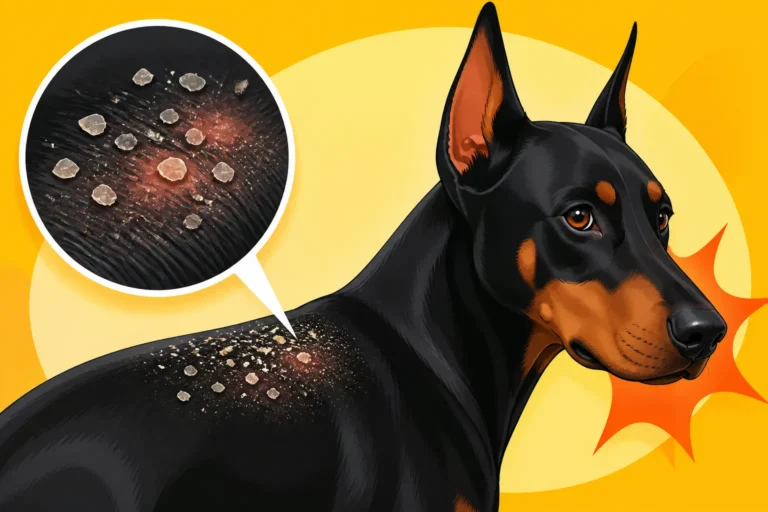
Our Dobermans are unfortunately predisposed to conditions like copper-associated hepatopathy, where excess copper builds up in their liver. Unlike other breeds, Dobermans sometimes have a genetic quirk that makes them less efficient at eliminating copper, leading to this toxic accumulation. This can manifest in various ways, from subtle changes in bloodwork to more severe symptoms like lethargy, loss of appetite, vomiting, and jaundice. You might even notice that Whether Doberman Hepatitis Hits Females Harder, a common observation in the breed. Diagnosing this often involves a Liver Biopsy in a Doberman, which can be a stressful procedure, but it provides critical information about the type and severity of liver disease.
Once diagnosed, managing copper intake through diet becomes paramount. While chelation therapy, often discussed in resources like Copper Chelation for a Doberman Liver, helps remove existing copper, preventing further accumulation through a carefully controlled diet is a lifelong commitment. This means drastically reducing sources of high-copper ingredients, which are surprisingly common in many conventional dog foods and even in some human foods we might casually share. The goal is not just to feed your dog, but to feed them therapeutically, turning every meal into a part of their healing regimen. This can feel like a huge responsibility, especially when you're already juggling so many other aspects of life.
Key Nutritional Considerations for a Doberman with Liver Issues
Embarking on a home-cooked diet for a Doberman with liver disease means becoming a nutrition detective. You can't just throw together some chicken and rice and call it a day; the stakes are too high. The primary goals are to provide high-quality protein in appropriate amounts, control fat intake, ensure sufficient digestible carbohydrates, and, most importantly, minimize copper. It also involves carefully balancing other minerals and vitamins to support liver function and overall health. It's a lot to consider, and it often feels like you need a degree in canine nutrition just to get started.
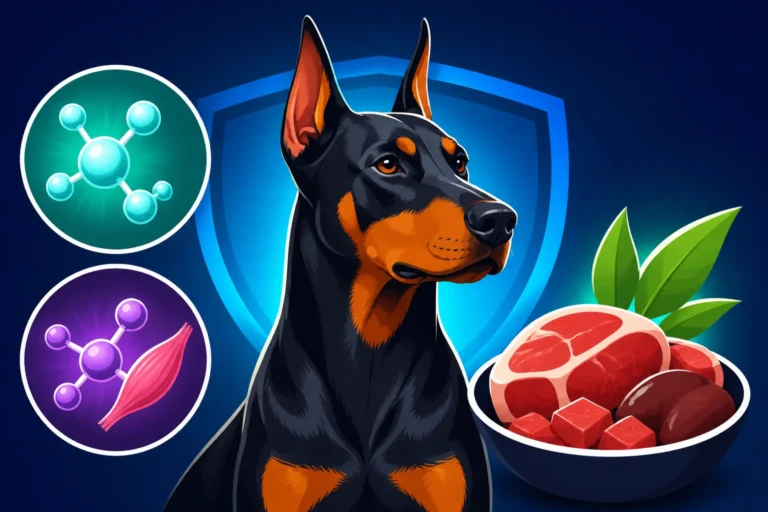
When it comes to protein, the liver typically processes it. In liver disease, the liver's ability to do this efficiently can be impaired. Too much protein can lead to the buildup of ammonia and other toxins, which can cause hepatic encephalopathy. However, too little protein can lead to muscle wasting and hinder the liver's regenerative capacity. The key is to provide high-quality, easily digestible protein sources in moderate amounts. This usually means lean meats. You'll also want to consider the fat content. While fat provides energy, an overloaded liver may struggle to process excessive amounts, so a moderate fat diet is often recommended.
Low-Copper Food Selection: Your New Shopping List
This is where the real detective work begins for a home-cooked diet. Many common ingredients are surprisingly high in copper. Organ meats like liver and kidney, for instance, are absolute no-gos, despite being healthy for many dogs. Shellfish, certain nuts, and some grains can also be problematic. Your new shopping list will focus on ingredients that are naturally low in copper. You'll find that for many owners, resources like Low-Copper Diets for a Doberman become indispensable.
Here’s a general breakdown of what to aim for and what to strictly avoid:
| Category | Low-Copper Options (Generally Safe) | High-Copper Options (Strictly AVOID) |
|---|---|---|
| Protein | Skinless chicken breast, lean ground beef (extra lean), white fish, egg whites, lean pork loin, turkey breast | Liver, kidney, heart, lamb, duck, salmon, shellfish (shrimp, oysters) |
| Carbohydrates | White rice, sweet potatoes (peeled), pasta, barley, tapioca, millet, oats (in moderation) | Whole wheat, corn, legumes (beans, lentils), brown rice (some varieties) |
| Fats | Small amounts of olive oil, flaxseed oil | High-fat meats, butter |
| Vegetables | Green beans, carrots, zucchini, peas, bell peppers, leafy greens (spinach in moderation) | Mushrooms |
| Dairy/Other | Cottage cheese (low fat, small amounts), egg whites | Dairy products with high copper fortification, chocolate (toxic anyway) |
It's crucial to remember that even within these categories, specific brands or preparations can vary. Always check labels if using prepared ingredients. For example, some fish oil supplements might have trace copper, so discuss all supplements with your vet. Resources like Chewy and Amazon can be great for sourcing specific low-copper ingredients or even prescription diet components that you might want to mix in under vet guidance, but always double-check the nutritional analysis. You want to make sure you know Which Foods Are Highest in Copper for a Doberman to make the most informed choices.
Balancing Other Essential Nutrients
Beyond copper, your Doberman's liver diet needs to be balanced for all essential vitamins and minerals. The liver plays a huge role in metabolizing vitamins A, D, E, K, and B vitamins. In liver disease, deficiencies can arise. For instance, zinc is often supplemented in Dobermans with copper storage disease because it can help block copper absorption in the gut. However, too much zinc can also be problematic, so it needs careful monitoring. This is why working closely with a veterinary nutritionist is absolutely non-negotiable when home cooking. They can formulate a precise recipe, taking into account your dog's specific stage of disease, weight, and other individual needs.
For instance, a vet might recommend certain B vitamins, or even specific antioxidants, to support liver cell regeneration. They can also guide you on the exact Zinc and Copper Balance in a Doberman Bowl. It's not just about what you remove, but what you add back in to create a complete and balanced meal. Generic recipes found online simply won't cut it for a medical condition as serious as liver disease. The complexities are real, and the potential for harm from an unbalanced diet is significant.
Crafting a Low-Copper, Liver-Supportive Meal Plan
Now that we understand the 'why,' let's talk about the 'how.' Creating a home-cooked diet for your Doberman with liver disease is a process, not a one-time event. It requires careful planning, precise measurement, and regular consultation with your veterinarian or a board-certified veterinary nutritionist. Trying to figure this out alone can feel incredibly isolating and risky. You want to make sure you're doing everything right for your beloved Doberman. Feeding a Doberman Whose Liver Stores Copper requires a dedicated approach.
A typical meal plan will involve a lean protein source, a digestible carbohydrate, and a small amount of fat, along with a veterinary-approved vitamin and mineral supplement. The supplement is critical because it's virtually impossible to meet all nutritional requirements through food alone, especially when so many ingredients are restricted.
For example, a common base for a liver-friendly diet might be:
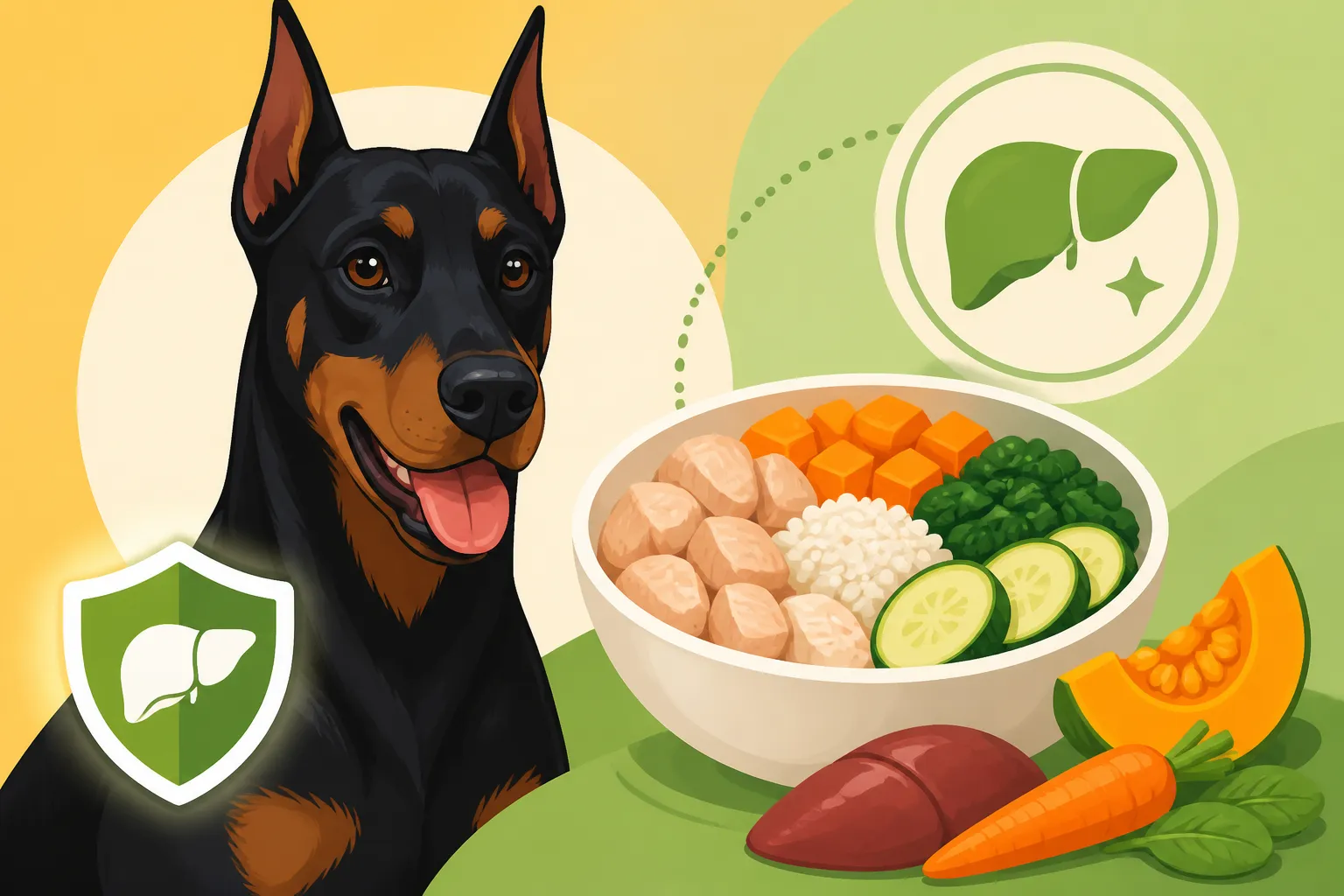
- Lean Protein: Cooked, skinless chicken breast or extra-lean ground beef (boiled and drained of fat).
- Carbohydrate: Boiled white rice or peeled sweet potato.
- Fat: A small drizzle of flaxseed oil or olive oil (check with your vet for exact amounts).
- Vegetables: Steamed green beans or zucchini (small amounts for fiber and nutrients).
- Supplement: A veterinary-prescribed vitamin and mineral blend specifically formulated for home-cooked diets for dogs with liver disease.
The exact proportions will depend heavily on your Doberman's individual needs, weight, and the severity of their condition. This is where the personalized guidance from a professional comes in. They might recommend specific amounts if there are other concerns, or adjust the protein levels based on blood test results.
Sample Recipe Building Blocks
Let's look at some practical building blocks for creating these meals. Remember, these are examples and must be approved by your vet or veterinary nutritionist. For Dobermans with Copper Liver Disease in Doberman Females, specifically, attention to these details can make a profound difference.
Protein Sources:
- Chicken Breast: Boil or bake boneless, skinless chicken breasts. Once cooled, shred or chop into small, manageable pieces. This is a very lean, low-copper protein.
- Extra-Lean Ground Beef: Boil the ground beef and then thoroughly drain off all the fat. This removes a significant amount of fat and some copper, as fat often holds copper.
- White Fish: Cod or tilapia, baked or steamed without any added oils or seasonings. Ensure it's deboned completely.
Carbohydrate Sources:
- White Rice: Cooked thoroughly. White rice is preferred over brown rice for liver disease due to its lower phosphorus and copper content and easier digestibility.
- Sweet Potato: Peeled, boiled, and mashed. Sweet potatoes are a good source of vitamins and fiber, and generally well-tolerated.
- Pasta: Plain, cooked pasta can be used as a carbohydrate source.
Fat Sources:
- Flaxseed Oil: A source of Omega-3 fatty acids, which can have anti-inflammatory benefits.
- Olive Oil: Use sparingly and only as directed by your vet.
When preparing, always keep it plain. No onions, garlic, salt, spices, or anything else we might use to flavor human food. These can be toxic or problematic for a compromised liver. It can feel a little bland, but for your Doberman, consistency and safety are key. You'll likely be preparing large batches of these components and then mixing them daily, which can save a lot of time and reduce stress. Even subscription services like Ollie, which focus on fresh-cooked meals, may have options suitable for specific dietary needs, but always ensure they can meet the very strict low-copper requirements and get vet approval for any commercial option when dealing with specific medical conditions.
Practical Tips for Home Cooking and Monitoring Your Doberman's Liver Health
Committing to home cooking for your Doberman with liver disease is a journey. It's not always easy, but the dedication you show will make a difference in your dog's quality of life. One of the biggest challenges is the time commitment, but with a bit of planning, it becomes a manageable part of your routine. This is truly where love for your Doberman shines through.
First, batch cooking is your best friend. Dedicate a couple of hours once or twice a week to prepare large quantities of your protein and carbohydrate sources. Cooked chicken can be shredded and frozen in meal-sized portions, as can mashed sweet potato or cooked rice. This makes daily meal assembly much faster – just thaw, mix, add supplements, and serve. You can find freezer-safe containers easily on platforms like Amazon or in local stores, which makes portioning a breeze.
Second, precision is paramount. Invest in a reliable kitchen scale to accurately weigh ingredients, especially protein sources, and a set of measuring spoons for oils and supplements. This isn't about guesstimating; it's about following your vet's recipe down to the gram. Small variations can lead to nutrient imbalances over time, which is exactly what we're trying to avoid.
Sourcing Ingredients and Ensuring Safety
Finding quality ingredients can sometimes be a hurdle. Look for lean cuts of meat from reputable sources. For example, buying chicken breasts in bulk from a local butcher or supermarket when they're on sale can be cost-effective. You might also find specialized ingredients or supplements recommended by your vet on sites like Chewy, which often stock a wide range of pet supplies, including veterinary-specific formulations. When selecting produce, organic is a bonus, but consistency in low-copper options is the priority. Always peel vegetables like sweet potatoes to reduce potential copper exposure from the skin.
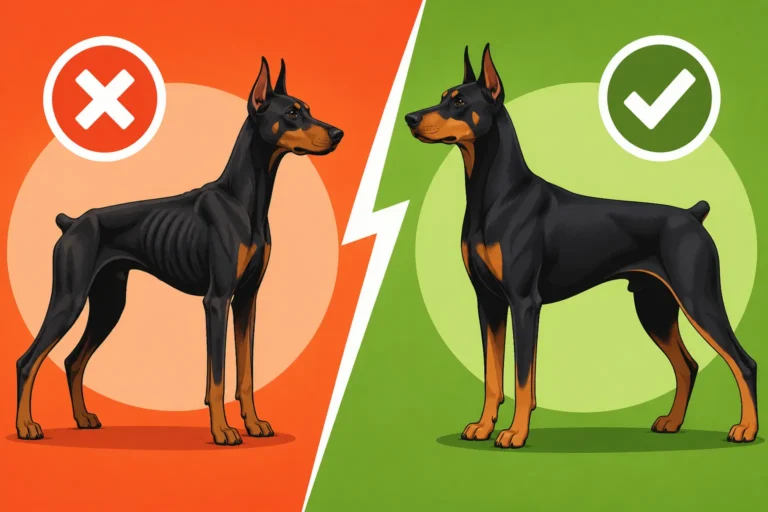
Remember that home cooking doesn't mean bypassing your veterinarian. In fact, it requires more veterinary oversight. Regular blood tests, including liver enzyme panels and sometimes even copper levels, are essential to monitor your Doberman's response to the diet. Monitoring Bloodwork for a Doberman Liver is crucial for making necessary adjustments. Your vet will likely want to see your Doberman for follow-up appointments to ensure they are maintaining a healthy weight, their muscle condition is good, and their bloodwork indicates improvement or stability in liver function.
The Long Haul: Commitment and Flexibility
A liver-supportive diet, once confirmed by your vet, is often for life. As your Doberman ages, or if their condition progresses, the diet may need further adjustments. This is why the ongoing partnership with your vet is so important. They might recommend adjusting protein levels, adding different types of fiber, or altering the supplement regimen.
The journey of home cooking for a Doberman with liver disease is a testament to your commitment. It takes effort, knowledge, and patience, but knowing you're providing tailored, wholesome meals can bring immense comfort and potentially extend your beloved Doberman's healthy years. It’s hard to see your dog unwell, and feeling like you have an active role in their care is incredibly empowering. Don't be afraid to lean on your vet for support and guidance every step of the way. Whether a Doberman Liver Diet Is for Life is a question many owners ask, and for many, the answer is yes, emphasizing the need for a sustainable approach.
Disclaimer
This article is for general informational purposes only and does not constitute professional advice. Laws, prices and regulations vary by location and change over time. Consult a qualified professional for guidance on your specific situation.