Whether a Doberman Liver Diet Is for Life
Discovering your beloved Doberman has a liver condition, especially one like copper storage hepatopathy, can feel overwhelming. Many owners immediately wonder if their dog will need a special diet forever, and the thought of such a strict regimen for years to come can be daunting. This guide is here to shed light on Doberman liver disease, explain the critical role of diet, and provide a realistic understanding of whether a specialized liver diet truly is a lifelong commitment for your Doberman.
Understanding Copper Storage Hepatopathy in Dobermans
The Doberman Pinscher is a magnificent breed, but like many purebreds, they come with certain health predispositions that can catch us off guard. One of the more insidious conditions they can face is copper storage hepatopathy, a genetic disorder where the liver isn't able to process and excrete copper normally. Instead, copper accumulates in the liver cells, causing damage over time. It's not something you can see from the outside initially, which makes it even more concerning.
Why Dobermans Are Prone to Liver Issues
It’s a cruel twist of genetics that some breeds, including our Dobermans, are simply wired differently when it comes to copper metabolism. While all dogs need some dietary copper, Dobermans can struggle to eliminate excess amounts. This isn't usually due to an abnormally high copper intake, but rather a fault in their internal processing system. Imagine a leaky bucket: even if you only pour a normal amount of water in, it still overflows if the drain is blocked. That's a bit like what happens with copper in a Doberman's liver. Over years, this steady buildup leads to inflammation, scarring (fibrosis), and eventually, irreversible liver damage, often progressing to cirrhosis. It's a silent threat lurking beneath the surface. Copper Liver Disease in Doberman Females is a topic many Doberman owners find themselves researching, highlighting this breed's particular vulnerability.
The genetic component means that this isn't a problem caused by something you did or didn't do, which can be a relief but also frustrating, as it feels out of your control. Breeders who are dedicated to the health of the Doberman line often screen their dogs for various genetic markers, but copper storage can still emerge. This inherent predisposition makes awareness and early intervention all the more vital for Doberman parents. Understanding Why Doberman Livers Store Copper is the first step toward managing this complex condition effectively.
How Copper Accumulates in the Liver
For most dogs, the liver acts like a highly efficient waste disposal system. Copper that comes in through the diet is used for essential bodily functions, and any excess is carefully packaged and sent out of the body through bile. In Dobermans with copper storage disease, this crucial excretion pathway is compromised. The liver cells become overwhelmed, and copper starts to build up, like junk piling up in a warehouse with a broken conveyor belt. Initially, the liver might try to compensate, but eventually, the sheer volume of copper becomes toxic to the cells.
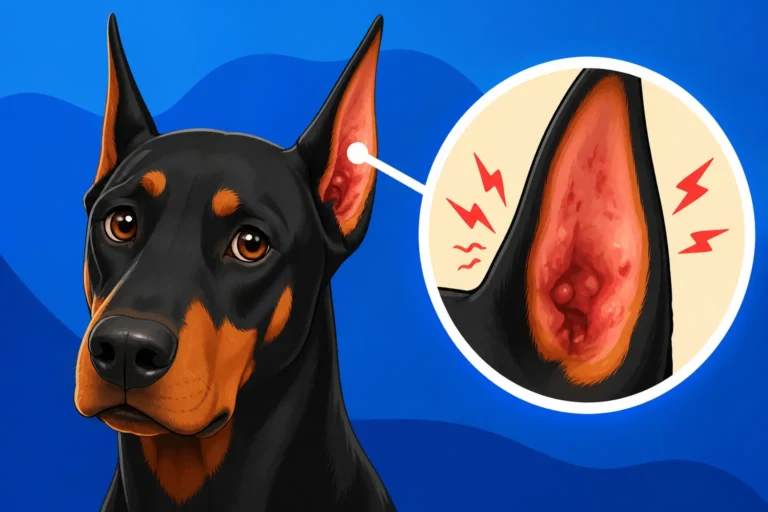
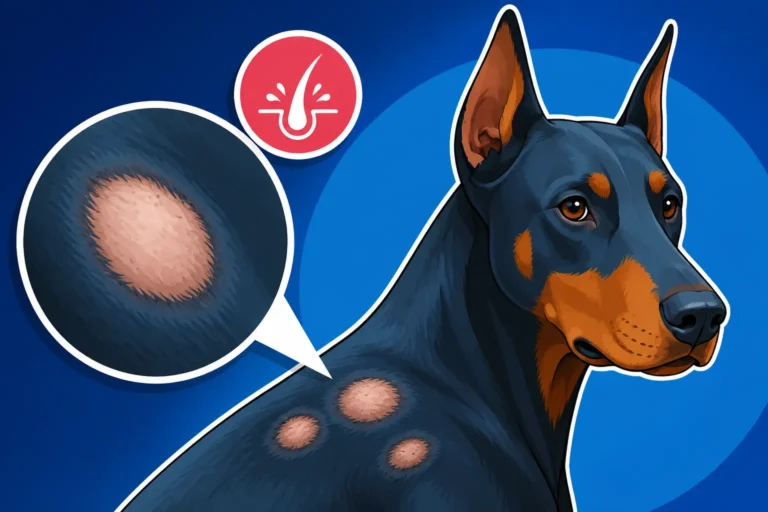
This accumulation doesn't happen overnight; it's a gradual process spanning months or even years. Many Dobermans can be in the early stages of copper accumulation with absolutely no outward signs of illness. They might be energetic, have a gleaming coat, and eat with gusto. This "silent phase" makes regular veterinary check-ups and being attuned to subtle changes incredibly important. Eventually, when enough liver cells are damaged, symptoms like lethargy, loss of appetite, vomiting, increased thirst, and even jaundice can appear, but by then, the disease is often quite advanced. This is why discussing How Many Dobermans Have Silent Liver Disease with your vet is so crucial, as early detection through bloodwork or biopsy can make a world of difference.
The Role of a Specialized Liver Diet
Once copper storage hepatopathy is diagnosed, dietary management becomes a cornerstone of treatment. The goal of a specialized liver diet is two-fold: first, to reduce the intake of copper to prevent further accumulation, and second, to provide support for the already compromised liver. It's not just about removing one ingredient; it's about rebalancing the entire nutritional profile.
Key Components of a Low-Copper Diet
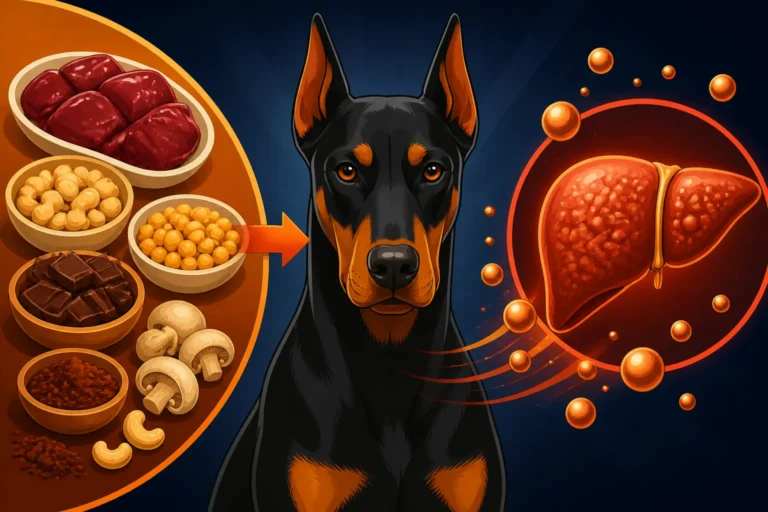
A truly effective low-copper diet for a Doberman with liver disease will significantly restrict copper content. This means avoiding ingredients naturally high in copper, such as organ meats (especially liver), certain grains, mushrooms, and some seafood. But it’s not just about copper. These diets also typically feature:
- Controlled Protein Levels: While protein is essential, too much can put a strain on a damaged liver that struggles to process metabolic byproducts. The protein sources used are usually highly digestible and of excellent quality, often from plant-based sources or easily assimilated animal proteins like eggs. The aim is to provide enough protein for muscle maintenance and repair without overloading the liver.
- Increased Zinc: Zinc is a fascinating player here. It actually helps by blocking copper absorption in the intestines and encouraging the excretion of copper already in the body. So, a liver diet will often have supplemental zinc to leverage this protective mechanism. This delicate Zinc and Copper Balance in a Doberman Bowl is something specialized veterinary diets are formulated to achieve.
- Antioxidants and Anti-inflammatories: To combat the ongoing damage and inflammation within the liver, these diets are often enriched with antioxidants like Vitamin E and C, as well as omega-3 fatty acids, which have anti-inflammatory properties. These ingredients help the liver fight back against the oxidative stress caused by copper toxicity.
Implementing Low-Copper Feeding for a Doberman requires careful attention to detail, not just in their main meals but also in every treat and snack they receive.
Types of Liver Diets Available
When your vet delivers the news about a liver diet, you might feel lost trying to figure out what to feed your dog. Thankfully, you generally have a few avenues to explore:
- Prescription Veterinary Diets: These are formulated by veterinary nutritionists specifically for dogs with liver disease. They are rigorously tested to ensure they meet the specific nutritional requirements while strictly controlling copper and other elements. Brands like Hill's Prescription Diet l/d, Royal Canin Veterinary Diet Hepatic, or Purina Pro Plan Veterinary Diets Hepatic are commonly recommended by veterinarians. You can often find these at your vet's office or through online retailers like Chewy with a prescription. These diets offer the convenience of being perfectly balanced without you needing to calculate nutrient ratios. Prescription Diets for a Doberman are often the safest and most effective starting point.
- Home-Cooked Diets: For some owners, a home-cooked diet offers more control over ingredients. However, this path must be undertaken with the guidance of a board-certified veterinary nutritionist. Randomly picking low-copper ingredients yourself can easily lead to nutritional deficiencies or imbalances that could worsen your Doberman's condition. A nutritionist can create a balanced recipe tailored to your dog's specific needs, which might then be sourced for ingredients from grocery stores or online suppliers like Amazon for staples. While more effort, it provides peace of mind about every single ingredient your Doberman consumes.
- Commercial Low-Copper Foods: Some over-the-counter dog foods claim to be "low copper" or suitable for sensitive livers. While these might be appropriate for general liver support in milder cases or for prevention (if recommended by your vet), they are generally not stringent enough for Dobermans with diagnosed copper storage hepatopathy. The copper restriction in a true prescription diet is far more significant. Always consult your veterinarian before considering any non-prescription food for a dog with a diagnosed liver condition.
Here's a quick comparison of common dietary approaches:
| Diet Type | Pros | Cons | Key Considerations |
|---|---|---|---|
| Prescription Veterinary | Nutritionally balanced, scientifically formulated, convenient | Requires vet prescription, can be more expensive | Strict copper control, appropriate protein & fat levels |
| Veterinary Home-Cooked | Complete ingredient control, tailored to individual needs | Requires nutritionist guidance, time-consuming, potential for error | Must be balanced for all nutrients, not just copper |
| General "Low-Copper" | Easier to find, potentially less expensive | May not be sufficiently restrictive for diagnosed disease | Always consult vet, not a substitute for prescription diet |
This decision is often made in close consultation with your vet, considering your Doberman's specific stage of disease, your lifestyle, and your budget.
Is a Liver Diet Truly for Life?
This is the big question, isn't it? The short answer for most Dobermans diagnosed with copper storage hepatopathy is: yes, dietary management, particularly copper restriction, will likely be a lifelong commitment. However, the intensity and specific requirements might evolve over time.
Initial Phase vs. Maintenance Phase
When your Doberman is first diagnosed, especially if liver enzymes are elevated or symptoms are present, the dietary approach will be very strict. This "initial phase" often involves a prescription liver diet, possibly combined with Copper Chelation for a Doberman Liver medication (like D-penicillamine or trientine) that helps remove excess copper from the body. The goal here is aggressive intervention to halt further damage and, if possible, reverse some of the existing accumulation. During this time, every treat, every lick from your plate, must be meticulously vetted for its copper content. It's a challenging period, requiring unwavering discipline.
Once the liver enzymes stabilize, and possibly after follow-up imaging or Liver Biopsy in a Doberman shows improvement, your Doberman might enter a "maintenance phase." For many Dobermans, this still means a specialized low-copper diet for the rest of their lives. However, depending on the individual response and the severity of the disease, your vet might discuss slight modifications. For instance, if chelation therapy has successfully brought copper levels down, the zinc supplementation in the diet might be adjusted, or the frequency of certain tests might change. But the fundamental principle of minimizing copper intake will remain. This dietary change truly is a fundamental aspect of Feeding a Doberman Whose Liver Stores Copper for the long haul.
Monitoring and Adjustments Over Time
Lifelong dietary management isn't a "set it and forget it" situation. Regular monitoring is absolutely critical. This typically involves:
- Regular Bloodwork: Your veterinarian will want to run blood tests periodically, usually every few months initially, then perhaps twice a year. They'll be looking at liver enzyme levels, albumin, bilirubin, and other markers that indicate how well the liver is functioning. Tracking Liver Enzyme Results in a Doberman provides crucial insights into the diet's effectiveness.
- Copper Levels: Sometimes, repeat liver biopsies might be recommended to directly assess the copper concentration in the liver tissue. While invasive, this offers the most accurate picture of how successfully the diet and any medications are reducing copper accumulation.
- Clinical Signs: You, as the owner, are the first line of defense. Pay close attention to your Doberman's energy levels, appetite, thirst, and overall demeanor. Any changes should prompt a call to your vet.
Based on these monitoring results, your veterinarian, possibly in consultation with a veterinary internal medicine specialist, may make adjustments to the diet or medication. For example, if copper levels remain stubbornly high, a different prescription diet or an increase in chelation therapy might be necessary. If they are well-controlled, your vet might discuss what treats are safest or if any minor dietary relaxations could be considered, though this is rare and always done with extreme caution. The commitment is indeed long-term, but it's a dynamic process of careful management.
Living With a Doberman on a Liver Diet
Living with a Doberman that requires a specialized liver diet presents its own unique set of daily challenges, but with a bit of planning and consistency, it becomes a manageable part of your routine. It's not just about what goes in the bowl; it's about making sure your whole household is on board.
Challenges and Practical Tips
One of the biggest hurdles is ensuring strict compliance, especially when life gets busy or when you have other pets in the house.
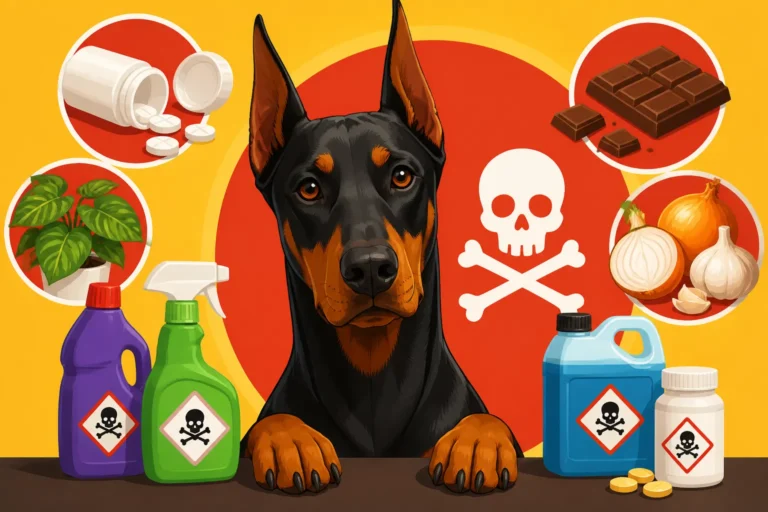
- Treats and Snacks: This is where many owners accidentally derail the diet. Most commercial dog treats are not formulated to be low in copper. You'll need to find veterinary-approved low-copper treats or make your own from approved ingredients, such as plain air-popped popcorn (without butter or salt), specific brands of rice cakes, or small pieces of a low-copper vegetable like green beans (always check with your vet for safe options!). Brands like Ollie might offer human-grade ingredients, but you'd need to verify their specific copper content and suitability for a liver condition with their nutritionists and your vet. Avoid sharing table scraps entirely unless specifically approved by your vet as part of their diet. Even tiny amounts of high-copper foods can accumulate.
- Preventing Food Theft: If you have other dogs or pets, feeding time requires supervision. Ensure your Doberman only eats their specialized food and doesn't sneak bites of another pet's meal. Feeding in separate rooms or using crates can be very helpful.
- Travel and Boarding: Planning is key for trips. Pack enough of your Doberman's specialized food and any prescribed medications. If your Doberman is boarding, leave clear, written instructions for their diet and medications, along with your vet's contact information. Don't assume others will understand the critical nature of the diet without explicit guidance.
- Cost: Specialized diets and medications can be more expensive than regular pet food. It’s important to factor this into your budget. Look for ways to purchase these items efficiently, perhaps in bulk from online retailers like Chewy or Amazon if your vet approves, but always ensure proper storage. Being financially prepared helps reduce stress in the long run.
The mantra here is consistency. Every meal, every treat, every decision about food intake matters significantly for your Doberman's liver health.
The Importance of Consistency and Support
The success of a liver diet hinges entirely on your unwavering commitment. There's no room for "just one bite" when dealing with a condition like copper storage hepatopathy. Even occasional deviations can undermine weeks or months of careful management, leading to setbacks in your Doberman's health. It’s a bit like managing a chronic human illness – strict adherence to the prescribed regimen is paramount for good outcomes.
Building a strong support network is also invaluable. This includes:
- Your Veterinary Team: Your primary veterinarian, and potentially a board-certified veterinary internal medicine specialist or nutritionist, are your best resources. Don't hesitate to ask questions, no matter how small. They can help you navigate ingredient lists, recommend safe treats, and adjust the diet as needed. They also handle Medication for a Doberman With Hepatitis if that’s part of the treatment plan.
- Family and Friends: Make sure everyone in your household and anyone who regularly cares for your Doberman understands the importance of the diet. Educate them on what your Doberman can and cannot eat.
- Online Communities: Connecting with other Doberman owners or owners of dogs with liver disease can provide emotional support, practical tips, and a sense of camaraderie. Just remember to always verify any advice with your veterinarian before implementing it, as every dog's situation is unique.
While a Doberman liver diet is a long-term commitment, it's a powerful tool in extending your beloved dog's healthy life and managing their condition effectively. With dedication, careful planning, and excellent veterinary guidance, your Doberman can live a full and happy life despite their diagnosis. Knowing that you're actively managing their health is incredibly rewarding.
Disclaimer
This article is for general informational purposes only and does not constitute professional advice. Laws, prices and regulations vary by location and change over time. Consult a qualified professional for guidance on your specific situation.