The DCM2 Titin Variant in Dobermans
The uncertainty surrounding your Doberman's heart health can feel like a constant weight, especially when you hear about devastating conditions like Dilated Cardiomyopathy (DCM). It's a truly heartbreaking reality that many Doberman owners face, making the idea of proactive testing and understanding genetic risks paramount. This guide will meticulously break down the DCM2 Titin variant, one of the key genetic markers associated with this dreadful disease, helping you understand its implications and what steps you can take for your beloved companion.
What is Dilated Cardiomyopathy DCM in Dobermans
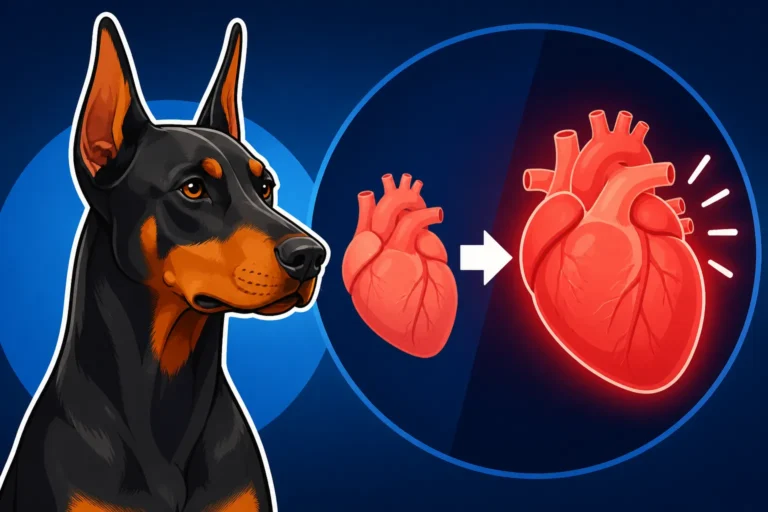
Dilated Cardiomyopathy, or DCM, is a progressive disease that weakens and thins the heart muscle, making it less efficient at pumping blood. It’s not just a little flutter; it’s a profound structural change that leads to an enlarged heart, primarily affecting the left ventricle, which is the main pumping chamber. For Doberman owners, hearing "DCM" can send shivers down their spine, and for good reason—it's the leading cause of death in our beloved breed. It's a cruel disease because it often progresses silently, with dogs showing no outward signs until it's critically advanced.
The Silent Threat: Why DCM is So Frightening
One of the most insidious aspects of Doberman DCM is its covert nature. Your dog can appear completely healthy, full of energy, and living their best life, all while their heart is slowly failing. This preclinical, or "occult" phase, can last for years. This is why regular heart screening is so crucial; without it, you're relying on visible symptoms, and by then, the disease has usually reached a stage where treatment options are more about management than prevention. Many Doberman owners have shared stories of their seemingly healthy dogs suddenly collapsing, a tragic testament to the silent progression of this disease. It’s a reality that makes every Doberman owner feel a pit in their stomach. If you're wondering just how common this silent killer is, it's worth exploring How Many Dobermans Develop DCM.
Recognizing the Later Signs of Heart Failure
While the early stages of DCM are often undetectable without veterinary intervention, the later, symptomatic phase presents with clear and alarming signs of congestive heart failure. These can include a persistent cough, especially after rest or at night, difficulty breathing, reduced exercise tolerance, and episodes of fainting or collapsing, often during or after physical exertion. You might notice your Doberman tiring much faster than they used to on walks or becoming lethargic. Swelling in the abdomen (ascites) due to fluid buildup is another late-stage indicator. Seeing these signs means the disease is advanced, and while treatment can help improve quality of life, the prognosis is often grave. Understanding Why a Doberman Heart Fails Before Anyone Notices can help underscore the importance of early detection.
Understanding the Titin Gene and DCM2 Variant
Delving into the genetics of Doberman DCM can feel like trying to decipher a complex medical textbook, but it's vital for understanding the disease's roots. At the heart of it are specific gene mutations that play a significant role. One of the most talked-about is the DCM2 variant, which involves the Titin gene. This isn't just some abstract scientific concept; it's a tangible piece of your Doberman's genetic makeup that can directly influence their cardiac health.
The Role of the Titin Gene in Heart Function
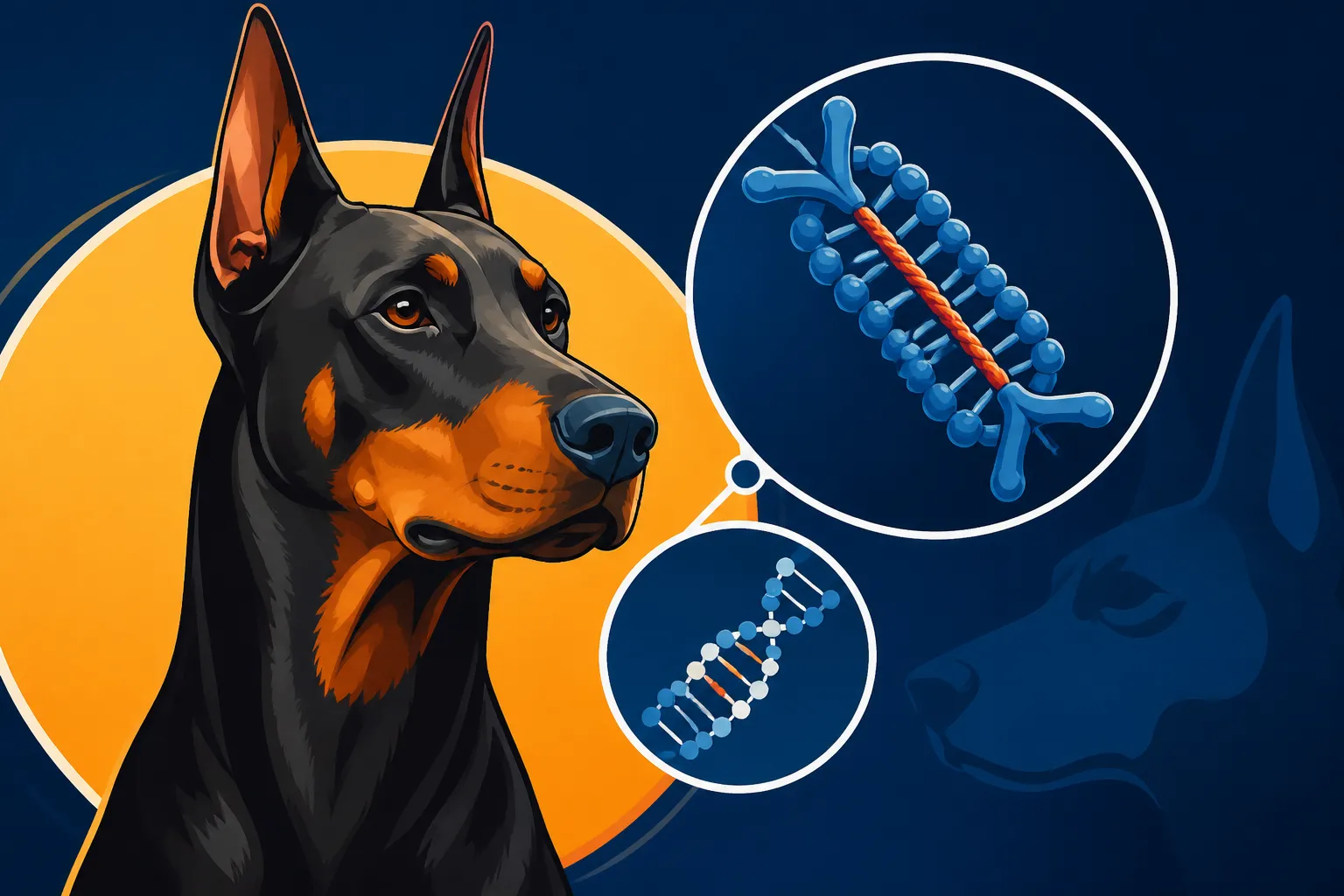
The Titin gene (TTN) is absolutely massive, one of the largest genes in the canine genome, and it codes for the titin protein. Think of titin as the "molecular spring" within your Doberman's heart muscle cells. It's crucial for the elasticity and passive stiffness of the sarcomere, the basic contractile unit of muscle. In simpler terms, titin acts like a bungee cord, helping the heart muscle stretch and then recoil efficiently with each beat. If this protein isn't functioning correctly due to a mutation, the heart muscle's ability to contract and relax properly is compromised, leading to the weakening and dilation characteristic of DCM. It's a foundational component, and any defect here can have profound consequences.
Specifics of the DCM2 Mutation
The DCM2 variant in Dobermans refers to a specific genetic mutation within the Titin gene. This particular mutation is believed to increase the risk of developing DCM by interfering with the normal structure and function of the titin protein. Unlike the DCM1 variant (PDK4), which has a more direct, clear-cut link to DCM, the DCM2 variant is often considered a risk factor rather than a sole cause. It's more complex, suggesting that it might contribute to the disease's development or severity, possibly in conjunction with other genetic or environmental factors. Researchers are still working to fully understand its exact mechanism and penetrance, which can be frustrating for owners seeking definitive answers. You might be interested in learning about The DCM1 Gene Test Explained for Doberman Owners to compare the two.
Inheritance Patterns: How it Passes Through Lines
The DCM2 Titin variant is thought to be inherited in an autosomal dominant fashion with incomplete penetrance. What does that mouthful mean for you? "Autosomal dominant" means that a Doberman only needs to inherit one copy of the mutated gene from either parent to be at an increased risk of developing the disease. "Incomplete penetrance" is where it gets tricky: it means that not every Doberman who inherits the gene will necessarily develop DCM. Some might carry the gene but never show symptoms, or develop a milder form later in life. This makes breeding decisions and risk assessment incredibly challenging. A Doberman can carry the gene, appear healthy, and pass it on to their puppies, continuing the cycle. This is why careful genetic testing of breeding dogs is so vital to try and reduce the prevalence in future generations.
How the DCM2 Variant Impacts Your Doberman's Health
Understanding that your Doberman carries the DCM2 variant can be incredibly unsettling. It’s natural to jump to the worst-case scenario. However, it's important to grasp that carrying the variant doesn't guarantee your dog will develop DCM, but it absolutely changes their risk profile. It means you need to be more vigilant and proactive about their heart health throughout their life.
Risk Factors and Disease Progression
For Dobermans with the DCM2 Titin variant, the risk of developing DCM is elevated. It’s not a ticking time bomb for every dog, but it's like a genetic predisposition that makes them more susceptible. The progression of DCM in these dogs can vary greatly. Some might develop early-onset disease, while others might not show signs until later in life, often correlating with The Doberman Years When Everything Shows Up. Environmental factors, diet, overall health, and the presence of other genetic variants (like DCM1) can all influence how and when the disease manifests. This variability is why genetic testing alone isn't enough; it must be coupled with regular cardiac screenings. It’s not just about if they have the gene, but also what else is happening in their body and environment.
Distinguishing DCM2 from Other DCM Forms
It's crucial to remember that DCM is a complex disease, and the DCM2 Titin variant is just one piece of the puzzle. Not all Dobermans with DCM carry the DCM1 or DCM2 variants, and conversely, not all Dobermans with these variants will develop clinical DCM. This is often the most frustrating part for owners; there's no single, straightforward answer. DCM can also be caused by other genetic factors not yet identified, nutritional deficiencies (like taurine, though less common in Dobermans than in some other breeds fed certain diets), or even viral infections. The DCM2 variant specifically points to a potential structural issue with the titin protein, impacting the heart's flexibility. When both DCM1 and DCM2 are present, the risk appears to be significantly higher, which is why it’s important to understand Whether a Doberman Positive for Both Genes Is Doomed. Distinguishing the specific cause often requires a combination of genetic tests, echocardiograms, and Holter monitoring.
Testing for the DCM2 Titin Variant
If you're a Doberman owner, or considering becoming one, genetic testing for DCM variants like DCM2 is an essential part of responsible ownership and breeding. It empowers you with information, even if that information is daunting, allowing you to make informed decisions about your dog's care and future. The process is relatively straightforward, but understanding what the results truly mean is key.
When and How to Test Your Doberman
Genetic testing for the DCM2 Titin variant, along with other known DCM genes, can be done at any age, even on young puppies. It typically involves a simple cheek swab or a blood sample taken by your veterinarian. You can often purchase genetic testing kits directly from reputable laboratories and collect the sample yourself, then mail it in. Some popular labs include Embark, Optimal Selection (MyDogDNA), and often offer comprehensive panels that screen for multiple health conditions and breed-specific traits beyond just DCM. For breeders, testing prior to breeding is paramount to help make informed pairing decisions. For pet owners, it's often done as part of a general health screening, or if there's a family history of DCM. Understanding What Doberman DNA Panels Cost can help you budget for this important step.
Interpreting Your Doberman's Test Results
When you receive your Doberman's DCM2 test results, they will usually indicate one of three outcomes:
- Clear/Homozygous Normal: Your Doberman does not carry the DCM2 variant.
- Carrier/Heterozygous: Your Doberman carries one copy of the DCM2 variant.
- Affected/Homozygous Affected: Your Doberman carries two copies of the DCM2 variant (though for a dominant gene with incomplete penetrance like DCM2, 'affected' usually refers to carrying at least one copy, but some labs might denote two copies as a higher risk).
Remember, a "carrier" or "affected" result for DCM2 means an increased risk for developing DCM, not a guarantee. These results should always be discussed with your veterinarian or a veterinary cardiologist, who can help interpret them in the context of your dog's age, family history, and other diagnostic screenings. It's a piece of the puzzle, not the whole picture.
Considering the Limitations of Genetic Testing
While genetic testing is an incredibly valuable tool, it's not a crystal ball. It has its limitations, and it's vital not to fall into a false sense of security (or despair) based solely on gene test results. A "clear" result for DCM1 and DCM2 does not mean your Doberman will never get DCM. There are other genetic factors, environmental influences, and unknown causes that can still lead to the disease. Conversely, a Doberman testing positive for DCM2 might live a full life without developing clinical signs. Genetic tests are a snapshot of potential predisposition. They do not replace the need for regular clinical screenings like echocardiograms and Holter monitors, especially as your Doberman ages. These clinical tests are what truly assess the current health and function of your dog's heart. This combination of genetic insight and physical monitoring is the gold standard for Doberman heart health.
Living with a DCM2 Positive Doberman
Receiving a positive DCM2 test result can be a gut punch. It’s normal to feel worried, anxious, or even overwhelmed. But it’s not a death sentence, and it’s certainly not a reason to panic. Instead, it’s a call to action, an opportunity to be exceptionally proactive in managing your Doberman’s health.
Proactive Monitoring and Veterinary Care
If your Doberman tests positive for the DCM2 variant, proactive and consistent veterinary monitoring becomes your absolute priority. This means regular visits to a board-certified veterinary cardiologist, not just your general vet. These specialists are equipped to perform detailed diagnostic tests like echocardiograms and Holter monitoring. An echocardiogram is an ultrasound of the heart that allows the cardiologist to assess heart size, muscle thickness, and pumping efficiency. A Holter monitor is a wearable device that records your dog's heart rhythm for 24 hours, detecting arrhythmias that might precede structural changes. Most cardiologists recommend annual or even bi-annual screenings, starting as early as two years old for Dobermans at higher risk. This frequent monitoring helps catch any subtle changes in heart function or rhythm as early as possible, allowing for timely intervention. For a deeper dive, check out Annual Echo and Holter Screening for a Doberman.
| Test Type | What it Measures | Best For | Frequency for High-Risk Dobermans | Limitations |
|---|---|---|---|---|
| DCM1 Genetic | PDK4 mutation | Identifying genetic predisposition | Once (any age) | Doesn't cover all DCM causes; penetrance varies |
| DCM2 Genetic | Titin gene variant | Identifying genetic predisposition | Once (any age) | Doesn't cover all DCM causes; penetrance varies |
| Echocardiogram | Heart size, muscle thickness, pumping efficiency | Detecting structural changes (occult/symptomatic) | Annually (from 2-3 years) | Snapshot in time; requires specialist & sedation |
| Holter Monitor | 24-hour heart rhythm | Detecting arrhythmias (early DCM sign) | Annually (from 2-3 years) | Only a 24-hour window; doesn't show structural changes |
| NT-proBNP Blood | A hormone released when heart muscle stretches | Screening tool for heart stress | As recommended | Not definitive; can be elevated for other reasons |
Lifestyle Adjustments and Nutritional Support
While there's no magic bullet to prevent DCM in a genetically predisposed Doberman, lifestyle adjustments can play a supportive role. Maintaining an ideal weight is crucial to reduce strain on the heart. A high-quality diet, appropriate for their life stage and activity level, is always recommended. Some cardiologists might suggest dietary supplements like taurine and L-carnitine, although these are typically more beneficial in cases of diet-induced DCM or when deficiencies are identified. However, for most Dobermans, these are often recommended alongside conventional treatment, not as replacements. The consensus on grain-free diets and DCM has shifted, with many veterinary cardiologists advising against them unless a specific grain allergy is proven, due to concerns about diet-associated DCM. Exercise should be consistent but moderate; sudden bursts of intense activity might be risky if heart changes are already present. This is where your vet's guidance becomes indispensable, helping you balance activity with safety.
This is also where considering pet insurance early can be a lifesaver. Companies like Healthy Paws can help manage the significant costs associated with specialized cardiac care, ongoing medications, and emergency treatments should your Doberman develop DCM. Planning for these eventualities financially allows you to focus on your dog's well-being without added stress.
The Emotional Toll on Doberman Owners
Let's be real: living with a Doberman, especially one with known genetic predispositions, is emotionally taxing. You're constantly walking a tightrope, celebrating every good day while a part of you silently worries about the future. The stress of waiting for annual heart screening results, the fear of missing a subtle symptom, and the emotional burden of knowing this devastating disease could strike can be immense. It's okay to feel this way. Many Doberman owners share these anxieties. Connecting with other Doberman owners in breed-specific forums or support groups can provide invaluable emotional support and shared experiences. Remember, you're doing everything you can by being informed and proactive. Companies like Healthy Paws can alleviate some financial stress, but the emotional journey is a marathon, not a sprint.
The Broader Picture: DCM2 and Other Doberman Heart Genes
The world of Doberman DCM genetics is constantly evolving, with researchers continually uncovering more pieces of this complex puzzle. Understanding the DCM2 Titin variant isn't just about this one gene; it's about seeing how it fits into the larger genetic landscape of Doberman heart health.
The Interaction of DCM1 and DCM2 Variants
For a long time, the DCM1 (PDK4) gene was the primary focus of Doberman DCM genetic research. Now, with the DCM2 (Titin) variant, we understand that the picture is far more nuanced. Research suggests that while each gene variant independently increases the risk of DCM, their combined presence can significantly escalate that risk. Dobermans positive for both the DCM1 and DCM2 variants appear to have an even higher probability of developing DCM, and potentially at an earlier age, compared to dogs with only one or neither. It's a cumulative effect, where having multiple "strikes" against them further predisposes them. This highlights why comprehensive genetic testing, looking for both known variants, is so crucial for a complete risk assessment.
Beyond DCM1 and DCM2: Emerging Research
The scientific community recognizes that DCM1 and DCM2 do not account for all cases of Doberman DCM. There are Dobermans who develop the disease despite testing clear for both known genetic markers, indicating that other genes, or combinations of genes, are involved. Researchers are actively working to identify these additional genetic factors, often referred to as DCM3, DCM4, and beyond. This ongoing research is vital for developing more comprehensive genetic tests and a deeper understanding of the disease's pathogenesis. It’s a slow process, but every discovery brings us closer to better prevention and treatment strategies for our beloved Dobermans. Staying updated on new findings from reputable veterinary cardiology conferences and breed club health initiatives is always a good idea.
Responsible Breeding Practices and Genetic Counseling
For Doberman breeders, understanding the DCM2 Titin variant, alongside DCM1 and other health concerns, is fundamental to ethical and responsible breeding. Genetic testing of all breeding stock for both DCM1 and DCM2 is a baseline requirement. The goal isn't necessarily to eliminate all carriers, as that could severely limit the gene pool, but to make informed decisions to reduce the risk of producing affected puppies. This might involve breeding a carrier to a clear dog, or carefully selecting for dogs that are clear of both variants. A truly responsible breeder will readily share the health testing results of their breeding dogs, including genetic tests, echocardiograms, and Holter reports, and will be transparent about the health history of their lines. They understand that the health of the breed, and the peace of mind of future puppy owners, depends on their diligence. Reputable breeders often consider pet insurance options like Healthy Paws for their puppies, giving new owners a head start in protecting their Doberman's health. For anyone looking to acquire a Doberman puppy, knowing The Health Testing a Doberman Breeder Must Show is invaluable.
Disclaimer
This article is intended for informational purposes only and does not constitute veterinary medical advice. Always consult with a qualified veterinarian or a board-certified veterinary cardiologist regarding any health concerns or before making any decisions about your Doberman's medical care.