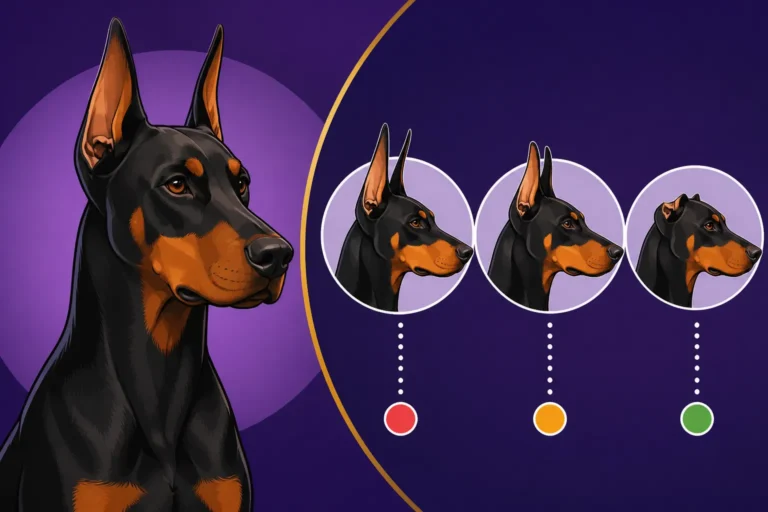
What a Full Doberman Tail Looks Like
It's quite common for people to think they know what a Doberman looks like, but often, the image they have in their mind is one that has been altered by human intervention. For decades, the Doberman's natural tail was routinely docked, leading to a widespread misunderstanding of its true, undocked appearance. If you've ever wondered what a Doberman’s tail actually looks like before any modifications, this guide will walk you through its beautiful, functional, and expressive natural form.
The Undeniable Elegance of a Natural Doberman Tail
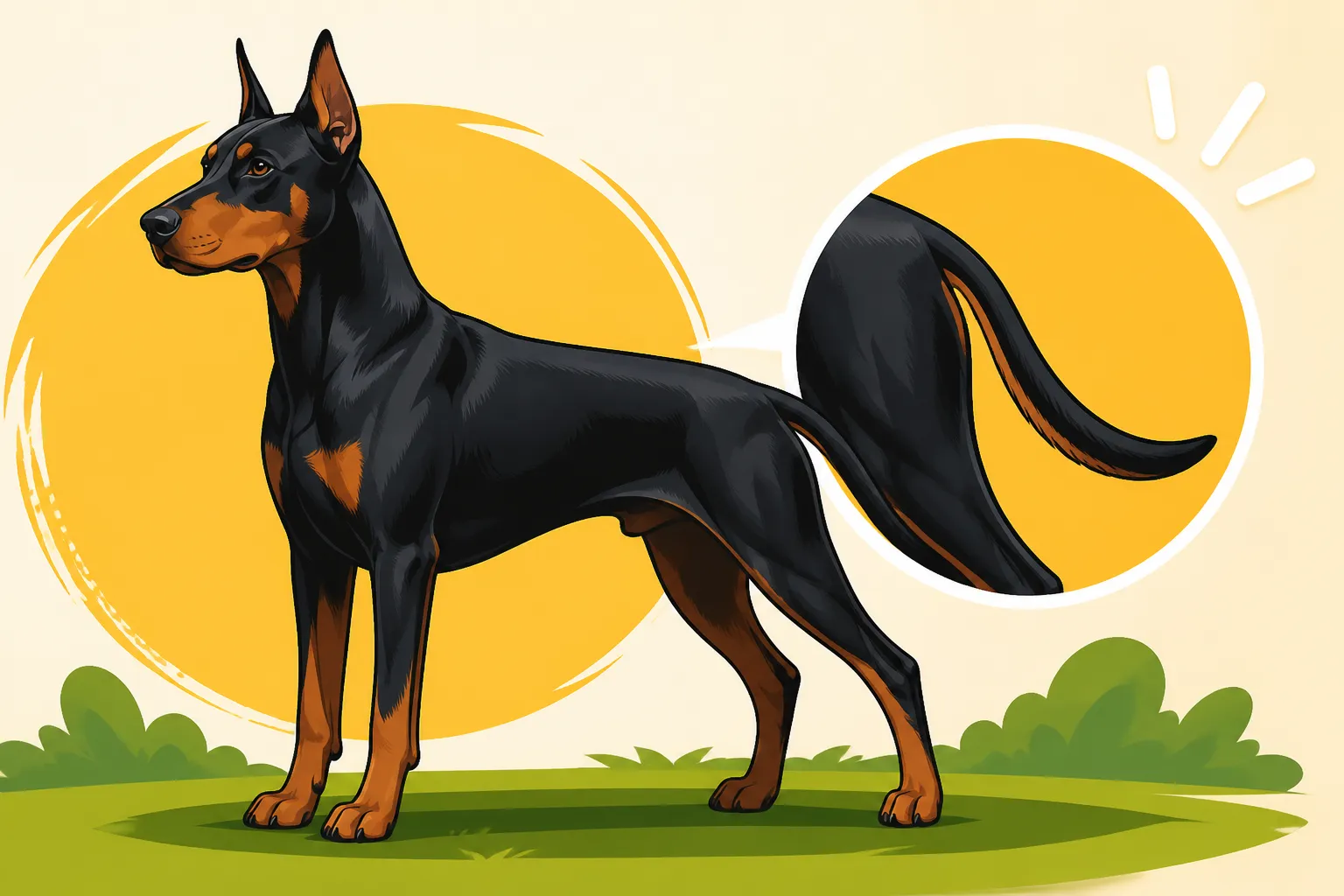
When we talk about a "full Doberman tail," we're referring to the tail the dog is born with, completely undocked and uncropped. It's a magnificent extension of their spine, far from the thin, whip-like appendage some might imagine. Seeing one for the first time can be a real eye-opener, challenging preconceived notions about the breed's aesthetic.
Shape, Length, and Natural Movement
A Doberman's natural tail is relatively long and fairly thick at the base, tapering gradually to a fine point. It’s a strong, muscular appendage, not fragile at all. When held naturally, it often forms a slight curve upwards, a gentle saber-like arc, especially when the dog is relaxed and alert. It’s typically carried just above or level with the topline, but can drop low when the dog is submissive or tucked firmly between the legs when fearful.
The length is significant; it can reach nearly to the hocks (the dog's "ankles") when extended straight down. This length is crucial for its functional role, which we'll delve into shortly. Picture a sleek, athletic dog, and then imagine that power extending all the way through a flowing tail that perfectly complements its elegant, lean physique. It really adds to their overall balance and presence. Many owners, once they see their Doberman's full tail, become incredibly fond of it and even advocate for preserving it. It’s part of their natural beauty, not a flaw.
Coat, Color, and How It Blends In
Just like the rest of their body, the Doberman's natural tail is covered in the same short, smooth, hard, and dense coat. There's no fluff or feathering; it's a sleek extension, matching the distinct coloration of the dog. Whether your Doberman is black and rust, red and rust, blue and rust, or fawn and rust, the tail will perfectly reflect those rich, striking colors. The rust markings, if present on the tail (which they often are on the underside or at the tip), will be as vibrant and clearly defined as those on their chest, muzzle, and legs. This uniform coat texture and color ensure the tail integrates seamlessly with their body, appearing as a natural and intended part of their anatomy rather than an afterthought.
It’s often a point of fascination for people who only know the cropped Doberman when they see an intact tail. They might even comment, "Is that a Doberman? I've never seen one with a tail!" It's a testament to how pervasive the practice of docking has been, erasing this natural feature from public consciousness. But the natural tail is truly part of the Doberman's standard appearance, just as much as its strong, muscular body and intelligent gaze. You might even find yourself explaining the breed's origins and the historical reasons for cropping to curious onlookers.
The Vital Role of an Undocked Tail in Doberman Life
A dog’s tail is far more than just a decorative appendage. For a Doberman, a breed known for its athleticism, intelligence, and protective instincts, an undocked tail plays a crucial role in both physical capabilities and emotional expression. It’s a tool for communication and a vital component of their impressive agility.
Balance, Agility, and Athleticism
Think about a cheetah, or any agile predator. Their long tails are essential for balance, acting as a counterbalance when turning at high speeds or navigating uneven terrain. A Doberman is no different. They are incredibly powerful and agile dogs, bred for speed and quick movements. A full tail helps them maintain stability, especially when they're running full tilt and suddenly need to change direction, leap over an obstacle, or make a sharp pivot during play or working exercises. It acts like a rudder, shifting their center of gravity to prevent tumbles and maintain control.
Without a natural tail, a Doberman can still be athletic, of course, but they often have to compensate with other parts of their body, which can put extra strain on their joints over time. Imagine trying to run and turn sharply without being able to swing your arms for balance – it’s a bit like that for a dog without its natural tail. This is especially relevant if you're involved in active sports like agility or protection work with your Doberman. The tail is an integral part of their natural athletic design. Agility With a Doberman's Long Frame is a great read if you're considering dog sports.
Emotional Expression and Communication
This is where the undocked tail truly shines as a window into your Doberman's soul. Dogs communicate an incredible amount through their tails – the height it's carried, the speed of its wag, and its overall posture. When a Doberman has its natural tail, its communication is clear and unmistakable.
- Joy and Excitement: A fast, wide wag, often involving the whole hindquarters, clearly signals happiness and enthusiasm. There's nothing quite like seeing a Doberman's full tail wagging wildly to greet you after a long day.
- Curiosity and Alertness: A tail held high, often with a slight, slower wag or a gentle quiver, can indicate the dog is investigating something new or is on alert.
- Fear or Submission: A tail tucked low between the legs is a universal sign of fear, anxiety, or submission. This is a crucial signal for other dogs and for humans to understand their emotional state. A Doberman That Stiffens Before It Growls discusses other important body language cues.
- Dominance or Challenge: While less common in a well-socialized Doberman, a very stiff, high-carried tail can indicate a dog feeling confident, dominant, or even preparing for a challenge.
Without a tail, Dobermans are forced to use other body language cues, like ear position, facial expressions, and overall body posture, to convey their feelings. However, these are often less obvious or nuanced, leading to potential misunderstandings with other dogs or people. For instance, What Cropped Ears Hide About a Doberman's Mood explores similar challenges with another common alteration.
Tail Injuries and Practical Care
While a natural tail offers many benefits, it also requires a bit of practical consideration. Dobermans, being energetic and often living indoors, can sometimes develop what's affectionately known as "happy tail syndrome." This happens when an enthusiastic tail wag repeatedly hits hard surfaces like walls or furniture, leading to abrasions or even open wounds. It can be surprisingly difficult to heal because, well, dogs keep wagging their tails!
Care for a Doberman's full tail is generally minimal, focusing on observation and prevention. You'll want to:
- Monitor for injuries: Check the tail regularly, especially the tip, for any scrapes or cuts.
- Provide soft resting spots: Ensure your Doberman has comfortable beds where their tail isn't constantly hitting hard surfaces.
- Be mindful of surroundings: If you know your Doberman is prone to happy tail, try to arrange furniture or use soft covers in areas where they typically greet you.
- Gentle cleaning: If any scuffs occur, keep the area clean with mild, dog-safe antiseptic washes. You can find these easily at pet supply retailers like Chewy or your local vet clinic. For deeper wounds, immediate veterinary attention is always necessary. Wound Healing in a Doberman With Thin Skin offers broader advice on skin issues.
Despite the occasional need for happy tail management, most owners of undocked Dobermans find the beauty and expressive nature of their dog’s natural tail far outweigh these minor concerns.
The History and Shifting Perceptions of Tail Docking
The practice of tail docking in Dobermans, and many other breeds, is steeped in tradition, though the reasons behind it are often rooted in outdated beliefs or aesthetics rather than genuine necessity. Understanding this history helps explain why so many people are unfamiliar with a Doberman's natural tail.
Historical Reasons and Misconceptions
Historically, tail docking began centuries ago, long before the Doberman breed even existed. It was often done for practical, though sometimes misguided, reasons:
- Preventing injury: In working dogs, particularly those hunting in dense brush or fighting, tails were thought to be prone to injury. Docking was seen as a preventative measure. For a Doberman, this idea might have extended to their roles as guardians or police dogs.
- Hygiene: Some believed it improved hygiene, especially in breeds with long, heavy coats. This isn't really applicable to the Doberman's sleek, short coat.
- Tax avoidance: Believe it or not, in some historical periods, a tax was levied on dogs based on their length, and a docked tail could make a dog appear shorter, thus reducing the tax burden.
- Aesthetics and Breed Standard: As breeds developed, docking became part of the "look" of certain dogs. For the Doberman, the docked tail, along with cropped ears, became iconic, contributing to a "fierce" or "alert" image that breeders and enthusiasts aimed for. This aesthetic was codified in early breed standards, which then perpetuated the practice. Docked Tails and the Modern Doberman delves deeper into this specific aspect.
It's important to recognize that many of these reasons are now considered obsolete or inhumane by modern veterinary science and animal welfare organizations.
The Global Shift Away from Docking
Today, there's a significant global movement against routine tail docking, viewing it as a cosmetic procedure that causes unnecessary pain and deprives a dog of an important communication tool. Many countries, particularly across Europe and in Australia, have banned cosmetic tail docking altogether, with exceptions only for documented medical necessity. This is why you'll often see European Dobermans with full tails and natural ears, quite a contrast to the historically common American Doberman appearance. American Against European Dobermans highlights these differences.
The shift in attitude has led to more and more Doberman owners choosing to leave their dogs intact, proudly showcasing their natural tails. This trend is slowly making its way to regions where docking is still permitted, as awareness grows and breeders respond to changing demands. The perception of what a Doberman "should" look like is evolving, embracing the dog's natural form.
How Docking Alters Public Perception
The absence of a natural tail significantly impacts how people perceive a Doberman. With a docked tail and often cropped ears, the Doberman can appear more imposing, stoic, and sometimes, to the uninformed, more aggressive. This is partly due to the removal of key communicative tools. Without a wagging tail, it’s harder for people (and other dogs) to gauge a Doberman’s friendliness or anxiety levels. A dog with a natural tail has a much clearer, more fluid way of signaling its intentions and mood.
This alteration in appearance can unfortunately contribute to negative stereotypes about the breed. A naturally tailed Doberman, while still exuding elegance and power, often comes across as more approachable and less intimidating, simply because its body language is fully expressed. It allows their inherent temperament, which is often described as loyal, intelligent, and affectionate with their family, to shine through more readily. Doberman Temperament as the Standard Describes It elaborates on their true nature.
Below is a table summarizing some key differences between a docked and undocked Doberman tail:
| Feature | Docked Doberman Tail | Undocked (Natural) Doberman Tail |
|---|---|---|
| Appearance | Very short stub, typically 1-2 inches long. | Long, thick at base, tapering to a fine point, often saber-like. |
| Length | Minimal, barely extending beyond the body. | Reaches close to the hocks when extended. |
| Movement | Limited wagging motion, often described as a "wiggle." | Wide, sweeping wags or subtle shifts; full range of motion. |
| Communication | Relies on other body language (ears, eyes, body posture). | Expresses wide range of emotions (joy, fear, alertness, submission). |
| Balance | Compensates with core body; may have slight impact on extreme agility. | Acts as a natural counterbalance for turns and quick movements. |
| Care Concerns | Generally few unique tail-specific issues. | Potential for "happy tail" injuries, requires observation. |
| Historical Basis | Tradition, perceived injury prevention, aesthetics. | Natural, functional, integral part of canine anatomy. |
In conclusion, a full Doberman tail is a beautiful, functional, and expressive part of the dog, deeply connected to its athleticism and its ability to communicate. As views on cosmetic procedures continue to evolve, more and more Dobermans are being seen and celebrated in their natural form, allowing us to truly appreciate the whole dog. It's a testament to the breed's inherent elegance and intelligent design, completely unedited. The Owner a Doberman Actually Needs is an excellent resource for anyone considering bringing this wonderful breed into their home.
Disclaimer
This article is for general informational purposes only and does not constitute professional advice. Laws, prices and regulations vary by location and change over time. Consult a qualified professional for guidance on your specific situation.