A Doberman That Stiffens Before It Growls
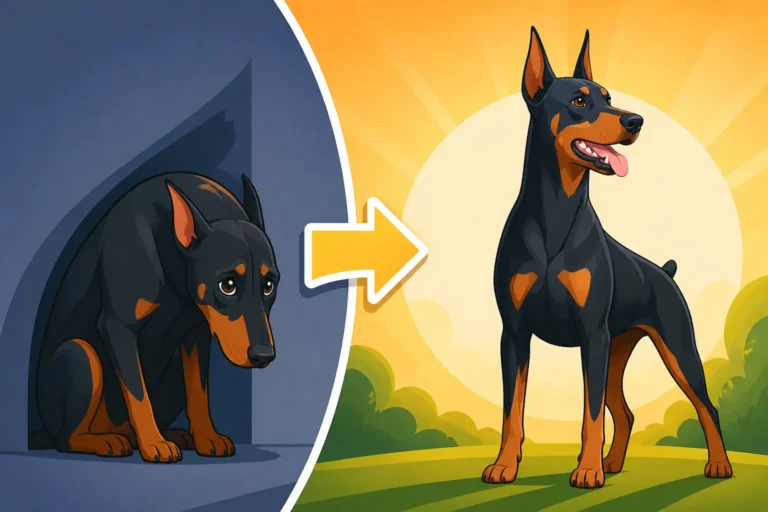
There’s nothing quite as unsettling as seeing your beloved Doberman go completely rigid, muscles tensed, just before a low rumble starts in their chest. It’s a moment that can make your stomach drop because you know, deep down, that you’ve missed something. That stiffening, that "freezing" of their body, is a crucial signal often overlooked, and understanding it can be the key to preventing a growl, a snap, or even a bite. This guide is here to help you truly see and respond to these subtle, yet incredibly important, warning signs in your Doberman.
Decoding the Doberman's Subtle Warnings
Our Dobermans are incredibly intelligent and expressive, but sometimes their communication can be missed, especially when it's subtle. When a Doberman stiffens, it's not just a random movement; it's a deliberate signal that they are deeply uncomfortable, possibly stressed, or even fearful, and are attempting to communicate this before feeling the need to escalate to a vocal warning like a growl. Learning to interpret this silent language is vital for any Doberman owner.
Why Stiffening is a Critical Communication
Think of your Doberman's body language as a ladder. At the very bottom are subtle signs of stress like lip licking, yawning (when not tired), or turning their head away. As they become more uncomfortable, they might move up to stiffening, freezing, or giving a "hard" stare. Growling, snapping, and biting are much higher up on that ladder. Unfortunately, many owners miss the lower rungs, only reacting when a growl sounds, which means the dog has already felt compelled to escalate.
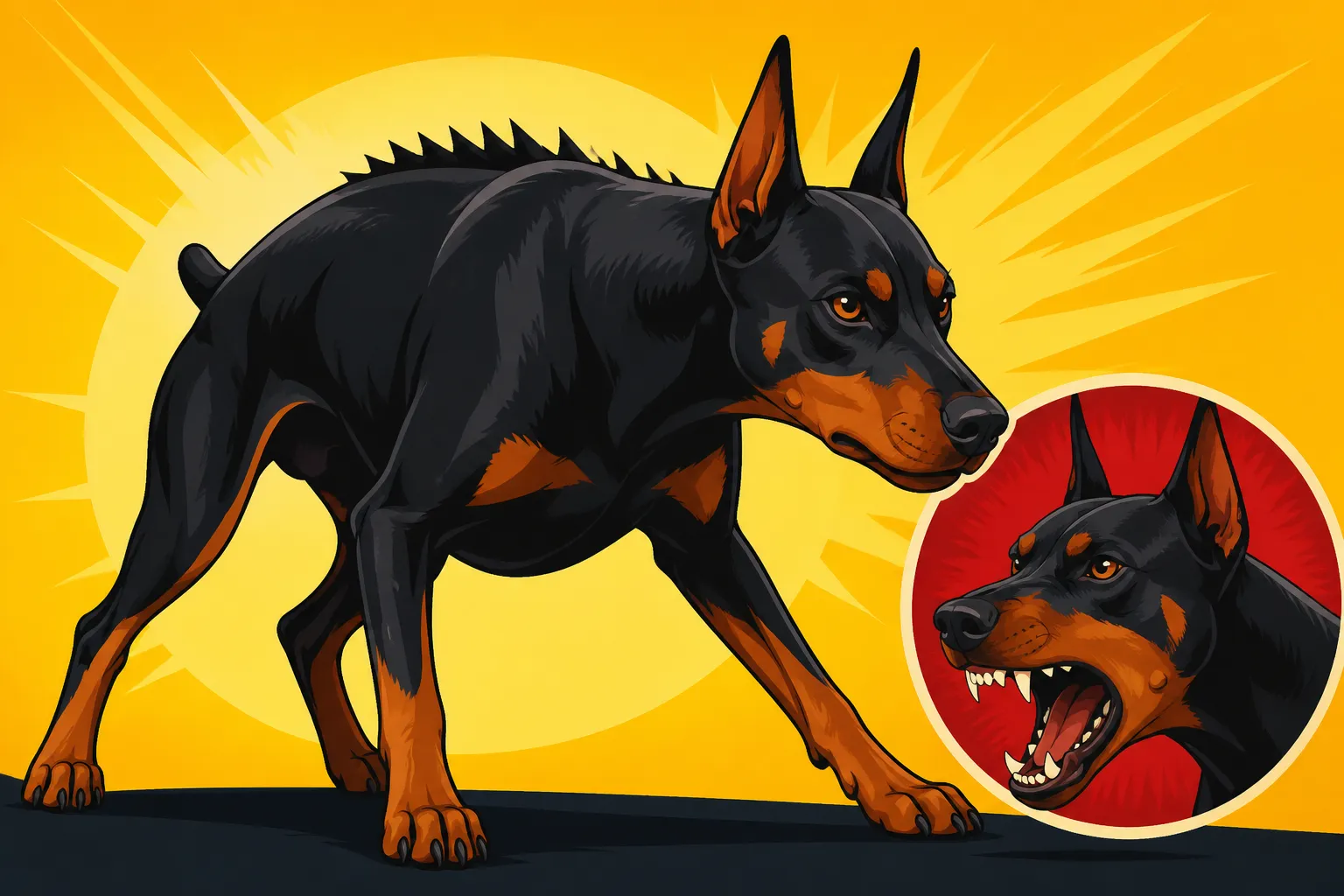
The stiffening is your Doberman's polite, yet firm, way of saying, "I really don't like this situation, and I need it to stop, please." Their body becomes rigid, their weight often shifts slightly, and they might even hold their breath for a moment. This isn't aggression yet; it's a desperate plea for space and an indication that their coping mechanisms are reaching their limit. Because Dobermans have such short coats and lean, athletic builds, these physical cues are often very visible if you’re looking for them. You might notice the muscles in their neck or shoulders tighten, or their tail, even if docked, becoming ramrod straight and stiff rather than relaxed. It's a clear signal that they are trying to avoid confrontation by giving an unequivocal warning.
Common Scenarios Where Stiffening Appears
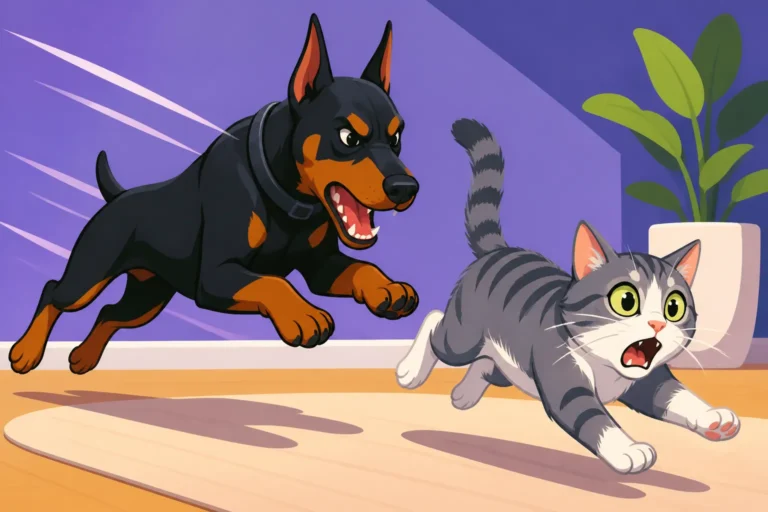
Stiffening can occur in a variety of situations, and it almost always relates to a feeling of being threatened, trapped, or simply overwhelmed. Imagine your Doberman is peacefully chewing on a favorite bone on their bed. A child, perhaps well-meaning but oblivious, starts to approach, intent on petting them. If your Doberman stiffens, it means they’re feeling their personal space or resource is being infringed upon, and they’re mentally preparing to defend it if necessary. This isn’t a mean dog; this is a dog trying to maintain its boundaries.
Other common scenarios include:
- When approached by a stranger: Especially if the person makes direct eye contact, moves quickly, or tries to reach over their head without an invitation. A Doberman's natural guarding instinct can kick in, and stiffening signals they perceive a potential threat.
- During vet visits or grooming: If your Doberman is fearful or in pain, they might stiffen when being examined or handled, particularly if the area being touched is sensitive. This is a very clear "I'm in pain, stop" signal.
- Interactions with other dogs: When another dog invades their personal space too quickly, stares, or tries to mount them, a Doberman might stiffen to communicate "back off." This is especially true in same-sex dog pairings, where competition or discomfort can quickly arise.
- When cornered or feeling trapped: If your Doberman retreats to a corner and someone follows, or if they're on a leash and another dog or person closes in, the feeling of being unable to escape can trigger stiffening as a precursor to more overt self-defense.
- Resource guarding: Whether it’s food, a toy, a bed, or even a person, a Doberman might stiffen if they feel another individual is getting too close to something they value highly. This is often a precursor to a growl.
In all these cases, the Doberman is experiencing an internal conflict. They want to avoid outright conflict, but their perceived threat level is rising, and their natural coping mechanisms are being pushed.
Recognizing the Body Language Cues
Understanding your Doberman's body language is like learning a new language. The stiffening rarely occurs in isolation; it’s usually part of a cluster of signals that, when read together, tell a complete story about your dog's emotional state. Becoming fluent in these subtle cues can help you intervene long before a situation escalates.
The Full Picture: Beyond Just the Stiffen
While stiffening is a major red flag, it's crucial to look for other accompanying body language signals to get a full understanding of your Doberman's discomfort. It's like seeing several puzzle pieces that fit together to form a clear picture. Ignoring one piece means you miss the full message.
Here’s a table outlining some common pre-growl signals you might observe alongside stiffening in your Doberman:
| Signal | Description | What it Communicates |
|---|---|---|
| Stiffening/Freezing | Body becomes rigid, tense muscles, often holding still. | "I am very uncomfortable/fearful and need this to stop." |
| Hard Stare | Direct, unblinking eye contact, often with dilated pupils. | "Do not approach. This is a warning." |
| Whale Eye | The whites of the eyes are visible, often when the head is turned away. | "I'm stressed and feeling cornered." |
| Lip Lick | Quick flick of the tongue over the lips, not related to food or thirst. | "I'm feeling anxious or stressed." |
| Head Turn/Avert | Turning head away from the trigger, avoiding direct engagement. | "I'm trying to avoid confrontation/disengage." |
| Tail Stiffening | Tail (even if docked) held rigid, either tucked tightly or held high. | "I'm tense and uncomfortable, possibly fearful or alert." |
| Closed Mouth | Mouth held tightly shut, sometimes with a tense jaw. | "I'm stressed, not relaxed." |
| Piloerection | Hackles (hair on neck and back) standing up. | "I'm aroused, fearful, or ready to defend." |
| Low Growl | Soft, deep vocalization, often barely audible. | "This is my final warning. Back off." |
You can see how a combination of these, like a stiff body, a hard stare, and a closed mouth, paints a much clearer picture of a dog on edge than just one signal alone. It's particularly important to remember that What Cropped Ears Hide About a Doberman's Mood means that Dobermans with cropped ears lose a significant part of their natural ear-based communication, making it even more crucial for owners to focus on the rest of their body language.
What a "Hard Stare" Means for a Doberman
The "hard stare" is a powerful and unmistakable signal that often accompanies stiffening. It's not the soft, inquisitive gaze your Doberman gives you when you're about to open the treat jar. Instead, it’s a direct, unblinking, often intense stare, where the eyes might appear wide and even a bit glassy, and the pupils could be dilated. The dog’s whole facial expression will often be devoid of softness, looking tight and unyielding.
When your Doberman gives a hard stare, they are not inviting interaction; they are doing the exact opposite. They are setting a clear boundary and attempting to communicate, without physical contact, that they feel threatened or challenged and that the perceived threat needs to cease. It's a signal of intent, a final visual warning before they feel compelled to escalate to a growl or a snap. Ignoring a hard stare is incredibly risky, as it tells your Doberman that their subtle signals are ineffective, which can lead them to believe that only more forceful communication will get the message across. It's a sign of a Doberman moving from mild discomfort to genuine fear or defensive aggression, and immediate action is needed to de-escalate the situation.
Strategies for De-escalating and Prevention
Once you’ve learned to recognize these critical signals, the next step is knowing what to do about them. Reacting effectively and proactively can prevent situations from escalating and build trust with your Doberman, teaching them that you understand their communication.
Immediate Action: What to Do in the Moment
When you see your Doberman stiffen, especially if followed by a hard stare or a low growl, your immediate goal is de-escalation. This means creating distance from the trigger and removing the source of their discomfort, calmly and without punishment. Never yell at your Doberman for growling or stiffening; you are punishing their attempt to communicate, which could lead to a dog that bites without warning next time.
Here’s what to do:
- Increase Distance: The most effective immediate action is to create more space between your Doberman and whatever is causing their stress. This might mean gently leading your Doberman away, moving yourself or others away from your dog, or creating a barrier.
- Remove the Trigger: If possible and safe, remove the person, dog, or object that is causing the stiffening. For example, if a child is approaching, calmly ask the child to stop and step back. If it’s another dog, guide your Doberman on a wide arc away from them.
- Stay Calm: Your Doberman will feed off your energy. If you panic, yell, or become tense, you will only add to their stress and confirm their belief that the situation is indeed threatening. Speak in a low, calm voice, and move deliberately.
- Avoid Direct Eye Contact: If your Doberman is giving a hard stare, avoid staring back, as this can be perceived as a challenge. Instead, slightly turn your body sideways and avoid direct eye contact.
- Re-direct if Safe: Once some distance is created, you can try to gently re-direct their attention with a high-value treat if they are able to take it calmly. If they are too stressed to eat, then focus solely on creating more space.
The key is to acknowledge their warning and respect their need for space. This teaches your Doberman that their subtle communication is heard and that they don't need to escalate to feel safe.
Long-Term Training and Management
Addressing stiffening and pre-growl signals effectively requires more than just in-the-moment responses. It demands a proactive, long-term approach focused on training, environmental management, and often, modifying your Doberman's emotional response to triggers. This isn't about "fixing" a broken dog; it's about building confidence and providing tools for coping.
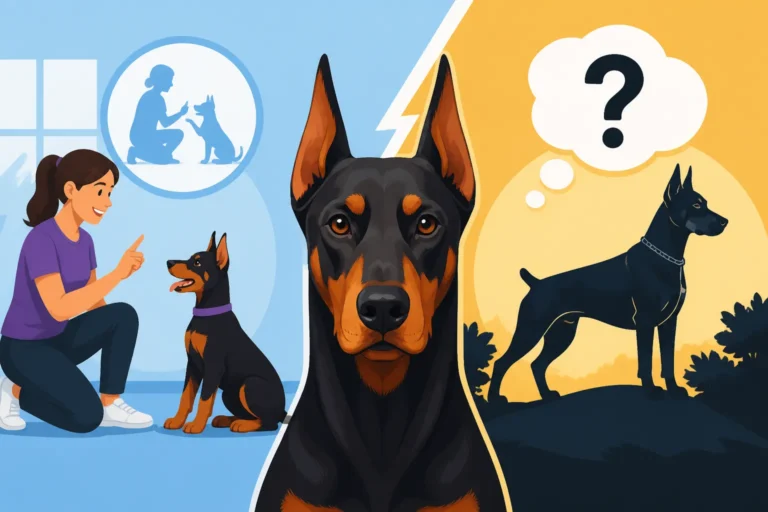
- Positive Reinforcement Training: This is your best friend. Instead of punishing unwanted behavior, reward calm and desired responses. If your Doberman usually stiffens when a stranger approaches, start by rewarding them for simply looking at a stranger calmly from a safe distance. Gradually decrease the distance as they remain relaxed. Online resources like BAXTER & Bella can offer excellent, positive-reinforcement based curricula that help build a strong foundation of obedience and confidence, which can be invaluable.
- Counter-conditioning and Desensitization: This is a professional-level technique but the principle is simple: change your Doberman's negative association with a trigger into a positive one. If they stiffen at the sight of other dogs, for example, pair the sight of a dog (at a distance where they don't stiffen) with super-high-value treats. Over time, the presence of other dogs will predict treats, not stress.
- Solid Obedience Foundation: Basic cues like "sit," "stay," "leave it," and a strong "recall" are invaluable. A reliable "place" command can give your Doberman a safe, designated spot to retreat to when feeling overwhelmed. You can find excellent durable dog beds and safety gates on Amazon to help establish a secure "place" and manage interactions within the home.
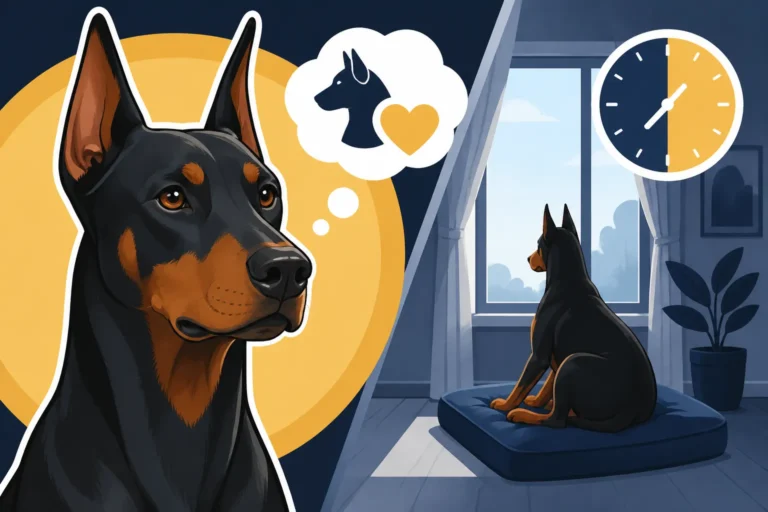
- Stress Management: Ensure your Doberman gets adequate physical exercise and, perhaps even more importantly, mental enrichment. Puzzle toys, scent work, and short, engaging training sessions can help tire their minds and reduce overall stress levels. A Doberman with excess energy or mental boredom is more likely to be reactive. Understanding A Doberman That Cannot Cope When You Go Out might be related to underlying stress or anxiety that contributes to these behaviors.
- Environmental Management: Sometimes, preventing the situation from happening is the best "training." This means using leashes, gates, crates, and careful supervision. Don't put your Doberman in situations where you know they will stiffen or growl. Always supervise interactions with children and other animals, ensuring everyone respects your Doberman’s boundaries. Building a Doberman Puppy That Is Confident, Not Sharp from an early age through proper socialization is key to avoiding many of these issues later on.
By consistently applying these methods, you're not just managing symptoms; you're building a more resilient, confident Doberman who trusts you to handle challenging situations.
When to Seek Professional Help
There are times when the stiffening and growling escalates beyond what you can comfortably manage on your own, or when you feel truly out of your depth. This is not a sign of failure; it's a sign of responsible pet ownership. Recognizing when to bring in a professional can prevent serious incidents and greatly improve your Doberman's quality of life.
You should definitely seek professional help if:
- The behavior is escalating: If the growling is becoming more frequent, more intense, or progressing to snapping or biting, it's time for expert intervention.
- The behavior is directed at family members: If your Doberman is stiffening or growling at people within your household, especially children, this is a serious concern that requires immediate professional guidance.
- You feel unsafe: If you're genuinely afraid of your Doberman's reactions or worried about what might happen next, don't wait.
- Your attempts at training are ineffective or make it worse: If you've tried positive reinforcement and management strategies but see no improvement, or worse, if the behavior seems to intensify, a professional can offer new perspectives and techniques. Rebuilding Trust With a Harshly Handled Doberman is a complex process that often requires expert guidance.
- You suspect pain or a medical cause: While a vet visit is the first step here, a veterinary behaviorist can help distinguish between pain-induced behavioral changes and purely behavioral issues.
Look for a certified professional dog trainer (CPDT-KA or KPA-CTP credentials are good indicators) or, for more severe cases, a veterinary behaviorist (DACVB). These professionals have specialized knowledge and can create a tailored plan for your Doberman. Understand that Trainer Rates for a Reactive Doberman can vary, but the investment is often priceless when it comes to the safety and well-being of your dog and household. They can observe your Doberman in various situations, identify specific triggers, and guide you through effective behavior modification protocols.
Understanding Underlying Factors and Health
Behavior is complex, and it’s rarely just about what’s happening in the moment. Often, a Doberman that stiffens before it growls has deeper underlying factors at play, ranging from physical discomfort to past experiences. A holistic approach that considers all possibilities is essential for truly resolving the issue.
Pain and Medical Conditions
One of the most frequently overlooked causes of sudden or escalating reactive behavior in dogs, including stiffening and growling, is pain. Imagine you have a headache, and someone unexpectedly touches your head—your reaction might be sharper than usual. Dogs are no different. They cannot tell us directly that they are in pain, so they often communicate it through changes in behavior.
Conditions that could cause pain and lead to stiffening/growling include:
- Orthopedic issues: Hip dysplasia, arthritis, cruciate ligament injuries, or even subtle sprains can make a Doberman reluctant to be touched or moved in certain ways. If a sensitive joint is bumped, a stiffening and growl can be an involuntary protective response.
- Spinal problems: Dobermans are unfortunately prone to certain spinal conditions, like Wobbler Syndrome. A compressed nerve in the neck or back can cause chronic pain or sudden jolts of discomfort, leading to defensiveness.
- Dental disease: A painful tooth or gum infection can make a Doberman sensitive around the mouth or face.
- Internal organ issues: Undiagnosed gastrointestinal discomfort, urinary tract infections, or even early stages of organ disease can cause generalized malaise and make a dog irritable and prone to react negatively to touch or approach.
- Neurological conditions: Certain neurological issues can manifest as changes in temperament or increased sensitivity.
It’s always a good idea to schedule a full veterinary check-up if your Doberman suddenly starts exhibiting these behaviors, especially if there’s no clear environmental trigger. Your vet can rule out underlying medical causes, and addressing pain can often resolve or significantly reduce the unwanted behavior. Whether Pain Explains a Doberman's Behavior Change is an important question every owner should consider when faced with sudden reactivity.
Fear and Lack of Socialization
Fear is a powerful motivator for many reactive behaviors. A Doberman that stiffens and growls is often doing so out of fear—fear of the unknown, fear of perceived threats, or fear of being hurt. This can stem from insufficient or improper socialization during their critical developmental period.
The period between 3 and 16 weeks of age is paramount for a puppy's development, as highlighted in The Sixteen Weeks That Set a Doberman Up. During this time, puppies learn about the world around them, including other dogs, people, sounds, and environments. If a Doberman puppy is not exposed to a wide variety of positive experiences in a safe and controlled manner during this window, they can grow up to be fearful or wary of novel situations. For instance, A Doberman Puppy That Hides From New People is an early indicator of potential fear-based reactivity later in life.
A dog that hasn't been properly socialized might perceive everyday interactions, like a friendly stranger reaching out or another dog running up to say hello, as threatening. Their stiffening and growling become a defense mechanism—an attempt to make the scary thing go away. It’s not about dominance; it’s about survival from their perspective. Even if a Doberman has a natural guarding instinct, proper socialization should ensure they can differentiate between a true threat and an innocuous interaction.
Genetic Predisposition and Temperament
While socialization and environment play huge roles, we can’t ignore genetics. Dobermans were originally bred for personal protection and guarding, and a certain level of alertness, watchfulness, and protective instinct is inherent in the breed. Doberman Temperament as the Standard Describes It highlights traits like being "fearless," "alert," and "determined." However, a responsible breeder strives for a stable, confident temperament, not an overly reactive or aggressive one.
A Doberman's guarding instinct can, unfortunately, tip over into reactivity if not managed correctly or if the dog has a genetically weak temperament. Doberman Guarding Instinct and Where It Tips Over when it manifests as excessive suspicion, fear, or a quick escalation to aggression in non-threatening situations. Good breeders carefully select for stable temperaments, performing health and temperament testing on their breeding stock to reduce the likelihood of passing on overly fearful or reactive traits.
However, even with the best genetics, an individual Doberman can still develop behavioral issues if not properly raised, trained, and socialized. Conversely, a Doberman from a less-than-ideal genetic background might require even more dedicated effort in training and management to ensure they are confident and well-adjusted. It's a complex interplay of nature and nurture, and understanding both is vital for supporting your Doberman.
Disclaimer
This article is for general informational purposes only and does not constitute professional advice. Laws, prices and regulations vary by location and change over time. Consult a qualified professional for guidance on your specific situation.