Whether Doberman Tail Docking Is Still Standard
For many, the image of a Doberman Pinscher immediately brings to mind that sleek, powerful silhouette: alert ears standing tall and a short, stubby tail. It’s the look we’ve grown accustomed to seeing in movies, on show circuits, and in many family homes. But if you’re new to the breed or just wondering, you might ask: is Doberman tail docking still a standard practice, or has the world moved on? It's a question that touches on history, tradition, ethics, and the realities of owning one of these magnificent dogs today. This guide aims to clear up the confusion surrounding Doberman tail docking, exploring its origins, current status, and what it means for owners everywhere.
The Historical Roots of Doberman Tail Docking
To truly understand why Dobermans often have short tails, we have to travel back in time to the breed's very beginnings in late 19th century Germany. Karl Friedrich Louis Dobermann, the breed's creator, was a tax collector, night watchman, and dog catcher – professions that put him in potentially dangerous situations. He wanted a dog that was fearless, intelligent, and would provide excellent protection. The early Dobermans were working dogs through and through, bred for courage and utility.
The 'Pinscher' Tradition and Working Dog Purpose
The name "Pinscher" itself gives us a clue. Many German pinscher-type breeds historically had their tails docked and ears cropped. This practice was rooted in the belief that these modifications served a practical purpose for working dogs. For a dog that might be tracking criminals, guarding property, or even fighting vermin, a long tail was seen as a liability. It could be grabbed by an adversary, caught in machinery, or injured in a struggle. Docking, therefore, was thought to protect the dog from harm while on the job.
Beyond simple protection, there was also a prevailing idea that a docked tail and cropped ears enhanced the dog's intimidating appearance, making it seem more formidable and less approachable. This was a desirable trait for a personal protection dog. So, from the very first Dobermans, these cosmetic alterations became an integral part of their look, solidifying the image we associate with the breed today. It wasn't just about looks; it was about the perception of a capable working dog.
Perceived Practicality Versus Aesthetics
While the initial rationale for docking revolved around functionality and injury prevention for a working breed, over time, the practice became deeply entwined with the breed's established aesthetic. As Dobermans gained popularity beyond their initial working roles and entered the show ring, the docked tail became a hallmark of the breed's distinct appearance, described and often required by breed standards.
It's a classic chicken-and-egg scenario: was it done for pure practicality, or did the aesthetic, once established, simply become the accepted norm? The truth is likely a blend of both. Early breeders believed they were enhancing their dogs for their intended purpose, and as the breed developed, that "look" became what everyone expected to see. Many breeders still argue that a docked tail prevents injuries, particularly for highly active dogs. Imagine a Doberman tearing through dense brush, its long, strong tail a potential target for thorns or branches. However, critics argue that such injuries are rare and that docking is an unnecessary, painful procedure performed purely for cosmetic reasons. This divide in thinking is at the heart of the ongoing debate.
The Evolving "Standard": What it Means Today
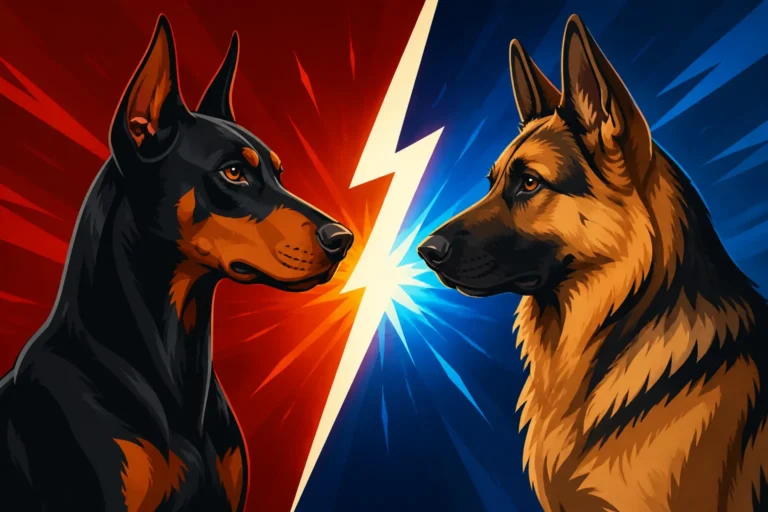
The question of whether Doberman tail docking is still standard is complex, largely depending on where you are in the world and which governing body you consult. There isn't a single, universal answer, which can be incredibly confusing for prospective Doberman owners trying to navigate ethical choices and breed traditions.
American Kennel Club (AKC) Perspective
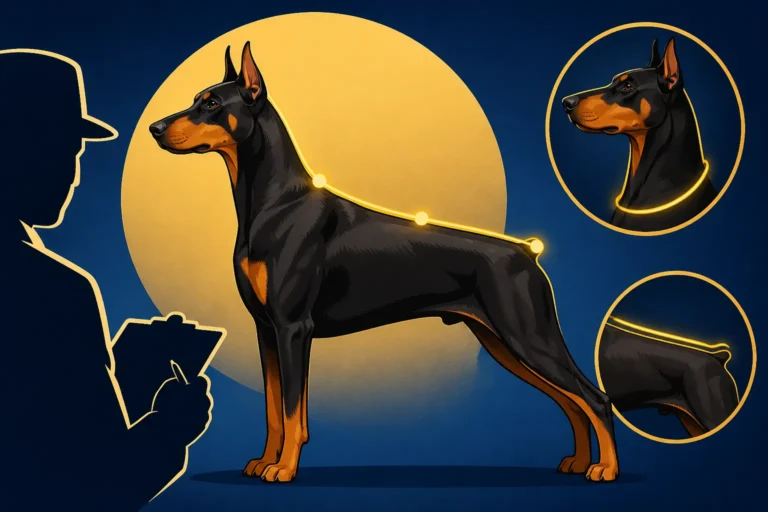
In the United States, the American Kennel Club (AKC) breed standard for the Doberman Pinscher clearly describes a docked tail as preferred. Specifically, the standard calls for a tail "docked at the second joint, appearing as a continuation of the spine." This description is incredibly influential for breeders who aim to show their Dobermans competitively. While an undocked Doberman is generally not disqualified from the show ring, it is often at a distinct disadvantage because judges are looking for dogs that conform to the ideal standard, which includes the docked tail.
This means that most Doberman puppies bred by reputable show breeders in the United States will have their tails docked very shortly after birth, typically within the first few days. Owners who purchase a Doberman from these breeders will almost certainly receive a puppy with a docked tail. This tradition also extends to ear cropping, another procedure often performed on Dobermans in the US to meet the breed standard. You can learn more about this by reading about Doberman Ear Cropping in the Standard.
International Views and Bans
Step outside the United States, and the landscape changes dramatically. In many countries across Europe, the UK, Australia, and parts of Canada, tail docking (and ear cropping) is either outright banned or heavily restricted by law, viewed as unnecessary mutilation. These bans reflect a growing ethical concern for animal welfare and a shift away from purely aesthetic procedures.
For Doberman enthusiasts in these regions, the "standard" has evolved to embrace the natural tail. Breeders in these countries produce Dobermans with long, elegant tails, and these dogs are shown and judged according to breed standards that accommodate the natural look. If you were to import a Doberman from one of these countries, it would almost certainly arrive with a natural tail. Navigating the paperwork and requirements for this process is important, and understanding Customs and Health Papers for an Imported Doberman is crucial. This difference also extends to the physical build and appearance of the dogs; you might find it interesting to consider Whether a European Doberman Is Built Differently compared to its American counterpart.
Breeder Practices and Owner Choices
Given these divergent views, breeders operate under different guidelines depending on their location. In regions where docking is legal and considered part of the breed standard (like the US), most reputable breeders will continue the practice, often citing tradition, perceived health benefits (preventing injury), and the desire for their dogs to be competitive in the show ring. These procedures are typically performed by an experienced veterinarian when the puppies are just a few days old, a time when their nervous systems are still developing and recovery is generally swift.
However, even in countries where it's legal, you might find some breeders who offer undocked Dobermans, catering to a growing demand from owners who prefer the natural look or object to cosmetic surgery. Conversely, if you're in a country with a ban, finding a Doberman with a docked tail would typically mean importing a dog that was docked legally in its country of origin, which comes with its own set of rules and ethical considerations. Ultimately, for new owners, understanding these nuances is critical when choosing a puppy and a breeder.
The Modern Debate: Ethics, Welfare, and Owner Choices
The debate surrounding Doberman tail docking is a passionate one, reflecting fundamental differences in how people view animal welfare, tradition, and the role of purebred dog standards. It's a conversation that has intensified globally, leading to significant changes in practice in many countries.
Arguments For and Against Docking
Proponents of tail docking often highlight several key arguments:
- Injury Prevention: As discussed, the historical claim is that docking prevents injuries to the tail, especially for working dogs or those active in rough terrain. A Doberman's natural tail is long and relatively thin at the end, making it susceptible to "happy tail syndrome" (where repeated vigorous wagging against hard surfaces causes injury) or damage from external objects.
- Maintaining Breed Type: For many, the docked tail is an iconic part of the Doberman's silhouette. They argue that altering this changes the fundamental appearance of the breed as it was originally conceived and standardized. This ties into the integrity of The Doberman the AKC Standard Describes.
- Tradition: The practice has been part of Doberman breeding for over a century, and for many, it's simply "how a Doberman looks."
On the other hand, opponents present strong arguments against docking:
- Unnecessary Mutilation: The primary ethical concern is that docking is an elective cosmetic surgery that causes pain to the puppy for no medical reason. They argue that the potential for injury is exaggerated and doesn't justify the procedure.
- Loss of Communication: A dog's tail is a vital tool for communication, both with humans and other dogs. The position, movement, and wag of a tail convey a wide range of emotions, from happiness and excitement to fear and aggression. Removing this tool can hinder a dog's ability to express itself and be understood.
- Balance and Movement: The tail also plays a role in a dog's balance, especially during turns or high-speed maneuvers. While Dobermans adapt, some argue a docked tail may subtly impact their agility or balance.
- Veterinary Opposition: Many veterinary organizations, such as the American Veterinary Medical Association (AVMA) and the Canadian Veterinary Medical Association, have publicly stated their opposition to cosmetic tail docking. This aligns with positions against ear cropping, as you can see when considering Whether the AVMA Opposes Doberman Cropping.
Communication and Balance
Imagine trying to express joy or worry without being able to use your hands or face. That's a bit like what a docked tail can do to a dog's ability to communicate. A Doberman with a natural tail can convey so much: a high, rapid wag means excitement, a low, slow wag might indicate caution, and a tucked tail clearly signals fear. Without these nuanced signals, other dogs might misinterpret a Doberman's intentions, potentially leading to misunderstandings or conflicts.
Beyond communication, the tail acts as a counterbalance. When a Doberman turns sharply at full speed, its tail acts like a rudder, helping it maintain equilibrium. While Dobermans with docked tails certainly adapt and run and play with gusto, the natural tail offers a full spectrum of motion and expression. For many, seeing What a Full Doberman Tail Looks Like highlights the beauty and expressiveness that is lost with docking.
Veterinary Stances
It’s important to acknowledge that the veterinary community's stance on tail docking has largely shifted away from supporting it for purely cosmetic reasons. Most major veterinary associations worldwide advocate against the practice, viewing it as medically unnecessary and an infringement on animal welfare. They emphasize the potential for pain, infection, and other complications, however rare, and the loss of the tail's functional roles. If you're consulting a veterinarian about a Doberman puppy, they will likely discuss these ethical considerations with you, especially if you are in a region where the practice is controversial or illegal.
Living with a Doberman: Docked vs. Natural Tail
Whether your Doberman has a docked tail or a beautiful, natural one, they will still be the same loyal, intelligent, and athletic companion you expect. However, there are some subtle differences in daily life and interaction that owners might notice.
What to Expect from a Natural Tail
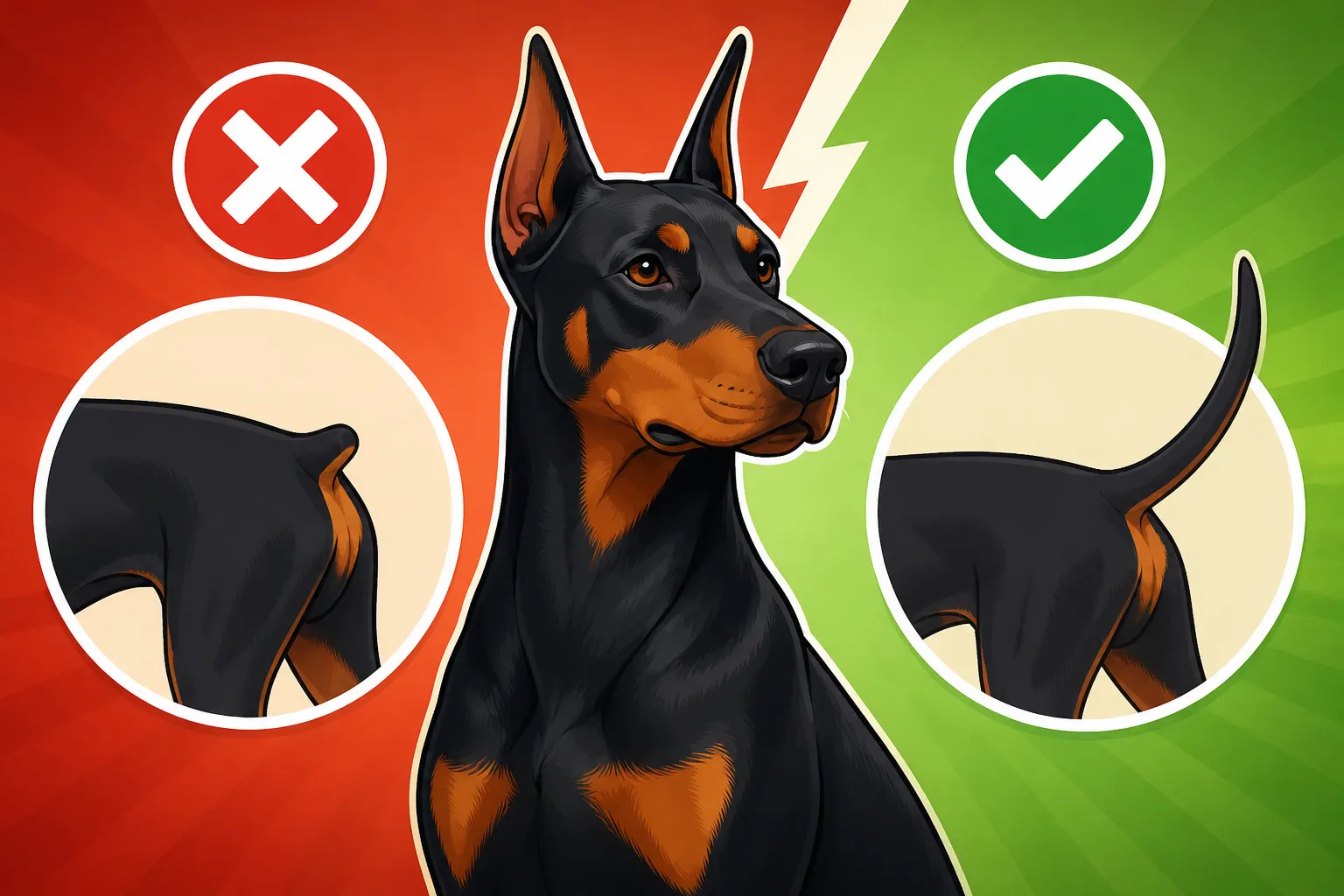
A Doberman with a natural tail possesses a long, thin, often whip-like tail that tapers to a fine point. When they are happy or excited, that tail can wag with surprising force, often thumping against furniture, walls, or even human legs. This is where the term "happy tail syndrome" comes from – a vigorously wagging tail can sometimes injure itself or knock objects over. For families with young children, this strong wag can be quite startling or even inadvertently knock a child over, so teaching children how to interact gently and respect the dog's space is always important, whether their tail is docked or not. You might also find that training a Doberman to settle during excitable greetings can help manage an overly enthusiastic tail, as discussed in Raising Children Alongside a Doberman.
The advantage, of course, is the full spectrum of non-verbal communication. You'll easily read your Doberman's moods, and they will be better equipped to communicate with other dogs, often avoiding misunderstandings. Visually, a natural tail adds a certain elegance and completes the Doberman's athletic physique. For supplies like durable toys that can withstand a strong Doberman, or food bowls, sites like Chewy offer a vast selection whether your dog is natural-tailed or docked.
The Practicalities of a Docked Tail
A Doberman with a docked tail has a short stump, usually only a couple of inches long. This eliminates the concern of "happy tail syndrome" injuries and means less chance of accidental knocks or sweeps from an enthusiastic wag. For owners who prefer a very neat, compact appearance, the docked tail is certainly that.
However, the primary drawback, as mentioned, is the loss of a key communication tool. While Dobermans are highly expressive in other ways (ears, eyes, body posture), the nuances of tail language are gone. This might require owners to be more attuned to other signals and, in some social situations, other dogs might not immediately read your Doberman's intentions as clearly. It's a trade-off that many owners in regions where docking is standard have learned to live with, and their Dobermans adapt beautifully.
Finding a Doberman with a Natural Tail
If you are an owner specifically seeking a Doberman with a natural tail, your search might be a bit more involved depending on your location. In countries where docking is banned, finding a natural-tailed Doberman is the norm. However, in places like the United States where docking is still common, you'll need to seek out specific breeders or consider rescue organizations.
Some US breeders are starting to offer undocked puppies, either as a choice or because they are specifically breeding for different show venues or ethical reasons. You might also find natural-tailed Dobermans through breed-specific rescues, as many imported Dobermans or those from varied backgrounds may not have been docked. While not directly related to tails, the general principle of showing an undocked dog applies similarly to ears, and you might find it helpful to read Whether an Uncropped Doberman Can Win for parallel insights. Regardless of your Doberman's tail, investing in quality gear like Harnesses and Leads for a Strong Doberman is essential, and places like Chewy are excellent resources for all your Doberman's needs.
Here's a quick comparison of the common arguments surrounding Doberman tail docking:
| Argument For Docking | Argument Against Docking |
|---|---|
| Prevents tail injuries (e.g., "happy tail syndrome"). | Injuries are rare; procedure is unnecessary and painful. |
| Maintains the traditional, recognized breed aesthetic. | Cosmetic surgery; welfare concerns outweigh aesthetics. |
| Enhances formidable appearance for protection/guard work. | Eliminates a crucial tool for canine communication. |
| Part of historical breed standard and long-standing tradition. | Dogs adapt, but tail aids balance and nuanced expression. |
| Veterinary organizations widely oppose cosmetic docking. |
Ultimately, whether Doberman tail docking is "still standard" depends on geography, culture, and individual ethical perspectives. For those in the US, it remains the conventional practice among show breeders, whereas in much of the world, natural tails are now the standard. No matter your preference, choosing a Doberman is a commitment to a fantastic companion, and their tail, docked or natural, is just one small part of their magnificent being. Ensuring their overall health, training, and well-being should always be the priority, from their diet to finding the right care products on Chewy. Learning about Feeding an Eighty-Pound Doberman Well is just as important as understanding any physical characteristics.
Disclaimer
This article is for general informational purposes only and does not constitute professional advice. Laws, prices and regulations vary by location and change over time. Consult a qualified professional for guidance on your specific situation.