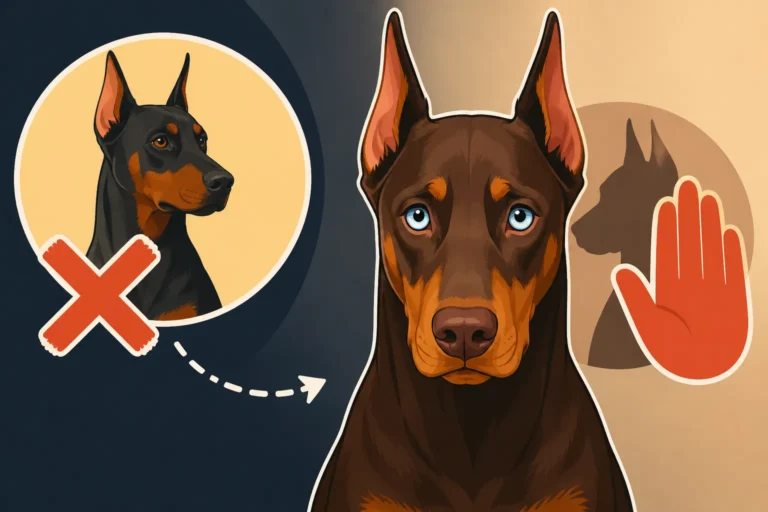
Why Most Trainers Warn Beginners Off Dobermans
It’s a common scenario: you’re absolutely smitten with the idea of bringing a Doberman into your life, only to hear a chorus of warnings from well-meaning friends, family, or even professional trainers. They often say things like, “Dobermans aren’t for beginners,” or “You need to know what you’re doing with a Doberman.” It can feel incredibly disheartening, making you question if you’re making a huge mistake. This guide is here to unravel why these warnings exist, not to scare you off, but to equip you with the realistic understanding and preparation needed to successfully welcome one of these magnificent dogs into your home, even if you’re new to the breed.
Understanding the Doberman's Innate Drive and Intelligence
Dobermans are renowned for their intelligence and their intense drive. While these traits are what make them such capable working dogs and loyal companions, they also present unique challenges that new owners might not anticipate. It's not just about them being "smart"; it's about how that intelligence manifests in their everyday behavior and what it demands from you as an owner.
More Than Just "Smart" – A Doberman's Quick Mind
When people say Dobermans are smart, they're often thinking of how quickly they pick up new commands in obedience class. But a Doberman's intelligence goes far beyond that. They are incredibly observant, learning your routines, habits, and even your mood with uncanny accuracy. This means they're not just learning the "sit" and "stay" you teach them; they're also learning which rules are flexible, which boundaries can be pushed, and how to get what they want from you. If you accidentally drop a piece of food once, a Doberman will remember that spot and likely "hover" there during future meal preparations. If you leave your shoes out and they get a fun chew out of them, you can bet they’ll be looking for your shoes again the next day. They thrive on consistency, and any lapse can be quickly exploited. This isn't malice; it's just pure, unadulterated canine cleverness. For a beginner, this level of mental engagement and the need for unwavering consistency can be a steep learning curve. They need an owner who is always one step ahead, or at least quick to adapt. Training a Doberman That Is Smarter Than You Expect delves deeper into managing their sharp minds.
The Intense Bond: The "Velcro Dog" Phenomenon
The Doberman's affectionate nature is legendary, earning them the nickname "Velcro dogs" because they stick so closely to their people. They want to be wherever you are, often leaning on you, following you from room to room, and generally being in your personal space. For many, this intense loyalty and constant companionship are precisely what they adore about the breed. However, this deep bond, if not carefully managed, can tip into problematic behaviors, especially for a novice owner. If a Doberman isn't taught healthy independence from an early age, they can develop severe separation anxiety. This isn't just a dog that misses you; it can be a dog that becomes destructive, vocalizes incessantly, or even injures itself when left alone. Imagine coming home to chewed-up doorframes, shredded furniture, or complaints from neighbors about constant barking. It’s heartbreaking for both the dog and the owner. Learning to foster independence while cherishing their affection is key, and it requires a mindful approach from day one. You can read more about this in Living With a Doberman That Follows You Everywhere.
High Energy and Specific Exercise Needs
Dobermans were bred to be active working dogs, and that inherent drive is still very much alive in modern lines. They are not content with being couch potatoes, and underestimating their physical and mental exercise requirements is one of the biggest pitfalls for first-time owners.
Beyond a Simple Walk: Fulfilling a Doberman's Physical Needs
Many people think a couple of walks around the block each day are enough for any dog. For a Doberman, that’s barely a warm-up. These dogs need vigorous exercise that truly expends their energy, not just a leisurely stroll to sniff lampposts. Think high-impact activities: long runs, intense fetch sessions, agility work, or even structured playdates with other active dogs. A minimum of 60-90 minutes of dedicated, heart-pumping exercise daily is often just the baseline, and many Dobermans will happily take more. Without this proper outlet, that boundless energy doesn't just disappear; it gets redirected, often into undesirable behaviors like chewing, digging, or incessant pacing. You might find your Doberman zooming around your living room, knocking things over, simply because they haven't had the chance to truly stretch their legs and release their energy outdoors. Imagine trying to relax at home with an eighty-pound, high-octane dog bouncing off the walls. It’s exhausting, and it’s a primary reason trainers caution new owners.
The Mental Marathon: Keeping a Doberman's Brain Busy
Physical exercise is only half the battle; a Doberman's sharp mind also needs a workout. Mental stimulation is just as, if not more, tiring than physical exertion for these intelligent dogs. Simply throwing a ball endlessly won't cut it. They thrive on challenges that engage their problem-solving skills. This can include regular, short obedience training sessions where they learn new commands or refine old ones, puzzle toys that make them work for their food, or even scent work games where they have to use their nose to find hidden treats. Many Dobermans excel in dog sports like competitive obedience, agility, or Schutzhund because these activities provide a fantastic outlet for both their physical prowess and their mental acuity. Neglecting their mental needs can lead to a bored Doberman, and a bored Doberman is often a destructive Doberman. They might invent their own "games," which usually involve things you don't want them doing, like reorganizing your trash or redesigning your garden. Products from retailers like Chewy offer a wide range of interactive toys and puzzle feeders that can be invaluable for keeping a Doberman mentally engaged throughout the day, especially when you can't be actively training. For more on keeping them engaged, check out Keeping a Doberman Mentally Tired.
Strong Personalities and Guarding Instincts
The Doberman's powerful presence and inherent protective instincts are part of their appeal, but they are also traits that require careful management from a confident and knowledgeable owner. These aren't dogs that you can simply let "be a dog" without guidance.
Natural Guardianship: When Instincts Need Guidance
Dobermans were originally bred to be personal protection dogs, and that guarding instinct is deeply ingrained. They are naturally wary of strangers and intensely protective of their family and territory. This isn't the same as aggression, but it needs clear, consistent direction. Without proper socialization and training, this natural wariness can easily escalate into fear-based reactivity or outright aggression towards unfamiliar people or situations. A Doberman who hasn't been properly exposed to a wide variety of people, places, sounds, and other dogs from a young age might perceive every new encounter as a threat. Imagine a strong Doberman lunging and barking at every passerby on a walk, or growling at a friend who tries to greet you at your front door. This isn't safe, nor is it a pleasant way to live for anyone involved. Teaching a Doberman when and how to be a guardian, and equally important, when not to be, is a lifelong commitment. For more information on this, read Doberman Guarding Instinct and Where It Tips Over.
The Importance of Socialization Beyond Puppyhood
Many people understand the importance of socializing a puppy, but they often think of it as a finite period, like puppy classes for a few weeks. For a Doberman, socialization is an ongoing process that extends well beyond their puppy months and into their adolescence and adulthood. It's not just about exposing them to new things; it's about creating positive, calm experiences that build their confidence without encouraging over-reactivity. This means continuing to take them to different environments, introducing them to a variety of calm, well-behaved strangers, and having controlled, positive interactions with other dogs. If socialization stops, a Doberman can revert to their natural wariness, making them anxious or reactive in new situations. A truly confident Doberman is one who has learned that the world isn't a constant threat, and that's a direct result of consistent, positive exposure. A beginner might unintentionally isolate their Doberman, thinking they are protecting them, when in fact, they are setting them up for a lifetime of fear and reactivity. Addressing dog reactivity on leash is critical, and there's a lot to learn in A Doberman That Reacts to Every Dog It Sees.
Consistency, Leadership, and the Learning Curve
Ultimately, the warnings trainers give often boil down to the intense need for consistency and clear leadership that Dobermans demand. These dogs aren't for the faint of heart or the easily swayed; they require an owner who is committed to their training and well-being every single day.
The Need for Unwavering Consistency
Dobermans are highly intelligent, and they learn very quickly how to test boundaries. If you allow them on the sofa "just this once," they will remember that and try again. If you sometimes let them pull on the leash and other times correct them, they'll become confused and persist in pulling, trying to figure out the inconsistent rules. Unwavering consistency in rules, expectations, and consequences is not about being harsh; it's about being fair and predictable. A Doberman thrives on knowing what is expected of them, and a lack of consistency creates anxiety and leads them to take on the "leadership" role themselves, often with behaviors you don't appreciate. This means every family member needs to be on the same page regarding rules and training. What’s allowed by one person but not by another will quickly be learned by your Doberman, creating frustration for everyone. For beginners, maintaining this level of consistency can be challenging, especially when confronted with a Doberman’s charm or persistence.
The "Softness" Paradox: Dobermans and Harsh Corrections
Despite their formidable appearance, Dobermans are surprisingly sensitive dogs. They form deep bonds and respond best to positive reinforcement and fair, clear guidance. Many new owners, encountering a Doberman's strong will or pushy behavior, might assume they need harsh corrections or a heavy hand. This is a common misconception that can severely damage the relationship with your Doberman. Harsh physical corrections or constant yelling will not make a Doberman more obedient; it will likely make them fearful, shut down, or even reactive. They can become untrusting, resentful, and may even develop defensive aggression if they feel constantly threatened or misunderstood. Instead, Dobermans thrive on praise, high-value treats (Chewy has a great selection of healthy options), and clear communication. Building trust through positive reinforcement, reward-based training, and a calm, confident demeanor is the most effective approach. Understanding Why Yelling Shuts a Doberman Down is crucial for any owner.
The Learning Curve for New Owners
Ultimately, the warnings about Dobermans not being for beginners are less about the dog itself and more about the commitment required from the owner. Owning a Doberman isn't a passive experience; it's an active partnership that requires continuous learning, patience, and dedication. A Doberman needs an owner who is willing to invest time in their training, socialization, and exercise needs every single day, for their entire life. They need someone who understands their breed-specific traits and can channel their immense potential into a well-adjusted, confident, and beloved family member.
For a beginner, this learning curve can feel steep, but it's absolutely navigable with the right mindset and resources. Seeking guidance from experienced Doberman owners, enrolling in positive-reinforcement training classes, and being prepared to continuously educate yourself about the breed are all vital steps. It's about being honest with yourself about the time and energy you can commit. If you're ready for the challenge, the reward of sharing your life with a Doberman is immense – a loyal, intelligent, and deeply affectionate companion unlike any other.
Here's a quick overview of why Dobermans can be a handful for beginners:
| Doberman Trait | Potential Beginner Challenge | Recommended Approach for Beginners |
|---|---|---|
| High Intelligence | Quickly learns both desired and undesirable behaviors; can be manipulative. | Consistent rules, puzzle toys, advanced obedience training, mental games. |
| "Velcro Dog" Tendencies | Prone to separation anxiety if over-reliant on owner. | Independence training from puppyhood, safe alone time practice, crate training. |
| High Energy Drive | Destructive or hyperactive if not adequately exercised. | Daily vigorous exercise (running, fetch), structured play, dog sports. |
| Strong Guarding Instincts | Can become overly wary or reactive without proper guidance. | Extensive, positive socialization from a young age, controlled introductions to strangers. |
| Sensitivity | Responds poorly to harsh corrections; can shut down or become reactive. | Positive reinforcement, clear communication, building trust, avoiding punitive methods. |
| Need for Consistency | Will test boundaries; inconsistent rules create confusion and behavioral issues. | Every family member on the same page, unwavering adherence to rules, professional guidance. |
Disclaimer
This article is for general informational purposes only and does not constitute professional advice. Laws, prices and regulations vary by location and change over time. Consult a qualified professional for guidance on your specific situation.