Why Guard Training Ruins Most Pet Dobermans
It’s a common misconception among new Doberman owners that their dog needs specific “guard training” to fulfill its natural protective instincts. Many people acquire a Doberman precisely because of their imposing presence and reputation as guardians, but they often don't realize that formal protection training for a pet Doberman can actually be detrimental, creating serious behavioral issues rather than a reliable protector. This guide will delve into why traditional guard training is often the wrong path for a family Doberman and how to cultivate a confident, secure, and well-behaved companion instead.
The Core Misunderstanding of Doberman "Guard Training" for Pet Homes
When we talk about Dobermans, the image of a formidable protector often springs to mind. It's in their breed history, their noble stance, and their alert nature. But the leap from a naturally protective dog to one requiring specialized "guard training" for a pet home is where many owners unfortunately take a wrong turn, leading to significant challenges down the road.
What "Guard Training" Actually Means in a Professional Context
When you hear "guard training" or "protection sport," it conjures images of highly specialized work, and for good reason. In a professional context, this training is incredibly rigorous and controlled. We're talking about dogs that are specifically bred for temperament and nerve, then put through extensive, highly structured programs by experienced professionals. These programs involve teaching a dog to identify a specific threat, to engage with it in a controlled manner, and, crucially, to disengage immediately on command. This isn't about fostering indiscriminate aggression; it's about channeling natural drives into a highly disciplined, nuanced set of behaviors. The bite work, the bark and hold, the search and retrieve of a "bad guy"—it's all meticulously choreographed. This isn't something you learn from a weekend seminar or a random trainer down the street. It’s a dedicated, often lifelong commitment to a specific type of working dog, often seen in police K9 units, military dogs, or competitive protection sports like IGP (formerly IPO or Schutzhund).
The Difference Between Natural Instincts and Formal Training
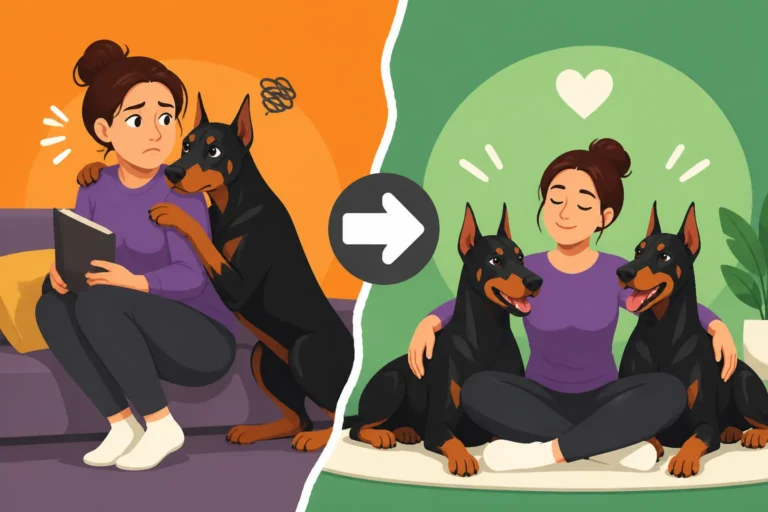
Dobermans absolutely possess a strong natural guarding instinct. They are observant, loyal, and often wary of strangers, especially when those strangers approach their perceived territory or family. This is why they often become "Velcro dogs," always wanting to be near their people – it’s a form of natural vigilance. They often bark at unfamiliar sounds or people at the door, and they're quick to put themselves between their family and perceived threats. This innate sense of protection is a beautiful thing, a testament to their heritage. However, this is instinct, not training. A Doberman’s natural inclination to alert you to a stranger is very different from a dog trained to bite on command or to escalate a situation with a stranger into a physical confrontation. The former is a valuable trait for a family dog; the latter, without extreme control and specific genetic predisposition, is a recipe for disaster in a pet home. We need to remember that Doberman Guarding Instinct and Where It Tips Over is a fine line.
Why Pet Owners Seek "Protection"
It’s completely understandable why a pet owner might desire a dog that can protect their family. In an uncertain world, having a loyal, capable guardian provides a powerful sense of security. Dobermans, with their imposing presence and historical reputation, seem like the ideal choice for this role. Owners often want a deterrent, someone who looks intimidating enough to make a potential intruder think twice. Sometimes, it’s a reaction to a past negative experience or a general feeling of vulnerability. They mistakenly believe that formal guard training will simply enhance this natural protective quality, making their Doberman an even more effective "bodyguard." What they don't always realize is that trying to force a pet Doberman into this highly specialized role can backfire spectacularly, transforming a potentially wonderful family companion into a stressed, unpredictable animal that is actually a greater risk to the family and public than to any genuine threat. The desire for protection is valid, but the method of achieving it needs careful consideration, especially with a breed as inherently powerful and intelligent as the Doberman.
The Unintended Consequences of Formal Guard Training for a Family Doberman
Diving headfirst into formal guard training for a pet Doberman, without fully understanding its implications, is akin to giving a child a loaded gun and expecting them to use it only in extreme emergencies. The potential for misfire and grave consequences is alarmingly high, especially when dealing with such a powerful and intelligent breed.
Escalated Reactivity and Misdirected Aggression
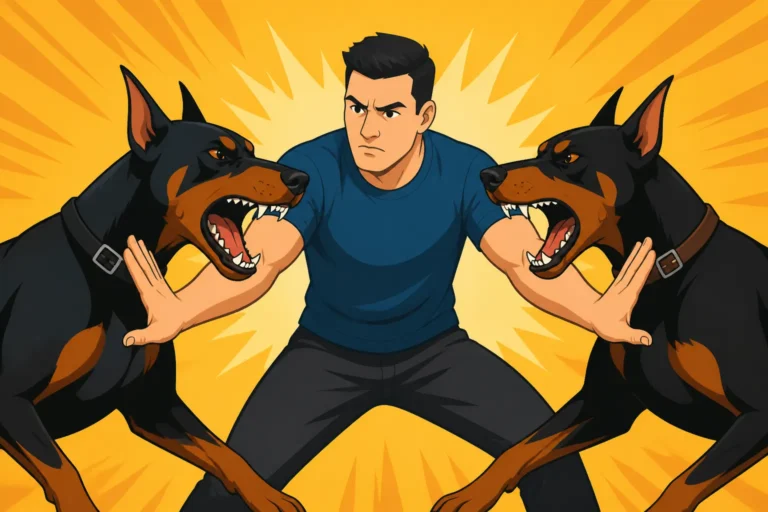
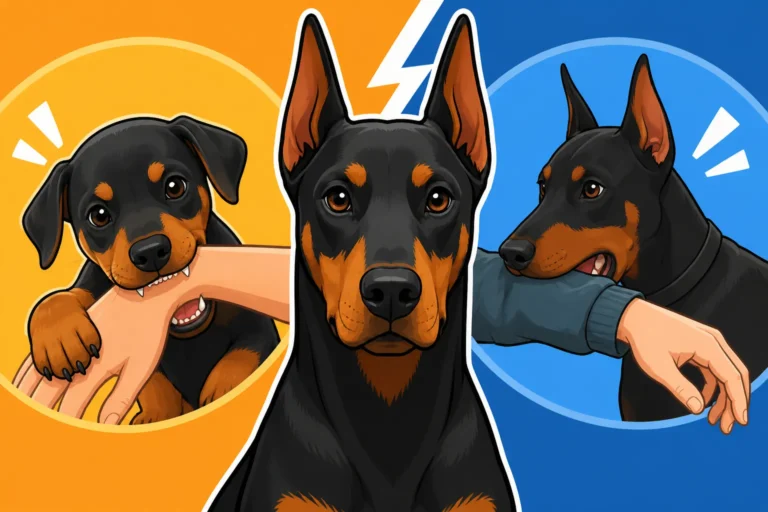
One of the most immediate and dangerous consequences of inappropriate guard training is the escalation of a Doberman's natural wariness into full-blown reactivity or aggression. Instead of teaching nuanced defense, many civilian "protection" trainers (who may not have the true expertise of working dog professionals) inadvertently teach dogs to be suspicious and aggressive towards anyone who doesn't fit a very narrow definition of "safe." This might mean anyone outside the immediate family, someone wearing a hat, or someone walking a certain way. Suddenly, your Doberman isn't just barking at the mail carrier; they're lunging and snapping. They become a dog that's constantly on edge, stressed, and ready to escalate.
This heightened state of arousal can lead to misdirected aggression, where the dog might snap at a family member during an excited moment or accidentally bite a friendly visitor because they've been conditioned to view novel situations as threats. This isn't controlled protection; it's an anxious, overreactive dog that is a danger to itself and others. Imagine trying to walk your Doberman down a busy street when every jogger, cyclist, or child on a scooter is perceived as a potential "bad guy." It becomes an unbearable, stressful existence for both dog and owner, and this is why A Doberman That Reacts to Every Dog It Sees often started with similar misguided intentions.
Creating a Liability, Not a Protector
Far from creating a formidable protector, misguided guard training often turns a Doberman into a significant legal and ethical liability. In most jurisdictions, an owner is held responsible for their dog's actions, especially if that dog causes injury. A Doberman that has been deliberately trained to bite or show aggression, even if it's meant to be in "defense," can lead to devastating consequences. If your Doberman bites someone, even on your property, you could face lawsuits, hefty veterinary bills for the injured party, and even the heartbreaking possibility of your dog being seized and euthanized.
Beyond the legal ramifications, there's the moral weight of owning a dog that you can no longer trust in public or around friends and family. This isn't the noble protector you envisioned; it's a constant source of stress, fear, and isolation. Many homeowners insurance policies also have breed-specific restrictions, and a Doberman with a bite history, especially one stemming from "protection" training, would almost certainly be uninsurable. Instead of being a source of security, the dog becomes a heavy burden, constantly reminding you of the risks you've inadvertently created.
Damaging the Human-Canine Bond and Trust
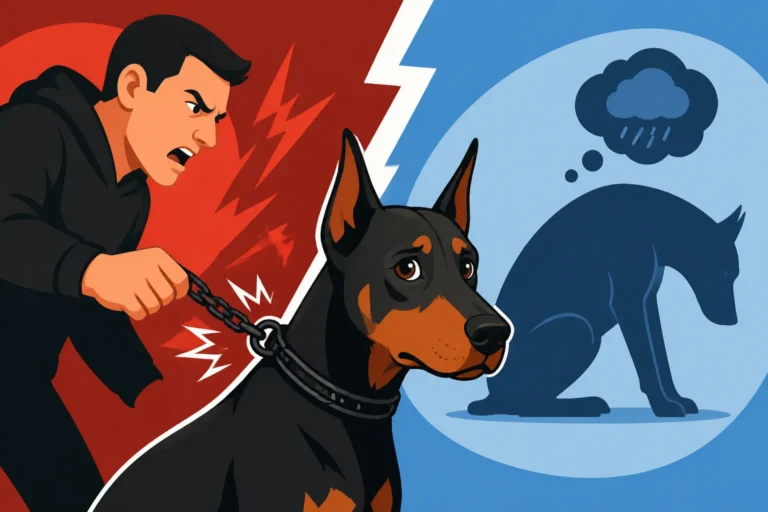
The relationship between a Doberman and its owner is typically one of profound loyalty and deep affection. They are known for being "Velcro dogs" who thrive on companionship and clear communication. Inappropriate guard training can shatter this vital bond of trust and understanding. Many of the methods used in these types of training, especially by less reputable trainers, rely on harsh corrections, intimidation, or fostering a constant state of fear or anxiety in the dog. This can teach the Doberman that the world is a dangerous place and that its owner is a source of punishment, rather than a reliable guide and protector.
A Doberman learns best through clear, consistent, and fair communication. When training becomes about creating aggression or using pain to elicit responses, the dog often becomes confused, anxious, and ultimately, less trustworthy. They may begin to distrust their owner, viewing them as unpredictable. The joy and confidence that should define the relationship are replaced by tension and uncertainty. You want your Doberman to look to you for guidance and reassurance, to be a partner, not a weapon. A truly protective Doberman is one that chooses to defend you out of loyalty and love, not one that is forced into a state of heightened aggression through a program that fundamentally misunderstands the breed's sensitive nature. Why Yelling Shuts a Doberman Down applies to so much more than just verbal corrections.
Building a Confident, Reliable Guardian Without Formal "Guard Training"
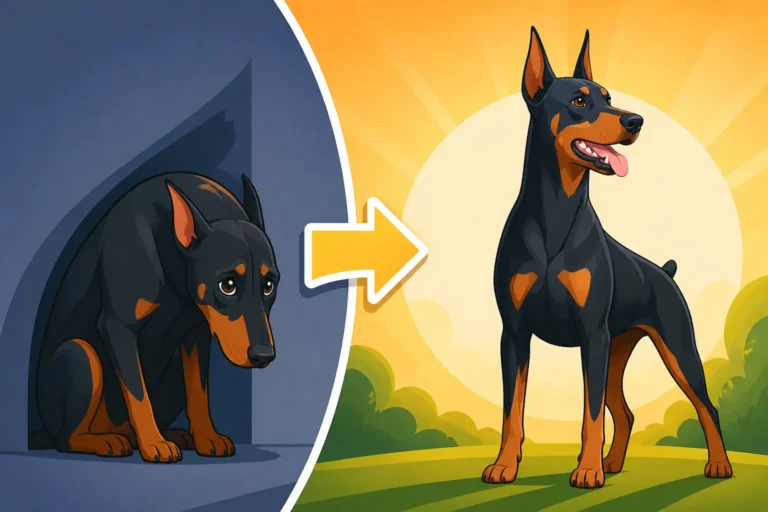
So, if formal guard training isn't the answer for a pet Doberman, what is? The key lies in understanding the Doberman's natural temperament and channeling its intelligence and loyalty into a foundation of solid obedience, comprehensive socialization, and consistent, fair leadership. This approach builds a truly reliable guardian—one who is confident, discerning, and instinctively protective, without being aggressive or unstable.
Focusing on Foundational Obedience and Socialization
The bedrock of any well-adjusted Doberman is robust foundational obedience and thorough socialization. This isn't just about teaching "sit" and "stay"; it's about building a language of communication between you and your dog, establishing clear boundaries, and fostering a sense of calm control. A Doberman that reliably comes when called, walks politely on a leash, and settles calmly on command is far more capable of handling novel or potentially stressful situations than one that lacks these basic skills.
Early and ongoing socialization is equally, if not more, crucial. From the moment you bring your Doberman puppy home (around 8 weeks), expose them to a wide variety of sights, sounds, people, and safe environments. Think about enrolling in a well-run puppy class, visiting pet-friendly stores, and taking walks in diverse neighborhoods. The goal is to show your Doberman that the world is generally a safe and interesting place, full of different experiences that don't all require a defensive posture. This builds confidence, reducing the likelihood of fear-based reactivity. A great resource for getting started with structured training, even online, could be a program like BAXTER & Bella, which focuses on positive reinforcement and early puppy development, laying that crucial groundwork. Remember, The Sixteen Weeks That Set a Doberman Up are vital for shaping a confident adult.
Nurturing Natural Alertness Safely
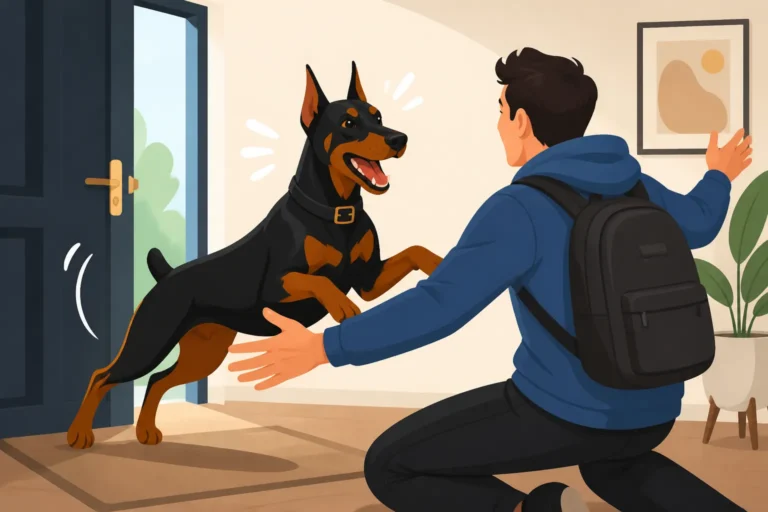
A Doberman’s natural alertness is a wonderful trait; it’s part of what makes them such good companions. They often pick up on subtle changes in their environment long before we do. Our role as owners is to appreciate and guide this instinct, not to inflame it. When your Doberman barks at the doorbell or a strange sound outside, acknowledge their alert. A simple "Thank you, I hear it" and then a command like "Quiet" or "Settle" teaches them that you've got it, and they don't need to keep alerting. This teaches them discernment—to let you know there's something new, but then to trust your judgment on how to proceed.
Instead of encouraging them to be suspicious of every new person, teach them to be observant but neutral. If a visitor arrives, a Doberman who has been well-socialized will alert, then look to you for cues. You can then direct them to a "place" command or a mat while you greet your guest. This reinforces your leadership and allows them to perform their "job" (alerting) without needing to take over. Provide them with puzzle toys or enrichment activities purchased from places like Amazon to keep their intelligent minds occupied, rather than constantly scanning for threats.
Teaching a Doberman to Accept Visitors
One of the biggest anxieties for Doberman owners is how their dog will react to visitors, whether friends, family, or service personnel. The goal is to teach your Doberman to accept visitors calmly and politely, rather than treating every new face as an intruder. Start with controlled introductions: have friends come over who are willing to follow your instructions, perhaps initially meeting outside on neutral territory before coming indoors.
Teach your Doberman a solid "place" command or to go to their bed when guests arrive. This provides a clear job and allows them to observe from a distance without feeling the need to be front and center. Reward calm behavior heavily. You want them to associate visitors with positive outcomes (treats, praise, calm energy from you) rather than stress or excitement. Over time, as they learn that you handle guests, they'll be more relaxed. It's about empowering your Doberman with the skills to be polite, not aggressive. This active management is far more effective and safer than any "guard training" that encourages distrust. This is exactly why we teach Teaching a Doberman to Accept Visitors.
The Financial and Emotional Costs of Misguided Training
The decision to pursue inappropriate guard training for a pet Doberman isn't just a philosophical one; it has very real, tangible consequences that can impact your wallet, your peace of mind, and even the very existence of your beloved dog. These costs often go unmentioned when owners are first seduced by the idea of an "extra-protected" home.
Veterinary and Legal Implications
Let’s be brutally honest: a Doberman whose "protection" training has gone awry is a ticking time bomb. The moment that dog bites or injures someone, whether a stranger or a well-meaning relative, a cascade of financial and legal nightmares begins. First, there are the immediate costs associated with the bite victim's injuries. This could be emergency room visits, ongoing medical care, or even psychological counseling. These bills can quickly escalate into thousands, tens of thousands, or even hundreds of thousands of dollars, depending on the severity of the injury. Most homeowners' insurance policies have strict limitations or exclusions for certain breeds or dogs with bite histories. Even if you did have coverage, a bite incident will almost certainly cause your premiums to skyrocket or lead to policy cancellation.
Beyond the victim's medical expenses, you might face legal fees defending yourself in a civil lawsuit, and potentially criminal charges depending on your local laws and the circumstances of the bite. Your dog could be declared "dangerous," leading to strict regulations like mandatory muzzling in public, specialized containment requirements, or even the devastating order for euthanasia. These are not exaggerated scenarios; they are the very real outcomes that many owners of poorly trained "guard dogs" have faced. The cost of a few "protection" sessions pales in comparison to the lifelong financial and legal burden of a dog that has bitten someone. Muzzle training your Doberman, even if just as a precaution, can be a wise move if you ever feel your dog is becoming unpredictable, which is why Muzzle Training a Doberman Before It Is Needed is a topic to consider.
The Strain on Family Life and Social Interactions
Beyond the legal and financial aspects, an improperly guard-trained Doberman places an immense emotional strain on the family and severely limits your social life. Imagine living in constant fear that your dog might react aggressively to a delivery person, a child playing loudly outside, or even a friend who makes a sudden movement. This kind of anxiety permeates every aspect of daily life. Family members, especially children, might become afraid of their own pet, undermining the very reason for having a companion dog. What's meant to be a source of joy becomes a source of dread.
Your social circle will inevitably shrink. Friends might hesitate to visit, worried about their safety. Inviting family over for holidays becomes a logistical nightmare, requiring the dog to be crated or isolated, which isn't fair to anyone. Simple pleasures like going to a park or a pet-friendly cafe become impossible. You're constantly scanning, anticipating, and apologizing. The dog dictates your life, not in a positive, bonding way, but through fear and restriction. This isolation can lead to resentment, depression, and a profound sense of failure for the owner, who initially only wanted to feel safer.
Rebuilding Trust After Training Goes Wrong
The most heartbreaking cost of misguided guard training is the damage it inflicts on the unique bond between a Doberman and its owner. This isn't a factory-made product; it's a living, feeling being whose trust and confidence have been eroded. Rebuilding that trust is an incredibly long, arduous, and often expensive journey, and it's not always successful. It requires undoing deeply ingrained behaviors and fear responses, which often means months or years of dedicated work with a qualified behaviorist.
The owner must relearn how to communicate with their dog, often having to unlearn their own detrimental habits. It requires immense patience, consistency, and a profound commitment to positive reinforcement and ethical training methods. The emotional toll of watching your beloved Doberman struggle with anxiety or reactivity, knowing that your choices contributed to it, is immense. Sometimes, despite all efforts, the damage is too great, and the dog may need to be rehomed to a very specialized environment, or in the most tragic cases, humane euthanasia might be considered if the dog is deemed a severe risk and rehabilitation is not possible. The trust in the dog is broken, and the dog's trust in the world, and often its owner, is broken too. This is why it’s critical to choose a trainer who understands Correcting a Doberman Without Breaking It.
When Professional Help is Needed: Choosing the Right Trainer
Navigating the world of dog trainers can feel like a minefield, especially when dealing with a breed like the Doberman, where there's so much misinformation and conflicting advice. If you’re struggling with your Doberman’s behavior or are simply looking to provide the best possible upbringing, choosing the right professional is paramount. It can mean the difference between a confident, well-adjusted dog and one that causes perpetual stress.
Identifying Red Flags in "Protection" Trainers
Unfortunately, the term "protection training" can attract a wide range of individuals, some of whom are far from qualified to work with powerful breeds or sensitive temperaments. When looking for a trainer, especially one who even mentions protection work, you need to be vigilant about red flags. Be wary of anyone who:
- Promises a "guard dog" in a short amount of time: True, controlled protection work takes years, not weeks or months, and involves specific dog lines.
- Advocates for dominance theory or "pack leader" ideology: This outdated thinking often relies on intimidation, fear, and punishment, which can severely damage a Doberman's psyche and trust.
- Uses harsh physical corrections or aversive tools as a primary method: While some balanced trainers might use tools like prong collars responsibly as part of a broader strategy, a trainer who relies solely on electric collars (e-collars) or heavy jerks is likely to suppress behavior rather than teach it, creating a fearful or reactive dog. Whether an E-Collar Belongs on a Doberman is a heated debate, but their improper use is undeniably damaging.
- Discourages questions or transparency: A good trainer welcomes questions, explains their methods, and should be happy for you to observe sessions.
- Lacks relevant certifications or experience: Look for certifications from reputable organizations (e.g., CCPDT, KPA, IAABC) and specific experience with Dobermans and their unique breed traits.
- Guarantees results: Dogs are individuals. While good training improves behavior, no ethical trainer can guarantee 100% perfect results for every dog.
Seeking Certified Behaviorists and Positive Reinforcement Coaches
Instead of seeking "guard training," your best investment for a well-behaved and truly secure Doberman is with a certified professional dog trainer or a veterinary behaviorist who emphasizes positive reinforcement and force-free methods. These professionals understand canine learning theory, breed-specific traits, and how to address behavioral issues in a humane and effective way.
A good trainer will focus on building confidence, clear communication, and a strong relationship between you and your Doberman. They'll teach you how to train your dog, empowering you with the skills to manage and guide your companion. They use rewards-based methods, clicker training, and management techniques to shape desired behaviors and change underlying emotional responses. This approach fosters a dog that wants to work with you, not one that fears punishment. When considering a trainer, don't hesitate to ask for references, observe a class or session, and discuss their philosophy and methodology in detail. It’s important to Finding a Trainer Who Has Worked With Dobermans, as their intelligence and sensitivity require specific handling.
Exploring Constructive Outlets Like Sport or Advanced Obedience
Dobermans are highly intelligent, athletic, and thrive on having a "job." If you're looking for a way to channel their immense energy and mental capabilities, constructive dog sports or advanced obedience are fantastic avenues. These activities provide mental stimulation, physical exercise, and build an incredible bond between you and your Doberman, without any of the risks associated with guard training.
Consider sports like:
- Competitive Obedience: Dobermans excel in precision obedience, performing complex routines with their handlers. This builds focus, discipline, and teamwork.
- Agility: Navigating obstacle courses is a fantastic physical and mental workout, requiring speed, coordination, and problem-solving.
- Tracking/Nose Work: Dobermans have excellent noses. Engaging them in scent detection games or formal tracking trials can be incredibly satisfying and tiring for them.
- Dock Diving: If your Doberman enjoys water, this sport allows them to leap off a dock after a toy, burning off energy with enthusiasm.
- Canicross or Bikejoring: For the active owner, these sports involve running or biking with your Doberman pulling ahead in a harness, fulfilling their desire to work.
These activities allow your Doberman to use their innate drives and intelligence in a safe, controlled, and positive manner. They build confidence, reduce boredom (a common cause of behavioral issues, especially with a clever Doberman like ours), and strengthen your partnership. A truly happy, well-exercised, and mentally stimulated Doberman is far less likely to develop problematic behaviors than one left with pent-up energy and a confused sense of purpose. Understanding What Protection Sport Involves for a Doberman helps differentiate it from harmful pet guard training.
| Aspect | Formal Pet "Guard Training" (Risky) | Positive Reinforcement & Socialization (Recommended) |
|---|---|---|
| Primary Goal | Train dog to engage with perceived threats, often bite work. | Build confidence, discernment, and controlled responses. |
| Training Methods | Often uses aversive tools (e-collars, prong collars harshly), intimidation, dominance. | Rewards-based, force-free, clear communication, environmental management. |
| Impact on Temperament | Can create anxiety, fear, reactivity, indiscriminate aggression. | Fosters a calm, confident, stable, and discerning temperament. |
| Human-Canine Bond | Can damage trust, create fear or resentment. | Strengthens bond, mutual respect, cooperation. |
| Socialization | Often limited to specific "threat" scenarios, fostering suspicion. | Broad exposure to diverse people, places, and situations, building neutrality. |
| Safety & Liability | High risk of bites, legal issues, potential euthanasia. | Reduced risk of bites, responsible ownership, peace of mind. |
| Quality of Life (Dog) | High stress, constant vigilance, potential for isolation. | Happy, engaged, well-adjusted, integrated into family life. |
| Real-World Application | Unsuitable and dangerous for typical pet homes. | Creates a reliable companion and natural deterrent through presence. |
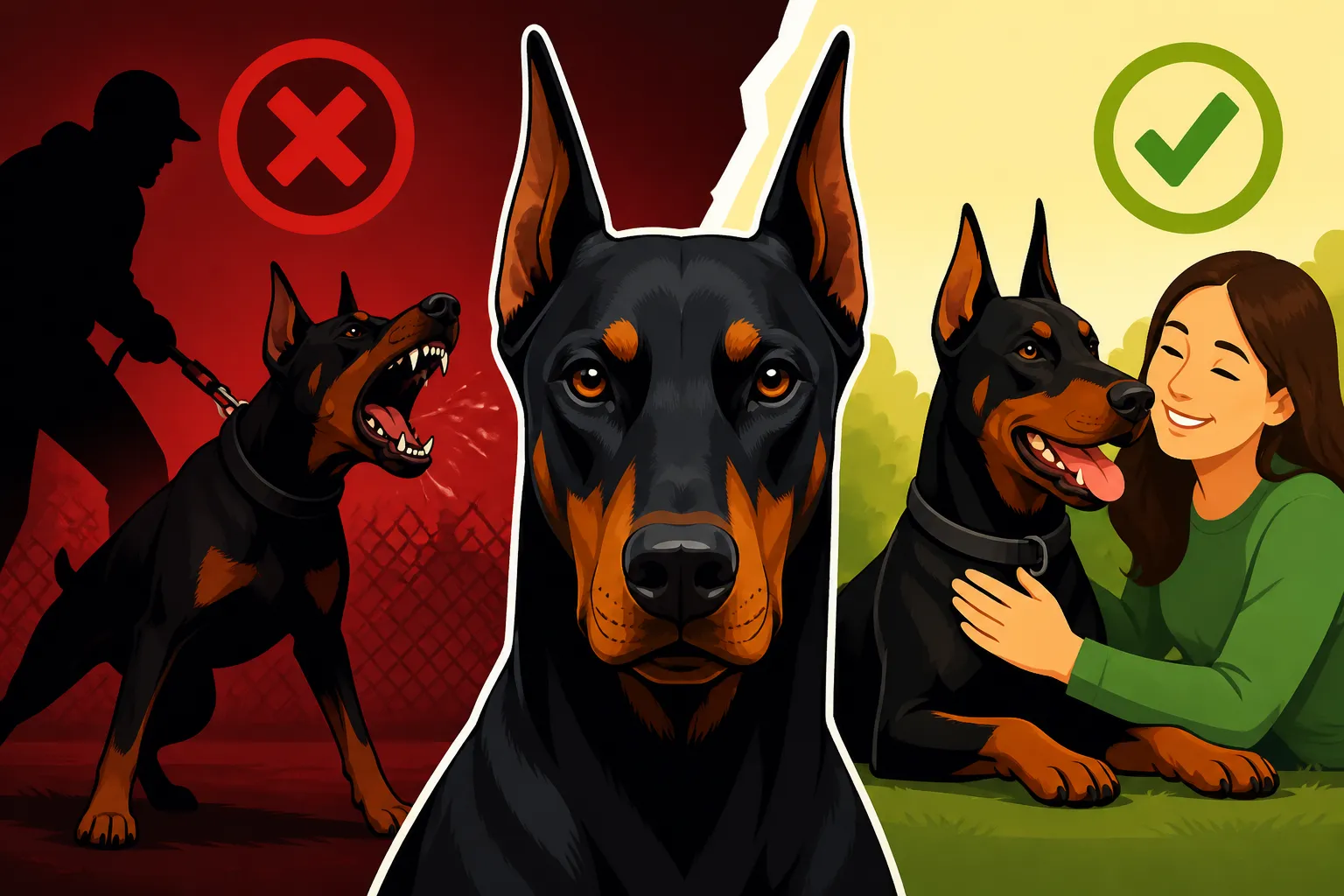
When it comes to our beloved Dobermans, our ultimate goal should be to raise a confident, stable, and well-adjusted companion who brings joy and security to our lives, rather than anxiety and fear. While their impressive presence might make us dream of them as a personal bodyguard, the reality is that true protection comes from a solid foundation of training, socialization, and a deep bond of trust, not from aggressive tactics. Embrace their natural loyalty, their intelligence, and their sensitive hearts. Invest in ethical training, provide plenty of mental and physical enrichment, and you'll have the best guardian imaginable—one who protects you through their unwavering presence and impeccable manners, not through aggression.
Disclaimer
This article is for general informational purposes only and does not constitute professional advice. Laws, prices and regulations vary by location and change over time. Consult a qualified professional for guidance on your specific situation.