Whether a Blue Doberman Can Be Shown
It’s a truly disheartening moment when you fall in love with a striking blue Doberman puppy, only to later discover that its unique coloration, while beautiful, might carry specific implications for its health and eligibility in certain competitive venues. Many aspiring Doberman owners are drawn to the rare allure of a blue coat, but the question of whether such a dog can actually be shown often leads to confusion and disappointment. This guide will walk you through the nuances of showing a blue Doberman, from breed standards to genetic realities, so you can make an informed decision and understand what lies ahead.
Understanding Doberman Breed Standards and Color Acceptance
When we talk about showing a Doberman, we're typically referring to conformation events sanctioned by major kennel clubs like the American Kennel Club (AKC) in the United States or the Fédération Cynologique Internationale (FCI) for European Dobermans. These organizations set detailed breed standards that describe the ideal Doberman in terms of physical appearance, temperament, and gait. These standards are the blueprint against which every dog is judged.
The Purpose of Breed Standards in Conformation
Breed standards aren't just arbitrary rules; they exist to preserve the distinct characteristics, health, and working ability of a breed. For the Doberman, the standard outlines everything from the shape of its head to the angle of its hindquarters, and yes, its acceptable coat colors. The goal is to ensure that Dobermans consistently reproduce their breed type, maintaining the qualities that define them. Judges evaluate each dog based on how closely it conforms to this ideal, rewarding those that best embody the standard and penalizing or disqualifying those that deviate significantly. This is why knowing the standard intimately is crucial for anyone considering showing their dog.
Acceptable and Non-Standard Doberman Colors
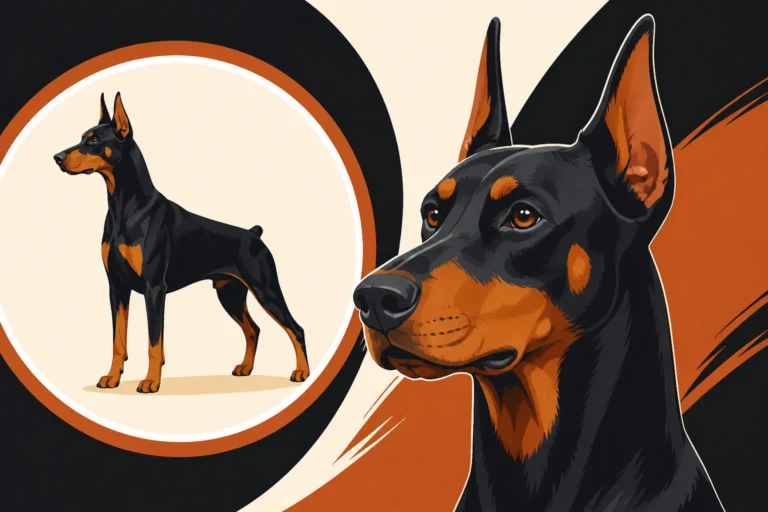
The AKC Doberman Pinscher breed standard, for instance, explicitly recognizes four permissible colors: black, red, blue, and fawn (Isabella). Each of these colors must be accompanied by clearly defined rust markings. This might come as a surprise to many, because while blue and fawn are listed as acceptable colors, their status in the show ring is often complicated by their associated health issues. The key here is "acceptable," which doesn't always translate to "ideal" or "without penalty." Black and rust, and red and rust are overwhelmingly the most common and generally preferred colors in the conformation ring. The standard is very precise about where these rust markings should appear, covering specific areas like the muzzle, throat, chest, legs, and above each eye. Any deviations from these specified markings can be considered a fault. If you're looking for more detail on acceptable colors and those that cause trouble, you might want to check out Doberman Colors and the Two That Cause Trouble.
One of the most significant exclusions from the breed standard is the "white" or albino Doberman. These dogs, unlike blue or fawn Dobermans, are explicitly disqualified from the show ring and breeding for serious health reasons. The standard for Dobermans is very specific, and while blue and fawn are technically "allowed," they often face an uphill battle against judges who prioritize robust health and clarity of coat which are more consistently found in black and red dogs.
The Genetic Reality Behind the Blue Coat and Its Implications
The beautiful, steely blue color of a Doberman isn't just a cosmetic trait; it's the result of a genetic dilution that has significant implications for the dog's health and, by extension, its success in the show ring. Understanding this genetic background is essential for any owner of a blue Doberman.
The Dilution Gene and Its Effect
Blue Dobermans, along with fawn (Isabella) Dobermans, carry a recessive gene known as the "dilution gene" (d/d). This gene essentially dilutes the black pigment (in blue Dobermans) or red pigment (in fawn Dobermans) that would normally be present. So, a blue Doberman is genetically a black Doberman with two copies of the dilution gene, causing its black coat to appear gray or blue. Similarly, a fawn Doberman is genetically a red Doberman with two copies of the dilution gene, resulting in a lighter, sand-like coat. While stunning to look at, this dilution isn't just skin deep. The gene affects the distribution of pigment in the hair follicles, and this altered distribution can lead to a condition known as Color Dilution Alopecia (CDA).
CDA is not just a minor cosmetic issue; it's a serious skin and coat disorder. Dogs with CDA often experience progressive hair thinning, brittle fur, and eventually, significant bald patches. This typically starts between 6 months and 3 years of age. Beyond the hair loss, the skin in affected areas becomes extremely vulnerable to secondary bacterial infections, folliculitis, and painful inflammation. The constant scratching and discomfort can severely impact a dog's quality of life. This direct link between the blue color and a significant health issue is why these dogs are often viewed with skepticism in the conformation world. For a deeper dive into this, you can read Color Dilution Alopecia in Blue and Fawn Dobermans. You'll also find more information on the progression of this issue in The Age a Blue Doberman Starts Losing Hair.
Health Challenges Associated with Dilute Colors
The primary health concern for blue and fawn Dobermans is undoubtedly Color Dilution Alopecia. Imagine preparing your beautiful blue Doberman for the show ring, only for it to develop patchy hair loss and flaky skin right before a major event. This isn't just bad luck; it's a predictable outcome for many dilute-colored Dobermans. The severity can vary, with some dogs experiencing mild thinning and others becoming almost completely bald over their trunk, head, and neck.
Beyond CDA, while not directly caused by the dilute gene, many dilute Dobermans are perceived as having more delicate skin overall, making them more prone to other dermatological issues. Owners often find themselves constantly battling dry, flaky skin, requiring specialized shampoos and conditioners, often found readily on sites like Chewy, to keep their dog comfortable. This delicate skin can also be more susceptible to tears and abrasions, making everyday activities a bit more challenging. These health issues not only impact the dog's well-being but also present a significant disadvantage in the show ring, where a lustrous, healthy coat is a key component of the breed standard.
A blue Doberman that starts to show signs of hair loss or skin issues is unlikely to fare well in a conformation ring, even if the blue color itself is technically allowed. Judges are looking for an overall picture of health and breed type, and a dog struggling with CDA simply won't fit that ideal. It's a tough reality, but one that responsible breeders and owners must face. For a realistic look at daily care, consider exploring Skin Care Costs for a Blue Doberman.
Navigating the Show World with a Dilute Doberman
So, you have a beautiful blue Doberman, and you've decided you'd like to try showing. What should you expect, and what steps can you take? The path isn't straightforward, and it's important to go in with your eyes wide open.
Are Blue Dobermans Disqualified from AKC Conformation?
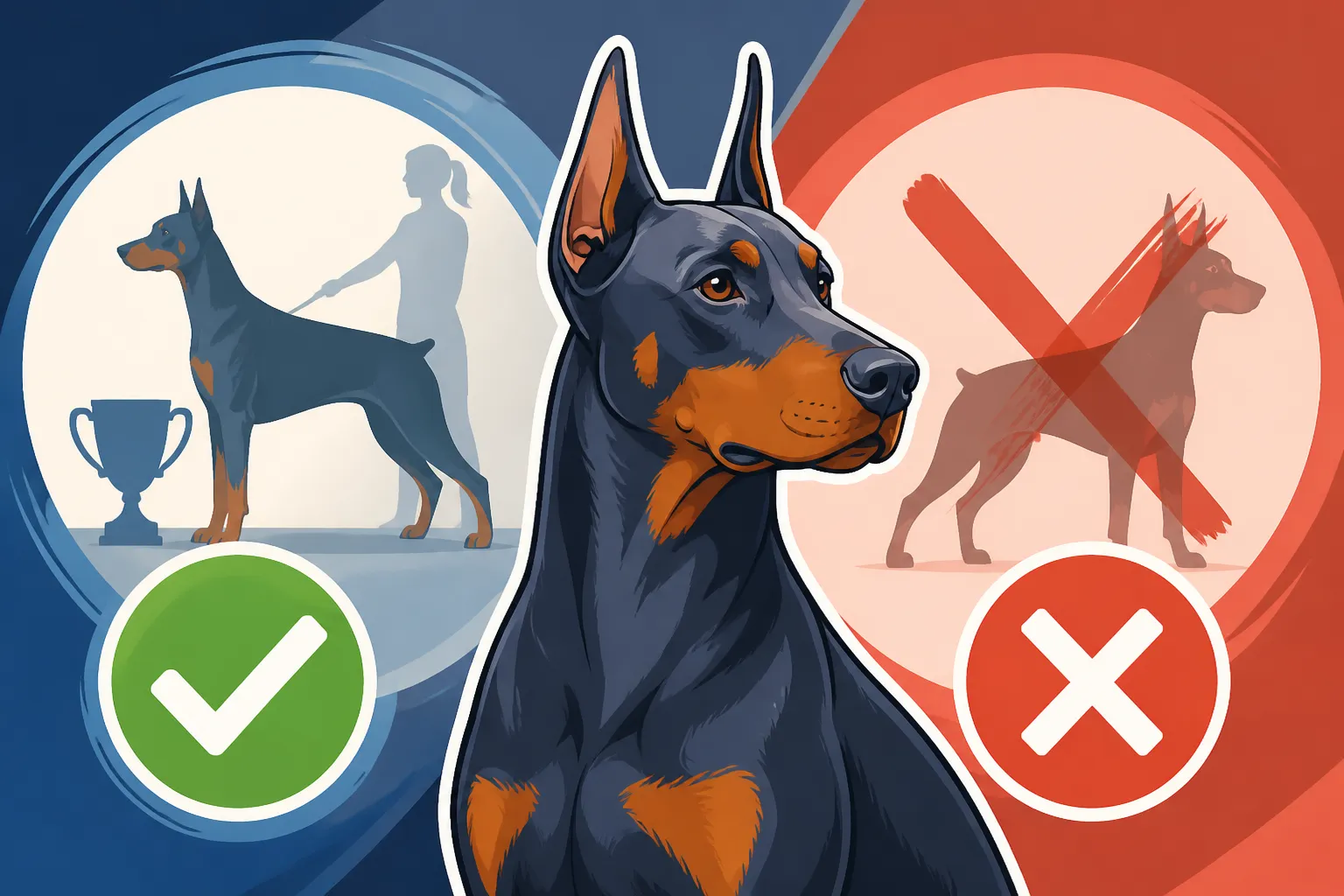
No, blue Dobermans are not automatically disqualified from AKC conformation shows based solely on their color. As mentioned, blue is listed as an acceptable color in the AKC breed standard. However, while they are technically eligible to compete, the reality is far more complex. There's a significant difference between being "eligible" and being "competitive."
Judges, especially those with extensive breed knowledge, are acutely aware of the health predispositions linked to dilute colors. A blue Doberman must not only meet all other aspects of the standard (conformation, gait, temperament) flawlessly, but it must also present a perfectly healthy, lustrous coat and skin. Even the slightest hint of thinning hair, dullness, or skin irritation, which are common symptoms of CDA, can lead to it being overlooked or placed lower than a black or red Doberman that might be otherwise similar in quality. It's a very subtle but powerful bias, often rooted in the understanding that a dog with clear signs of CDA is not displaying optimum health as per the spirit of the breed standard. This means a blue Doberman needs to be truly exceptional in every other regard to stand a chance against a healthy black or red competitor.
Challenges in the Conformation Ring
The biggest challenge, as you might guess, is the aforementioned Color Dilution Alopecia. If a blue Doberman develops CDA, it will experience hair loss, brittle fur, and often secondary skin infections. A dog presenting with these symptoms simply won't be competitive. Conformation shows prioritize health, soundness, and adherence to the breed standard, and a compromised coat is a major deviation from the ideal. Even if your blue Doberman is otherwise perfectly structured and moves beautifully, a judge will be hard-pressed to put it above a dog with a full, healthy coat.
Beyond CDA, there's also a less tangible, but very real, challenge: perception. Some judges and breeders have a strong preference for black and red Dobermans, viewing them as the original and most robust representations of the breed. While a judge should, in theory, judge each dog on its individual merits against the standard, personal preferences and long-standing traditions can subtly influence decisions. This isn't to say it's impossible for a blue Doberman to win, but they undeniably face an uphill battle. It requires a truly outstanding specimen that can overcome these inherent disadvantages.
Owners must also be aware of the "Z" factor in some Doberman registration numbers, which historically indicated an albino carrier, often mistaken or confused with dilute colors. While distinct, it shows the club's history of flagging genetic issues. You can learn more about this by reading The Z in a Doberman Registration Number.
Showing Outside of AKC Conformation
If your primary goal is to enjoy time with your Doberman in a competitive setting, but the strictures of AKC conformation seem daunting or unsuitable for your blue Doberman, there are many other avenues to explore! These often focus more on a dog's abilities and partnership with its owner rather than strict physical appearance.
For example, performance events like obedience, rally, agility, and tracking are fantastic options. In these sports, the color of your dog's coat is utterly irrelevant. What matters is its trainability, athleticism, and willingness to work with you. A blue Doberman with a keen mind and strong drive can excel in competitive obedience, demonstrating its intelligence and bond with its handler. In agility, their speed and athletic prowess can shine, navigating complex courses with grace. Tracking capitalizes on the Doberman's natural scenting abilities, a skill that has nothing to do with coat color. These events celebrate the Doberman's working heritage and provide a wonderful outlet for their energy and intelligence. Competitive Obedience and the Doberman Temperament and Agility With a Doberman's Long Frame offer great insights into these sports.
Another popular choice is canine good citizen (CGC) testing, which focuses on responsible pet ownership and basic manners. Therapy dog work is also an incredibly rewarding path, where a blue Doberman's calm temperament and gentle nature can bring comfort to others. Neither of these requires a "perfect" coat or adherence to strict breed aesthetics.
Furthermore, some alternative kennel clubs or rare breed associations might have different standards or be more accepting of dilute colors without the same level of implicit bias seen in traditional conformation. It's always worth researching local clubs and their specific rules. The most important thing is to find an activity that you and your Doberman genuinely enjoy together, where its unique qualities are celebrated, not scrutinized. After all, the bond you share is far more valuable than any ribbon.
Beyond the Show Ring: Embracing the Blue Doberman
Owning a blue Doberman is a truly unique experience, and while the conformation ring might not be their primary stage, there's a world of joy and fulfillment to be found with these magnificent dogs. It's about prioritizing their well-being and celebrating their individual spirit.
Prioritizing Health and Well-being
Given the predisposition to Color Dilution Alopecia, a proactive approach to your blue Doberman's health is paramount. This means more than just regular vet visits; it involves diligent observation and specialized care. You'll want to work closely with your veterinarian to establish a skin care regimen that helps manage potential CDA symptoms. This often includes specific medicated shampoos, conditioners, and moisturizers designed to soothe dry skin and prevent infections. Many of these specialized products can be conveniently sourced from pet supply retailers like Chewy. Some owners also explore dietary supplements like omega fatty acids, though it’s always best to consult your vet before adding anything new to your dog’s diet. Protecting their sensitive skin from harsh sun or extreme cold is also crucial; a fitted winter coat can be essential in cooler climates. Sun Protection for a Thin-Coated Doberman and Medicated Baths for a Doberman With Coat Loss delve deeper into these practical aspects.
Early detection of any skin issues is key. If you notice thinning hair, dandruff, or redness, don't wait to address it. A prompt vet visit can help manage symptoms and prevent secondary infections from becoming more severe. This proactive care ensures your blue Doberman can live as comfortably and happily as possible, regardless of their show ring aspirations.
The Beauty of a Blue Doberman as a Companion
Ultimately, a Doberman, regardless of its color, is first and foremost a beloved family companion. Blue Dobermans possess all the intelligence, loyalty, and protective instincts that make the breed so cherished. They are often described as "Velcro dogs," forming incredibly strong bonds with their human families and thriving on close companionship. Their stunning, unique coloration makes them stand out, often drawing admiration and questions wherever they go. While they might face challenges in the show ring, their value as a loving, intelligent, and devoted pet is immeasurable.
Many owners find that the unique appearance of their blue Doberman is a conversation starter, allowing them to educate others about the breed and its specific needs. The commitment to their health and happiness often deepens the bond between owner and dog. Whether they're excelling in an obedience class, cuddling on the couch, or simply enjoying a walk in the park, a blue Doberman brings immense joy to the right owner. Their journey may be different from that of a champion black Doberman, but it is no less rewarding. If you're weighing the decision to bring home a blue Doberman, consider Whether to Buy a Blue Doberman At All for a balanced perspective on their specific needs and considerations. The costs associated with their care are also worth understanding, as discussed in Whether a Blue Doberman Costs More to Keep.
Making an Informed Choice
Choosing a Doberman, especially one of a dilute color, requires careful consideration and thorough research. If your heart is set on a blue Doberman, ensure you source your puppy from a reputable breeder who is transparent about the genetic risks associated with the color and prioritizes the health of their lines. They should be knowledgeable about CDA and be able to discuss how they screen for and manage it in their breeding program, even though the gene itself is inherent to the color. They should also provide comprehensive health testing results for the parents, not just for color, but for common Doberman ailments like DCM and vWD. Responsible breeders will emphasize health and temperament above all else.
Ultimately, whether a blue Doberman can be "shown" in the traditional sense is less about absolute eligibility and more about competitiveness and health. While the doors of the conformation ring aren't entirely closed, the path is undoubtedly more challenging due to the genetic baggage of the dilution gene. However, the world of dog sports and, most importantly, the profound joy of a loving companion, remain wide open. For most Doberman owners, the latter is what truly matters, and a blue Doberman, with its striking looks and loyal heart, can be an incredible addition to the family. Just be ready to commit to their specific health needs and celebrate them for the unique individuals they are. To read up on Thinning Coat on a Blue Doberman Puppy can provide further insights into early signs and preventative measures.
| Doberman Color | AKC Conformation Eligibility | Common Health Concerns | Show Ring Competitiveness |
|---|---|---|---|
| Black & Rust | Eligible | Generally fewer color-linked issues; standard Doberman health concerns apply. | Highly competitive, preferred by judges. |
| Red & Rust | Eligible | Generally fewer color-linked issues; standard Doberman health concerns apply. | Highly competitive, preferred by judges. |
| Blue & Rust | Eligible | High risk of Color Dilution Alopecia (CDA), delicate skin, infections. | Challenging, often penalized for coat issues. |
| Fawn (Isabella) & Rust | Eligible | High risk of Color Dilution Alopecia (CDA), delicate skin, infections. | Challenging, often penalized for coat issues. |
| White (Albino) | Disqualified | Severe photosensitivity, vision problems, potential skin cancer, general fragility. | Not permitted to compete in conformation. |
Disclaimer
This article is for general informational purposes only and does not constitute professional advice. Laws, prices and regulations vary by location and change over time. Consult a qualified professional for guidance on your specific situation.