Doberman Colors and the Two That Cause Trouble
It’s easy to get swept away by the majestic appearance of a Doberman – their sleek coats, powerful build, and alert gaze are truly captivating. But when you start looking at the different coat colors, it's crucial to understand that not all shades are created equal, and some beautiful variations carry with them a significant predisposition to specific health challenges. This guide will walk you through the spectrum of Doberman colors, highlighting the genetic factors at play, and crucially, detailing the health implications that prospective owners absolutely need to be aware of before falling in love with a particular hue.
The Standard Doberman Colors: Black and Red
When most people picture a Doberman, they likely envision one of these two classic, strong colors. These are the foundation of the breed, representing both its original intent and its most robust health profile when it comes to coat.
Black and Rust: The Classic Look
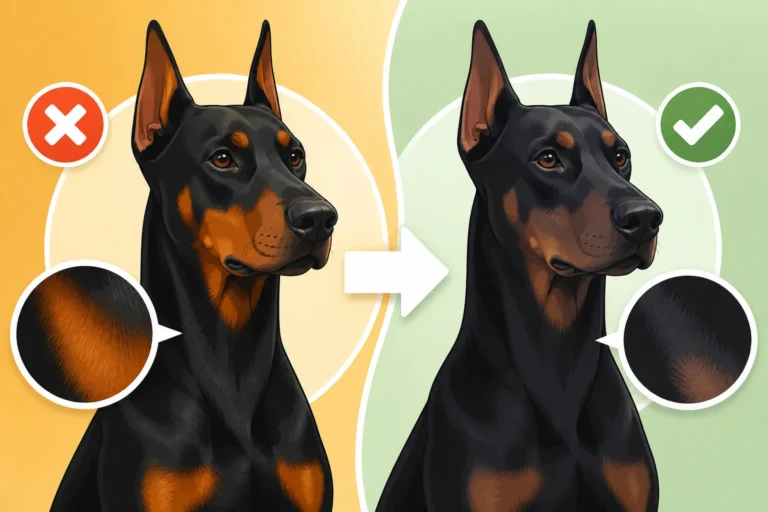
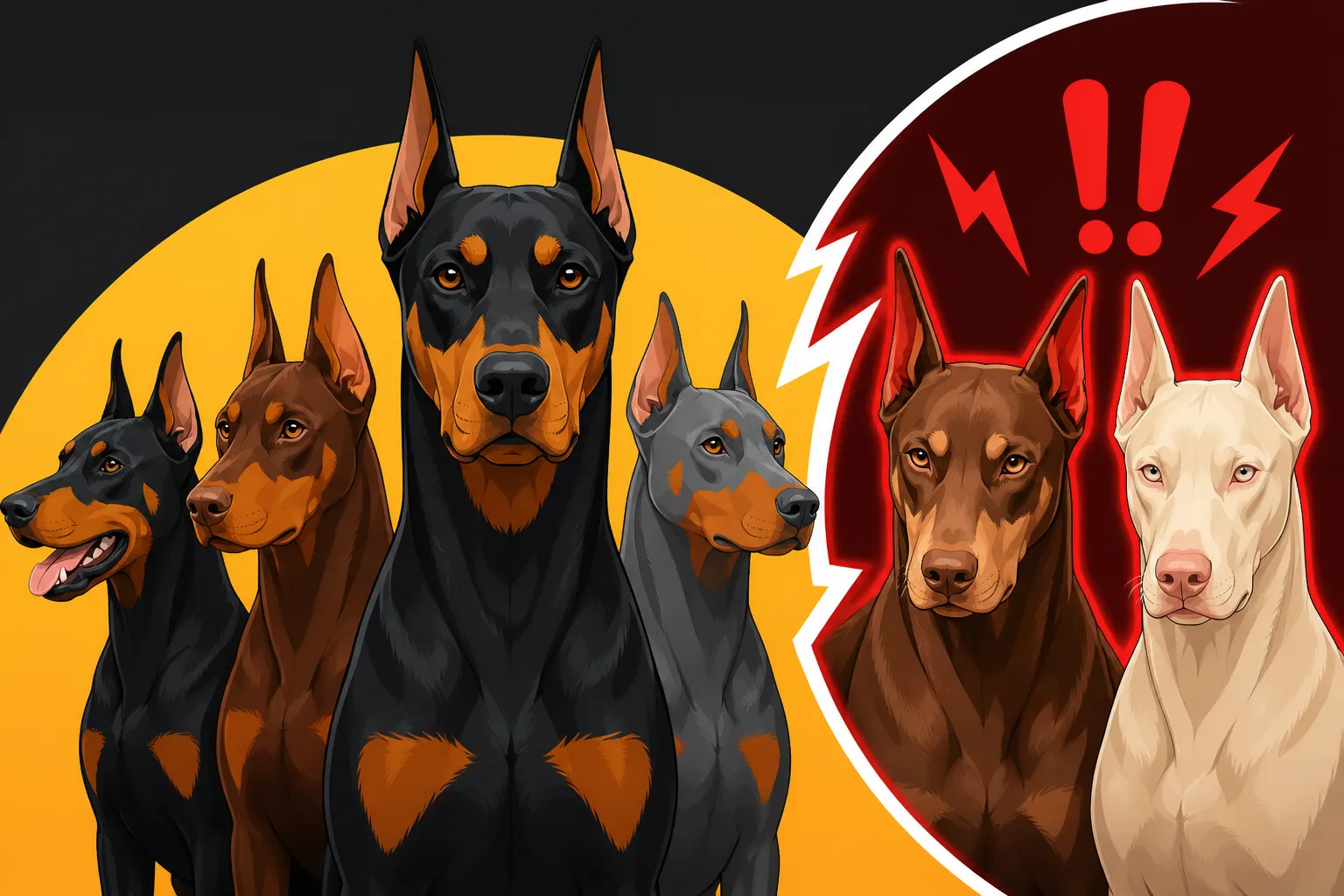
The black and rust Doberman is arguably the most iconic and widely recognized color. Picture a dog with a gleaming, deep black coat, sharply contrasted by rich, reddish-brown markings (known as rust) on its muzzle, throat, chest, legs, and above each eye. This striking combination is what many people consider the quintessential Doberman look, and it's certainly the most common. Genetically, a black Doberman carries at least one dominant "B" allele, which codes for black pigment, and at least one dominant "D" allele, which allows for full color expression.
These dogs have a distinct presence, their black coats often appearing almost iridescent in the sunlight. The rust markings are typically well-defined and vibrant, creating a clear pattern that enhances their athletic physique. Historically, this was the primary color of the early Dobermans bred by Karl Friedrich Louis Dobermann, and it remains the gold standard in terms of breed type and health. There's a reason why The Black and Rust Doberman is so prevalent in show rings and working venues; it simply represents the most stable and predictable genetic expression for the breed's coat. When you see a black and rust Doberman, you're looking at a dog whose coat genetics are working as intended, without the dilution factors that can introduce problems.
The Striking Red Doberman
Beyond black, the next most common and equally standard color is the red Doberman, also accented with rust markings. These dogs have a coat that ranges from a deep, rich chocolate brown to a lighter, almost copper red, again with distinct rust points. Genetically, a red Doberman has two recessive "b" alleles (bb), which changes black pigment to red/brown, but still carries at least one dominant "D" allele for full color saturation.
Red Dobermans are truly beautiful, often catching the light in a way that highlights the subtle variations within their red coat. The rust markings on a red Doberman are usually a lighter shade of red, sometimes almost a pale tan, creating a softer contrast than seen on black and rust dogs. While perhaps not as instantly recognized as black, red Dobermans are very popular and are fully accepted in all kennel club standards, including the AKC. They share the same robust coat health as their black counterparts because they too possess the dominant "D" gene that ensures undiluted pigment. You won't typically find the specific coat-related health issues in red Dobermans that we discuss later with the dilute colors.
Understanding Color Dilution: Blue and Fawn Dobermans
Now, we venture into the colors that, while visually captivating, introduce a genetic component that can lead to significant health challenges. These are the "dilute" colors: blue and fawn. They arise from a recessive gene that essentially "waters down" the standard black or red pigment.
The Allure and Risks of the Blue Doberman
A blue Doberman is truly a sight to behold. Their coat is a stunning, steely grey, often described as a slate blue, with the characteristic rust markings appearing in a lighter, smoky tan shade. Genetically, blue Dobermans are black Dobermans that have inherited two copies of the recessive "dilution" gene (dd), meaning their genetic code is "BBDD" (black) + "dd" (dilution) resulting in blue. This recessive gene dilutes the black pigment, turning it grey.
On first glance, a blue Doberman can seem exotic and unique, and it’s easy to be drawn to their striking appearance. However, the beauty of the blue coat often comes with a heavy price: a condition known as Color Dilution Alopecia (CDA). This isn't just about a thinner coat; it's a serious skin and hair follicle disorder. Because of the way the pigment granules are clumped together in the hair shaft due to the dilution gene, the hair becomes brittle, breaks easily, and can eventually lead to significant hair loss, sometimes leaving the dog almost bald in patches. What the Dilution Gene Does to a Doberman delves deeper into this genetic mechanism. It's a heartbreaking reality for many owners who are unprepared for the chronic care these dogs often require.
The Elegant but Delicate Fawn Doberman
Fawn Dobermans are perhaps the rarest of the four commonly seen Doberman colors. Their coats are a beautiful, light beige or sandy tan, often with rust markings that are barely discernible, blending subtly into the main coat color. Genetically, fawn Dobermans are red Dobermans who have also inherited two copies of the recessive "dilution" gene (dd). So, their genetic code is "bbDd" (red) + "dd" (dilution) resulting in fawn. The dilution gene acts on the red pigment, softening it to this delicate fawn shade.
Like their blue counterparts, fawn Dobermans are incredibly striking, possessing an almost ethereal elegance. But much like blue Dobermans, fawn Dobermans are also highly susceptible to Color Dilution Alopecia and other associated skin problems. The same genetic mechanism that causes the dilution of pigment also affects the structure of the hair follicles, leading to brittle hair, breakage, and patchy hair loss. Owners often find themselves battling chronic skin infections and discomfort for their fawn Dobermans. The desire for this unique aesthetic can lead to a lifetime of specialized care, and it's a critical consideration for anyone thinking of bringing a fawn Doberman into their home.
The Genetic Science Behind Doberman Colors
Understanding the basic genetics behind Doberman coat colors isn't just an academic exercise; it's absolutely vital for appreciating why some colors are healthy and others are prone to problems. It all comes down to specific genes that control pigment production and distribution.
Dominant and Recessive Genes at Play
Doberman coat colors are primarily determined by two main gene loci: the B locus and the D locus.
The B locus determines whether the dog will have black or red pigment.
- B (dominant): Codes for black pigment. A dog with at least one "B" allele will have black in its coat (e.g., BB or Bb).
- b (recessive): Codes for brown (red) pigment. A dog must have two "b" alleles (bb) to be red.
The D locus, or dilution locus, then dictates the intensity of that pigment.
- D (dominant): Codes for full, undiluted color. A dog with at least one "D" allele will express its color fully (e.g., DD or Dd).
- d (recessive): Codes for dilute color. A dog must have two "d" alleles (dd) to have a diluted coat color (blue or fawn).
So, combining these, you get:
- Black and Rust: B_D_ (e.g., BBDD, BbDD, BBDd, BbDd)
- Red and Rust: bbD_ (e.g., bbDD, bbDd)
- Blue and Rust: B_dd (e.g., BBdd, Bbdd)
- Fawn and Rust: bbdd
It’s this "dd" genetic combination that we need to pay close attention to, as it's the root cause of many health issues in dilute Dobermans. When we talk about The Four Doberman Colors the AKC Allows, these are the four distinct genetic expressions that are typically recognized, though with varying degrees of health stability. Responsible breeders will understand these genetic combinations thoroughly and make breeding decisions to prioritize health.
The Dilution Gene's Impact on Health
The dilution gene (d/d) doesn't just lighten the coat color; it directly affects the way pigment granules are formed and distributed within the hair shaft and skin. In dogs with two copies of the "d" allele, the pigment granules (melanin) are not evenly distributed throughout the hair. Instead, they are clumped together. This clumping weakens the hair shaft, making it brittle and prone to breakage. Imagine trying to build a wall with bricks that are glued together in big, uneven clumps instead of being laid out smoothly – the wall will be weaker and more susceptible to crumbling.
This structural defect in the hair is what leads to the chronic skin and coat issues seen in blue and fawn Dobermans, primarily Color Dilution Alopecia (CDA). The condition manifests as thinning hair, patchy baldness, dry and flaky skin, and a heightened susceptibility to bacterial skin infections. It's not just a cosmetic issue; it's a painful and irritating chronic condition for the dog. The gene's influence is profound, leading to a lifetime of special care requirements and veterinary visits for affected animals. While the Doberman’s beauty is undeniable, this genetic predisposition underscores the importance of choosing a breeder who prioritizes health over novel colors, and for prospective owners to understand the potential commitments.
The Health Troubles Associated with Dilute Colors
The "trouble" that this article refers to is very real, and it manifests most clearly in the form of a specific dermatological condition tied directly to the dilute genetics. It’s not just a minor inconvenience; it can significantly impact a Doberman's quality of life.
Color Dilution Alopecia in Blue Dobermans
Color Dilution Alopecia (CDA) is the primary health concern for blue Dobermans, and it's a heartbreaking reality for many owners. It typically begins to show itself between six months and three years of age, though sometimes it can appear earlier or later. The initial signs might be subtle: a dullness to the coat, a slightly coarse texture, or sparse hair growth. Over time, this progresses to severe hair thinning, patchy hair loss, particularly on the trunk, flanks, and neck, and a very dry, flaky, and often greasy skin. The hair that remains is usually very brittle and breaks easily.
The underlying issue is that the clumped pigment granules cause structural defects in the hair follicles, preventing normal hair growth and leading to easy breakage. This leaves the skin exposed and vulnerable. Blue Dobermans with CDA are not only prone to significant hair loss but also suffer from recurrent skin infections, often bacterial or fungal, because the skin’s natural barrier is compromised. These infections cause itching, redness, pustules, and discomfort, requiring frequent veterinary intervention with antibiotics, antifungals, and medicated shampoos. It's a lifelong condition that requires continuous management and can be very expensive and emotionally draining for owners. Color Dilution Alopecia in Blue and Fawn Dobermans covers this topic in extensive detail, highlighting the challenges involved.
Skin Issues Beyond Hair Loss for Dilutes
While Color Dilution Alopecia is the most prominent issue, the problems for blue and fawn Dobermans extend beyond just hair loss. The compromised skin barrier and the chronic nature of CDA often pave the way for a host of secondary skin problems that can significantly reduce a dog's comfort and health. One of the most common issues is secondary bacterial pyoderma, which are skin infections caused by bacteria taking advantage of the weakened skin. These can manifest as pustules, crusts, red inflamed skin, and intense itching, leading to more scratching and further damage to the skin.
These dogs are also more susceptible to follicular cysts, which are small bumps or lesions that form when hair follicles become blocked. These can become infected, painful, and rupture, requiring veterinary attention. Furthermore, the constant inflammation and irritation can lead to hyperpigmentation (darkening of the skin) and lichenification (thickening and hardening of the skin) in affected areas. The skin can become chronically dry and flaky, necessitating a specialized skincare regimen. Maintaining their skin health means regular medicated baths, topical treatments, and often, long courses of oral medications. These conditions are not just unsightly; they are uncomfortable and can be quite painful for the dog. Managing Skin Infections in a Bald Doberman becomes a significant part of daily life for dilute Doberman owners.
| Doberman Color | Genetic Code | Associated Health Risks (Coat/Skin) | General Rarity |
|---|---|---|---|
| Black and Rust | B_D_ | Minimal | Common |
| Red and Rust | bbD_ | Minimal | Common |
| Blue and Rust | B_dd | High risk of Color Dilution Alopecia (CDA), secondary skin infections, follicular cysts | Uncommon |
| Fawn and Rust | bbdd | High risk of Color Dilution Alopecia (CDA), secondary skin infections, follicular cysts | Rare |
| White (Albino) | ca/ca | Severe skin cancer risk, extreme light sensitivity, vision problems, deafness | Extremely Rare |
Living With a Dilute-Colored Doberman
If you find yourself with a blue or fawn Doberman, either by choice or through rescue, understand that their care will require extra dedication and vigilance compared to their black or red counterparts. It's not a matter of if, but often when, you'll encounter skin and coat issues.
Specialized Care for Skin and Coat
Living with a dilute-colored Doberman means committing to a specialized, often rigorous, skin and coat care routine. Regular bathing with veterinary-prescribed medicated shampoos is essential to manage bacterial and fungal overgrowth, which are common secondary infections. These shampoos often contain ingredients like chlorhexidine or benzoyl peroxide. After bathing, it's crucial to thoroughly rinse and gently dry the coat, as dampness can exacerbate skin problems. Many owners find success with emollients, moisturizing sprays, or conditioners specifically designed for sensitive or compromised skin to help maintain skin hydration and reduce flakiness. Brands like Chewy often stock a range of veterinary dermatological products, making it easier to find what your vet recommends.
Beyond bathing, gentle brushing with a soft brush can help stimulate circulation without irritating the fragile skin or breaking brittle hairs. Over-brushing or using harsh brushes can actually do more harm than good. Dietary supplements, such as Omega-3 and Omega-6 fatty acids, can also play a supportive role in skin health, helping to reduce inflammation and improve the skin barrier function from the inside out. Your vet may also recommend specific low-allergen or skin-supportive diets, which you can often find readily available through pet supply retailers like Chewy. This ongoing commitment to care is vital for keeping your dilute Doberman as comfortable and healthy as possible.
Sun Protection and Environmental Considerations
Because of their sparse hair growth and fragile skin, blue and fawn Dobermans are particularly vulnerable to environmental factors, especially sun exposure and cold weather. Their thin coat offers little protection against the sun's harsh UV rays, putting them at a significantly increased risk for sunburn and, over time, certain types of skin cancer. Just like humans, a Doberman with exposed, delicate skin needs protection. Sun Protection for a Thin-Coated Doberman is not a luxury, but a necessity. This means limiting direct sun exposure during peak hours, providing ample shade outdoors, and considering canine-specific sunscreen on vulnerable areas like the ears, nose, and belly. Lightweight UV-protective clothing can also be a game-changer for extended outdoor time.
Similarly, these dogs feel the cold much more intensely due to their lack of a dense undercoat and compromised outer coat. In cooler climates, a good quality dog coat or sweater is essential to prevent hypothermia and keep them comfortable during walks or outdoor potty breaks. Their skin can also become very dry and cracked in cold, dry air. Indoor humidity levels might even need to be considered. The overall goal is to minimize environmental stressors that can further irritate their already delicate skin and compromise their comfort.
The White Doberman: A Separate, More Serious Issue
While blue and fawn Dobermans have their challenges due to color dilution, the "white" Doberman is an entirely different category with a far more severe genetic basis and a much broader range of profound health issues. This is not simply another color; it's a form of albinism.
Not a Color, But Albinism
It's absolutely crucial to understand that the so-called "white" Doberman is not a true white-coated dog like a Great Pyrenees or Samoyed. Instead, these dogs are albinos. Albinism is a genetic condition characterized by a complete or partial absence of pigment in the skin, hair, and eyes due to a genetic mutation that interferes with melanin production. In Dobermans, this manifests as a pure white coat, pink skin, and pale blue or amber eyes, which often appear red in certain lighting due to the reflection of blood vessels in the retina. The "Z" in their registration numbers, used by some kennel clubs to track these dogs, stands as a stark reminder of their unique and problematic genetic status.
This isn't just about aesthetics; it's about a fundamental lack of protective pigment. Unlike a diluted color, which still has some pigment, an albino Doberman has virtually none. This absence of melanin affects every aspect of their interaction with the environment and comes with significant health consequences. While some might be drawn to their unique appearance, supporting the breeding of albino Dobermans is widely considered irresponsible due to the severe health and welfare implications. The White Doberman and Where It Came From explains the lineage and ethical concerns associated with this genetic anomaly.
Severe Health Concerns of the Albino Doberman
The lack of melanin in albino Dobermans leads to a cascade of severe health problems. Without pigment, their skin is extremely vulnerable to sun damage, making them highly susceptible to sunburn, photosensitivity, and an alarmingly high risk of developing skin cancers, especially squamous cell carcinoma, at a very young age. Even short periods of sun exposure can cause blistering and discomfort. Their eyes, lacking protective pigment in the iris, retina, and choroid, are also profoundly affected. They suffer from photophobia (extreme light sensitivity), often squinting or shying away from bright light. Many have impaired vision, including poor depth perception and nystagmus (involuntary eye movements). Some may even be partially or completely blind.
Beyond vision and skin, there are often behavioral and neurological issues. Anecdotal evidence suggests that albino Dobermans can be more prone to shyness, anxiety, and even aggression due to their impaired vision and constant discomfort. They struggle to interact with the world around them normally, which can lead to stress-induced behaviors. Their lifespan can be significantly shortened by cancer and the chronic management of their conditions. Albino Dobermans and Their Health Problems details just how challenging life can be for these dogs and their dedicated owners. The decision to obtain an albino Doberman should never be taken lightly, as it almost invariably means a lifetime of intensive and expensive medical care, often with a diminished quality of life for the dog.
Making Informed Choices About Doberman Colors
The appeal of a unique Doberman color is understandable, but responsible ownership and ethical breeding demand a focus on health and temperament above all else. Making an informed decision means looking past the immediate visual appeal.
Prioritizing Health Over Aesthetics
When choosing a Doberman, the color of its coat should be one of the last considerations, not the first. Prioritizing health and temperament means looking for a reputable breeder who focuses on producing healthy, stable dogs from well-researched lines, regardless of what "fancy" color might be in vogue. A truly ethical breeder will prioritize the long-term well-being of their puppies, which often means avoiding breeding dilute colors entirely, or at least being extremely transparent about the risks involved. They will health test their breeding stock for all common Doberman ailments, not just those related to coat color.
It's easy to be swayed by the exotic appearance of a blue or fawn Doberman puppy, but imagine the future: the constant vet visits, the pain and itching your dog might endure, the financial strain of chronic medical management. These are not minor issues; they are life-altering for both dog and owner. A beautiful, healthy black or red Doberman, while perhaps more common, offers a much higher chance of a long, comfortable life free from the specific burdens of CDA. Whether to Buy a Blue Doberman At All is a question that requires serious introspection and a deep understanding of the potential commitment.
What to Ask a Breeder About Color and Health
If you are considering a Doberman puppy, especially one of the dilute colors, you must arm yourself with questions for the breeder. A responsible breeder will welcome these questions and provide clear, verifiable answers. First, inquire about the health testing of both parents, not just for general Doberman health concerns like DCM, Von Willebrand's, or Wobbler's, but specifically asking if they breed for dilute colors and if they screen their dogs for the "d" allele. While genetic testing can identify carriers of the dilution gene, it doesn't prevent CDA in affected individuals. The Health Testing a Doberman Breeder Must Show will include more than just color-related concerns.
Ask about the incidence of skin and coat problems in previous litters from the same parents or lineage. Demand to see written health clearances for the parents. If you're looking at a blue or fawn puppy, ask what specific measures the breeder takes to mitigate the risk of CDA in their lines. Be wary of breeders who dismiss CDA as "just dry skin" or a minor cosmetic issue. A breeder who focuses on health will be proud to discuss their efforts to produce robust, healthy Dobermans, even if it means sticking to the more traditional colors. They won’t shy away from discussing potential issues. While Whether a Blue Doberman Can Be Shown is a common question, a reputable breeder will put health far ahead of show ring potential for dilute colors.
Disclaimer
This article is for general informational purposes only and does not constitute professional advice. Laws, prices and regulations vary by location and change over time. Consult a qualified professional for guidance on your specific situation.