Feeding a Doberman on the Morning of a Trial
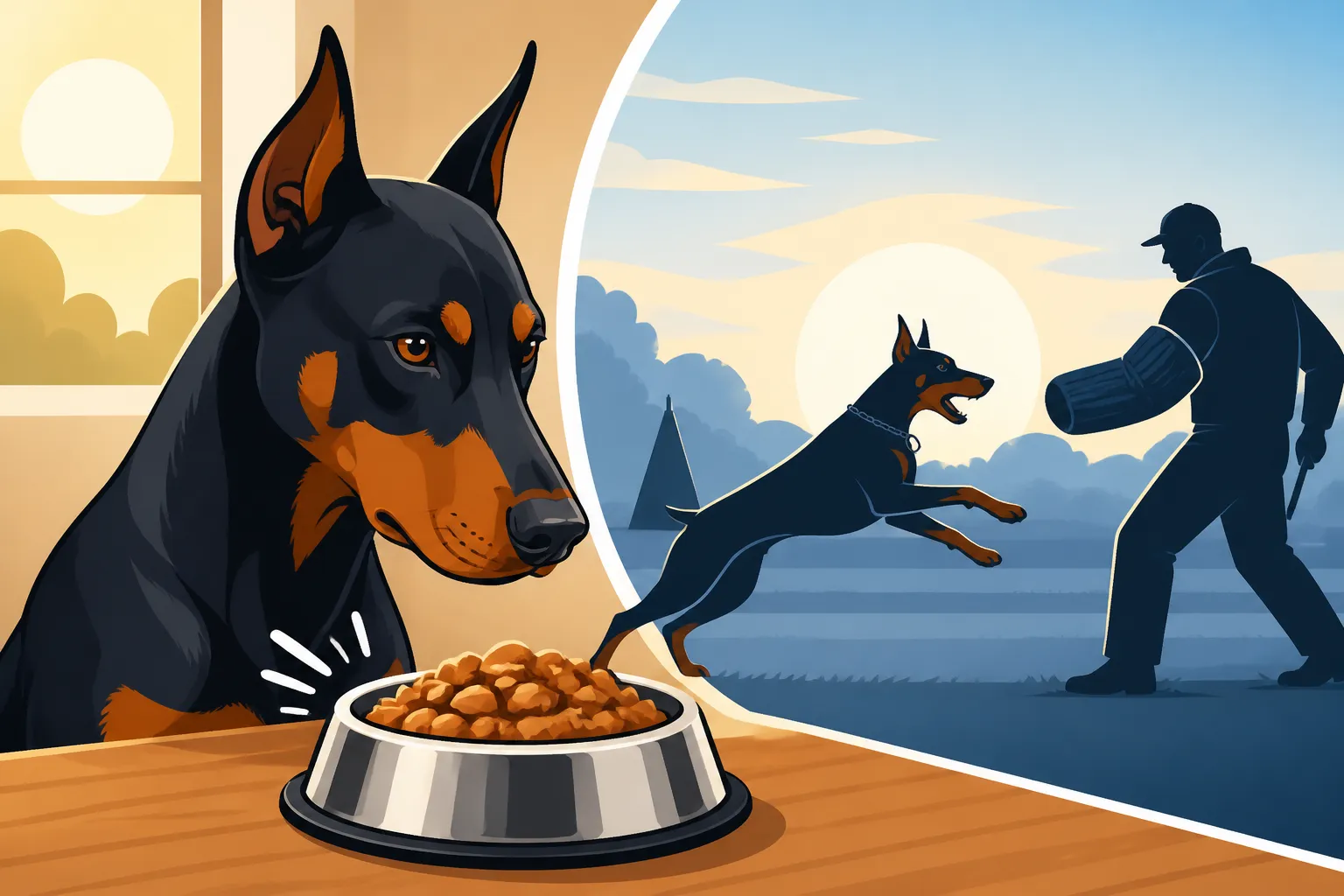
It's a familiar scenario for any Doberman owner involved in competitive dog sports: the morning of a big trial. Your Dobe is buzzing with anticipation, you're probably a bundle of nerves yourself, and suddenly, the age-old question rears its head – what do I feed them? It’s a delicate balance; you need to provide enough fuel for peak performance, but without risking an upset stomach, sluggishness, or worse, the dreaded bloat. This guide is here to walk you through the nuances of trial day feeding, ensuring your Doberman is perfectly powered for success.
The Unique Challenges of Feeding a Doberman on Trial Day
Dobermans are magnificent athletes, but they come with their own set of physiological quirks that make trial day feeding a bit more complicated than just dumping kibble in a bowl. Understanding these challenges is the first step to crafting a successful feeding strategy.
The Ever-Present Threat of Bloat (GDV)
Let's be frank, as Doberman owners, the risk of Gastric Dilatation-Volvulus (GDV), or bloat, is almost always at the back of our minds. This life-threatening condition is more prevalent in deep-chested breeds like ours, and it can strike quickly, especially around exercise and meal times. The last thing you want on trial day is for your dog to show signs of discomfort, let alone a medical emergency. A full stomach, especially one filled with gas or rapidly expanding food, coupled with intense activity or stress, can increase this risk significantly. This is why careful consideration of what and when you feed is paramount. We often talk about Recognizing a Doberman Stomach Twist in Time because early detection is so vital, and preventing it on high-stress days is even better.
Managing Pre-Trial Nerves and Digestive Upset
Just like us, Dobermans can get a case of pre-competition jitters. The new environment, the strange smells, the general hubbub of a trial, and the anticipation of work can all contribute to a heightened state of arousal. For some dogs, this stress manifests in digestive upset – loose stools, vomiting, or just a general lack of appetite. Feeding a large meal, or one that's particularly rich or unfamiliar, can exacerbate these issues. You need a feeding plan that minimizes the chance of an already nervous stomach becoming a truly unhappy one, ensuring your Dobe feels comfortable and ready to focus, not distracted by tummy troubles.
Sustaining Energy Without Creating Sluggishness
Your Doberman needs energy to perform, whether it's for obedience, agility, protection work, or scent detection. These events demand sustained focus, bursts of speed, and sometimes, considerable physical exertion. The goal isn't just to provide calories, but to provide them in a way that offers a steady release of energy, preventing both a sugar crash and that heavy, full feeling that can make a dog sluggish. Too little food, and they might fade halfway through their runs; too much, and they might be uncomfortable or slow. It’s a delicate dance to get it just right, providing enough fuel to keep them sharp and quick.
Crafting the Perfect Pre-Trial Meal
With the challenges in mind, let's talk about building the ideal pre-trial meal plan. The key here is consistency, quality, and careful consideration of your dog's individual needs.
Sticking to the Familiar: Why Novelty is the Enemy
This is perhaps the single most important rule for trial day feeding: do not introduce anything new. Your Doberman's digestive system is accustomed to a certain diet. Changing it, even slightly, on a high-stress day is asking for trouble. Stick to the brand and flavor of food your dog eats every single day. If you typically feed kibble, feed kibble. If you feed a fresh food diet like Ollie, stick to that. Even a new type of treat or a sudden switch in supplements can throw things off. Think of it like a human athlete: they wouldn't try a new energy drink or pasta dish right before a marathon. Consistency breeds confidence in the gut. If you’ve been experimenting with different diets, for example, wondering Whether Grain-Free Food Adds to Doberman DCM, trial day is absolutely not the time to introduce or remove a component based on a new theory.
The Right Balance: Protein, Fat, and Carbs
For sustained energy, you want a balanced meal. Generally, this means a moderate amount of easily digestible protein, a good source of healthy fats for long-burning energy, and complex carbohydrates for a steady release of glucose. Avoid overly fatty foods, which can be harder to digest and potentially lead to upset.
- Protein: Essential for muscle function and repair. Most high-quality dog foods have appropriate protein levels.
- Fats: Crucial for sustained energy. Think about the fat sources already in your dog's regular food.
- Carbohydrates: Complex carbs like those found in quality kibble or certain fresh food ingredients provide a slow release of energy. Avoid simple sugars that can lead to energy spikes and crashes.
If your Doberman is typically on a high-performance diet for their regular training, like a working or sport formula, this is what you should continue. Don't suddenly switch to a "light" formula or a "senior" blend just because you're traveling. Your dog's regular food, purchased reliably from a trusted source like Chewy, is your best bet. Remember, How Many Cups an Adult Doberman Eats on a regular basis should be your baseline for portioning, adjusted for activity.
Considering Hydration and Supplements
Hydration is just as vital as food, especially for an active Doberman. Ensure your dog has access to fresh, clean water right up until it's time to enter the ring or start an exercise. Dehydration can quickly impact performance and lead to fatigue. Some handlers like to add a splash of low-sodium bone broth or a tiny bit of unsweetened coconut water to their dog's water to encourage drinking, but again, introduce this during training first, not on trial day.
As for supplements, if your Doberman is already on specific supplements like those for joint support or something like Taurine and Carnitine in a Doberman Diet for heart health, continue them as usual. However, trial day is not the time to introduce new performance-enhancing supplements. If you're considering them, they need to be tested thoroughly in training scenarios first to ensure there are no adverse reactions. A mild calming supplement, like a L-theanine chew, might be considered if your dog is prone to extreme stress, but again, try it out well in advance of the trial to gauge its effect. You can find many such supplements on Amazon, but always consult your vet before introducing new ones.
Timing is Everything: When to Feed Your Doberman
Beyond what to feed, when you feed your Doberman can make or break their performance and comfort on trial day. This is particularly critical for deep-chested breeds.
The Critical Window Before Competition
For Dobermans, due to the bloat risk, it's generally recommended to feed the last substantial meal at least 4-6 hours before intense activity. This gives the food ample time to move through the stomach and begin digestion, reducing the chance of a full stomach during exercise. So, if your Doberman's first event is at 10 AM, aiming for a small, easily digestible meal around 4-6 AM would be ideal. This means early mornings for you, but it's a small price to pay for your dog's safety and comfort.
This timing also ties into our discussion of Meal Timing on a Deep-Narrow Doberman Chest. A Doberman's unique anatomy means digestion can be a bit more precarious than in other breeds, making longer pre-exercise fasting periods a sensible precaution.
Small, Frequent Meals Versus One Big Breakfast
On trial day, less is often more when it comes to the size of individual meals. Instead of one large breakfast, consider a smaller, more frequent approach if your dog will be working over a very long day. However, for most trial formats where dogs might have 1-3 events over a few hours, a single, small, early morning meal followed by only water and small, highly motivating training treats during working sessions is usually sufficient. Remember Why a Doberman Is Never Fed One Big Meal, especially before activity. It's about preventing a stomach full of rapidly digesting food during exertion.
Here's a quick comparison of common feeding strategies for trial day:
| Strategy | Description | Pros | Cons |
|---|---|---|---|
| Single, Early Small Meal | Small portion of regular food, 4-6 hours before first event. | Minimizes bloat risk; stomach mostly empty for work; simple. | Dog might get hungry later in the day if events are spaced out. |
| Two Small Early Meals | Half portion at 6 hours, another half portion at 3 hours before first event. | Provides more sustained energy; reduces hunger. | Slightly higher bloat risk than single meal; more complex timing. |
| No Morning Meal | Water only until after the first event, then small portions. | Lowest bloat risk; ideal for highly anxious dogs. | Dog might lack energy for initial events; potential for hunger-related distraction. |
| Frequent Tiny Bites | Very small, high-value treats given throughout the day (not a full meal). | Maintains energy; highly motivating; minimizes bloat risk. | Easy to overfeed treats; can interfere with appetite for real meals; requires constant attention. |
Always consider your dog's individual metabolism and stress levels when choosing a strategy. Some Dobermans might do fine with no breakfast at all, especially if they are particularly nervous and prone to what a Doberman cannot hold down kibble. Others might genuinely need that early fuel.
Post-Trial Refueling Strategies
Once your Doberman has completed their day's work, it's time for proper refueling. Don't just let them gorge. Wait at least an hour or two after their last intense activity before offering a full meal. This allows their body to cool down and their digestive system to settle. Offer water freely throughout this period.
When it's mealtime, give them their regular dinner portion. Some handlers might add a little extra protein or a joint supplement to aid recovery, but again, introduce any additions gradually and test them out at home first. The goal is to replenish lost calories and support muscle recovery. Remember, Splitting a Doberman's Meals Around Exercise is a year-round good practice, and especially important on physically demanding days.
Practical Tips and Avoiding Common Mistakes
Beyond the what and when, there are several practical considerations that can make or break your Doberman's trial day feeding experience.
Testing Your Strategy During Training Sessions
The biggest mistake you can make is trying a new feeding strategy on trial day itself. Everything we've discussed – the type of food, the timing, the portion size, any supplements – should be rigorously tested during your regular training sessions. Simulate trial conditions as closely as possible.
- Practice early mornings: If you plan to feed at 4 AM, do it before a demanding training day. See how your dog responds.
- Observe energy levels: Does your Dobe seem sluggish or full? Do they have enough sustained energy?
- Monitor digestion: Are stools normal? Any signs of nausea or discomfort?
- Use trial day treats: Practice using the exact Treats That Fit a Doberman's Daily Ration you'll offer at the trial. Are they motivating enough? Do they cause any digestive issues?
This rehearsal process is invaluable for fine-tuning your approach and building confidence that your plan will work when it truly matters.
Travel Considerations and On-Site Feeding
Traveling to a trial can add another layer of stress. Try to maintain your dog's routine as much as possible. Bring your own water from home if your dog is sensitive to changes in water quality. Pack their regular food in sealed containers. Don't rely on being able to buy the exact food they need on the road.
On-site, ensure your Doberman has a quiet, comfortable space to rest between events. This helps reduce stress and allows for better digestion. Keep water available, but monitor Water Intake for a Doberman After Work and throughout the day to prevent over-guzzling right before activity. If your dog is crated, ensure their water bowl is secure to prevent spills.
What to Avoid Entirely on Trial Day
To recap and emphasize, here's a list of things to absolutely steer clear of on trial day:
- New Foods or Treats: No matter how tempting, resist the urge to offer anything your dog isn't accustomed to. This includes human food scraps, new brands of kibble, or novel high-value treats.
- Large Meals Close to Activity: This is the cardinal rule for Dobermans to mitigate bloat risk.
- Excessive Free Feeding: While not usually an issue for trial day, remember Why a Doberman Should Not Be Free Fed generally, and this principle applies even more so when performance is critical. Scheduled, controlled meals are key.
- Overly Rich or Fatty Foods: These can be harder to digest and may lead to stomach upset.
- Sudden Changes in Hydration: While adequate water is crucial, avoid letting your dog gulp down huge amounts of water right before or after intense exercise, as this can also contribute to bloat. Offer smaller, frequent sips instead.
- Unfamiliar Supplements: If you haven't tried it in training, don't try it at the trial.
By taking a thoughtful, consistent approach to feeding your Doberman on trial day, you're setting them up for success, minimizing health risks, and allowing them to focus on what they do best: shining in the ring.
Disclaimer
This article is for general informational purposes only and does not constitute professional advice. Laws, prices and regulations vary by location and change over time. Consult a qualified professional for guidance on your specific situation.