Testing a Doberman for Von Willebrand Before Surgery
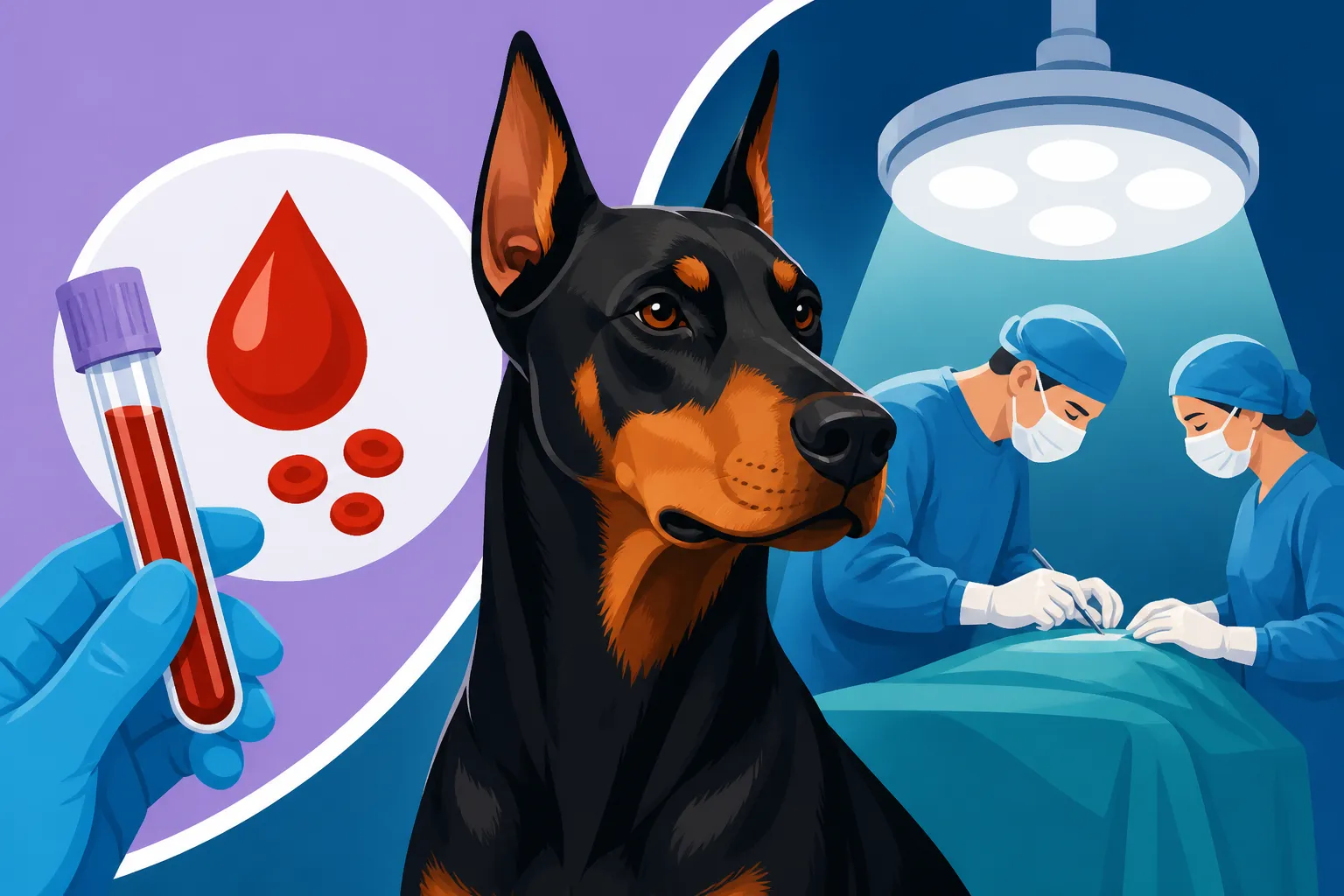
Bringing your beloved Doberman in for surgery, even a routine procedure like a spay or neuter, can fill any owner with anxiety. But for Doberman parents, there's an added layer of worry because our breed is particularly susceptible to a serious bleeding disorder known as Von Willebrand Disease (vWD). This guide is here to walk you through exactly why and how you absolutely must test your Doberman for Von Willebrand before any surgical procedure, providing you with peace of mind and, more importantly, ensuring your dog's safety and a smoother recovery.
Understanding Von Willebrand Disease in Dobermans
Von Willebrand Disease is the most common inherited bleeding disorder in dogs, and unfortunately, Doberman Pinschers are disproportionately affected. It’s a genetic condition that impairs the blood's ability to clot properly, which can turn even a minor cut or a routine surgical incision into a life-threatening event. As Doberman owners, it feels like we're constantly on alert for potential health issues, and vWD is certainly one that deserves our full attention. You see, this isn't just a rare anomaly; it's a significant concern for the breed, so much so that it's widely acknowledged as one of The Bleeding Disorder Almost Every Doberman Line Carries in some capacity.
The Genetic Reality of Von Willebrand in Dobermans
At its core, Von Willebrand Disease in Dobermans is a deficiency or abnormality of Von Willebrand factor (vWF), a protein crucial for normal blood clotting. Specifically, Dobermans are prone to Type I vWD, which is typically characterized by reduced levels of vWF in the blood. While it's considered an autosomal recessive trait, meaning a dog usually needs two copies of the affected gene to be "affected," Type I in Dobermans can be tricky. Some dogs with only one copy (carriers) might have low enough levels to experience mild bleeding issues, while some with two copies (affected) might have wildly varying severities of the disease. This variability is precisely why understanding your dog's genetic status is so important.
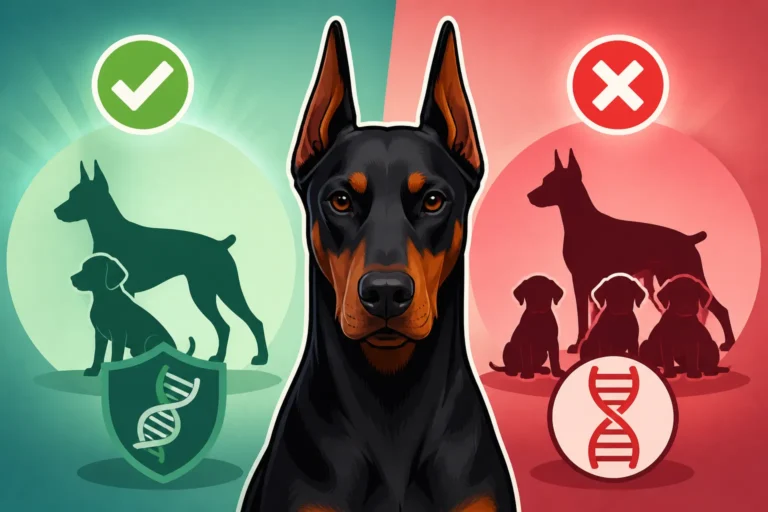
When you get your Doberman tested, the results will usually categorize them as "clear," "carrier," or "affected." A "clear" Doberman has two normal genes and will not pass the disease on. A "carrier" has one normal and one affected gene; they usually don't show symptoms but can pass the gene to their offspring. An "affected" Doberman has two copies of the affected gene and is at the highest risk for bleeding complications. You can learn more about these classifications in our detailed guide on Clear, Carrier and Affected Doberman Results. What’s truly frustrating is that many Dobermans can carry this gene silently, appearing perfectly healthy for years, only for a sudden injury or planned surgery to reveal the underlying issue.
Silent Threat: When Bleeding Becomes Apparent
The insidious nature of vWD in Dobermans is that many affected dogs don't show obvious symptoms in their day-to-day lives. They might live for years without any outward signs of a clotting problem. This lack of visible symptoms can lull owners into a false sense of security, making pre-surgical testing seem less urgent. However, the moment of truth often comes with an injury or medical procedure that challenges their clotting ability.
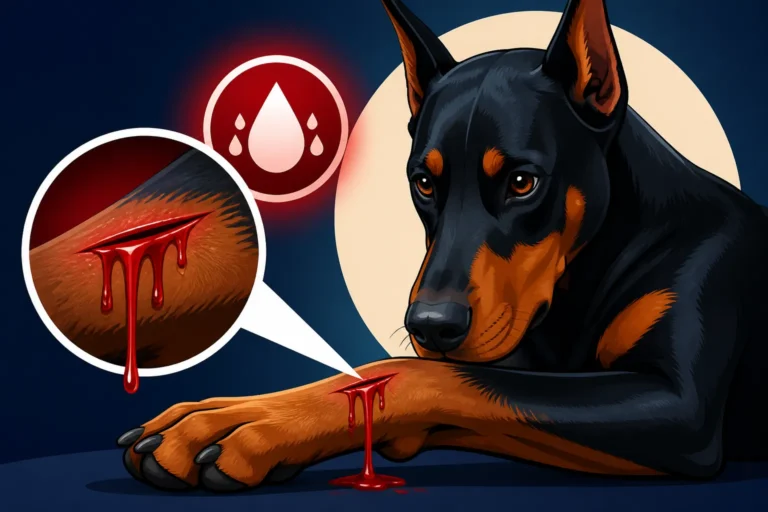
Imagine your Doberman getting a small cut on their paw that just won't stop bleeding, or a minor nosebleed that seems to go on forever. These can be tell-tale signs. For some, the first indication might be persistent gum bleeding after losing a tooth. But the most dangerous scenario, and the one we're focusing on today, is surgery. During surgery, the extensive tissue damage and blood vessel disruption put immense strain on the body's clotting mechanisms. If your Doberman is vWD-affected, this can lead to excessive bleeding during the operation, or even worse, uncontrolled internal bleeding afterwards. A small, usually manageable cut or a planned surgical incision can quickly escalate into a life-threatening emergency, demonstrating just how critical it is to understand the risks before your Doberman goes under the knife. For more on what to look for, read about Nosebleeds and Gum Bleeding in a Doberman.
Why Pre-Surgical Testing is Non-Negotiable
For any Doberman owner, the thought of their dog undergoing surgery is stressful enough without the added concern of a hidden bleeding disorder. But given the breed's predisposition to Von Willebrand Disease, pre-surgical testing isn't just a good idea—it's an absolute necessity. It's about protecting your beloved companion from potentially devastating complications and allowing your veterinary team to prepare for any eventuality. Ignoring this crucial step is akin to driving a car with a known, but untested, brake issue; you’re just waiting for trouble.
The Risks of Unidentified vWD During Surgery
The dangers of an undiagnosed vWD status during surgery cannot be overstated. When a Doberman with a significant vWF deficiency undergoes surgery, even for a routine procedure like spaying or neutering, the risk of excessive and prolonged bleeding skyrockets. This can manifest in several alarming ways:
- Catastrophic Blood Loss on the Operating Table: During the surgery itself, the veterinary team might struggle to control bleeding, which can lead to rapid blood loss, plummeting blood pressure, and a severe crisis. In worst-case scenarios, this can be fatal.
- Post-Operative Complications: Even if the initial bleeding is managed, the risks don't end there. An affected Doberman is prone to developing large, painful hematomas (blood clots under the skin) at the surgical site. Internal bleeding can occur silently, pooling into body cavities and leading to shock, organ damage, and a drastically prolonged, agonizing recovery.
- Need for Emergency Transfusions: If severe bleeding occurs, your Doberman might require emergency blood transfusions, which add significant cost and complexity to the procedure. These transfusions carry their own risks and are not always readily available, especially in emergency situations. The emotional toll of watching your dog struggle with these complications, knowing it could have been prevented, is immense. This is where having comprehensive pet insurance, such as a policy from Healthy Paws, can provide a financial safety net, covering the unexpected and often exorbitant costs associated with these emergencies, especially if enrolled before diagnosis. For a deeper understanding of these risks, consider reading Surgery on a Doberman With a Clotting Problem.
Empowering Your Veterinary Team
Knowing your Doberman's vWD status empowers your veterinary team to take proactive measures and tailor the surgical plan to minimize risks. It's not about alarming them, but about providing them with vital information they need to provide the best possible care. Imagine your vet being able to confidently perform surgery, knowing they've prepared for every contingency.
When your vet knows your Doberman is affected by vWD, they can implement specific protocols, such as:
- Prophylactic Treatments: They might administer medications like Desmopressin Acetate (DDAVP) before surgery, which can temporarily increase vWF levels in some dogs.
- Careful Anesthesia Choices: Certain anesthetic agents and medications can affect clotting or blood pressure, and your vet can choose options that are safer for a vWD-affected dog. Understanding Vaccination and Anesthesia in a Doberman is crucial here, as even seemingly minor considerations can have a big impact.
- Availability of Blood Products: They can have cryoprecipitate or fresh frozen plasma on hand, ready for immediate use if needed.
- Enhanced Monitoring: Your Doberman will receive closer post-operative monitoring for any signs of bleeding, ensuring prompt intervention if complications arise.
It's your responsibility as an owner to advocate for your Doberman and ensure this vital testing is done. Don't assume your vet will automatically bring it up, especially if they are not a Doberman specialist. Be proactive, discuss your concerns, and present them with the test results. This open communication is key to a successful outcome.
The Von Willebrand Testing Process: What to Expect
When it comes to testing your Doberman for Von Willebrand Disease, you typically have two main avenues: a DNA test and a quantitative vWF:Ag blood test. Each has its strengths and provides different, yet complementary, information. Understanding both will help you make the best decision for your Doberman, especially when preparing for surgery.
The Definitive DNA Test
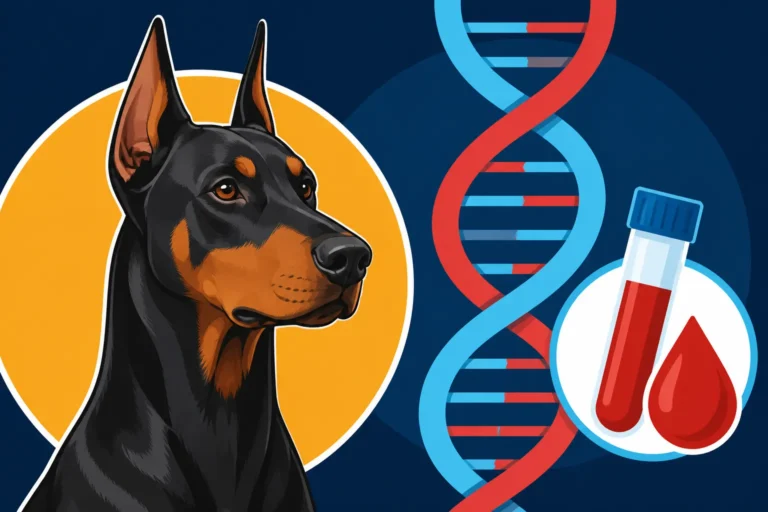
The DNA test for Von Willebrand Disease is a genetic test that identifies the specific mutation responsible for Type I vWD in Dobermans. This test is incredibly valuable because it's a "once-and-done" test. Your Doberman's genetic makeup won't change, so a clear result at any age means they are clear for life.
How it works: This test usually requires a simple buccal (cheek) swab, though some labs may request a blood sample. The sample is sent to a specialized genetics laboratory, which analyzes your dog's DNA for the presence of the vWD gene mutation. Companies like VetGen, Embark, or Canine HealthCheck offer comprehensive genetic panels that include vWD testing.
Advantages:
- Accuracy for Genetic Status: It definitively tells you if your Doberman is clear, a carrier, or affected by the vWD gene.
- Lifetime Result: Once tested, you never need to repeat it.
- Identifies Carriers: Crucial for breeders, as carriers can pass the gene even if they don't show symptoms.
- Peace of Mind: Knowing your Doberman's genetic status allows for informed decisions regarding breeding and medical care.
Disadvantages:
- Doesn't Predict Severity: While it identifies affected dogs, it doesn't always perfectly predict the severity of bleeding issues in Type I Dobermans. Some genetically affected dogs may have higher vWF levels than others, leading to less severe bleeding, while some carriers might have unusually low levels.
- Cost: While an investment, the cost of a Doberman genetic panel is minimal compared to the potential emergency vet bills. For more on what to expect, check out What a Doberman DNA Panel Costs.
The DNA test is an excellent foundational test for any Doberman owner, particularly useful for puppies or for long-term planning. For a deeper dive, read The Von Willebrand DNA Test for Dobermans.
The vWF:Ag Blood Test
Unlike the DNA test, the vWF:Ag (Von Willebrand Factor Antigen) blood test measures the amount of functional Von Willebrand factor protein present in your dog's blood at a specific point in time. This test gives a snapshot of your Doberman's current clotting ability and is often the preferred choice when preparing for immediate surgery.
How it works: This is a blood test, usually requiring a small sample drawn by your veterinarian. The sample is then sent to a diagnostic lab, which measures the concentration of vWF in the blood. The results are typically reported as a percentage compared to a normal reference range.
Advantages:
- Reflects Actual Clotting Ability: This test directly indicates how much vWF is available to help blood clot, which is paramount for assessing immediate surgical risk.
- Crucial for Pre-Surgical Screening: It helps your vet determine if your Doberman needs pre-operative intervention, even if a DNA test wasn't done or gave a "carrier" result with unknown severity.
- Provides a Functional Level: It bridges the gap where a DNA test might indicate "affected" but the actual bleeding risk is lower due to variable expression.
Disadvantages:
- Levels Can Fluctuate: vWF levels can be influenced by stress, age, inflammation, or other concurrent illnesses. A normal reading today might be different next month if your dog is unwell.
- Doesn't Identify Carriers Definitive: A normal vWF:Ag level doesn't rule out carrier status for the genetic mutation.
- Needs to Be Repeated: Because levels can fluctuate, if you're not doing a DNA test, this blood test might need to be repeated before different procedures.
This test is particularly useful right before surgery because it provides the most relevant information about the immediate risk of bleeding. If your Doberman is genetically "affected" but has a reasonably high vWF:Ag level, your vet might proceed with fewer prophylactic measures than if the level were critically low.
Here's a quick comparison of the two main tests:
| Test Type | What It Measures | Pros | Cons | Ideal Use Case |
|---|---|---|---|---|
| DNA Test | Presence of the vWD gene mutation | Once for life, identifies carriers & affected, highly accurate for genetic status | Doesn't predict severity of bleeding in Type I Dobermans | Breeding decisions, confirming genetic status for life |
| vWF:Ag Blood Test | Amount of functional vWF protein | Reflects actual clotting ability, crucial for immediate surgical risk assessment | Levels can fluctuate, needs to be repeated, doesn't identify carriers definitively | Pre-surgical screening, assessing current bleeding risk |
Timing and Interpretation
The timing of your Doberman's vWD testing is important. If you're doing a DNA test, it can be done at any age, even on puppies. This gives you a clear genetic picture early on. If you're relying on the vWF:Ag blood test for pre-surgical screening, it should ideally be performed relatively close to the planned surgery date to ensure the most accurate reflection of your Doberman's current clotting status. Typically, within a few weeks or days of the procedure is ideal.
Interpreting the results requires your veterinarian's expertise. Generally, vWF:Ag levels below 50% are considered abnormal and indicate an increased risk of bleeding. Levels below 20-30% are severely deficient. However, there's often a grey area, especially for Dobermans with levels in the 30-60% range. These "low-normal" Dobermans might still be at higher risk for bleeding during major surgery than a truly normal dog. Your vet will combine the test results with your Doberman's overall health, the type of surgery planned, and any prior history of bleeding to formulate the safest approach. Never hesitate to ask for a referral to a veterinary internal medicine specialist or a veterinary cardiologist if you have concerns, as they are experts in these complex cases.
Proactive Management for a vWD-Affected Doberman
Discovering your Doberman is positive for Von Willebrand Disease or has low vWF levels can be incredibly daunting, especially when surgery is on the horizon. But it’s not a dead end. Instead, it’s a call to action, allowing your veterinary team to implement proactive strategies that significantly mitigate the risks. With careful planning and informed decisions, your Doberman can still safely undergo necessary surgical procedures and live a full, happy life.
Pre-Surgical Protocols and Medications
The beauty of knowing your Doberman's vWD status is that your veterinary team can prepare well in advance. This preparation often involves specific medications and blood product considerations:
- Desmopressin Acetate (DDAVP): This is a synthetic hormone that can, in some Dobermans, temporarily increase the release of stored Von Willebrand factor from the body’s cells. It's often administered intravenously (IV) about 30 minutes before surgery. While it doesn't work for all vWD-affected dogs, it can be a highly effective prophylactic measure in those who respond, helping to improve clotting function just when it's needed most. Your vet may even do a "challenge test" to see if your Doberman responds to DDAVP before a planned surgery.
- Cryoprecipitate or Fresh Frozen Plasma (FFP): These are blood products rich in clotting factors, including vWF. If your Doberman has very low vWF levels or doesn't respond to DDAVP, transfusions of cryoprecipitate or FFP may be administered before, during, or after surgery to provide the missing clotting factor. Having these readily available can be life-saving. For significant procedures, your vet might even recommend pre-operative blood typing and cross-matching to ensure compatible blood is available in an emergency. This goes into topics like Transfusions for a Doberman With a Clotting Disorder.
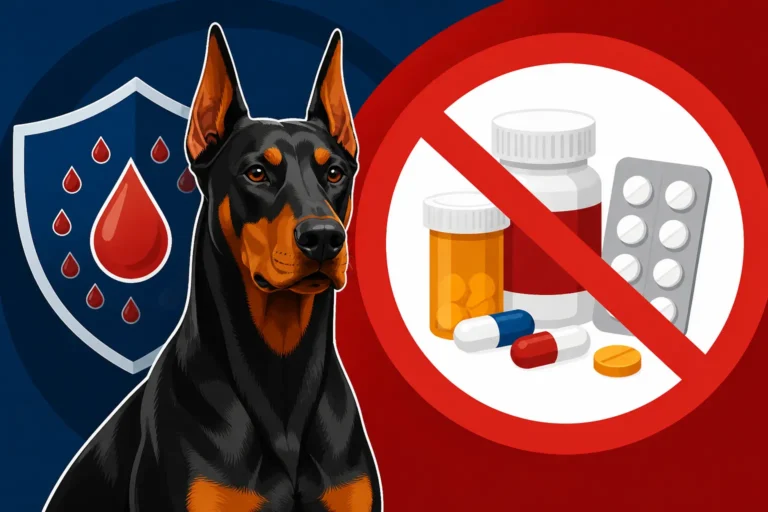
- Minimizing Other Bleeding Risks: Your vet will also advise avoiding any medications that can further impair clotting, such as NSAIDs (non-steroidal anti-inflammatory drugs) like carprofen or meloxicam, for several days leading up to surgery.
Surgical and Post-Operative Considerations
Even with pre-surgical preparations, the surgical procedure itself, and the immediate post-operative period, require extra vigilance for a vWD-affected Doberman.
- Gentle Surgical Technique: Surgeons will employ meticulous techniques to minimize tissue trauma and ensure careful hemostasis (controlling bleeding) throughout the procedure. Every cut and suture will be made with extra precision.
- Close Monitoring During and After Surgery: Your Doberman will be closely watched for any signs of excessive bleeding during surgery. Post-operatively, monitoring is paramount. The recovery period will involve vigilant observation for bruising, swelling, oozing from the incision, and signs of internal bleeding such as pale gums, weakness, or abdominal distention.
- Appropriate Pain Management: While NSAIDs are typically avoided pre-surgery, your vet will ensure your Doberman receives adequate pain relief using other classes of medication that don't interfere with clotting. This is a crucial conversation to have, as some common pain medications can pose a risk. Knowing Drugs a Doberman With Von Willebrand Should Avoid is vital for their well-being.
- Extended Hospital Stay: In some cases, a Doberman with vWD might require an extended stay at the veterinary hospital for continued monitoring, especially if they received blood products or are at high risk for delayed bleeding.
Navigating these complexities can be financially burdensome. This is where a robust pet insurance plan, like Healthy Paws, really shines. If you enrolled your Doberman before any vWD diagnosis, your policy could potentially cover a significant portion of the costs for specialized diagnostics, prophylactic treatments, blood transfusions, and extended post-operative care, providing invaluable support during a stressful time.
Living with a vWD Positive Doberman
While a positive vWD diagnosis can be alarming, it's important to understand that many Dobermans affected by the disease can lead relatively normal, full lives with proper management. It doesn't mean a life of constant fear, but it does mean a life of informed vigilance. In fact, many Dobermans with vWD often don't experience severe bleeding crises unless faced with major trauma or surgery. Our article Whether an Affected Doberman Lives Normally offers more insight into this.
Key aspects of living with a vWD-affected Doberman include:
- Informing All Veterinary Professionals: Always make sure every vet, vet tech, and emergency clinic that might treat your Doberman is aware of their vWD status. This should be clearly noted in their medical records.
- Emergency Preparedness: Have a plan for emergencies. Know where your nearest 24-hour veterinary emergency hospital is and ensure they have your Doberman's medical history on file, including their vWD status.
- Routine Care Considerations: Even routine procedures like nail trims need careful attention. Excessive quicking can lead to prolonged bleeding. Discuss any planned dental procedures with your vet well in advance, as these can also cause bleeding.
- Avoiding Risky Medications: Always consult your vet before giving any over-the-counter medications or supplements, as some can have blood-thinning effects.
Ultimately, testing your Doberman for Von Willebrand Disease before any surgery is an act of responsible pet ownership. It's about being prepared, empowering your veterinary team, and giving your beloved companion the best possible chance for a safe and successful outcome.
Disclaimer
The information provided in this article is for educational purposes only and is not a substitute for professional veterinary advice. Always consult with a qualified veterinarian regarding your Doberman's health and any specific medical concerns or before making any decisions about their care or treatment.