Whether Doberman Color Predicts Temperament
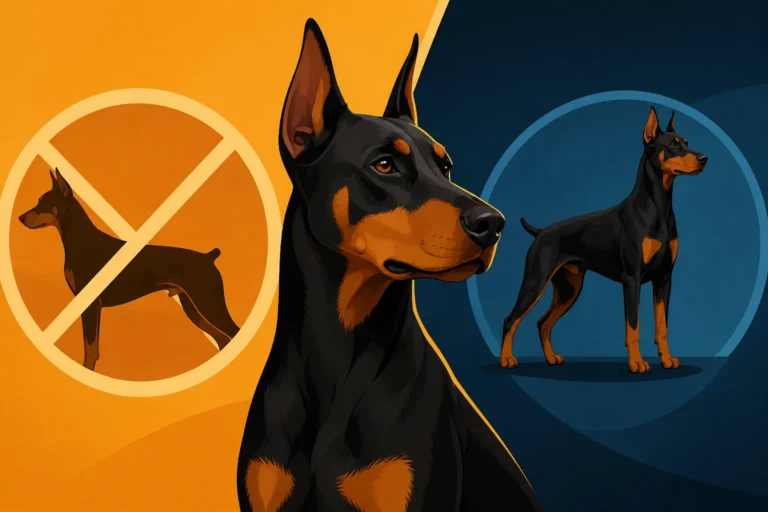
It's a common thought many Doberman enthusiasts, both new and old, grapple with: does the stunning coat color of a Doberman somehow influence their personality or temperament? We’ve all heard the whispers about "reds being softer" or "blues being more nervous," and it can be genuinely frustrating when you're trying to understand your beloved Dobe. This guide aims to thoroughly debunk these myths and dive deep into what truly shapes a Doberman's character, regardless of their beautiful hue.
The Kaleidoscope of Doberman Colors: More Than Just Aesthetics
When you think of a Doberman, a sleek black and rust dog likely springs to mind, marching with purpose. But the breed actually comes in a few distinct colors, each with its own visual appeal. It’s easy to get caught up in the visual, but understanding these colors from a genetic perspective is the first step to dispelling any temperament myths.
The Standard and Accepted Doberman Colors
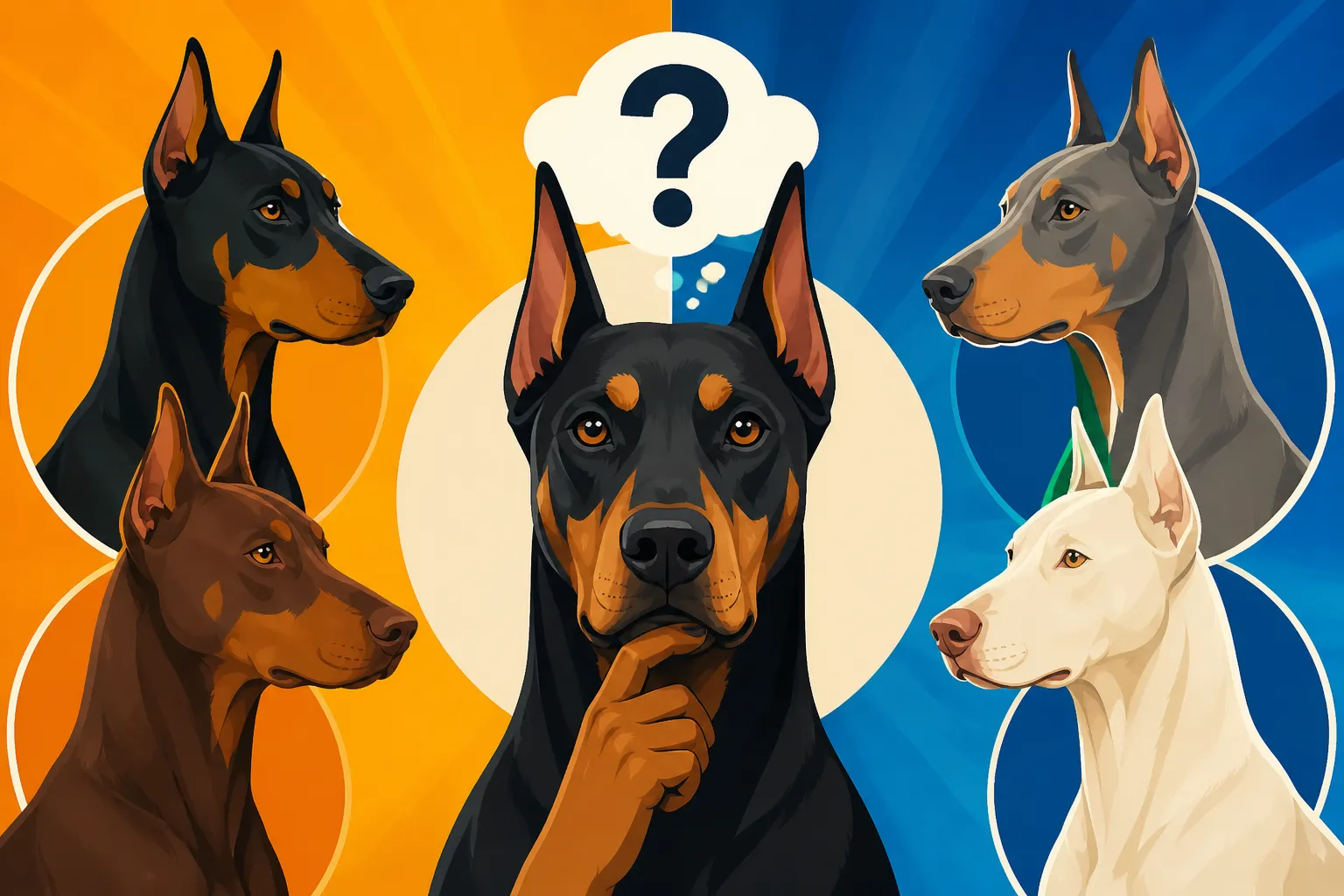
The American Kennel Club (AKC) standard recognizes four main Doberman colors, all with distinct rust markings: black, red, blue, and fawn (Isabella). The rust markings are usually found on the muzzle, throat, chest, legs, and above each eye, giving the Doberman that iconic, alert expression. These colors aren't just random; they’re determined by specific genetic markers.
Black and rust is the most prevalent and recognizable color. This is the dominant gene, the classic Doberman you see in movies and working roles. Red and rust is also quite common and equally stunning, with shades ranging from a rich, deep mahogany to a lighter, almost copper tone. Neither of these standard colors carries any known inherent health or temperament issues linked directly to the color itself. They are simply variations in coat pigmentation, like hair color in humans, and don't dictate what's going on inside your Doberman's head. When looking at reputable breeders, you'll find healthy, well-tempered dogs in both black and red, proving that responsible breeding for temperament transcends coat color.
The Dilute Colors: Blue and Fawn
Then we have the "dilute" colors: blue and fawn. These are essentially diluted versions of black and red, respectively. A blue Doberman is a genetically black dog where a "dilution gene" has turned the black pigment into a slate grey or blue. Similarly, a fawn Doberman (sometimes called Isabella) is a genetically red dog with the same dilution gene, turning the red into a pale, sandy beige. These colors are quite striking and often sought after for their rarity and unique look.
However, these dilute colors can be linked to certain dermatological issues, most notably Color Dilution Alopecia in Blue and Fawn Dobermans. This condition causes progressive hair loss, leading to thin, brittle coats and susceptibility to skin infections. It's crucial to understand that this is a health issue, not a temperament issue. A blue or fawn Doberman might require special skin care and diet, perhaps even specific shampoos or supplements you can find at a pet supply store like Chewy, but their underlying personality isn't determined by their blue or fawn coat. The frustration of dealing with a dog's skin issues can be significant for owners, but it's important not to conflate those health challenges with the dog's innate disposition.
The "White" Doberman: An Important Distinction
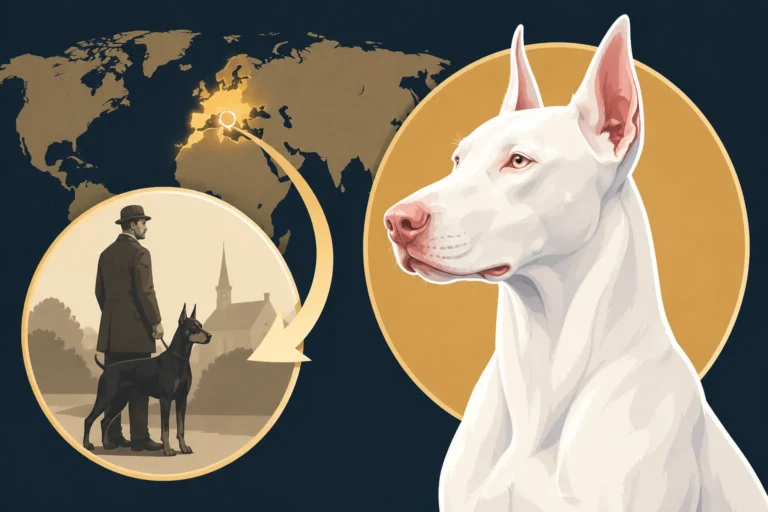
Beyond the four recognized colors, there's another variation often mistakenly called "white" Doberman. These dogs are actually albinos. They lack pigment in their skin, hair, and eyes, resulting in a cream-colored coat and often pale blue or even pink eyes. This isn't just a different coat color; it's a genetic mutation that impacts overall health, particularly vision and skin sensitivity. The AKC registers these dogs with a "Z" in their registration number, specifically to flag their albino status. You can learn more about this by reading The Z in a Doberman Registration Number.
Albino Dobermans often suffer from photosensitivity, meaning bright light can be painful for their eyes, and their skin is highly prone to sunburn and skin cancers. Again, these are significant health challenges that require diligent care and protection, but they do not inherently make an albino Doberman more aggressive, timid, or temperamental. Any behavioral quirks an albino Doberman might exhibit are far more likely to stem from discomfort, pain, or poor socialization due to their health vulnerabilities, rather than the color itself. For example, a dog in constant discomfort or one that struggles with vision might naturally be more reactive or withdrawn, but this is a result of their physical condition, not their "white" gene directly causing a bad temperament. For more on this, check out The White Doberman and Where It Came From.
Temperament: A Complex Tapestry, Not a Single Thread of Color
The idea that a dog's coat color dictates its personality is a deep-seated misconception that persists across many breeds, not just Dobermans. In reality, temperament is a complex interplay of genetics, early life experiences, socialization, training, and the environment.
Genetics, Environment, and Early Experiences Rule
When it comes to a Doberman's temperament, genetics play a foundational role, but not in the way many people think about color. The genes that influence behavior are distinct from those that determine coat color. A Doberman's inherent drives, nerve, confidence, and general disposition are passed down through generations, shaped by careful breeding choices focused on true temperament, not superficial aesthetics. Reputable breeders spend years selecting dogs for health, structure, and most importantly, stable and sound temperaments. They prioritize producing dogs that are confident, intelligent, and biddable.
Beyond genetics, a Doberman's environment, particularly during its crucial developmental stages, is paramount. A puppy’s exposure to new sights, sounds, people, and other animals between 8 and 16 weeks of age (often called the critical socialization period) profoundly shapes its adult personality. A black Doberman raised in isolation will likely be more fearful than a blue Doberman raised with extensive, positive socialization. This critical period is detailed in The Sixteen Weeks That Set a Doberman Up. Consistent, positive reinforcement training, providing mental stimulation through puzzle toys (easily found on Chewy's website), and ensuring proper physical exercise all contribute to a well-adjusted Doberman, regardless of what color coat they wear.
What the Doberman Breed Standard Says About Temperament
If you really want to understand the Doberman temperament, look to the breed standard. The AKC standard describes the Doberman's character as "energetic, watchful, determined, alert, fearless, loyal and obedient." It emphasizes a dog that is "fearless and self-confident." Noticeably absent from this description is any mention of color. The standard judges the quality of the Doberman's temperament, not the hue of its fur.
A Doberman's true colors, in terms of personality, shine through its actions and reactions, not its coat. A well-bred, well-socialized Doberman, whether black, red, blue, or fawn, should exhibit the core traits of the breed: intelligence, loyalty, and a strong desire to be with their people. Any Doberman that deviates significantly from this standard, becoming overly fearful, aggressive, or uncontrollably anxious, is likely suffering from poor breeding practices, inadequate socialization, or underlying health issues, none of which are directly caused by its coat color. For a deeper dive into the breed's ideal characteristics, read The Doberman the AKC Standard Describes and Doberman Temperament as the Standard Describes It.
How Reputable Breeders Prioritize Over Color
Responsible Doberman breeders understand that temperament is everything. They will tell you that a Doberman's health and disposition are far more important than its coat color. They meticulously research pedigrees, perform extensive health testing on their breeding stock (including cardiac, thyroid, and genetic tests for conditions like Von Willebrand disease), and observe their puppies closely to ensure they are producing sound, stable individuals. You can learn more about this crucial aspect by looking at The Health Testing a Doberman Breeder Must Show.
A breeder focused on ethical practices will never breed solely for a rare color if it means compromising temperament or health. If you encounter a breeder advertising puppies primarily based on their "rare" or "exotic" color (especially blue or fawn without discussing potential health implications, or an albino Doberman), proceed with extreme caution. True quality lies in the whole package – health, temperament, and adherence to the breed standard – not just a pretty coat. They understand that What a First Doberman Demands of Its Owner is primarily a stable temperament, not a specific color.
Debunking Common Misconceptions and Their Real Causes
The persistent myths about Doberman color and temperament often stem from misinterpretations, anecdotal experiences, and sometimes, unfortunate realities about specific genetic conditions.
The "Blue Doberman Syndrome" and Behavioral Issues
The most common temperament myth associated with color usually revolves around blue Dobermans, with some claiming they are inherently more nervous, shy, or even aggressive. This is often an unfortunate oversimplification. While blue Dobermans can be more sensitive, this sensitivity is usually a secondary effect of their genetic predisposition to Color Dilution Alopecia in Blue and Fawn Dobermans.
Imagine living with constant itching, dry skin, or recurring infections because your hair follicles are damaged. A dog experiencing chronic physical discomfort or pain is much more likely to be irritable, withdrawn, or reactive. Their behavioral issues aren't because the blue pigment itself causes nervousness, but because the associated health condition makes them uncomfortable. When a blue Doberman is healthy and well-managed for its skin, its temperament is no different from a black or red Doberman from the same lines, given similar upbringing and socialization. Owners might be spending more time and money on special skin products or a specific diet from a place like Chewy, but this is a medical necessity, not a reflection of personality.
The Albino Doberman: Health Overrides Color-Based Temperament
Albino Dobermans face unique challenges due to their lack of pigment. Their photosensitivity can make them uncomfortable or even fearful in bright environments. Imagine how you would feel if sunlight constantly hurt your eyes; you'd likely squint, avoid bright places, or even become defensive if someone tried to force you into them. This physical discomfort can manifest as behavioral issues.
An albino Doberman might appear shy or aggressive in bright light, not because their "white" gene codes for poor temperament, but because they are physically uncomfortable and perhaps even in pain. They require special considerations, such as living mostly indoors, wearing UV-protective gear outdoors, and often benefiting from a calm, predictable environment. These careful management strategies are essential for their welfare and can help prevent behavioral problems stemming from their physical vulnerabilities. It's about accommodating their needs, not blaming their color for a perceived "bad" personality.
Confirmation Bias and Anecdotal Evidence
Human nature often leads us to seek patterns, even where none exist. If someone has a blue Doberman with a timid personality, they might incorrectly conclude that all blue Dobermans are timid, reinforcing a myth. This is known as confirmation bias. Similarly, anecdotal stories spread quickly through dog communities, becoming "common knowledge" even without scientific basis.
It's crucial to look beyond these surface observations and consider the whole picture: the dog's genetic lineage, the quality of breeding, its early socialization, its health status, and its daily environment. Any Doberman, regardless of color, can develop behavioral issues if these foundational aspects are neglected. Conversely, a Doberman of any color, from a responsible breeder who prioritizes temperament and health, and raised in a loving, consistent home, is far more likely to be a stable, confident companion. This is why it's so important to Train a Doberman That Is Smarter Than You Expect and build a strong relationship with consistent, fair methods.
Nurturing a Well-Adjusted Doberman, No Matter the Shade
Ultimately, building a confident, well-behaved Doberman is about consistent effort, understanding, and love, applied equally across all colors.
The Cornerstone: Early Socialization and Training
From the moment you bring your Doberman puppy home, regardless of its color, early and positive socialization is key. Expose your puppy to a wide variety of people (different ages, genders, appearances), places, sounds, and experiences in a controlled, positive manner. Think about short, positive visits to a pet-friendly store like those that carry Chewy products, or walks in busy parks from a distance, gradually getting closer. Always ensure these experiences are positive and never overwhelming.
Consistent training, using positive reinforcement, helps build a strong bond and clear communication between you and your Doberman. Dobermans are highly intelligent and thrive on having a job to do. Engaging their minds with obedience, trick training, or even dog sports will help channel their energy productively and build their confidence. A well-socialized and well-trained Doberman is a joy to live with, a testament to good rearing, not a lucky draw on coat color. For help on this, consider resources like Building a Doberman Puppy That Is Confident, Not Sharp.
Consistent Care and a Stimulating Environment
Providing consistent care and a stimulating environment is vital for any Doberman. This includes a high-quality diet appropriate for their age and activity level, regular veterinary check-ups, and plenty of physical exercise. Dobermans are athletic dogs and need daily outlets for their energy, whether it's long walks, runs, or structured play sessions.
Mental stimulation is equally important. Rotate toys, use puzzle feeders, and engage in training sessions to keep their intelligent minds active. Bored Dobermans, regardless of color, can develop destructive behaviors. A healthy body and a healthy mind contribute directly to a stable temperament. Owners often find a wide variety of enrichment toys, durable chews, and high-quality food options through platforms like Chewy, making it easier to provide for their Doberman's needs.
The Interplay of Health and Behavior
It's critical to remember that underlying health issues can significantly impact a Doberman's behavior. A Doberman suffering from chronic pain, hormonal imbalances (like hypothyroidism), or even early stages of heart disease might exhibit changes in temperament such as irritability, lethargy, or anxiety. These aren't tied to coat color but rather to their physiological state. Regular veterinary care and being proactive about health screenings can help catch and address these issues early.
For instance, a Doberman with undiagnosed pain from an orthopedic issue might snap when touched, leading an owner to mistakenly label them "aggressive" or "nervous," when in reality, they are simply in discomfort. Paying close attention to your Doberman's overall well-being, providing a comfortable and safe living space, and addressing any health concerns promptly are the best ways to ensure a stable and happy companion. The color of their coat is merely a beautiful accessory to their incredible spirit.
Final Thoughts on Doberman Temperament and Color
In closing, the evidence is clear: Doberman coat color does not predict temperament. The true character of a Doberman is forged by a combination of responsible genetics from health-tested parents, comprehensive early socialization, consistent training, proper health care, and a loving, stimulating home environment. It's easy to get caught up in the visual appeal of a rare coat color, but a Doberman's inner qualities are what truly make them the intelligent, loyal, and fearless companions we cherish. Focus on nurturing the whole dog, and you'll find joy in your Doberman, no matter their magnificent shade.
| Doberman Color Category | Recognized by AKC | Common Temperament Myths | Real-World Considerations |
|---|---|---|---|
| Standard Colors | Black, Red | Generally none | No known color-linked health/temperament issues. |
| Dilute Colors | Blue, Fawn | Often labeled nervous, shy, or aggressive. | Higher risk for Color Dilution Alopecia (CDA), leading to skin discomfort that can indirectly affect behavior. Not inherently temperamentally flawed. |
| Albino | No (Registered with 'Z' code) | Often labeled nervous, fearful, or aggressive. | Lack of pigment causes photosensitivity and increased risk of skin issues, leading to physical discomfort that can indirectly affect behavior. Requires careful management. |
Disclaimer
This article is for general informational purposes only and does not constitute professional advice. Laws, prices and regulations vary by location and change over time. Consult a qualified professional for guidance on your specific situation.