Ear Care on an Uncropped Doberman
As a Doberman owner, you might be accustomed to the breed's iconic cropped ears, but a growing number of us are embracing their natural, floppy beauty. While uncropped ears are absolutely lovely, they come with a different set of care requirements than their upright counterparts, often leaving new owners scratching their heads about how to keep them healthy. This comprehensive guide will walk you through everything you need to know about caring for your uncropped Doberman's ears, from understanding their unique anatomy to preventing common issues and knowing when it's time to call the vet.
Understanding the Uncropped Doberman Ear
When you look at a Doberman with natural ears, you see a soft, triangular flap that hangs down, usually resting against the side of their head. This look is truly handsome and gives them a gentler appearance in many people's eyes. However, from a health perspective, this natural ear carriage creates a very different environment inside the ear canal compared to a cropped ear, which stands erect and open to the air. It’s not just an aesthetic difference; it’s a functional one that directly impacts how we need to approach ear care for our beloved Dobermans.
The Natural Ear Flap and Its Environment
The Doberman's natural ear flap, often referred to as a "drop ear" or "pendulous ear," acts a bit like a blanket over the ear canal. While this might seem protective, it also creates a warm, dark, and often moist environment. Think of it like a mini greenhouse for the ear canal. This sealed-off space significantly reduces air circulation compared to an open, cropped ear. Less air flow means moisture, which can come from bathing, swimming, or even just humidity in the air, doesn't evaporate as easily. This constant warmth and humidity, combined with the normal wax and debris produced by the ear, creates a perfect breeding ground for all sorts of microorganisms.
This isn't to say natural ears are inherently "bad," but they do require a more vigilant and consistent approach to hygiene. The skin inside the ear canal of a Doberman, like any dog, is delicate and sensitive. When it's constantly damp and warm, it becomes much more susceptible to irritation and infection. Understanding this fundamental difference is the first step in successful uncropped Doberman ear care. Without this insight, owners might inadvertently neglect the unique needs of these beautiful, floppy ears, leading to discomfort for their dog.
Air Circulation Challenges and Their Impact
The lack of proper air circulation is truly the root of many ear problems in dogs with pendulous ears, and Dobermans are no exception. Imagine trying to keep a damp towel dry if it was constantly folded over on itself in a warm room – that's essentially what's happening inside your Doberman's ear canal. The moisture lingers, and with it, the potential for problems escalates.
This stagnant, moist environment encourages the overgrowth of yeast and bacteria, which are naturally present in small numbers in a dog's ear. When their numbers get out of control, that's when you start seeing inflammation, itching, and infection. The ear canal can swell, further restricting airflow and making it even harder for the ear to heal or dry out on its own. Owners sometimes try to clean more aggressively when they notice an issue, but without addressing the underlying environmental factors, it can be a losing battle. It's why just simple wiping often isn't enough; we need to actively manage the moisture and microclimate. A Doberman with natural ears needs specific care that acknowledges these anatomical realities, aiming to counteract the conditions that favor microbial overgrowth.
Common Ear Problems in Uncropped Dobermans
Despite our best efforts, sometimes ear problems still crop up (no pun intended!). It’s crucial to know what you’re looking for so you can address issues quickly, before they become severe and cause your Doberman a lot of pain and discomfort. Uncropped Doberman ears are particularly susceptible to certain types of infections due to that warm, moist environment we just talked about.
Yeast Infections
Oh, the dreaded yeast infection! If you've ever owned a dog with floppy ears, you're probably all too familiar with the distinctive smell that accompanies a yeast overgrowth. Technically called Malassezia pachydermatis, this fungus is a normal resident in dog ears, but given the right conditions – like that warm, moist, poorly ventilated environment under an uncropped Doberman's ear flap – it can multiply rapidly.
You'll often notice a yeasty smell first, which many describe as sweet, musty, or even like corn chips or stale bread. Beyond the odor, the ear skin might look red, inflamed, and greasy. Your Doberman will likely be scratching vigorously at their ear, rubbing their head along furniture, or shaking their head constantly. There might be a brownish, waxy discharge, sometimes appearing crumbly or tar-like. It’s super important not to confuse this with regular ear wax; this is excessive and indicative of a problem. If left untreated, the inflammation can become chronic, thickening the ear canal skin and making future treatments even harder. Catching it early is key, and often requires a specific antifungal ear medication prescribed by your vet after they confirm it's yeast with a quick ear cytology.
Bacterial Infections
Bacterial infections are another common culprit, and they often go hand-in-hand with yeast infections or crop up as a secondary problem after an allergic flare-up. When the ear's natural defenses are compromised by moisture, irritation, or an initial yeast overgrowth, bacteria, such as Staphylococcus or Pseudomonas, can seize the opportunity to proliferate.
Unlike the often-brownish discharge of yeast, bacterial infections can produce a variety of discharges—yellow, green, or even pus-like. The odor tends to be much more foul and pungent, often described as rotten. The ear will be extremely painful to the touch, and your Doberman might cry out when you try to examine it. Swelling and redness are usually more pronounced than with just a yeast infection. These infections can be more serious and require specific antibiotics, sometimes in combination with anti-inflammatory medications. A veterinarian will typically take a sample from the ear for cytology to identify the type of bacteria and fungus present, and sometimes even a culture and sensitivity test to determine the most effective antibiotic. This targeted approach is crucial because using the wrong medication can make things worse or lead to antibiotic resistance.
Foreign Bodies and Allergies
Sometimes, the culprit isn't a microscopic organism but something physical that shouldn't be in the ear at all. Dogs, being dogs, love to stick their noses (and ears!) into all sorts of places, and grass awns, foxtails, or even tiny twigs can easily become lodged in the ear canal. For a Doberman with natural ears, the floppy flap can actually funnel these little invaders down into the ear, where they cause immense irritation. Your Doberman might suddenly start shaking their head violently, pawing at their ear, or tilting their head to one side. If you suspect a foreign body, it's an immediate trip to the vet, as attempting to remove it yourself can push it further in or damage the delicate ear structures.
Allergies, both environmental (like pollen, dust mites) and food-related, are another major underlying cause of recurrent ear infections in Dobermans. When a dog has allergies, one of the primary ways they manifest is through skin inflammation and itchiness, and the ears are often a hot spot. The allergic reaction causes the ear canal lining to become inflamed, itchy, and sometimes produce more wax, creating that perfect environment for secondary yeast or bacterial infections. It's a frustrating cycle: the allergy makes the ear prone to infection, the infection causes more discomfort, and then you treat the infection, but the underlying allergy remains. If your Doberman experiences chronic or recurrent ear infections, your vet will likely start discussing allergy management, which could involve diet changes (some owners explore limited ingredient diets or novel proteins found in brands like Ollie to see if food allergies are at play), antihistamines, or more advanced allergy testing and immunotherapy. Addressing the allergy is often the only way to truly break the cycle of recurring ear issues.
| Symptom | Possible Cause(s) | When to See a Vet Immediately |
|---|---|---|
| Strong, sweet/musty odor | Yeast infection | If discharge is heavy, dog is in pain, or no improvement with cleaning |
| Foul, pungent odor | Bacterial infection | Always, requires specific medication |
| Redness/Inflammation | Yeast, bacteria, allergies, foreign body | If severe, painful, or accompanied by discharge |
| Head shaking/Tilting | Infection, foreign body, ear mites, pain | If persistent, severe, or dog seems disoriented |
| Scratching/Pawing | Itching from infection, allergies, mites, foreign body | If skin is broken, bleeding, or constant |
| Dark, waxy discharge | Yeast, ear mites, normal build-up (excessive) | If excessive, smelly, or accompanied by other symptoms |
| Yellow/Green discharge | Bacterial infection | Always, indicates infection |
| Swelling of ear flap/canal | Severe infection, trauma, allergic reaction | Always, can indicate serious inflammation or abscess |
| Pain when touching ear | Infection, foreign body, trauma | Always, indicates significant discomfort |
Daily and Weekly Ear Hygiene Routine
Establishing a consistent ear hygiene routine is your absolute best defense against the common problems uncropped Doberman ears face. This isn't about being obsessive, but about being proactive and making ear care a regular, calm part of your Doberman's life. Trust me, it’s much easier to clean a healthy ear than to treat an infected one!
Gentle Cleaning Techniques
The goal of cleaning is to remove excess wax, debris, and any moisture that might be lingering, without causing irritation or pushing anything deeper into the ear canal. You'll want to aim for a routine of checking the ears daily, and a gentle cleaning once a week, or more frequently if your Doberman is prone to infections, swims often, or has noticeable wax buildup.
Here's how to do it:
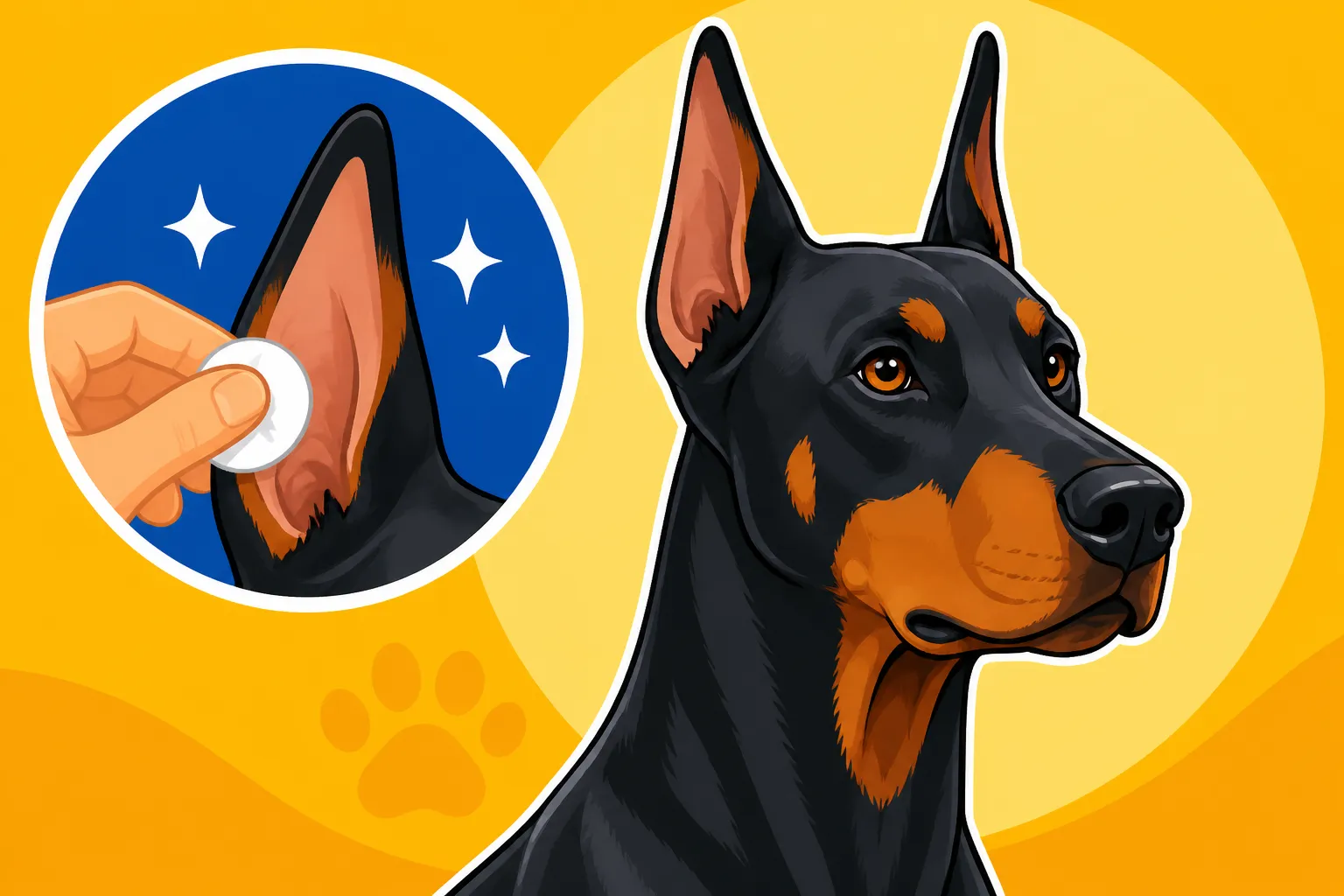
- Gather Your Supplies: You’ll need a good quality, vet-approved ear cleaning solution and some cotton balls or gauze pads. Resist the urge to use Q-tips, as they can push debris further into the ear and potentially damage the eardrum. You can find excellent ear cleaning solutions and cotton supplies on sites like Chewy or Amazon. Just make sure to pick one that is specifically formulated for dogs and preferably recommended by your veterinarian.
- Position Your Doberman: Find a comfortable spot where your Doberman feels relaxed. Having treats on hand helps! Gently hold the ear flap up to expose the entrance to the ear canal.
- Apply the Cleaner: Carefully squirt a generous amount of the ear cleaning solution into the ear canal until it's full. Don't be shy; you want the solution to penetrate deep.
- Massage the Base of the Ear: With the solution in the ear, gently massage the base of your Doberman's ear for about 30 seconds. You should hear a squishing sound, which means the cleaner is breaking up wax and debris. Your Doberman might enjoy this part, or they might tolerate it for the reward!
- Allow Your Doberman to Shake: Let go of the ear and stand back. Your Doberman will naturally want to shake their head, which helps to dislodge the loosened debris and bring it to the surface.
- Wipe Clean: Use a fresh cotton ball or gauze pad to gently wipe away any visible wax and debris from the outer ear flap and the entrance of the ear canal. Only wipe as far as your finger can comfortably reach. Remember, never insert anything deep into the ear canal.
Consistency is key here. Make it a positive experience with praise and treats, and your Doberman will learn to tolerate, and perhaps even enjoy, their ear cleaning sessions.
Tools and Products for Optimal Ear Health
Choosing the right products can make all the difference in maintaining your uncropped Doberman's ear health. It’s not just about cleaning; it’s about creating an inhospitable environment for those opportunistic yeasts and bacteria.
- Veterinary-Approved Ear Cleaners: These are formulated to be safe and effective for dogs. Many contain agents that help break down wax, dry out the ear canal, and acidify the environment, making it less welcoming for microbes. Look for ingredients like salicylic acid, boric acid, or witch hazel. Avoid alcohol-based solutions, as these can be too drying and irritating, especially if the ear is already inflamed. Your vet can recommend a specific brand or type that best suits your Doberman's individual needs.
- Cotton Balls or Gauze Pads: As mentioned, these are essential for wiping away debris. Stock up! You'll use more than you think. Again, these are readily available from general pet supply stores or online retailers like Amazon.
- Pet Wipes: For quick daily outer ear clean-ups, especially if your Doberman gets a little dirty on walks, pet wipes can be handy. Just ensure they are gentle, fragrance-free, and suitable for sensitive skin. They are not a substitute for a deep ear cleaning solution, but great for maintenance of the outer ear.
- E-collar (Cone of Shame): While not a cleaning tool, having an e-collar on hand is a smart idea if your Doberman ever develops an ear infection. It will prevent them from scratching and further irritating the ear, especially when you're not around to supervise. Preventing self-trauma is a big part of letting an ear heal.
A word on medicated products: if your Doberman has an active infection, your vet will prescribe specific medicated ear drops or ointments. Do NOT use these without a diagnosis, as using the wrong medication can mask symptoms, delay proper treatment, or contribute to antibiotic resistance. The goal of routine cleaning is prevention, not treatment of an active infection. When it comes to something like Ear Hygiene Once a Doberman's Crop Has Healed, even with cropped ears, routine maintenance is still important, but the challenges are different due to the open canal. For an uncropped Doberman, this detailed approach is absolutely vital.
Recognizing When to Seek Vet Care
Even with the most diligent routine, sometimes things go awry. Knowing the signs that warrant a trip to the vet, rather than trying to manage it yourself, can save your Doberman a lot of pain and prevent more serious complications. It's often tempting to think, "Oh, it's just a little scratch," but with ears, what seems minor can escalate quickly under that warm, floppy flap.
Odor, Redness, and Discharge
These are often the first, most obvious indicators that something isn't right inside your Doberman's ear. Trust your nose! If you catch a whiff of that distinctive sweet, yeasty smell, or a truly foul, pungent odor, it's time for a closer look and likely a vet visit. A healthy ear should have minimal odor, if any at all.
Beyond smell, visual cues are crucial. Gently lift your Doberman's ear flap and peek inside. Is the skin pink and healthy-looking, or is it alarmingly red and inflamed? Compare it to the other ear (if that one appears healthy) or to their normal skin color. Redness indicates irritation or inflammation. Then there's discharge. A tiny bit of light brown wax is normal, but if you see excessive dark brown, black, yellow, or greenish discharge, that's a red flag. If the discharge is heavy, sticky, or pus-like, it strongly suggests an infection that requires professional treatment. Don't try to clean out heavy, smelly discharge on your own and hope for the best; it's a sign that the infection is already established and needs specific medical intervention. This is particularly important because The Vet Bills a Doberman Runs Up Outside Screening can be significantly higher if a simple infection is left to fester and become chronic.
Pain, Head Shaking, and Pawing
If your Doberman is experiencing pain in their ears, they will certainly let you know, though sometimes subtly at first. Early signs of discomfort include an increase in head shaking, often more vigorously or frequently than usual. They might tilt their head to one side, perhaps trying to relieve pressure or get something out. You might also notice them pawing at their ear with their front paw or rubbing their ear along the carpet or furniture. These behaviors are clear indicators of irritation or pain.
More overt signs of pain include crying out when you touch their ear, flinching, or becoming unusually sensitive around their head. They might even try to snap or shy away, which is very out of character for a typically tolerant Doberman. If the infection is severe, they might become withdrawn, lethargic, or even lose their appetite – remember, A Doberman That Suddenly Stops Eating can be a sign of many issues, including severe pain from an ear infection. In very serious cases, if an inner ear infection develops, you might notice balance issues, walking in circles, or involuntary eye movements (nystagmus). Any of these more severe neurological signs are an emergency and require immediate veterinary attention. Don't delay; prompt diagnosis and treatment can make all the difference.
Preventative Measures and Lifestyle Adjustments
Prevention is always better than cure, especially when it comes to those sensitive Doberman ears. Beyond the regular cleaning routine, there are several lifestyle adjustments and preventative measures you can implement to keep those uncropped ears healthy and happy.
Diet's Role in Ear Health
It might sound strange to link diet to ear health, but it's a huge piece of the puzzle, especially for Dobermans prone to recurrent ear issues. Many chronic ear infections, particularly those that keep coming back despite treatment, have an underlying allergic component. And often, these allergies are triggered by something in their food.
Food allergies or sensitivities can manifest as skin inflammation and itchiness, with the ears being a prime target. If your Doberman constantly battles ear infections, it's worth discussing a dietary trial with your veterinarian. This usually involves switching to a novel protein diet (one your dog has never eaten before, like duck, venison, or kangaroo) or a hydrolyzed protein diet, where the protein is broken down into molecules too small to trigger an allergic reaction. Brands like Ollie often offer novel protein options that can be considered for such trials, under veterinary guidance. The idea is to eliminate common allergens (like chicken, beef, or certain grains) for several weeks and then slowly reintroduce them to identify the culprit. It's a commitment, but for many dogs, finding the right diet can dramatically reduce ear inflammation and the frequency of infections. Paying attention to Feeding an Eighty-Pound Doberman Well isn't just about weight and energy; it's about overall health, including skin and ear integrity.
Swimming and Moisture Management
Dobermans, especially young ones, often love to swim. It's fantastic exercise, but it's also a major contributor to ear infections in dogs with floppy ears. The water gets trapped in that covered ear canal, creating the perfect warm, moist incubator for yeast and bacteria.
If your Doberman is a water lover, or even just gets a good soaking during a bath, meticulous post-water ear care is non-negotiable. Immediately after swimming or bathing, thoroughly dry the outer ear flap with a soft towel. Then, use an ear drying solution designed for dogs. These solutions typically contain agents that help evaporate moisture from the ear canal quickly, reducing the risk of microbial overgrowth. Simply squirt it into the ear canal, massage the base, and let your Doberman shake. This extra step takes only a minute or two but can make a world of difference in preventing an uncomfortable ear infection. Don't let your Doberman's love for splashing turn into an earache!
Regular Check-Ups and Grooming
Even if you're a pro at at-home ear care, regular veterinary check-ups are essential. Your vet can perform a thorough otoscopic exam, looking deep into the ear canal and at the eardrum, which you can't do at home. They can spot subtle signs of inflammation or issues before they become major problems. If your Doberman has a history of ear infections, your vet might recommend more frequent check-ups or preventative treatments.
Beyond vet visits, integrate ear health into your overall grooming routine. When you're brushing your Doberman's short, sleek coat (and even for issues like Hair Loss on a Blue Doberman, skin and coat health are interlinked), take an extra minute to lift their ear flaps and just look inside. Are there any new lumps, bumps, redness, or discharge? Give them a gentle sniff. Familiarize yourself with what a healthy ear looks and smells like, so you can quickly identify any changes. If you ever need to give your Doberman a medicated bath for skin issues, remember that keeping water out of the ears is paramount, or follow up with a drying solution – just like you would for Medicated Baths for a Doberman With Coat Loss. Good grooming isn't just about aesthetics; it's a vital part of preventative health care for your Doberman.
Disclaimer
This article is for general informational purposes only and does not constitute professional advice. Laws, prices and regulations vary by location and change over time. Consult a qualified professional for guidance on your specific situation.