Why a Doberman Is Never Fed One Big Meal
It's incredibly tempting, especially with our busy lives, to just fill up our Doberman's bowl once a day and call it good. After all, it seems simpler, right? But for Dobermans, feeding them one giant meal a day isn't just a minor dietary oversight; it can be a genuinely dangerous practice that puts their health and even their life at risk. This guide is going to break down exactly why a single, large meal is a bad idea for your Dobe and what you can do instead to keep them healthy and happy.
The Grave Risk of Gastric Dilatation-Volvulus (Bloat)
When we talk about Dobermans and feeding, the first and most critical concern that comes to mind for any responsible owner is Gastric Dilatation-Volvulus, more commonly known as bloat or GDV. This isn't just a tummy ache; it's a life-threatening emergency where your dog's stomach fills with gas, twists, and cuts off blood supply. It's terrifying, progresses incredibly fast, and Dobermans, unfortunately, are statistically much more prone to it than many other breeds.
Why Dobermans Are Especially Susceptible to Bloat
Dobermans have that distinct, elegant, deep, and narrow chest conformation that we admire. It's part of their breed standard, but it's also a significant anatomical risk factor for bloat. Imagine a balloon hanging in a tall, narrow closet. If it suddenly inflates, it has a lot of room to swing and twist. That's a bit like what happens with a Doberman's stomach. A large volume of food and air in that stomach, especially if followed by activity, can act as a pendulum, increasing the likelihood of it twisting. It's a cruel twist of genetics for a breed already facing health challenges like The Heart Disease That Reaches Most Dobermans.
A large meal, consumed quickly, means a significant amount of food and often swallowed air are sitting in the stomach at one time. This sudden distention, particularly if combined with vigorous exercise, stress, or even just rolling around, can precipitate a gastric torsion. It’s not a guarantee, of course, but you’re essentially loading the dice against your beloved Doberman with this feeding practice. You might think, "My dog eats slowly," but even then, the sheer volume can be an issue.
It's a terrifying scenario to consider: one moment your Doberman is fine, the next they're pacing, retching, and their abdomen is visibly distended. Speed is of the essence in these situations. If you ever see signs of bloat, you need to get to an emergency vet immediately. Knowing how to recognize it could mean the difference between life and death. Read more about Recognizing a Doberman Stomach Twist in Time to be prepared.
How One Big Meal Increases Bloat Risk
When your Doberman eats a large meal, their stomach is stretched to its maximum capacity. This distension alone can put pressure on the ligaments that hold the stomach in place. If they then run, jump, or even drink a lot of water shortly after, that heavy, distended stomach can easily flip over. Think of it like a full sack swinging wildly – it’s far more likely to tangle than an empty one.
Furthermore, a large meal can lead to excessive gas production as food ferments in the stomach. This gas has nowhere to go if the stomach twists, causing even more pressure and pain. Many Doberman owners who have experienced bloat will tell you that it often happened after a large meal, or after exercise shortly after a meal. It's not just about what they eat, but how and when they eat it. This is why vets often recommend feeding multiple smaller meals throughout the day and ensuring a period of rest before and after eating.
Preventative measures, like a surgical procedure called gastropexy, where the stomach is tacked to the abdominal wall, are often discussed for Dobermans. While it doesn't prevent dilation (the stomach filling with gas), it can prevent the fatal twisting (volvulus). Many owners choose to have this done when their Doberman is already undergoing another surgery, such as a spay or neuter. It’s a serious decision, but one born from the very real and devastating threat of bloat. You can learn more about Tacking a Doberman's Stomach While It Is Under if you're considering this option.
Optimal Digestion and Nutrient Absorption
Beyond the immediate, life-threatening risk of bloat, feeding one large meal to your Doberman can also compromise their day-to-day digestive health and their ability to properly absorb nutrients. Dobermans are lean, athletic dogs that need consistent energy and nutrient uptake to maintain their powerful physique and active lifestyle.
The Digestive Strain of a Single, Large Meal
Imagine eating a huge Thanksgiving dinner every single day. Your digestive system would be working overtime, constantly overloaded. It's similar for your Doberman. When a massive amount of food hits their stomach all at once, their body has to produce a huge surge of digestive enzymes and acids to break it all down. This can be less efficient than smaller, more manageable loads.
An overloaded digestive system might struggle to extract all the necessary nutrients from the food. This means your Doberman might not be getting the full benefit of their expensive, high-quality kibble or fresh food, simply because their body can't process it effectively in one go. Over time, this could lead to deficiencies or just suboptimal health, affecting their coat, energy levels, and even immune function.
It can also lead to more gas, discomfort, and inconsistent stool quality. You might notice your Doberman seems more lethargic after eating, or has looser stools. These can be subtle signs that their digestive system is being strained. A truly well-fed Doberman with a properly managed diet will have consistent energy, a gleaming coat, and firm, healthy stools.
Maintaining Stable Energy Levels and Blood Sugar
Dobermans are naturally energetic dogs, often involved in demanding activities like obedience, agility, or protection sports. They need a steady supply of energy throughout the day. A single large meal can lead to a rapid spike in blood sugar, followed by a crash. This roller-coaster effect can make them feel sluggish, irritable, or overly hungry later in the day.
Think about how you feel after eating a massive meal. You might get a temporary burst of energy, but then the "food coma" hits, and you feel tired and slow. For an active Doberman, this isn't ideal for training, play, or just being an alert family member. Multiple smaller meals help to keep their blood sugar levels more stable, providing a consistent energy supply.
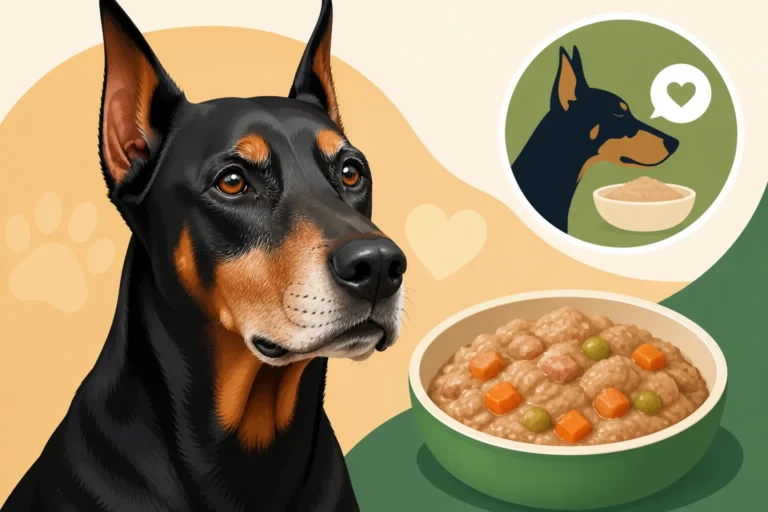
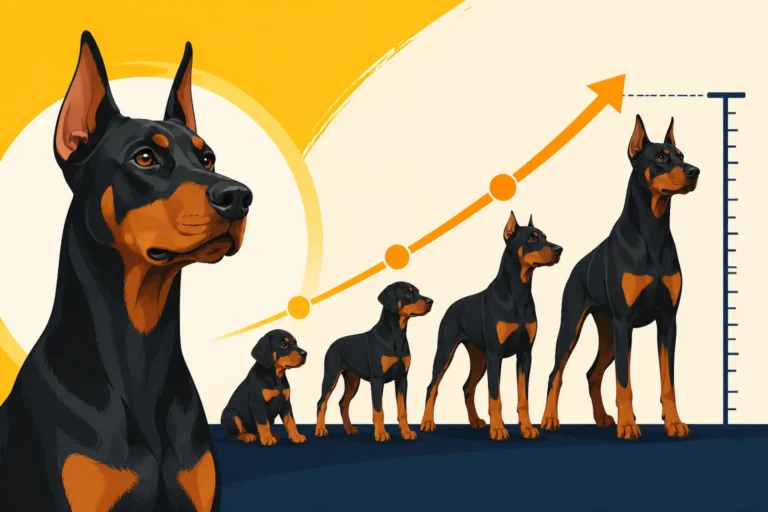
This stability is particularly important for puppies undergoing rapid growth, where consistent nutrition is vital. Feeding a Doberman Puppy Through a Fast Growth Curve is crucial for healthy development, and that certainly doesn't involve one meal a day. Even for adult Dobermans, maintaining an ideal body condition means precise Daily Calories for an Adult Doberman spread out over the day.
Practical Strategies for Multi-Meal Feeding
So, you understand why one big meal is a no-go. Now, let's talk about how to implement a multi-meal feeding strategy that works for you and your Doberman. It's simpler than you might think and can greatly reduce risks while improving their overall well-being.
How Many Meals and When?
Most veterinarians and Doberman breeders recommend feeding adult Dobermans two to three meals per day. For puppies, it’s often three to four meals daily, gradually reducing to two as they mature. The key is to divide their total daily food allowance into these smaller portions.
A common schedule might look like this:
- Morning meal: Shortly after waking up, but before any vigorous exercise.
- Mid-day meal (optional for adults, common for puppies): If your schedule allows, a small meal around lunchtime can be beneficial, especially for younger, more active Dobermans or those prone to being underweight.
- Evening meal: Several hours before bedtime, ensuring enough time for digestion before they settle down for the night. This timing also avoids their stomach being full during the longest period of inactivity, further reducing bloat risk.
| Feeding Schedule | Pros | Cons |
|---|---|---|
| One Large Meal/Day | Convenience for owner | High bloat risk, digestive strain, blood sugar spikes/crashes, suboptimal nutrient absorption, increased hunger |
| Two Meals/Day | Reduced bloat risk, improved digestion, more stable energy, better nutrient use, common practice | Still requires some planning, might not be enough for very active or growing dogs |
| Three Meals/Day | Lowest bloat risk, excellent digestion, very stable energy, consistent nutrient uptake, ideal for puppies and highly active adults | Requires more commitment/planning from owner, may not fit all schedules |
Remember, your Doberman should always have a quiet period of rest for at least an hour before and after meals. This "no vigorous activity" rule is paramount for bloat prevention. Avoid rough play, running, or high-intensity training immediately around meal times. Meal Timing on a Deep-Narrow Doberman Chest is an incredibly important aspect of their care.
Tools and Tips for Easier Multiple Meals
Making multiple meals work for your schedule doesn't have to be a huge hassle. There are plenty of tools and tricks to help:
- Slow Feeder Bowls: If your Doberman tends to gobble their food down too fast, a slow feeder bowl is a game-changer. These bowls have obstacles or mazes that force your dog to eat around them, significantly slowing down their intake of food and air. You can find a huge variety of these bowls on platforms like Chewy or Amazon, ranging from simple designs to more complex interactive feeders.
- Automatic Feeders: For those mid-day meals when you're at work, an automatic feeder can be a lifesaver. You can program it to dispense a pre-measured portion at a specific time. This ensures consistency even when you're not home.
- Interactive Food Toys/Puzzles: Instead of just a bowl, consider feeding one of their smaller meals in a Kong, snuffle mat, or other puzzle toy. This not only slows down eating but also provides mental stimulation, which is crucial for a smart breed like the Doberman. You can find excellent options for these on Amazon.
- Meal Prepping: If you feed a fresh or raw diet, prepping your Doberman's meals for the week in individual containers can save a lot of time daily. Some fresh food brands, like Ollie, even deliver pre-portioned meals that are easy to divide further if needed.
By implementing these strategies, you’re not just preventing a potentially fatal condition; you're also optimizing your Doberman’s daily nutrition and overall quality of life. It’s a small adjustment that makes a monumental difference for this magnificent, yet susceptible, breed.
Disclaimer
This article is for general informational purposes only and does not constitute professional advice. Laws, prices and regulations vary by location and change over time. Consult a qualified professional for guidance on your specific situation.