The Age a Doberman Reaches Full Height
It’s a common moment for Doberman owners, especially those with their first puppy: you look at your gangly, energetic youngster, still growing seemingly by the day, and wonder, "When will this magnificent creature finally stop sprouting up?" It’s a natural curiosity, fueled by the desire to understand their development and ensure they’re reaching their full potential. This guide is here to walk you through the fascinating growth journey of your Doberman, from their initial explosive puppy phase to the moment they finally stand tall and proud as a fully matured adult, filling out their impressive frame.
Understanding the Doberman's Rapid Growth Phase
Dobermans, like many large and giant breeds, experience an incredibly rapid growth spurt in their early months. It's a period of dramatic change where they go from a tiny bundle of paws and ears to a lanky, adolescent powerhouse in what feels like the blink of an eye. This intense initial phase lays the foundation for their adult size and overall health.
The Initial Surge: Puppy to Adolescent
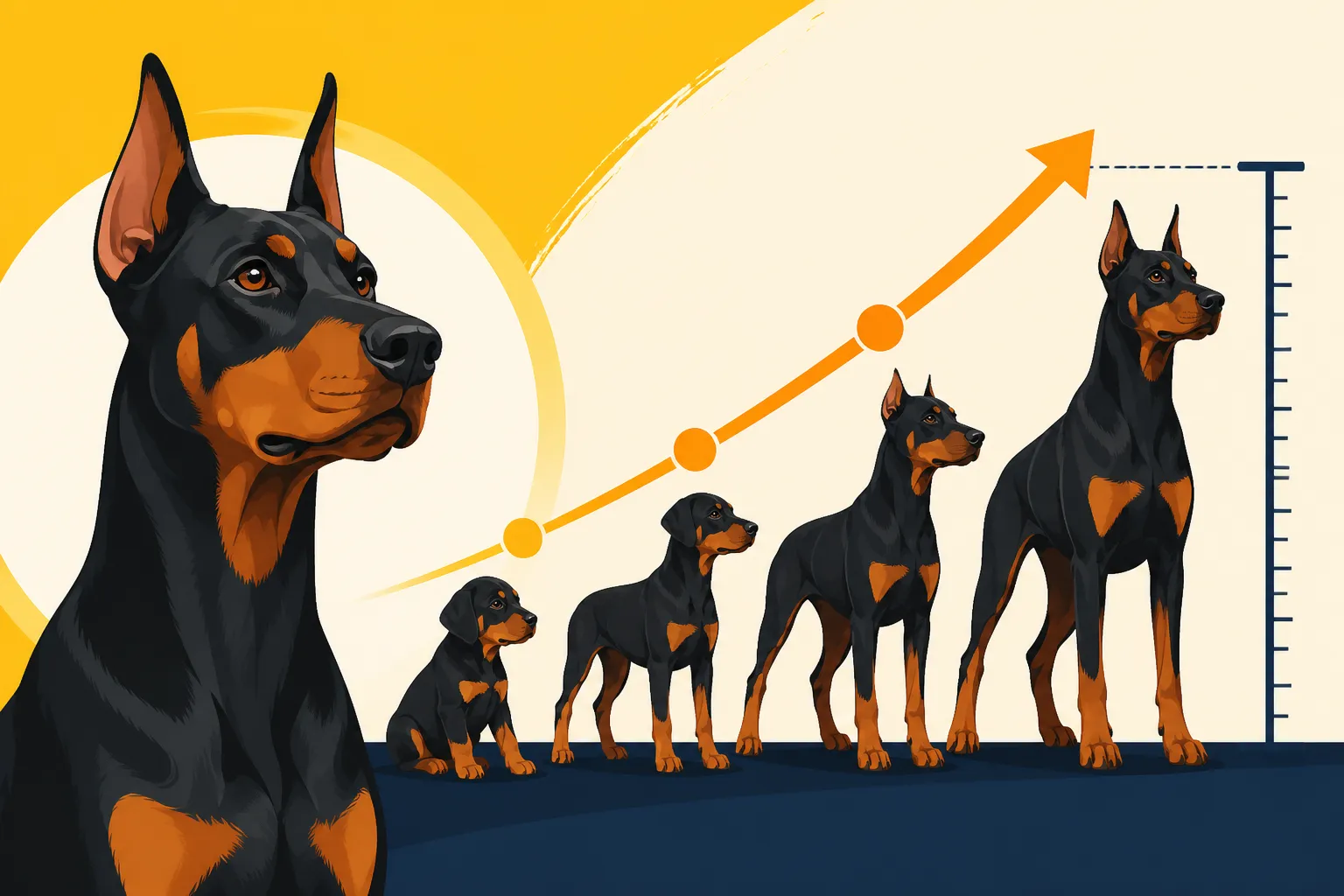
From birth until about six months of age, your Doberman puppy is a growth machine. This is when the majority of their vertical growth – the increase in their height at the shoulder – occurs. You'll literally watch them grow out of collars and harnesses almost weekly! Their bones are lengthening at an astonishing rate, pushing them upward. Think of it like a plant shooting up towards the sun; it's all about getting tall first. This period is absolutely critical for proper skeletal development. Providing the right nutrition is paramount; we're talking about diets specifically formulated for large breed puppies that ensure a balanced intake of calcium and phosphorus to support strong bone growth without encouraging growth that's too fast, which can actually be detrimental to developing joints. You don't want to rush this process. Look for brands that focus on slower growth for large breeds. For specific guidance on what to feed during this time, you might find valuable information in our article on Feeding a Doberman Puppy Through a Fast Growth Curve.
During this initial surge, a Doberman puppy often looks quite disproportionate. They might have enormous paws, a long, whip-like tail, and a seemingly endless length of leg, all topped off with a head that hasn't quite caught up yet. This "awkward teenager" phase is completely normal. Their bodies are focusing all energy on lengthening bones and organs. It’s a delicate balance, as their rapidly developing joints are also vulnerable to injury if overstressed. Excessive jumping, long runs on hard surfaces, or repetitive impact activities should generally be avoided until their growth plates have closed, usually after a year of age.
The Slowing of Vertical Growth
As your Doberman approaches roughly 10 to 14 months of age, you'll likely notice that the dramatic upward growth starts to taper off. They might still gain a little height here and there, but the most significant vertical gains are usually behind them by this point. It's a subtle shift, but one that marks the transition from primarily growing up to beginning to grow out. While the growth in height slows, it doesn't mean their physical development is complete. Far from it! Instead of focusing on getting taller, their body starts to focus its energy elsewhere.
This slowing of vertical growth is a sign that their growth plates, the soft areas of cartilage at the ends of long bones, are beginning to ossify or harden into solid bone. Once these growth plates close, no further lengthening of those bones can occur, meaning their maximum height has been reached. However, a Doberman at 14 months, while perhaps at his adult height, will still look quite lean, almost gangly. The width and depth of their chest, the musculature along their back, and the overall substance of their frame are still very much under construction. It's a phase where they start to become more coordinated, losing some of that puppy clumsiness as their brain catches up with their long limbs.
When Dobermans Truly Reach Their Adult Stature
Reaching "full height" is often just the first milestone in a Doberman's journey to full maturity. True adult stature encompasses not only their height but also their overall body mass, muscle definition, and the breadth of their chest. This "filling out" period is just as crucial, if not more so, for the impressive and powerful physique Dobermans are known for.
The Filling Out Period
Once your Doberman has largely achieved their adult height around 12-18 months, they enter a new phase of development: the "filling out" period. This is where they gain muscle mass, increase bone density, and their chest deepens and widens. A Doberman who is 18 months old might be the same height as an adult, but they will likely look much leaner and less substantial than a two or three-year-old Doberman. This process of gaining substance and definition can continue until they are two, sometimes even three years old, particularly for male Dobermans. Their head will also broaden and fill out, completing their striking profile.
This phase requires continued attention to their diet, ensuring they receive adequate protein and healthy fats to support muscle development, along with a consistent exercise routine that builds strength without excessive strain. Think about how a young adult human often looks lanky in their late teens but fills out more in their early twenties. It's a similar principle for Dobermans. You'll notice their rib cage becoming more sprung, their neck thickening, and their hindquarters developing powerful musculature. This is the stage where they truly transform into the majestic and powerful dogs we envision. Keeping an eye on The Weight Range a Doberman Should Hold is important during this time to ensure healthy development.
Factors Influencing Final Size
Several key factors play a significant role in determining the final size and stature your Doberman will achieve:
- Genetics: This is arguably the biggest influence. The size of your Doberman’s parents and their lineage will give you the best indication of their potential adult size. European Dobermans often have a slightly heavier bone structure and broader build compared to their American counterparts, which can sometimes mean they take a bit longer to fully fill out. For more on these differences, check out How a European Doberman Is Built Differently. Reputable breeders will be able to show you the parents and even grandparents, giving you a visual idea of what to expect.
- Nutrition: A consistent, high-quality, and balanced diet throughout their growth phases is essential. Underfeeding can stunt growth, while overfeeding, especially with too much calcium in puppyhood, can lead to orthopedic problems. It's not about making them grow faster, but about providing the right building blocks for healthy development. Products available on platforms like Chewy or Ollie that are specifically formulated for large breed puppies and adolescents can be excellent choices. These foods are designed to support a slower, more controlled growth rate beneficial for large bones and joints.
- Exercise: Appropriate exercise is crucial. Too little exercise can lead to weak muscles and obesity, while too much high-impact activity on developing joints can cause long-term damage. Controlled walks, gentle play, and swimming are excellent options for growing Dobermans. Avoid forced running, excessive jumping, or agility training until their growth plates have fully closed. Learning about Protecting a Growing Doberman's Joints is key.
- Overall Health: Any significant illness or chronic health issue during crucial growth periods can potentially impact a Doberman's final size and development. Regular veterinary check-ups are important to catch any potential issues early.
A Doberman male will typically stand between 26 to 28 inches at the shoulder, while females are usually 24 to 26 inches. These are general guidelines, and individual variations are common. Our article on The Twenty-Eight Inch Ceiling on a Doberman Male goes into more detail about these standards.
Monitoring Your Doberman's Growth and Health
As a Doberman owner, you become accustomed to watching your dog like a hawk for signs of health and happiness. When it comes to growth, this vigilant eye is even more important to ensure they are developing properly and that any potential issues are caught early.
What to Look For and When to Consult a Vet
Monitoring your Doberman's growth isn't just about measuring their height. It's about observing their overall condition, energy levels, and how they carry themselves. Here's what you should be looking for:
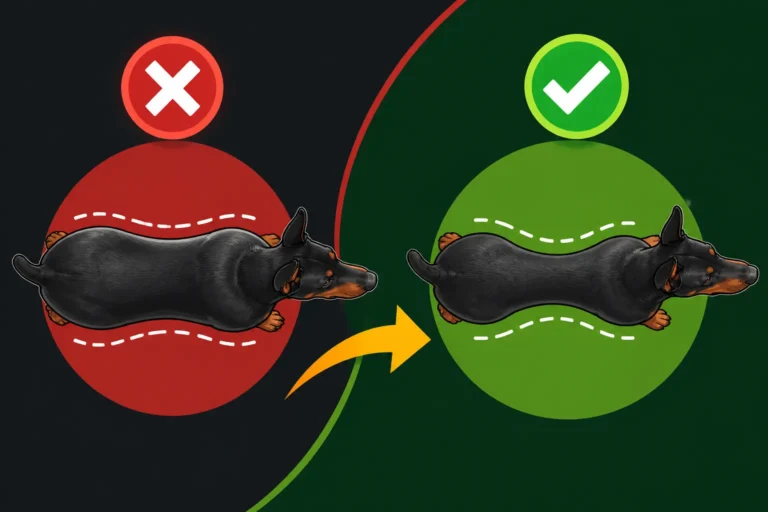
- Body Condition Score: This is more important than a number on a scale. You should be able to easily feel your Doberman’s ribs without seeing them protruding sharply. They should have a visible tuck-up at their waist when viewed from the side and an hourglass shape when viewed from above. If ribs are too prominent, they might be underweight; if you can't feel them at all, they might be carrying too much weight, which is incredibly detrimental to their developing joints.
- Energy Levels: A healthy Doberman puppy or adolescent should be energetic and playful. A sudden drop in energy or persistent lethargy could be a sign of an underlying health issue.
- Gait and Movement: Observe how your Doberman walks and runs. Any lameness, stiffness, or reluctance to move should be noted. Remember, their bodies are still forming, and proper movement is essential.
- Appetite and Thirst: Changes in eating or drinking habits can also be indicators of health.
- When to Consult a Vet:
- If your Doberman appears significantly undersized or oversized for their age compared to typical breed standards or their littermates.
- If you notice any limping, stiffness, or unusual gait.
- If there are sudden changes in appetite, energy, or overall demeanor.
- If their body condition is either too thin or too heavy. Your vet can use charts and physical examination to confirm healthy development. They are your best resource for individual concerns.
You can also use tools like a dog height measuring stick (easily found on Amazon) to track their progress, but always remember that a healthy, happy dog is more important than hitting exact numbers on a chart.
Supporting Joint and Bone Health During Growth
Given their rapid growth and predisposition to certain orthopedic issues, providing optimal support for your Doberman's joints and bones is non-negotiable.
- Balanced Diet is King: As mentioned, a diet specifically formulated for large breed puppies is crucial. These foods have carefully controlled calcium and phosphorus levels to prevent conditions like osteochondritis dissecans (OCD) and hip/elbow dysplasia. Avoid adding extra calcium supplements unless specifically directed by your vet. For information about general caloric needs, refer to Daily Calories for an Adult Doberman.
- Controlled Exercise: Protect those delicate growth plates! Avoid activities that involve repetitive jumping, sharp turns, or hard landings until your vet confirms that their growth plates have closed (typically around 12-18 months). This means no intense agility, flyball, or long-distance running on pavement in their first year. Gentle walks, supervised play on soft surfaces, and swimming are excellent, low-impact ways to build muscle and stamina. Whether a Doberman Puppy Should Run on Pavement is a must-read.
- Weight Management: Keeping your Doberman lean during their growth phase is one of the best things you can do for their joints. Excess weight puts immense strain on developing bones and cartilage, increasing the risk of future orthopedic problems.
- Joint Supplements (Vet Recommended): While a balanced diet should provide most necessary nutrients, some vets may recommend specific joint supplements (like glucosamine and chondroitin) for large breeds, especially those with a family history of joint issues or particularly fast growth. Always consult your vet before adding any supplements to your Doberman’s diet. Products from Chewy might offer a variety of choices, but veterinary guidance is paramount.
Doberman Growth: A Detailed Timeline and Expectations
Understanding the general timeline can help manage your expectations and ensure you're providing the right care at each stage of your Doberman's development. Remember, every dog is an individual, and there will always be variations.
A Month-by-Month Overview (Approximate)
It's helpful to visualize the typical progression, even knowing that these are averages. Please treat this table as a guideline, not a strict rule. Your Doberman might deviate from these numbers and still be perfectly healthy.
| Age (Approx.) | Primary Development Focus | General Observations | Height (% of Adult) | Weight (% of Adult) |
|---|---|---|---|---|
| 0-3 Months | Rapid initial growth, bone lengthening, basic motor skills | Explosive weight gain, very clumsy, high sleep needs, exploring the world. | 30-50% | 15-30% |
| 3-6 Months | Continued rapid height growth, increasing coordination | Lanky, awkward phase, losing puppy fuzz, growing into paws, high energy. | 50-75% | 30-50% |
| 6-12 Months | Significant height gains complete, start of 'filling out' | Reaching near adult height, still lean, testing boundaries, adolescent behaviors. | 80-95% | 50-75% |
| 12-18 Months | Height usually reached, primary 'filling out' begins | More coordinated, starting to build muscle, chest depth increasing, becoming more adult-like. | 95-100% | 75-90% |
| 18-24 Months | Continued filling out, muscle development, maturity | Gaining significant muscle and substance, chest deepening, reaching physical prime. | 100% | 90-100% |
| 24-36 Months | Final maturation, full substance and density | Reaching full physical maturity, peak muscle definition, solidifies adult appearance. | 100% | 100% |
Remember that a Doberman will typically reach their full height before they reach their full weight and muscle mass. Many owners find their Doberman looking a bit "thin" or "underweight" at 12-18 months, even if they are at a healthy weight. This is often because they haven't filled out yet. It's a journey, not a sprint!
American vs. European Doberman Growth Patterns
While all Dobermans are beautiful and share similar growth patterns, there can be subtle differences between the American and European lines due to differing breeding philosophies and desired characteristics.
- American Dobermans: Generally bred for a more refined, elegant, and agile appearance. They tend to be slightly lighter in bone and body, and often reach their full physical maturity a little earlier than their European counterparts, perhaps solidifying their overall build by 2 years of age. They still fill out, but perhaps with a less dramatic increase in substance.
- European Dobermans: Often bred for a more robust, powerful, and substantial build, reflecting their working dog heritage. They typically have heavier bone structure, broader chests, and larger heads. Because of this added substance, European Dobermans might take a bit longer to fully mature and "fill out," sometimes continuing to develop muscle and depth until they are 2.5 to 3 years old. This isn't to say one is superior; it's just a difference in type and development. If you’re interested in understanding more about their physical characteristics, our article on Whether a European Doberman Is Bigger offers some great insights.
Regardless of their lineage, the principles of good nutrition, appropriate exercise, and watchful care remain the same. Celebrate each stage of your Doberman's growth, and enjoy watching them transform from a leggy puppy into the magnificent adult they are destined to be!
Disclaimer
This article is for general informational purposes only and does not constitute professional advice. Laws, prices and regulations vary by location and change over time. Consult a qualified professional for guidance on your specific situation.