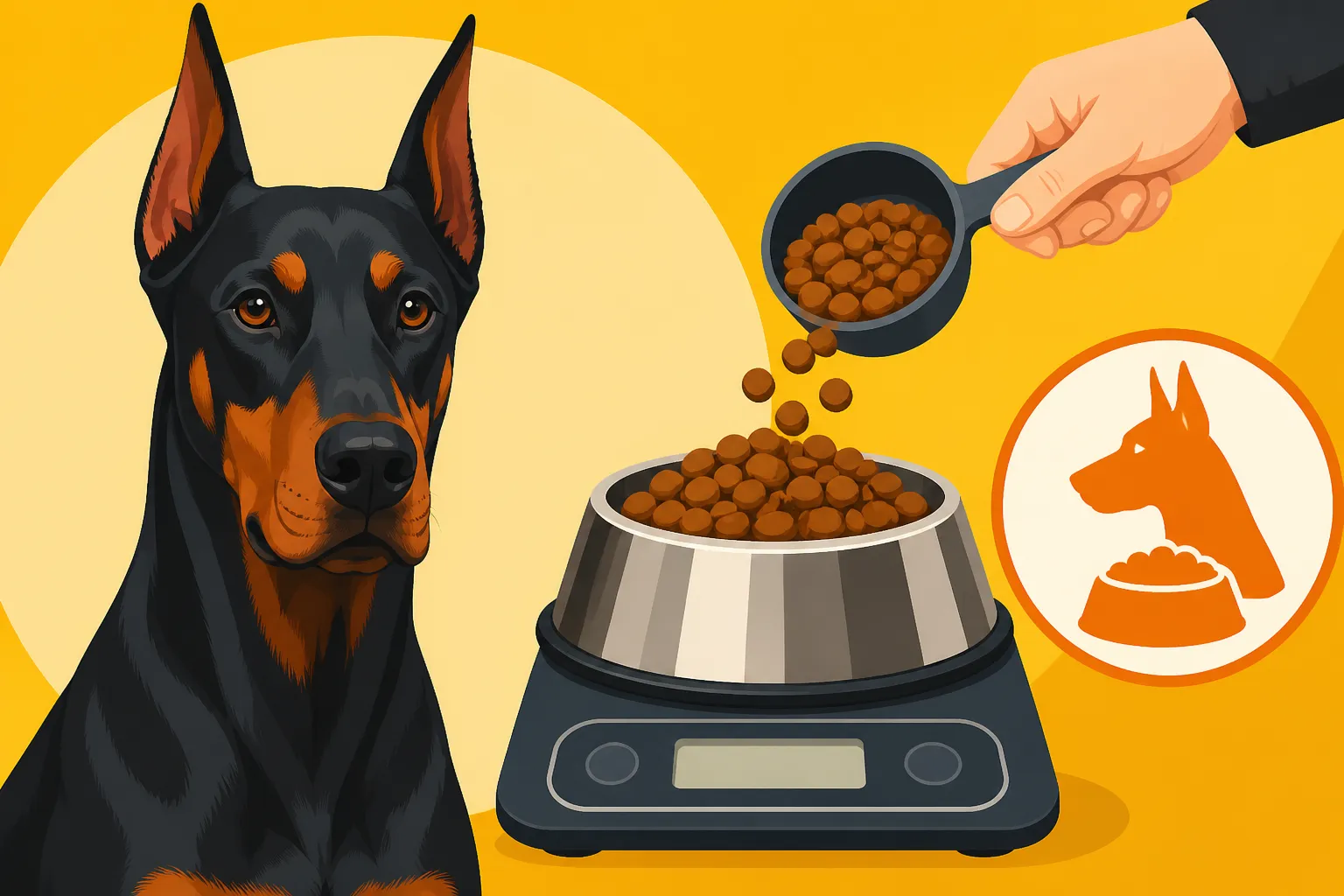
Weighing a Doberman’s Ration Daily
It’s a common scenario for Doberman owners: you grab the trusty scoop, fill it up, and assume you’re giving your magnificent dog the exact right amount of food. But what if that seemingly simple act is quietly contributing to weight fluctuations, missed nutritional targets, and potentially even health issues down the line? This guide is here to shed light on why daily weighing your Doberman's food ration isn't just a meticulous habit, but a vital part of their care, ensuring their robust health and ideal body condition.
Why Precision Feeding is a Game-Changer for Dobermans
When we talk about Dobermans, we're not just talking about any dog. These are athletes, often with a very specific, lean build. Their metabolism can be incredibly efficient, and their deep, narrow chests, while striking, also carry certain risks like bloat (Gastric Dilatation-Volvulus). Every calorie, every gram of food, plays a significant role in their overall health and well-being. Eyeballing meals, even with a consistent scoop, can lead to surprisingly large discrepancies over time, and for a Doberman, "close enough" often isn't.
Maintaining Ideal Body Condition
One of the biggest struggles for Doberman owners is maintaining that perfect, athletic physique. They aren't meant to carry excess weight; you should be able to Read Ribs and Hip Points on a Doberman fairly easily, and they should have a distinct waist when viewed from above. An extra ounce or two of food each day, inadvertently added by an inconsistent scoop, can quickly accumulate into unwanted pounds. This isn't just about aesthetics; excess weight puts strain on joints, organs, and can exacerbate other health concerns.
Conversely, a Doberman that’s working hard or just has a higher metabolism might not be getting enough if you're under-scooping. You might see them losing muscle mass or becoming too thin, which can also signal underlying issues or simply an inadequate energy intake. Precision weighing helps you hit that sweet spot, ensuring they receive exactly the energy and nutrients required for their activity level and individual needs. It allows for tiny, incremental adjustments rather than sudden, guesswork-based changes.
Mitigating Health Risks Associated with Feeding
Dobermans are, unfortunately, prone to a few serious health conditions where diet plays a supporting role. Dilated Cardiomyopathy (DCM), for instance, is a devastating heart disease common in the breed. While diet isn't the sole cause, there's ongoing discussion around certain dietary components, like taurine and carnitine, and concerns about Whether Grain-Free Food Adds to Doberman DCM. Ensuring your Doberman gets a consistent, measured intake of a balanced, high-quality diet minimizes variables that could potentially contribute to stress on their system.
Then there's bloat, a life-threatening emergency. While meal timing and exercise around eating are critical, consistent meal sizes can also play a subtle role. Overfeeding in one sitting or inconsistent portioning can potentially contribute to digestive upset or distension. By weighing food, you create a more predictable and stable digestive environment, which is always a good thing for a Doberman. It’s one more small step you can take to protect them.
The Art and Science of Accurately Weighing Your Doberman's Food
So, you're convinced: weighing is the way to go. But how do you actually do it effectively? It’s simpler than you might think, and once you get into the rhythm, it becomes just another part of your daily routine. The key is to treat it less like a chore and more like a precise nutritional strategy, tailored specifically for your Doberman's optimal performance and longevity.
Choosing the Right Tools for the Job
First things first, you'll need a good quality digital kitchen scale. You want one that can accurately measure in grams, as this provides the most granular control. Many scales offer both grams and ounces, but grams are generally preferred for pet food due to finer increments. Look for a scale with a decent weight capacity – your Doberman’s meal might be substantial! You can find excellent, affordable options on sites like Chewy or Amazon. Make sure it has a 'tare' function, which allows you to zero out the weight of the bowl so you only measure the food itself.
Your Doberman’s food container is another crucial piece. Whether it’s kibble, raw, or a fresh-cooked diet like Ollie offers, knowing its precise weight per portion is key. Some premium kibble brands even provide feeding guidelines in grams rather than cups, which is a huge help. For fresh or raw food, the consistency of the product itself will be more uniform than kibble, making weighing even more accurate. Always check the manufacturer's recommendations first, but be prepared to adjust based on your dog's individual needs and activity level.
A Step-by-Step Guide to Daily Ration Weighing
Here’s how to integrate daily food weighing into your routine:
- Determine Daily Calories: First, you need to know how many calories your Doberman should be consuming. This depends on age, activity level, and whether they need to gain, lose, or maintain weight. Your vet is the best resource for this calculation.
- Calculate Food Weight: Once you have the total daily calories, look at your specific dog food. Most reputable brands will list the caloric density per cup or per gram on their packaging. If it’s per cup, you'll need to weigh a single cup once to find out its average gram weight, then do the math. For example, if your Doberman needs 1500 calories a day and your food has 350 calories per 100 grams, you'd feed approximately 428 grams per day (1500 / 350 * 100).
- Prepare Your Scale: Place your Doberman’s food bowl on the digital kitchen scale. Press the 'tare' or 'zero' button to reset the display to zero. This ensures the weight of the bowl doesn't skew your measurement.
- Measure the Food: Carefully scoop or pour the food into the bowl until the scale displays the target weight (e.g., 428 grams). For kibble, it's easier to pour slowly; for raw or fresh food, you might scoop it out directly.
- Split Meals (Crucial for Dobermans): Remember, Dobermans with their deep chests should always eat at least two, preferably three, meals a day to reduce the risk of bloat. Meal Timing on a Deep-Narrow Doberman Chest is incredibly important. If your Doberman needs 428 grams daily, you would divide that into two or three portions to be fed throughout the day. For example, two meals of 214 grams each.
- Consistency is Key: Do this for every meal, every day. It might seem tedious at first, but it quickly becomes second nature.
Comparison of Measuring Methods
To truly appreciate the value of weighing, let's compare it to traditional scooping:
| Feature | Scooping (Volume) | Weighing (Mass) |
|---|---|---|
| Accuracy | Highly variable; depends on density, kibble shape, packing. | Highly precise; measures actual amount of food. |
| Consistency | Prone to daily fluctuation, leading to caloric drift. | Consistent results every time, exact portions. |
| Adjustments | Difficult to make small, incremental changes. | Easy to make precise 5-10 gram adjustments for weight. |
| Health Impact | Higher risk of over/underfeeding, weight issues. | Better body condition, supports preventative health. |
| Effort/Time | Quick and seemingly easy, but less effective. | Slightly more effort initially, but becomes routine. |
| Special Diets | Less reliable for prescription or sensitive diets. | Ideal for Low-Copper Feeding for a Doberman or specific calorie needs. |
This table clearly illustrates why weighing is superior for a breed like the Doberman.
The Impact of Inconsistent Feeding on Your Doberman's Health and Your Wallet
It might feel like a minor detail, but inconsistent feeding can have a ripple effect, impacting not just your Doberman's physical health but also potentially leading to higher vet bills and even affecting their behavior. When we don't provide a consistent diet, we remove one of the most stable elements in their daily routine, and Dobermans, being creatures of habit, thrive on predictability.
Weight Fluctuation and Its Health Ramifications
Think about it this way: if you're consistently under-feeding your Doberman by even a small amount, they might gradually lose condition, becoming too lean. This can impact their energy levels, muscle mass, and even their immune system. On the flip side, over-feeding, even slightly, can lead to creeping weight gain. That sleek Doberman physique can quickly soften, and before you know it, you’re looking at A Doberman That Has Thickened and struggling to keep up on walks.
Obesity in any dog breed is a precursor to a host of problems, including joint issues like Doberman Hip Dysplasia, diabetes, and reduced exercise tolerance, which further compounds the problem. For a Doberman, who needs to be fit and agile, carrying extra weight is a serious handicap that can shave years off their lifespan and significantly diminish their quality of life. It’s even more critical if you have a neutered Doberman, as Why a Neutered Doberman Starts Gaining is a common concern that precise weighing can help manage.
Financial and Behavioral Consequences
When your Doberman's weight is off, whether too high or too low, you're likely headed for more frequent vet visits. These appointments often involve discussions about diet, perhaps blood tests to rule out underlying conditions, and potentially prescription foods or supplements. All of this adds up. The cost of managing obesity-related conditions or trying to put healthy weight back on a too-thin dog can be substantial. Investing in a digital scale (which can be purchased for a very reasonable price on Amazon or Chewy) and taking the time to weigh their food daily is a small upfront effort that can save you significant money and stress in the long run.
Beyond the physical and financial, inconsistent feeding can also impact your Doberman's behavior. A constantly hungry Doberman might become more food-obsessed, trying to counter-surf or beg incessantly. An overfed one might be sluggish and less engaged. Dogs thrive on routine and knowing when their next meal is coming, and that it will be the right amount, contributes to their overall sense of security and well-being. A well-fed, healthy Doberman is generally a happier, better-behaved Doberman.
Practical Tips for Making Daily Ration Weighing a Breeze
Integrating a new routine into a busy schedule can feel daunting, but with a few simple strategies, weighing your Doberman's food can become a seamless, even enjoyable, part of your day. It’s all about setting yourself up for success and making it as automated as possible. Remember, you're investing in your Doberman's future health, and that's a powerful motivator.
Pre-Portioning for Busy Households
One of the best tips for busy Doberman owners is to pre-portion your dog's meals for the week. Once you've determined the exact gram weight for each meal, you can measure out seven days' worth of individual meals into separate, airtight containers or resealable bags. Store them in a cool, dry place if it's kibble, or in the refrigerator/freezer if it's fresh or raw food. This way, when it's mealtime, all you have to do is grab a pre-portioned container and serve.
This method not only saves time during those hectic morning or evening rushes but also ensures perfect consistency throughout the week. It takes the guesswork out of daily feeding and makes it easier for other family members or pet sitters to maintain the precise diet. If you’re using a fresh food service, like Ollie, they often deliver pre-portioned meals, simplifying this step even further.
Adjusting Rations Based on Activity and Age
While consistency is vital, a Doberman's needs aren't static. An adult Doberman training for an obedience trial will burn more calories than one enjoying a lazy weekend. A growing Doberman puppy has different caloric requirements than a senior. This is where the beauty of weighing comes in – it allows for incredibly precise adjustments. If you notice your Doberman is getting a little too lean after an intense week of activity, you can add 10-20 grams to their daily ration. If they've gained a tiny bit of weight, you can easily shave off the same amount.
Regularly assessing your Doberman's body condition is key. Don't just rely on the scale; use your hands to feel their ribs and hip bones. Consult your vet to adjust the target weight as your Doberman ages or if their activity level changes significantly. For example, Screening an Older Doberman More Often might also involve adjusting their diet to account for a slowing metabolism or specific health needs. The precision of weighing means these adjustments are controlled and effective, rather than broad strokes that might overshoot or undershoot the mark.
Incorporating Supplements and Special Diets
Many Doberman owners use supplements, especially for joint health or to support their heart, like taurine and carnitine. When you're weighing your Doberman's main meal, it's also a great opportunity to ensure any powdered or liquid supplements are added consistently. This prevents accidental over- or under-dosing.
For Dobermans with specific health issues, such as those on a prescription diet for liver disease or allergies, precise weighing is absolutely non-negotiable. Low-Copper Feeding for a Doberman requires strict adherence to dietary guidelines, and weighing every portion ensures your Doberman receives the exact therapeutic amount of food prescribed by your veterinarian. It removes any doubt and provides peace of mind that you're doing everything possible to support their health through diet.
Disclaimer
This article is for general informational purposes only and does not constitute professional advice. Laws, prices and regulations vary by location and change over time. Consult a qualified professional for guidance on your specific situation.