Fat Levels for a Doberman in Sport Training
It can be incredibly tricky trying to figure out the perfect diet for an active Doberman, especially when you're pushing them in sport training. You want them to have endless energy, a gleaming coat, and quick recovery, but often feel like you're guessing whether they're getting enough, or too much, of the right stuff. This guide is here to demystify the role of fat in your Doberman's performance diet, helping you fuel them optimally for whatever challenge lies ahead.
Why Fat is Essential for the Athletic Doberman
When you see your Doberman flying over an agility jump, holding a long track, or engaging in intense protection work, you’re witnessing incredible athleticism. That power and endurance don't just come from strong muscles; they come directly from the fuel you provide. And for a working breed like the Doberman, fat isn't just a component of their diet—it's absolutely critical for sustained performance and overall well-being. Thinking of fat as merely "something to avoid" is a common misconception that can severely hinder your Doberman's potential.
Understanding Energy Sources for High-Intensity Work
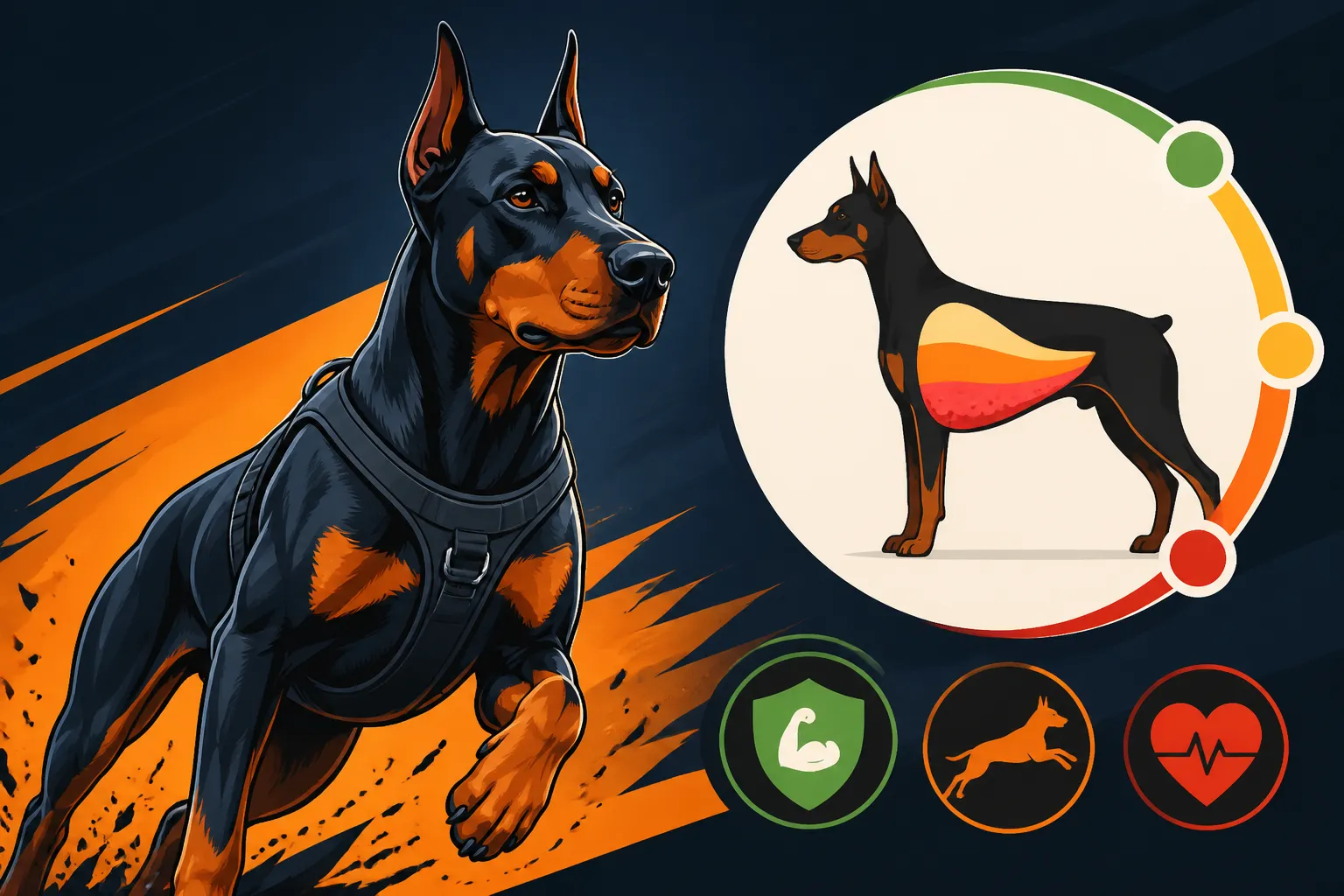
Imagine your Doberman training for an IGP title, which involves tracking, obedience, and protection work, all demanding different kinds of energy. Just like human athletes, dogs utilize different macronutrients for different types of activity. Carbohydrates are often thought of as quick energy, providing a rapid burst. Protein is primarily for building and repairing muscle tissue. But fat? Fat is the king of sustained energy and endurance, especially for longer, more demanding sessions. When your Doberman is doing a long, slow track, their body is efficiently burning fat for fuel. This prevents them from "hitting the wall" or running out of steam too quickly because their glycogen stores (from carbs) are depleted.
Think about it this way: a sprint relies heavily on immediate glucose, like a quick sugar rush. But a marathon runner, or in our case, a Doberman performing repeated exercises over an hour, needs a fuel source that burns slowly and steadily. Fat provides more than twice the energy per gram compared to carbohydrates or protein, making it an incredibly dense and efficient fuel source. For a Doberman in sport training, this means they can maintain higher energy levels for longer periods, perform better, and recover more effectively. Without adequate fat, you might notice your Doberman tiring faster than usual, struggling to maintain focus, or not having the explosive power they typically exhibit.
The Role of Fat in Overall Health and Performance
Beyond just being an energy powerhouse, healthy fats play a multifaceted role in your Doberman's overall health, which directly impacts their ability to train and compete. They are essential for the absorption of fat-soluble vitamins (A, D, E, and K), which are vital for everything from vision and bone health to immune function. A Doberman with a deficiency in these vitamins won't just perform poorly; their general health will suffer.
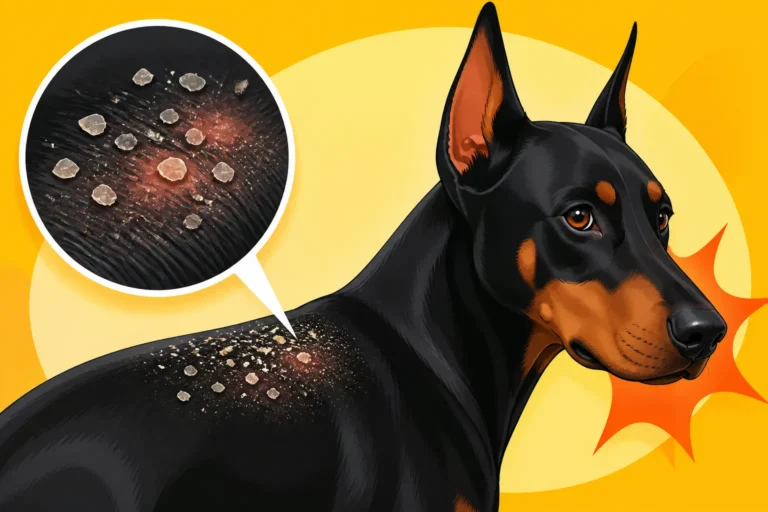
Moreover, specific types of fats, particularly Omega-3 and Omega-6 fatty acids, are crucial for skin and coat health. We all love that sleek, shiny Doberman coat, right? A dull, dry, or flaky coat can be a sign of insufficient healthy fats in their diet. These essential fatty acids also have powerful anti-inflammatory properties. For a Doberman putting their body through intense training, this means better joint health, reduced muscle soreness, and a quicker recovery from the minor aches and pains that come with physical exertion. Imagine the difference in how your Doberman feels after a rigorous session if their body is already primed to manage inflammation. This can contribute to their longevity in sport and prevent common issues like Stiffness in a Doberman That Used to Sprint. When you consider the physical demands placed on these athletic dogs, providing the right kind of fat isn't just about energy; it's about supporting every system in their body to keep them feeling their best.
Optimal Fat Levels for Dobermans in Sport Training
Pinpointing the exact right fat level for every Doberman can feel like trying to hit a moving target. What works for one highly active Doberman in advanced Schutzhund might be too much or too little for another Doberman just starting agility. However, there are some really solid guidelines that can help you get started and understand what to look for.
General Guidelines vs. Individual Needs
For a Doberman engaged in regular, moderate to high-intensity sport training, a dog food with a fat content ranging from 18% to 25% on a dry matter basis is often a good starting point. This range provides ample energy without being overly rich, which could lead to digestive upset or unwanted weight gain. However, this is just a general guideline, and your Doberman's specific needs will absolutely vary.
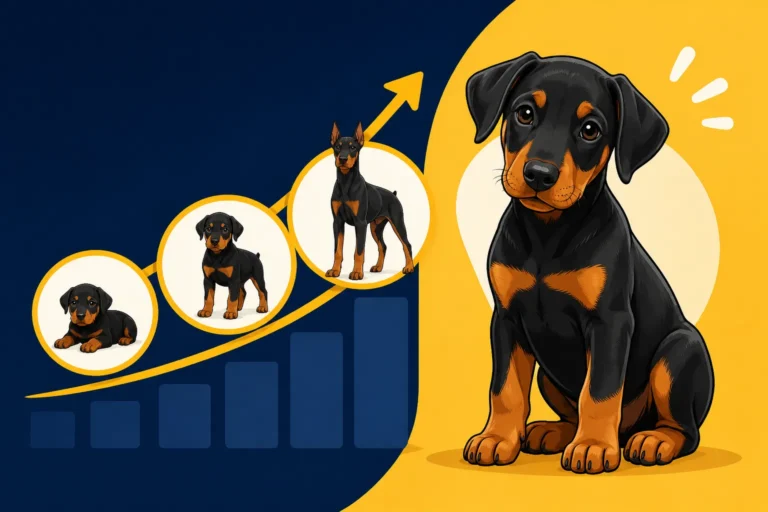
Consider the type of sport they participate in. A Doberman involved in intense sprint work, like some types of dock diving or lure coursing, might burn through energy differently than one engaged in longer, more sustained activities like tracking or endurance runs. Their individual metabolism plays a huge role too; some Dobermans are naturally "hard keepers" who burn calories at an incredibly fast rate, while others might gain weight more easily. Age is another factor – a young, growing Doberman still developing muscle mass might have slightly different needs than a fully mature adult, or an older Doberman who is still active but perhaps not at the peak intensity of their youth. The key is to start within a recommended range and then carefully observe your Doberman's body condition, energy levels, and overall health, making small adjustments as needed. A Doberman's activity level can fluctuate, so their dietary needs aren't static.
Reading Dog Food Labels for Fat Content
Navigating dog food labels can feel like deciphering a secret code, but understanding how to find and interpret fat content is essential. Most commercial dog foods list a "Guaranteed Analysis" which includes crude protein, crude fat, crude fiber, and moisture. The fat percentage listed here is usually a "minimum" percentage on an "as-fed" basis, meaning it includes the moisture content of the food.
To get a more accurate picture of the actual fat content in the dry matter of the food (which is what your Doberman is really consuming for nutrition once the water is removed), you need to do a simple calculation. Let's say a food lists 15% crude fat and 10% moisture. First, subtract the moisture from 100% to find the dry matter percentage (100% – 10% = 90%). Then, divide the crude fat percentage by the dry matter percentage and multiply by 100: (15 / 90) * 100 = 16.67%. So, while it looked like 15% fat, it's actually closer to 16.7% on a dry matter basis. This calculation is crucial when comparing different foods. Many reputable brands found on retailers like Chewy or Amazon provide detailed nutritional information online, often including dry matter percentages, which makes this comparison much easier. Don't be shy about digging into that information, it's there to help you make informed decisions for your Doberman's health.
Choosing the Right Types of Fat and Sources
It's not just about the quantity of fat; the quality and type of fat you provide your Doberman are equally, if not more, important. Just like humans, dogs benefit most from healthy, digestible fat sources that offer a spectrum of benefits beyond just raw energy.
Healthy Fats to Prioritize
When selecting food for your athletic Doberman, look for named animal fats as primary sources, such as chicken fat, beef fat, or salmon oil. These are highly digestible and provide a concentrated source of energy. Beyond generic "animal fat," seeing specific animal sources indicates a higher quality ingredient.
However, the real MVPs in the healthy fat department are the essential fatty acids: Omega-3s and Omega-6s.
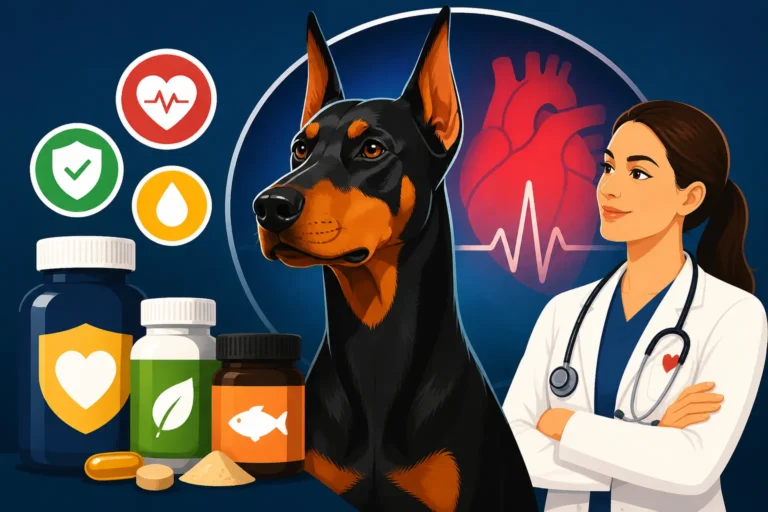
- Omega-3 fatty acids, particularly EPA (eicosapentaenoic acid) and DHA (docosahexaenoic acid), are renowned for their powerful anti-inflammatory properties. These are absolutely vital for a Doberman in sport training, as they can help reduce joint inflammation, support cardiovascular health (which is particularly important for a breed prone to The Heart Disease That Reaches Most Dobermans), and promote skin and coat health. Excellent sources include fish oils (salmon oil, sardine oil, anchovy oil) and certain algae. Flaxseed oil also contains Omega-3s, but in the ALA form, which dogs convert less efficiently to EPA and DHA.
- Omega-6 fatty acids are also essential and found in many animal fats and vegetable oils (like sunflower or safflower oil). They are important for healthy skin, coat, and normal cell function. The key here is balance; while both are necessary, too much Omega-6 relative to Omega-3 can actually promote inflammation, so a good ratio is often emphasized.
Some fresh dog food companies, like Ollie, pride themselves on using human-grade ingredients with carefully selected fat sources to ensure a balanced profile of these essential fatty acids. You might also consider adding a supplement, especially a high-quality fish oil, to boost your Doberman's Omega-3 intake. This proactive approach can make a tangible difference in their comfort, recovery, and overall performance.
Avoiding Excessive or Unhealthy Fats
While fat is crucial, there absolutely can be too much of a good thing. Feeding a diet that is excessively high in fat, beyond what your Doberman's activity level demands, can lead to several problems. The most immediate concern is weight gain, which puts unnecessary stress on joints and organs, hindering performance and increasing the risk of injury. Obesity in any breed, especially a Doberman, is something we want to actively avoid.
Beyond weight gain, an overly rich diet can sometimes trigger digestive upset, including diarrhea or even serious conditions like pancreatitis in susceptible dogs. It's a delicate balance. Furthermore, the type of fat matters. Avoid foods that list generic "animal fat" without specifying the source, or those with a high proportion of hydrogenated fats or artificial trans fats, which are unhealthy and offer little nutritional value. While fat content might be high, if it's coming from low-quality, rendered by-products, your Doberman won't reap the same benefits as from a diet rich in named, healthy fat sources. Always scrutinize ingredient lists, just as you would for your own food. Understanding this distinction is key to providing optimal care, especially for a breed known for some delicate health issues. Whether Grain-Free Food Adds to Doberman DCM is another discussion where understanding fat sources can become relevant, although that usually pertains more to the carbohydrate sources than the fats themselves.
Monitoring Your Doberman's Condition and Adjusting Fat Intake
Feeding a Doberman for sport training isn't a "set it and forget it" task. It requires ongoing observation and willingness to tweak their diet based on their changing needs and how they are responding. Your Doberman's body is constantly giving you feedback if you know what to look for.
Signs Your Doberman is Getting the Right Amount of Fat
One of the most immediate indicators of proper fat intake is your Doberman's energy level and stamina. Are they performing consistently throughout training sessions? Do they recover quickly, or do they seem excessively tired afterward? A Doberman receiving adequate fat should have sustained energy and bounce back readily. If you notice they're flagging or tiring faster than they used to, it might be a sign they need more caloric density, possibly from increasing healthy fats.
Next, pay close attention to their coat quality and skin health. A healthy Doberman should have a short, sleek, shiny coat with no excessive dryness, flaking, or itchiness. A dull coat or dry skin can often point to a deficiency in essential fatty acids. Conversely, if their stools are consistently loose, greasy, or you notice significant weight gain despite appropriate portion control, it might indicate that the fat content is too high or the fats are not being properly digested. Regularly assessing your Doberman's body condition score (BCS) is also crucial. You should be able to easily feel their ribs, but not see them prominently. They should have a defined waist when viewed from above, and an abdominal tuck from the side. If they're looking a bit too thin or too heavy, it's time to re-evaluate their caloric intake, with fat being a primary variable to adjust.
Working with a Vet or Canine Nutritionist
While self-monitoring is invaluable, sometimes you need to call in the professionals. If you've been adjusting your Doberman's diet and aren't seeing the desired results, or if you notice concerning health changes, don't hesitate to consult your veterinarian. They can rule out any underlying medical conditions that might be affecting your Doberman's metabolism or nutrient absorption. For instance, sometimes symptoms can mimic dietary issues but are actually signs of conditions like The Thyroid Numbers That Slow a Doberman Down or early stages of other health challenges.
For complex cases, or if you want a truly optimized diet plan, working with a board-certified canine nutritionist can be incredibly beneficial. These experts can analyze your Doberman's specific activity level, body composition, current diet, and any health predispositions (like those for Copper Liver Disease in Doberman Females or specific heart concerns) to formulate a tailored nutritional strategy. They can help you fine-tune fat percentages, recommend specific fat sources or supplements, and ensure a balanced diet that supports peak performance and long-term health. Remember, your Doberman's diet is a dynamic thing, and professional guidance ensures you're making the best choices for their unique needs.
Here's a quick overview of some common fat sources and their benefits for your sport Doberman:
| Fat Source | Primary Benefits | Notes for Sport Dobermans |
|---|---|---|
| Chicken Fat | Highly digestible, rich in Omega-6, good energy | Common in commercial foods, excellent for sustained energy. |
| Beef Fat | Palatable, energy-dense, good for hard keepers | Richer, might be better for Dobermans needing more calories. |
| Salmon Oil | High in EPA & DHA (Omega-3), anti-inflammatory | Crucial for joint health, skin, coat, and cardiovascular support. |
| Flaxseed Oil | Good source of ALA (plant-based Omega-3), fiber | Less efficient conversion to EPA/DHA than fish oil, but still beneficial. |
| Coconut Oil | Medium-chain triglycerides (MCTs) for quick energy | Some find it aids digestion and coat health; use in moderation. |
| Sunflower Oil | Rich in Omega-6 | Good for skin/coat, but ensure balanced with Omega-3 sources. |
Disclaimer
This article is for general informational purposes only and does not constitute professional advice. Laws, prices and regulations vary by location and change over time. Consult a qualified professional for guidance on your specific situation.