Salt Burns on a Doberman’s Bare Pads
Winter can bring a stunning, crisp beauty to our world, but for us Doberman owners, it also ushers in a specific, often painful concern: salt burns on those beautiful, sensitive paw pads. It’s truly heartbreaking to see your usually robust Doberman tiptoeing, shaking a paw, or incessantly licking their feet after a walk, all because of the harsh chemicals used to keep our sidewalks clear. This guide is here to walk you through understanding why your Doberman's paws are so susceptible, how to spot the signs of irritation, what immediate steps you can take, and most importantly, how to keep those precious pads safe and sound all season long.
Why Doberman Pads Are Especially Vulnerable to Winter Hazards
Dobermans, with their sleek coats and athletic build, are truly magnificent dogs, but their physiology also presents some unique vulnerabilities, especially when it comes to cold weather and harsh environments. Unlike some breeds with thick, double coats, our Dobermans have a single, short coat that offers minimal insulation. This means they feel the cold much more intensely, making them more likely to lift paws or exhibit discomfort on icy or chemically treated surfaces. It’s not just about the cold, though; their paw pads themselves, while tough, are still skin, and they’re exposed to elements that other parts of their body often aren't.
The Chemical Assault of De-Icing Salts and Antifreeze
When we talk about "salt burns," we're not just referring to table salt. We're talking about a cocktail of de-icing chemicals used on roads, sidewalks, and driveways, often containing sodium chloride, magnesium chloride, calcium chloride, and potassium chloride. These substances are designed to lower the freezing point of water, but they are also highly corrosive, especially to soft tissues like paw pads. Imagine walking barefoot on a surface covered in a drying, irritating chemical. That's what our Dobermans experience.
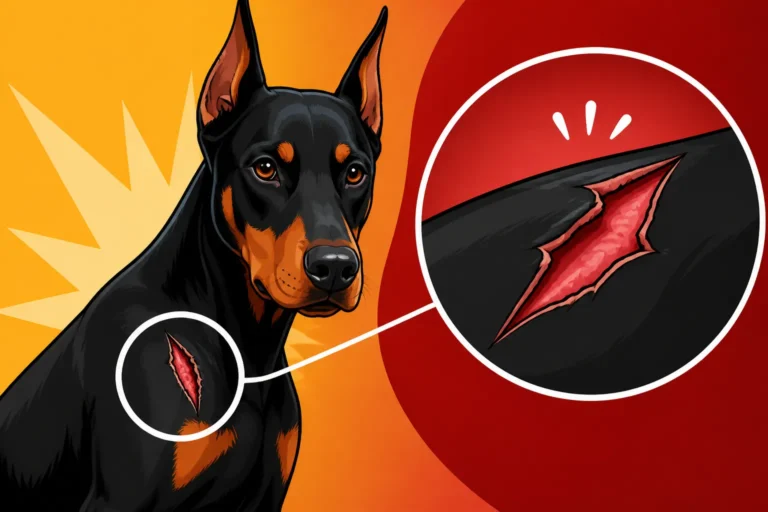
Furthermore, these chemicals can draw moisture out of the skin, leading to severe dryness, cracking, and even chemical burns. It's a double whammy: the abrasion of ice and snow combined with the corrosive nature of the salts. Even seemingly benign options like pet-safe salts can still be drying and irritating over time, especially for a dog like a Doberman who might have Thin Doberman Skin and Everyday Cuts elsewhere on their body. And let's not forget the hidden danger of antifreeze, which, while not a direct cause of "burns," is highly toxic and often lurks in the same wintery environments. A Doberman licking their paws after walking through it could ingest dangerous amounts.
The Doberman's Low Body Fat and Exposure to Elements
Dobermans are known for their lean, muscular physique. While stunning, this means they have very little body fat to act as insulation against the cold. When you combine this with a short coat, their extremities, like their paws, become much more susceptible to the biting cold and direct contact with harsh elements. A quick dash outside for a potty break can expose them to freezing temperatures and irritating salts, especially if they’re not wearing Winter Coats Sized for a Doberman or other protective gear.
This lack of natural padding and insulation means their paw pads are often the first point of contact with these environmental stressors. Even on relatively mild winter days, if the ground has been treated with de-icers, those compounds are still there, ready to wreak havoc. It’s why you might notice your Doberman lifting a paw or showing signs of discomfort even when the air temperature isn't brutally cold. The surface temperature and what's on it are what truly matter for those sensitive pads. This sensitivity is also why understanding How Long a Doberman Can Be Out at Thirty-Five Degrees is crucial, as their overall tolerance to cold is lower than many other breeds.
Recognizing the Signs of Salt Burns and Paw Irritation
Spotting paw irritation early is absolutely key to preventing more severe problems. Our Dobermans are tough and can sometimes try to "power through" discomfort, but their body language will often tell a different story if you know what to look for. Don't dismiss subtle cues; they're your Doberman's way of asking for help.
Common Symptoms After a Walk
After a winter walk, especially on treated sidewalks, keep a close eye on your Doberman for any of these tell-tale signs:
- Excessive Licking or Chewing: This is often the first and most obvious indicator. If your Doberman starts licking, gnawing, or chewing at their paws the moment they step back inside, it’s a strong signal that something is irritating them. They're trying to relieve discomfort or remove whatever is stuck to their pads.
- Limping or Favoring a Paw: If your Doberman is walking gingerly, holding a paw up, or overtly limping, it's a clear sign of pain. This could range from a mild sting to a more significant burn or crack.
- Redness and Inflammation: Carefully examine their paw pads. Are they redder than usual? Are the spaces between their toes inflamed? You might also notice swelling.
- Cracked, Dry, or Bleeding Pads: Chemical burns and extreme dryness can lead to cracking, which can be incredibly painful and even bleed. In severe cases, the skin might blister or slough off, resembling a true burn.
- Refusal to Walk or Bear Weight: If your Doberman is typically eager for walks but suddenly becomes hesitant or refuses to put weight on all four paws, their pads could be in serious distress.
- Scratching at Face or Ears: While not directly paw-related, general discomfort can sometimes manifest as other nervous behaviors, though licking paws is the most direct sign of paw irritation.
The Visual Cues of Damaged Skin
Beyond the behavioral signs, a direct visual inspection of your Doberman's paw pads can confirm suspicions. Look closely at the surface of the pads, the skin between the pads, and even the nails.
What you might see:
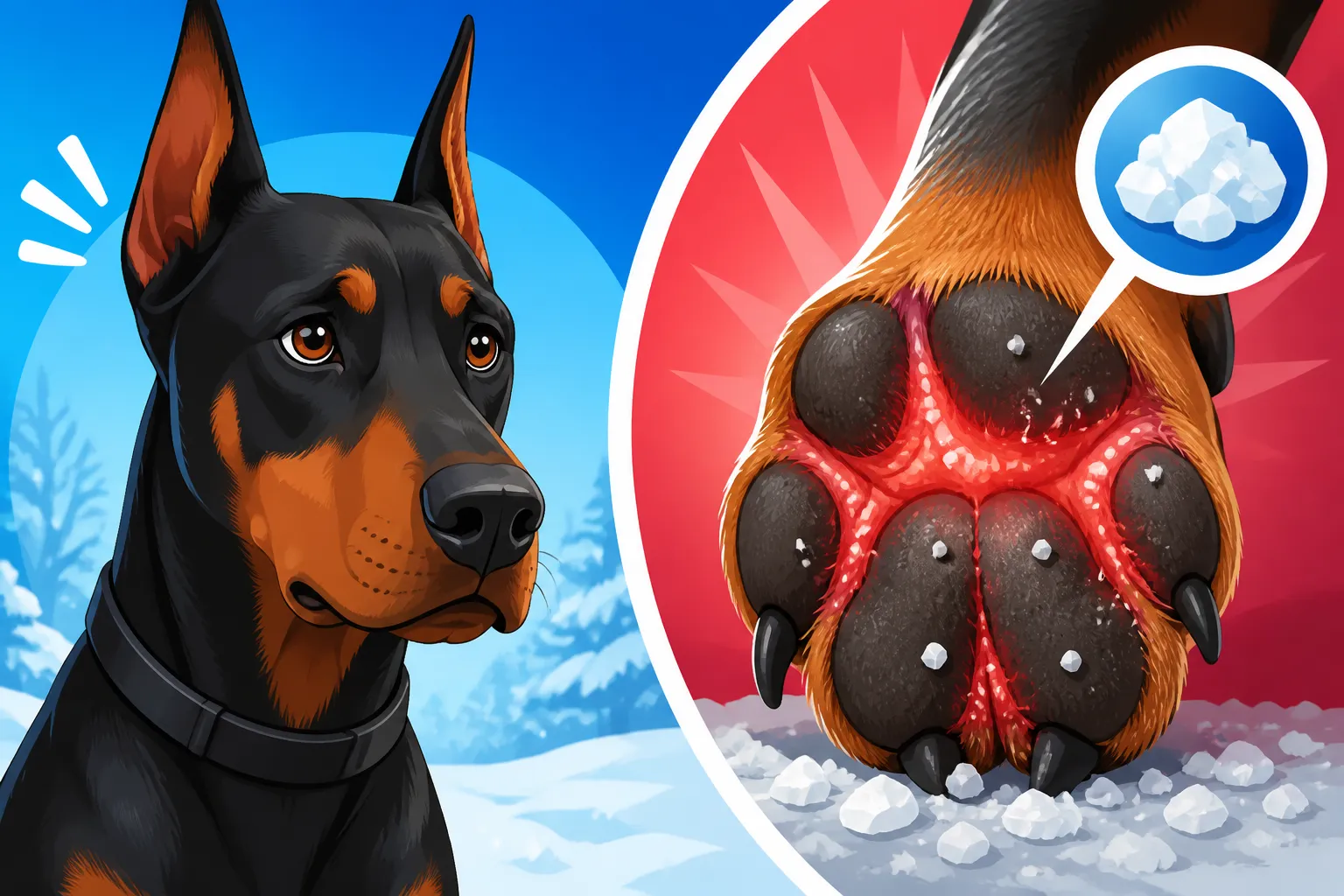
- White, Powdery Residue: Often, you'll see a white, gritty residue from the de-icing salt clinging to the fur between the pads, or even directly on the pads themselves. This is a dead giveaway.
- Cracked and Peeling Skin: The pads might look dry and flaky, with visible cracks, sometimes deep enough to expose raw tissue.
- Blisters or Ulcerations: In more severe chemical burns, you might notice small blisters or open sores on the pads. These are extremely painful and prone to infection.
- Hardened or Thickened Pads with Deep Fissures: Chronic irritation can lead to the pads becoming overly tough and inflexible, prone to deep, painful fissures that can be difficult to heal.
- Discolored or Brittle Nails: While less common, severe chemical exposure can sometimes affect the nails, making them discolored or brittle. When performing Nail Trims on a Doberman With All-Black Nails, you might notice unusual textures or brittleness.
It's important to remember that Dobermans have a higher pain tolerance than some breeds, so if they are showing clear signs of discomfort, the problem is likely significant. Never underestimate the impact of these environmental stressors on their delicate paw pads.
First Aid and Ongoing Care for Burned Doberman Pads
Discovering your Doberman has irritated or burned paw pads is incredibly upsetting, but quick, calm action can make a huge difference in their comfort and recovery. Think of it like a minor burn on your own skin – immediate care is paramount.
Immediate Steps After Exposure
The moment you notice any signs of irritation or suspect exposure, here's what to do:
- Rinse Immediately: This is the most critical step. As soon as you get home, and ideally before your Doberman has a chance to thoroughly lick their paws, thoroughly rinse their feet with lukewarm water. Do not use hot water, as it can worsen irritation. A gentle shower sprayer or a basin of clean water works well. Focus on getting into all the crevices between the paw pads and toes. The goal is to wash away all traces of salt, chemicals, or other irritants.
- Gentle Cleaning: After rinsing, you can gently wash their paws with a mild, pet-safe soap (unscented baby shampoo can also work in a pinch) to ensure all residues are gone. Lather gently, focusing on the pads and between the toes, then rinse thoroughly again. Pat their paws dry with a clean, soft towel. Make sure they are completely dry to prevent moisture-related issues. This is similar to the thorough cleaning you'd do after a muddy walk, as discussed in Cleaning a Doberman's Feet After Muddy Walks.
- Inspect for Damage: Once clean and dry, carefully inspect each paw pad. Look for redness, swelling, cracks, blisters, or any open wounds. Note the severity of any damage.
- Apply a Soothing Balm: For minor irritation, dryness, or cracking, apply a generous layer of a pet-safe paw balm. These balms, often containing ingredients like beeswax, shea butter, or coconut oil, help to moisturize, protect, and soothe the skin. Brands like Musher's Secret or paw balms available on Chewy or Amazon are excellent choices. If there's an open wound, consult your vet before applying anything other than a vet-approved antiseptic.
When to Seek Veterinary Attention
While many minor irritations can be managed at home, there are definite times when a trip to the vet is non-negotiable. Don't hesitate to seek professional help if you observe any of the following:
- Deep Cracks or Open Wounds: If the cracks are deep, bleeding significantly, or you see open sores or ulcerations, a vet needs to assess the injury. These can easily become infected.
- Blistering or Peeling Skin: This indicates a more severe chemical burn that requires medical intervention to prevent infection and promote proper healing.
- Severe Limping or Inability to Bear Weight: If your Doberman is in extreme pain, refusing to walk, or favoring a paw constantly, it’s a sign of serious injury.
- Signs of Infection: Look for pus, increased redness, swelling, warmth to the touch, or a foul odor. Infections require antibiotics, which only a vet can prescribe.
- Persistent Licking/Chewing Despite Home Care: If your Doberman continues to excessively lick or chew at their paws even after a day or two of diligent home care, the irritation might be deeper or more persistent than you can treat on your own.
- Systemic Illness: If your Doberman shows other signs of illness, such as lethargy, vomiting, or loss of appetite, in conjunction with paw issues, it could indicate ingestion of chemicals (like antifreeze) or a widespread infection.
Your vet might prescribe oral pain medication, antibiotics for infection, medicated washes, or even special bandages to protect the paws while they heal. Just like with Wound Healing in a Doberman With Thin Skin on other parts of their body, paw pads need careful attention to prevent complications.
Prevention: Protecting Your Doberman's Paws from Winter Woes
An ounce of prevention is worth a pound of cure, especially when it comes to keeping your Doberman's paws healthy during the winter months. Proactive measures can save your beloved companion a lot of pain and you a lot of worry (and vet bills!).
The Power of Paw Protection: Boots and Balms
Equipping your Doberman with the right paw protection is your best defense against salt burns and other winter hazards.
- Dog Boots: This is arguably the most effective physical barrier. High-quality dog boots create a waterproof, impenetrable layer between your Doberman's paw pads and the harsh ground. Finding boots that fit a Doberman's long, relatively slender foot can be a challenge, so measure carefully and look for options with good grip and secure closures. Many brands offer durable boots suitable for winter conditions. You can find a wide variety of options on Chewy or Amazon, often with reviews that can help you gauge fit for Doberman-like paws. While your Doberman might look a little silly at first, most adjust quickly, and the protection is invaluable. It’s worth exploring Whether a Doberman Needs Boots in Snow and investing in a good pair.
- Paw Balms/Waxes: While not as foolproof as boots, protective paw balms and waxes offer an excellent alternative or complement. These products create a semi-permepermeable barrier on the paw pads that helps repel moisture, ice, and chemicals, while also moisturizing the skin to prevent cracking. Apply a generous layer before every walk during winter. Be sure to reapply if your walk is particularly long or through very harsh conditions. Brands like Musher's Secret are widely popular, but many other reputable options are available. Look for balms with natural ingredients and avoid anything with harsh chemicals or artificial fragrances that could further irritate.
Smart Walking Habits During Winter
Beyond physical protection, adjusting your walking routine and habits can significantly reduce the risk of paw injuries.
- Choose Your Path Wisely: Whenever possible, steer clear of heavily salted sidewalks, roads, and parking lots. Opt for grassy areas, parks, or paths that you know aren't treated with harsh chemicals. If you live in an urban area, this might mean exploring new routes or driving to a safer walking spot.
- Keep Walks Shorter on Harsh Days: On days when conditions are particularly icy or heavily salted, shorten your walks. Even with protection, prolonged exposure to extreme cold or chemicals can be taxing. Your Doberman's overall comfort in cold weather is something to consider; remember The Temperature a Doberman Needs a Coat is often lower than you'd expect for many breeds.
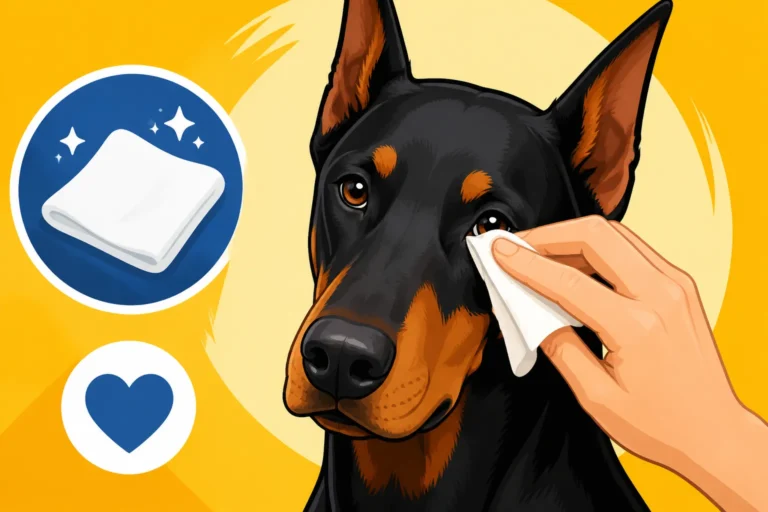
- Post-Walk Paw Cleaning is Non-Negotiable: Even if you use boots or balm, always make it a habit to wipe down or rinse your Doberman’s paws thoroughly after every winter walk. A basin of lukewarm water by the door, or even just pet-safe paw wipes, can make this routine quick and easy. This simple step ensures no residual salt or chemicals remain to cause irritation or be ingested when your Doberman inevitably licks their paws.
- Regular Paw Inspections: Make a habit of checking your Doberman's paws daily during the winter. Look for dryness, redness, cracks, or foreign objects. Early detection means earlier treatment and prevents minor issues from escalating. This also ties into overall winter care, as discussed in managing Whether a Doberman Manages a Northern Winter.
- Consider Indoor Activities: On days when outdoor conditions are just too severe, don't be afraid to skip the long walk outside and focus on indoor enrichment. Puzzle toys, training sessions, or even a game of fetch in a long hallway can keep your Doberman mentally and physically stimulated without exposing their paws to harm. When indoors, ensure they have comfortable, warm places to rest, perhaps even a Heated Beds for a Doberman in Winter to soothe any minor aches from cold.
By combining physical protection, smart walking choices, and consistent post-walk care, you can help ensure your Doberman enjoys the winter wonderland without the pain of salt-burned paws.
| Prevention Method | Description | Pros | Cons | Best For |
|---|---|---|---|---|
| Dog Boots | Physical barrier covering paws entirely. | Excellent protection from salt, ice, sharp objects, and extreme cold. | Doberman may resist wearing them; can be difficult to size correctly. | Heavily salted areas, deep snow, long walks in harsh conditions. |
| Paw Balms/Waxes | Creates a protective, moisturizing layer on paw pads. | Easy to apply; helps prevent cracking; less intrusive than boots. | Less effective against sharp objects; may need frequent reapplication. | Moderate salt exposure, dry/cold conditions, general paw conditioning. |
| Avoiding Treated Areas | Sticking to paths known to be free of de-icing chemicals. | Completely eliminates chemical exposure; no special equipment needed. | Limited walking routes; often impractical in urban environments. | Rural areas, designated dog parks, light snow/ice days. |
| Post-Walk Rinsing | Washing paws immediately after coming inside. | Removes all harmful residues before they cause irritation or are ingested. | Requires consistency; only preventative after exposure. | Essential routine for all winter walks, regardless of other methods. |
Disclaimer
This article is for general informational purposes only and does not constitute professional advice. Laws, prices and regulations vary by location and change over time. Consult a qualified professional for guidance on your specific situation.