Why a Doberman’s Skin Tears Easily
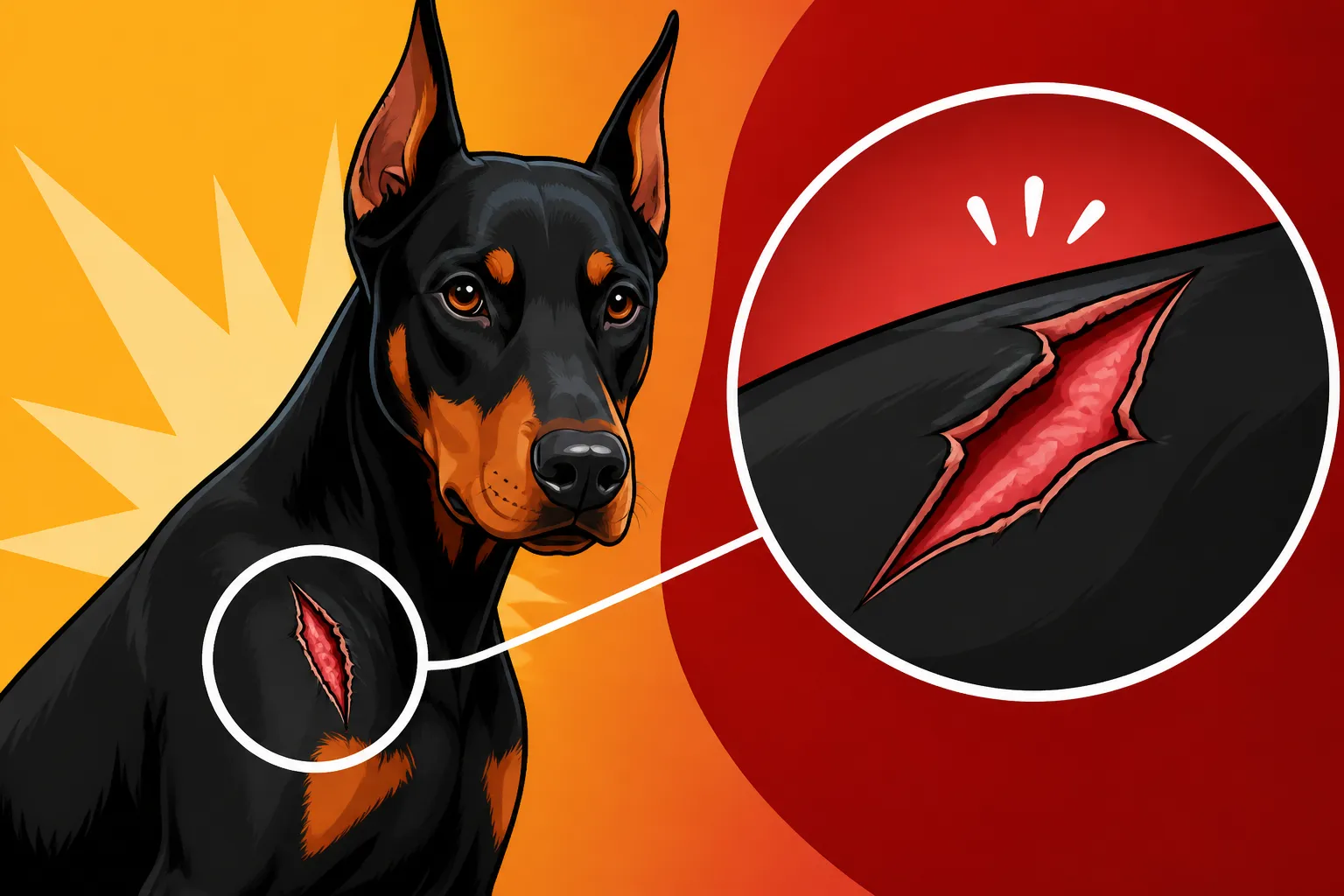
It’s a heart-sinking moment for many Doberman owners: you notice a small scrape or tear on your dog’s skin that seems to have appeared out of nowhere, or from an interaction that wouldn’t bother another breed. You pick them up from a playdate, or they brush past a familiar object, and suddenly there’s a wound. This can be incredibly frustrating and worrying, leaving you to wonder why your Doberman's skin seems so incredibly delicate and prone to tearing. This comprehensive guide will explain the underlying reasons for this common Doberman trait and offer practical advice on prevention and care to keep your beloved companion’s skin healthy and intact.
The Genetic Blueprint of Doberman Skin
One of the primary reasons Dobermans seem to have such fragile skin lies deep within their genetic makeup and physical characteristics. Unlike many breeds, the Doberman’s skin and coat are designed for sleekness and speed, not for rugged outdoor protection. This elegance, while beautiful, comes with a trade-off in resilience.
Naturally Thin and Unprotected Skin
Let's talk about that beautiful Doberman coat for a moment. It's short, dense, and lies close to the body, giving them that iconic, polished look. But what you might not realize is that this is a single coat, meaning it lacks the thick, insulating undercoat that breeds like German Shepherds or Labradors possess. Think about it like wearing a single thin shirt versus a heavy winter coat. While a Doberman looks incredibly sleek, their skin simply doesn't have that extra layer of natural padding and protection against abrasions.
This inherent lack of insulation means their skin is far more exposed to the elements and everyday hazards. A playful zoom around the yard that sees them brush past a thorny rose bush, or a quick dive under a low-hanging branch, can easily result in a superficial cut or tear. For a dog with a thick undercoat, these minor contacts might just ruffle their fur, but for a Doberman, there's very little buffer between the irritant and their delicate skin. Even a small nip from another dog during play can cause a break in the skin because there isn't much fur to absorb the impact or dull the contact. It’s not that their skin is inherently weak, but rather that it's simply unprotected by a robust fur coat, leaving it vulnerable in situations other breeds would shrug off.
Understanding the Dermis and Epidermis in Dobermans
Beyond the external coat, the actual structure of a Doberman's skin layers, the dermis and epidermis, also contributes to its perceived fragility. While it’s not vastly different from other breeds in terms of basic components, the relative thinness of these layers in Dobermans, combined with their lean body mass, plays a role. Dobermans are a breed known for their athleticism and streamlined physique; they don't carry a lot of excess fat or loose skin. This tight, taut skin, while contributing to their elegant lines, means there’s less "give" when it encounters stress.
Consider a thin sheet of fabric stretched tightly versus a thicker, looser piece. The thinner, tighter fabric is more prone to tearing under tension. Similarly, a Doberman's skin may have less elasticity and resilience compared to breeds with thicker, more pliable skin. Common areas where you might notice tears are often over bony prominences like elbows and hocks, or along their flanks and chest where skin can stretch tight during movement. Even their ear flaps, if uncropped, can be quite thin and prone to tears from scratching or rough play. It’s simply the way they're built, a characteristic that, while aesthetically pleasing, requires a bit more mindful care from us as their owners.
Here's a quick comparison of Doberman skin characteristics versus a more robust, double-coated breed:
| Feature | Doberman Skin | Double-Coated Breed Skin (e.g., German Shepherd) | Implications for Tearing |
|---|---|---|---|
| Coat Type | Single, short, fine, close-lying | Double, thick undercoat, coarse outer coat | Less physical barrier against external trauma |
| Skin Thickness | Generally thinner | Generally thicker and more pliable | More prone to lacerations and punctures |
| Body Fat | Low body fat, lean muscle | Can have more subcutaneous fat | Less cushioning over bony areas, skin more taut |
| Elasticity | Can be less elastic, tight over muscles | Often more elastic and forgiving | Stretches less under impact, increasing tear risk |
| Insulation | Poor, sensitive to temperature extremes | Excellent | Requires external protection (coats) in cold, which can also protect skin |
Environmental Factors and Everyday Risks
Beyond their inherent physical traits, the world around your Doberman presents a myriad of opportunities for their delicate skin to encounter trouble. Sometimes, it’s the most mundane daily activities that lead to those frustrating little tears.
Household Hazards and Playtime Mishaps
You’d think your home would be the safest place for your Doberman, right? Unfortunately, even within the confines of a loving home, hazards lurk. Imagine your Doberman, full of zest, doing their characteristic "Dober-zoom" around the living room. They might misjudge a turn and brush against the sharp corner of a coffee table, a protruding cabinet handle, or even a rough patch of wall. What might result in a minor bump for a dog with a tougher hide can easily snag and tear a Doberman's thinner skin.
Playtime, especially with other dogs, is another common culprit. While we love to see our dogs happy and interacting, a playful nip that's a little too enthusiastic from a friend, or even an accidental scratch from another dog's claw, can lead to a skin tear. Sometimes, it's just the sheer exuberance of a Doberman's play style – they can be quite clumsy and gangly as puppies and adolescents, and even as adults, they might not always be aware of their surroundings when in full throttle. A simple tumble on a hard floor or an excited jump that catches them on a piece of furniture can be all it takes. It's not about being overly cautious to the point of stifling their joy, but rather about being aware of their environment and maybe even considering a soft vest for particularly rough playdates, especially if they are frequently getting small injuries.
Outdoor Adventures and Unexpected Encounters
Stepping outside opens up a whole new world of potential skin hazards for your Doberman. While regular exercise and exploration are vital for their physical and mental well-being, vigilance is key. During walks through wooded areas or hikes on trails, thorns, brambles, sharp twigs, or even tall, stiff grasses can easily snag their thin skin. I've had Dobermans come back from what seemed like an innocent stroll with little nicks and scratches on their flanks or legs from brushing against seemingly harmless vegetation. Even dry, crusty snow can have sharp edges that can scratch their legs and belly if they don't have adequate protection like a good winter coat. Winter Coats Sized for a Doberman can really make a difference.
Consider also the terrain itself. Running on rocky paths or rough ground can lead to scrapes, especially on their pads and lower legs. Even a simple roll in the grass, if the ground is uneven or has hidden debris, can result in a tear. And then there are encounters with other animals. While rare, an unexpected skirmish with a feral cat, whose claws can be surprisingly sharp, or an accidental brush with a squirrel's teeth, could cause more damage to a Doberman than to a dog with a thicker, denser coat. It emphasizes the need to always be mindful of where your Doberman is exploring and to do a quick visual check after outdoor activities.
Health Conditions That Exacerbate Skin Fragility
While the Doberman's natural build predisposes them to thin skin, certain health conditions can significantly worsen this fragility, turning minor irritations into noticeable tears and delaying healing. Understanding these underlying factors is crucial for comprehensive care.
Nutritional Deficiencies and Their Impact on Skin Health
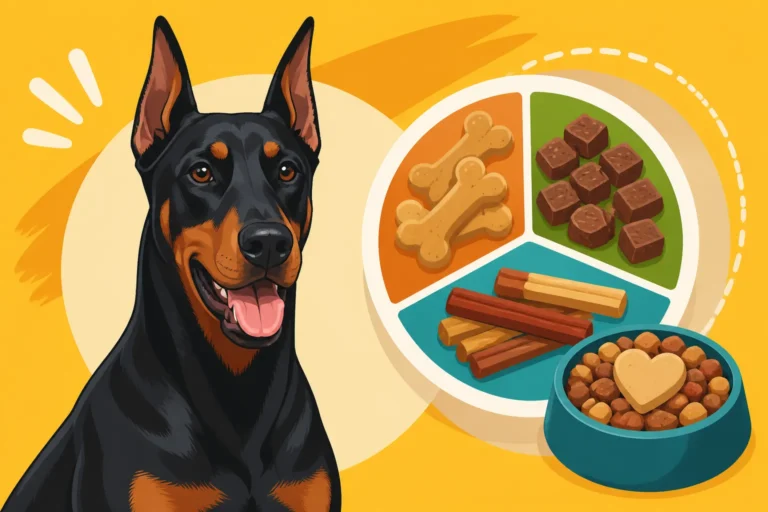
A Doberman's diet plays a much larger role in the health and integrity of their skin than many owners realize. Think of skin as a complex organ that needs specific building blocks to maintain its strength and elasticity. If your Doberman isn't getting adequate nutrition, their skin can become dry, flaky, and, yes, even more prone to tearing.
Key nutrients for healthy skin include essential fatty acids, particularly Omega-3s and Omega-6s. These fatty acids are crucial for maintaining the skin's natural barrier function, keeping it moisturized and supple. A deficiency can lead to dry, itchy skin that's more easily damaged. Vitamins like A and E are antioxidants that support skin cell health and repair, while B vitamins, especially biotin, are important for overall skin and coat quality. Minerals like zinc are also vital for wound healing and immune function within the skin. If your Doberman's food isn't providing these in sufficient quantities, or if they have an absorption issue, you might notice their skin just isn't as resilient as it should be. Many owners find success with high-quality diets, often from brands available on platforms like Chewy or specialty fresh food options from services like Ollie, that are specifically formulated to support skin and coat health. Sometimes, a veterinary-approved supplement containing Omega Oils for a Doberman With Coat Loss can also make a noticeable difference in skin hydration and integrity. It's always worth discussing your Doberman's diet with your vet to ensure it's meeting all their needs. Feeding an Eighty-Pound Doberman Well is about more than just calories; it's about comprehensive nutrition.
Underlying Medical Conditions
Several medical conditions common in Dobermans can make their skin even more delicate and susceptible to injury. Being aware of these can help you address the root cause and provide better protective care.
One of the most common culprits is hypothyroidism, a condition where the thyroid gland doesn't produce enough hormones. Dobermans are prone to this, and one of the classic symptoms is poor coat quality and dry, fragile skin. Low thyroid levels can slow down cell turnover, leading to a thinner epidermis and a compromised skin barrier. The skin might feel dry, flaky, and simply isn't as robust as it should be, making it more prone to tearing. If you notice other signs like weight gain, lethargy, or a dull coat, discussing The Thyroid Numbers That Slow a Doberman Down with your vet is a good idea.
Allergies, whether environmental (like pollen or dust mites) or food-related, can also contribute to skin fragility. Allergic reactions often manifest as intense itching, leading your Doberman to scratch, lick, or chew at their skin. This self-trauma further irritates and thins the skin, creating an open invitation for tears and secondary infections. Chronic inflammation from allergies can also compromise the skin's barrier over time, making it generally more vulnerable.
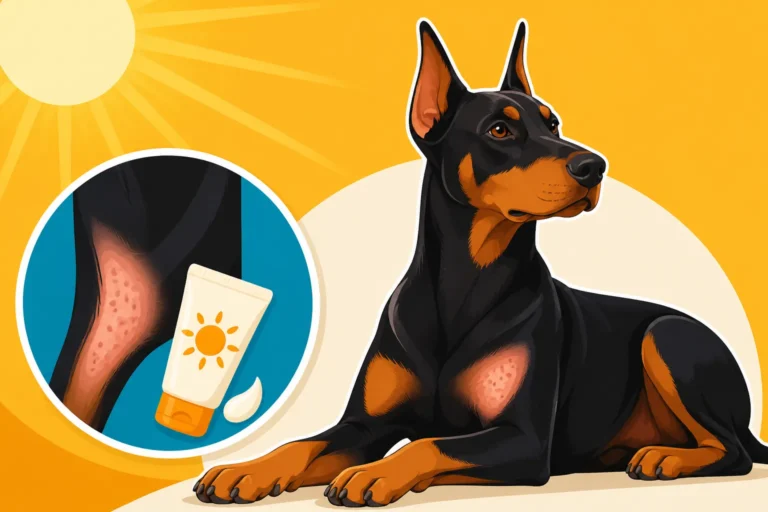
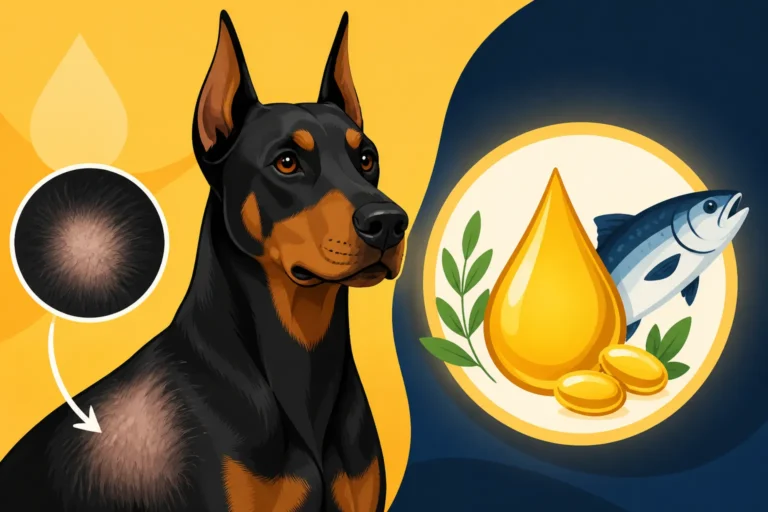
Finally, for Dobermans with Color Dilution Alopecia (CDA), which affects blue and fawn colored Dobermans, skin fragility is a significant concern. CDA is a genetic condition that causes hair thinning and loss, often starting with Thinning Coat on a Blue Doberman Puppy or Hair Loss on a Blue Doberman. But it’s not just about the coat; the skin beneath is also affected. It becomes incredibly thin, dry, and prone to bacterial infections and tearing, sometimes even spontaneously. Because of the compromised skin barrier and lack of protective hair, dogs with CDA require specialized care, including medicated baths and diligent skin protection, to prevent frequent injuries and infections. Skin Infections in a Bald Doberman are a frustrating reality for many owners of blue or fawn Dobermans, making prevention paramount.
Prevention and Management Strategies
Dealing with a Doberman’s delicate skin requires a proactive approach. While you can't change their genetics, you can certainly implement strategies to minimize the risk of tears and promote quicker healing when they do occur.
Proactive Care and Environmental Adjustments
The best defense against skin tears is a good offense. Regular, thorough inspection of your Doberman's skin is paramount. Make it a routine to gently part their fur and examine their body, especially after walks or play sessions. Pay close attention to areas like their flanks, chest, belly, and around their joints – elbows and hocks – where skin is often thinnest or tautest. Look for any redness, scratches, bumps, or small nicks. Catching a minor scrape early can prevent it from worsening.
Environmental proofing your home can also make a big difference. Take a moment to walk through your Doberman's main living areas from their perspective. Are there sharp table corners, exposed nails, or rough edges on furniture they might brush against? Consider adding corner protectors or simply rearranging furniture to create safer pathways. For outdoor spaces, regularly clear away thorny bushes, sharp sticks, or any debris that could cause injury. If you have an active Doberman who loves to crash through brush, consider a protective vest or durable dog jacket during your adventures. Many robust options can be found on sites like Amazon or Chewy that can act as a physical barrier against snags and scrapes.
When it comes to grooming, be gentle. Use a soft brush that won't irritate their skin. Shampoo for a Doberman With Dry Skin is a must. Look for moisturizing, hypoallergenic shampoos and conditioners specifically formulated for sensitive skin. Over-bathing can strip natural oils, leading to drier, more fragile skin, so generally bathe only when necessary. After bathing, gently pat them dry rather than vigorous rubbing, which can also cause irritation. Regular nail trims are also important, not just for their paws, but to prevent them from accidentally scratching themselves during an itch.
First Aid and When to Seek Veterinary Help
Despite your best efforts, your Doberman might still end up with a tear. Knowing how to administer basic first aid and when to seek professional veterinary care is crucial. For small, superficial scrapes or minor tears that aren't bleeding profusely, a simple home care routine can often suffice.
First, clean the wound thoroughly. Use lukewarm water and a mild, antiseptic solution like diluted chlorhexidine or povidone-iodine. Avoid harsh rubbing; gently flush the area to remove any dirt or debris. Once clean, you can apply a thin layer of an antibiotic ointment formulated for pets (check with your vet for recommendations). Keep the wound protected to prevent further contamination. This might involve a light bandage, if the location allows, or simply ensuring your Doberman doesn't lick or chew at it, perhaps using an Elizabethan collar if necessary. Monitor the wound daily for signs of infection, such as increased redness, swelling, pus, or a foul odor.
However, not all tears are minor. You should seek veterinary attention immediately if:
- The tear is deep, wide, or bleeds profusely and you can't stop it with direct pressure.
- You can see underlying tissue, muscle, or fat.
- The wound is in a sensitive area, like near an eye or joint, or involves an ear flap.
- Your Doberman is limping, in obvious pain, or acting lethargic.
- You suspect the wound is infected (swelling, pus, heat, fever).
- The wound doesn't show signs of healing after a couple of days, or it appears to be getting worse.
Many larger or deeper tears will require stitches or surgical glue to close properly and prevent infection. Your vet can assess the wound, clean it professionally, and close it if needed, often prescribing antibiotics or pain relief. Early intervention can significantly improve healing and prevent complications. Remember, the goal is not just to close the wound, but to ensure proper Wound Healing in a Doberman With Thin Skin.
Dietary Support and Supplements
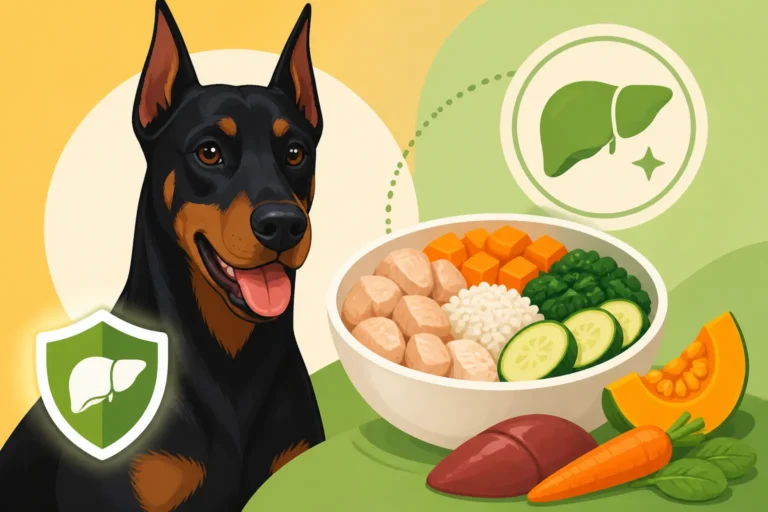
Revisiting diet is critical for ongoing skin health. A high-quality, balanced diet is the foundation. Look for dog foods that list a named meat source as the first ingredient and contain a good balance of protein, fats, and carbohydrates. For Dobermans with particularly dry or sensitive skin, certain dietary adjustments or supplements can be beneficial.
As mentioned, Omega-3 and Omega-6 fatty acids are champions for skin health. You can find these in fish oils, flaxseed oil, or specific skin and coat supplements. These help to reduce inflammation, improve the skin's barrier function, and enhance coat shine, all contributing to more resilient skin. Many commercial dog foods, especially those labeled for "skin and coat," will include these, but sometimes additional supplementation is needed. Always discuss with your veterinarian before adding new supplements to your Doberman's diet to ensure appropriate dosages and to avoid any adverse interactions with existing medications or conditions. You can often find reputable supplements from online retailers like Chewy or Amazon.
Other supplements like biotin and zinc also play a role in skin integrity. Biotin supports healthy skin and hair growth, while zinc is essential for cell division and wound healing. If your Doberman is on a restricted diet due to allergies or other health issues, your vet might recommend specific prescription diets or targeted supplements to ensure all nutritional bases are covered for optimal skin health. Even something as simple as ensuring they have constant access to fresh water can help maintain skin hydration from the inside out. Paying attention to these dietary details can build a stronger, more resilient skin barrier, helping your Doberman better withstand the scrapes and bumps of daily life.
Disclaimer
This article is for general informational purposes only and does not constitute professional advice. Laws, prices and regulations vary by location and change over time. Consult a qualified professional for guidance on your specific situation.