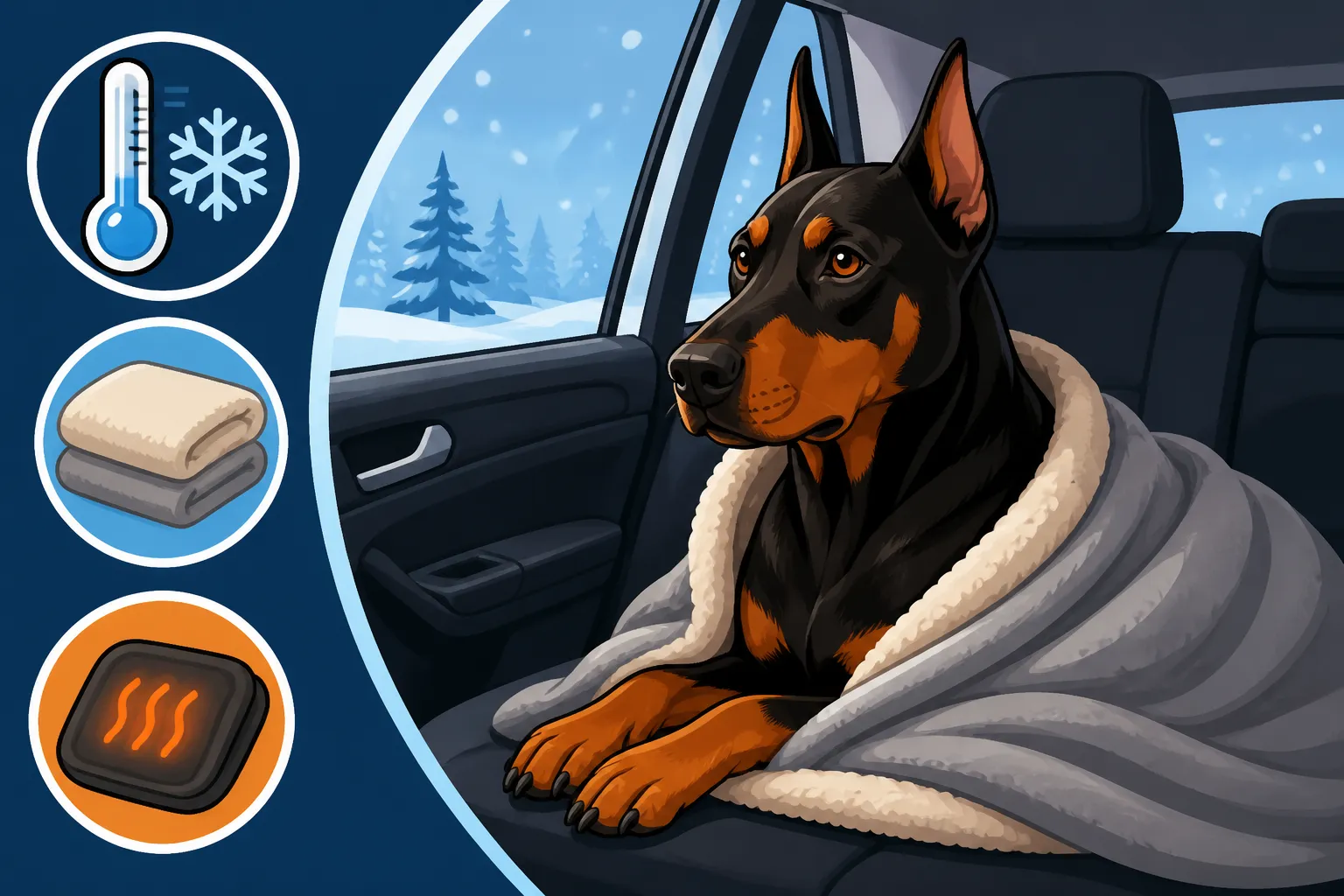
Keeping a Doberman Warm in a Cold Car
You've got your beautiful Doberman ready for a car ride, maybe for a quick errand or a longer trip to the park, but as soon as the temperature dips, you can see them shivering. Their sleek, short coat just isn't built for cold, and leaving them to shiver on a cold car seat is simply not an option. It's a common frustration for Doberman owners, who constantly battle against their beloved companion's tendency to feel the chill. This guide will walk you through effective strategies and practical tips to ensure your Doberman stays snug and comfortable, no matter how low the thermometer drops outside the car window.
Why Dobermans Are So Susceptible to Cold
Dobermans are truly magnificent dogs, known for their elegant appearance, intelligence, and unwavering loyalty. However, these very traits, particularly their physical build and coat type, make them much more vulnerable to cold temperatures than many other breeds. Understanding why they get cold so easily is the first step in effectively keeping them warm, especially in potentially chilly environments like a car.
Their Unique Coat and Body Type
Unlike many double-coated breeds such as German Shepherds or Huskies, Dobermans possess a single, short, and very fine coat. This sleek, glossy coat is beautiful to behold and easy to maintain, but it offers minimal insulation against the cold. They simply don't have that dense, insulating undercoat that traps warm air close to their skin. It's like comparing a light windbreaker to a heavy winter parka – both are coats, but one is designed for warmth and the other isn't.
Think about how quickly you'd feel the chill wearing just a thin shirt on a frosty morning. Your Doberman experiences something similar. Their skin is very close to the surface, and without a thick layer of fur, heat escapes their body rapidly. This isn't just a minor discomfort; prolonged exposure to cold can lead to hypothermia, which is a serious medical concern. You'll often find yourself asking Why a Doberman Feels the Cold Before Other Dogs, and it truly comes down to this lack of natural insulation combined with their lean build.
The Lack of Natural Insulation
Beyond their single coat, Dobermans also have a very lean, athletic build with little body fat. While this contributes to their striking physique and agility, it means they lack another crucial layer of natural insulation. Fat acts as a protective blanket, helping to keep internal organs warm and maintain core body temperature. Without much of it, Dobermans burn through their internal heat more quickly, especially when inactive, like sitting in a car.
This combination of a thin coat and low body fat makes them highly efficient at losing heat, rather than retaining it. When your Doberman settles into a car seat, particularly one that has been sitting in cold weather, that cold surface can quickly draw heat away from their body. Metal crates, often used for car travel, can become particularly icy, turning into a giant heat sink that saps warmth from your dog. This is why it's not enough to just crank the heater; you need targeted strategies to address their unique thermal challenges.
Practical Solutions for Keeping Your Doberman Warm in the Car
Okay, so we know why they get cold. Now, let's talk about the practical, actionable steps you can take to make sure your Doberman is warm and happy in the car. It’s about creating a microclimate of comfort for them, using a combination of direct warmth, insulation, and smart use of your vehicle's heating system.
Maximizing the Car's Internal Heat
Your car's heating system is your first line of defense, but just pointing a vent at your Doberman might not be enough. The key is to pre-warm the vehicle and ensure consistent, gentle heat.
First, if possible, start your car a good 10-15 minutes before you plan to leave, and let the heater run on high. This warms up the entire cabin, including the seats, floorboards, and air. A Doberman lying on a pre-warmed seat will be far more comfortable than one settling onto an icy surface. Directing some of the vents towards their area is helpful, but remember that too much direct hot air can be drying or uncomfortable. You want ambient warmth, not a blast furnace.
Consider adjusting the airflow settings. Recirculating the air inside the cabin, rather than constantly pulling in cold outside air, can help maintain warmth more efficiently. If your car has heated seats, and your Doberman is riding directly on a seat (securely buckled in a Car Restraints for an Eighty-Pound Doberman approved harness, of course!), this can be a fantastic way to provide direct, radiant heat right where they need it most. However, always ensure the heat level isn't too high to avoid discomfort or burns. A low or medium setting is usually sufficient.
Providing Direct Warmth
Beyond the car's heater, you'll need to provide direct, tangible warmth for your Doberman. This is where extra layers and thoughtful accessories come into play.
A high-quality dog coat designed for colder temperatures is essential. Look for coats that cover a good portion of their back and belly, offering insulation where they need it most. Many Doberman owners opt for fleece-lined, insulated, or even waterproof coats if they're going to be out and about in snowy or wet conditions before or after the ride. For a vast selection of durable and warm coats, you might check retailers like Chewy or Amazon, which often have reviews from other Doberman owners. Getting the right fit is crucial; a coat that is too tight will restrict movement, and one that is too loose won't provide adequate warmth. I've found that coats specifically designed for deep-chested breeds tend to fit Dobermans best, as they account for their unique physique. You might be surprised to learn how many styles are available when looking for Coats That Actually Fit a Doberman's Chest.
In addition to a coat, consider warm blankets. Fleece blankets are excellent because they are soft, insulating, and easy to wash. You can layer a couple of these in their designated spot in the car – whether it’s a seat, a bed, or a crate. If your Doberman rides in a crate, lining the bottom and sides with insulating blankets can make a huge difference. Think about adding a thick, comfortable dog bed or a self-warming pet pad inside the crate or on the seat. These often have a reflective thermal layer that bounces your dog's own body heat back to them, creating a surprisingly cozy spot. For ideas on specialized bedding, particularly those designed to cushion a bony frame, check out Bedding a Doberman With No Body Fat.
Creating a Cozy Environment
Making their space in the car inviting and warm goes a long way. It's about more than just throwing a blanket in; it's about thoughtful arrangement.
If your Doberman travels in a crate, ensuring that crate is as insulated as possible is key. Crate covers, especially those made from insulated fabric, can prevent cold air from seeping in through the wire mesh. You can also place the crate on a thick mat or a few layers of blankets to prevent cold transfer from the car's floor. Some owners even use a smaller, softer crate liner bed inside the larger crate for added snugness. For a dog like a Doberman, a solid-sided crate, or a high-quality soft-sided carrier for shorter trips, can offer more protection from drafts than an open wire crate.
Another consideration is draft management. Even with the car heater on, cold air can sneak in through door seals, windows, or floor vents. Ensure windows are completely closed (unless you’re opening them briefly for fresh air), and check for any noticeable drafts around your Doberman's space. In some cases, a well-placed blanket or even a temporary barrier can block drafts from reaching them directly. The goal is to create a small, warm cocoon where they feel secure and protected from the elements.
Pre-Trip Preparation and Post-Trip Care
Keeping your Doberman warm in the car isn't just about what happens during the journey; it's a holistic approach that starts before you even leave the driveway and extends until they are safely back inside. Thoughtful preparation can prevent discomfort, and proper post-trip care ensures they don't get chilled once the engine turns off.
Warming Up Before Departure
The transition from a warm house to a cold car can be a shock to a Doberman's system. Minimize this by warming them up before they even step outside.
Ideally, your Doberman should have their winter coat or sweater on before they leave the house. Don't wait until they're shivering in the car to bundle them up. This pre-dressing ensures they retain their body heat during the brief exposure to cold outdoor air as they walk to the car. For ideas on appropriate attire, you'll find plenty of suggestions in Winter Coats and Cold-Weather Gear for a Doberman. You might even consider a few minutes of gentle indoor play before heading out, just to get their circulation going and generate a little natural body heat.
If you're using portable warming devices like a battery-operated heated blanket or a microwavable heat pack, get them ready and placed in the car before your Doberman gets in. This way, the warmth is immediate. Imagine stepping into a freezing car and having to wait for the heater to kick in – it's much nicer if there's already a warm spot waiting for you. For particularly chilly days, pre-warming their bed or blanket in the dryer for a few minutes can also offer a luxurious starting point for their car ride.
Monitoring During the Ride
Even with all the preparations, it's crucial to keep an eye on your Doberman during the journey. They can't tell you they're cold, so you need to look for the signs.
Periodically check on them. Look for shivering, huddling, cold ears, or an abnormal posture that suggests discomfort. If they are sleeping soundly and seem relaxed, they are likely comfortable. If you notice them trembling, curling up tightly, or even trying to burrow deeper into blankets, it's a clear signal they need more warmth. You can gently touch their ears or paws; if they feel excessively cold to the touch, it's time to increase the heat, add another layer, or pull over and reassess the situation.
It's also important to ensure they have access to water, especially if the car's heater is running for an extended period, which can be dehydrating. A spill-proof bowl can be kept in the car, or you can offer water during a pit stop. Just remember that excessively cold water might cause a chill, so aim for room temperature if possible.
Seamless Transition After the Journey
The journey isn't over until your Doberman is comfortably back indoors and warmed up. Don't let all your efforts go to waste by rushing them out into the cold and leaving them there.
Once you arrive at your destination, or back home, ensure a swift and smooth transition inside. If it's particularly cold or wet outside, have a warm towel ready by the door. You can quickly towel-dry any damp paws or wipe away snow/sleet from their coat. Remove their car coat once indoors, allowing their body to regulate naturally in the ambient warmth of the house.
If they were exceptionally cold in the car, consider letting them snuggle up on a warm blanket by a gentle heat source (like a fireplace, but not too close!) or even offer a warm, comforting meal once they've settled. The goal is to avoid any sudden changes in temperature that could lead to discomfort or stress. Remember, their comfort level contributes greatly to their overall well-being and health, especially as they get older.
Gear and Accessories That Make a Difference
Equipping yourself with the right gear can transform your Doberman's car rides from a shivering ordeal to a cozy cruise. Investing in a few key items designed for warmth and comfort will pay dividends in your Doberman's happiness.
Essential Clothing Options
A good winter coat is truly non-negotiable for a Doberman in colder weather, especially when traveling in a car. As mentioned before, their single coat just isn't enough. Look for coats with several features:
- Insulation: Fleece, faux shearling, or even down-filled materials offer excellent warmth.
- Coverage: A coat that extends from their neck down over their tail, and ideally covers their chest and belly, provides the most protection. Many Dobermans benefit from coats that are specifically cut for deep chests to prevent gapping or tightness.
- Water-resistance: If you're encountering snow or rain, a waterproof or water-resistant outer shell keeps them dry, which is essential for staying warm.
- Easy on/off: Velcro or buckle closures make it simple to get the coat on and off, which is a blessing when dealing with an eager Doberman.
Beyond a main winter coat, consider a lighter fleece sweater or vest for milder cold days, or as an extra layer under their heavy coat. Some Dobermans even tolerate dog booties, which can protect their paw pads from icy sidewalks before entering and after exiting the car, reducing the chill that can travel up their legs.
Specialized Bedding and Blankets
The right bedding makes all the difference in creating a warm nest within the car.
- Insulated Crate Liners/Covers: If your Doberman travels in a crate, a custom-fit insulated crate liner or cover is invaluable. These are often designed to block drafts and retain heat within the crate. Many reputable brands on platforms like Chewy or Amazon offer these for various crate sizes.
- Self-Warming Beds and Pads: These are fantastic because they don't require external power. They use special thermal materials to reflect your dog's own body heat back to them. Place one directly on the car seat or inside their crate.
- Heated Pet Beds/Blankets: For the ultimate in warmth, battery-operated heated pet blankets or beds are available. These are typically low-voltage and safe for use in cars. Always read reviews and ensure they are designed for safe pet use. They can be a game-changer for long trips or very cold conditions. Just make sure the battery pack is secured and not accessible for chewing.
- Heavyweight Fleece Blankets: Stock up on several thick fleece blankets. You can layer them for extra warmth, use them to line a crate, or roll them up to create a cozy bolster for your Doberman to snuggle against. Old comforters or sleeping bags can also be repurposed for this if they are clean and in good condition.
Portable Heating Aids
Sometimes, you need an extra boost of warmth, especially if your car heater isn't powerful enough or you're stopping somewhere without access to power.
- Microwavable Heat Packs: These are non-electric, typically filled with gel or grains, and can be heated in a microwave before you leave. They retain warmth for several hours and can be placed under a blanket in your Doberman's bed or crate. Always ensure they are warm, not scalding hot, and ideally, wrapped in an extra layer of fabric to prevent direct contact with your dog's skin.
- Hand Warmers (Pet-Safe): Some small, disposable heat packs are designed for human use, but if placed safely within a layered blanket, they can provide a little extra warmth. Again, ensure they don't come into direct contact with your Doberman's skin and are not chewable.
- Portable 12V Heaters (for car use): While less common, small 12V heaters that plug into your car's power outlet exist. They are usually designed for quickly defrosting small areas or providing supplemental heat. If you consider one, ensure it's specifically rated for automotive use and has safety features to prevent overheating. It’s always better to use indirect heat and layers for your Doberman's comfort and safety.
No matter which accessories you choose, the key is to ensure they are safe, comfortable, and effective for your Doberman's specific needs. A bit of planning and the right gear can truly make car travel a much more pleasant experience for your cold-sensitive companion.
Here’s a quick comparison of popular car warming methods for Dobermans:
| Method | Description | Pros | Cons |
|---|---|---|---|
| Car's HVAC System | Using the vehicle's built-in heater. | Readily available, warms entire cabin. | Can be drying, uneven heat distribution, slow to warm. |
| Insulated Dog Coat | Wearable garment designed for warmth. | Direct body coverage, portable, immediate warmth. | Needs correct sizing, Dobermans may resist wearing. |
| Fleece Blankets | Soft, insulating fabric layers. | Versatile, affordable, easy to wash, good insulation. | Can shift, not always enough on its own, not chew-proof. |
| Self-Warming Beds | Bedding with thermal reflective material. | No power needed, reflects body heat, comfortable. | Effectiveness depends on dog's body heat, less powerful than active heating. |
| Heated Pet Beds | Battery-operated or 12V plug-in warming pads/beds. | Consistent, active warmth, highly effective. | Requires power (battery or car outlet), potential for chewing hazards, check safety ratings. |
| Crate Covers | Fabric covers for wire crates. | Blocks drafts, retains heat within crate, provides den-like feel. | Only effective if Doberman is crated, doesn't provide direct heat. |
| Microwavable Packs | Non-electric packs heated before use. | Portable, no power needed, sustained warmth. | Limited heating time, requires microwave access, check temperature carefully. |
By combining a few of these methods, you can create a truly warm and comfortable environment for your Doberman, making car rides a joy for both of you, even on the coldest days.
Disclaimer
This article is for general informational purposes only and does not constitute professional advice. Laws, prices and regulations vary by location and change over time. Consult a qualified professional for guidance on your specific situation.