Shampoo That Helps a Bald Doberman
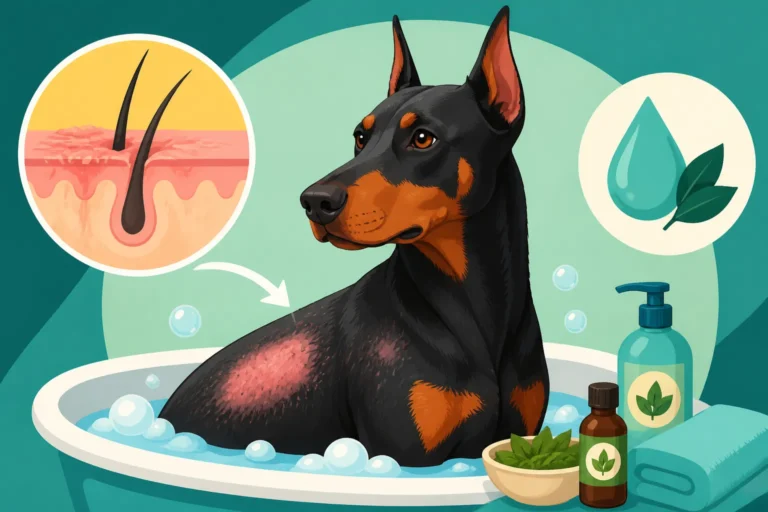
It's incredibly disheartening to watch your beloved Doberman start losing their beautiful, sleek coat, especially if you have one of the striking blue or fawn varieties prone to this particular issue. Many Doberman owners feel a real pang of worry and frustration when those bald patches begin to appear, often accompanied by flaky, irritated skin. This guide is here to walk you through understanding why this happens and, crucially, how choosing the right shampoo can make a significant difference in managing your Doberman's skin and coat health.
Understanding Doberman Coat Loss
When you see your Doberman's coat thinning or bald spots developing, it’s natural to feel a bit lost about what to do. The Doberman breed, particularly those with diluted coat colors like blue and fawn, is unfortunately predisposed to certain skin and coat conditions that lead to hair loss. It's not just a cosmetic issue; it often signals underlying discomfort for your dog, from dryness and itchiness to potential secondary infections. Knowing the root causes helps in selecting the most effective care routine, starting with the right shampoo.
The Genetic Link to Color Dilution Alopecia
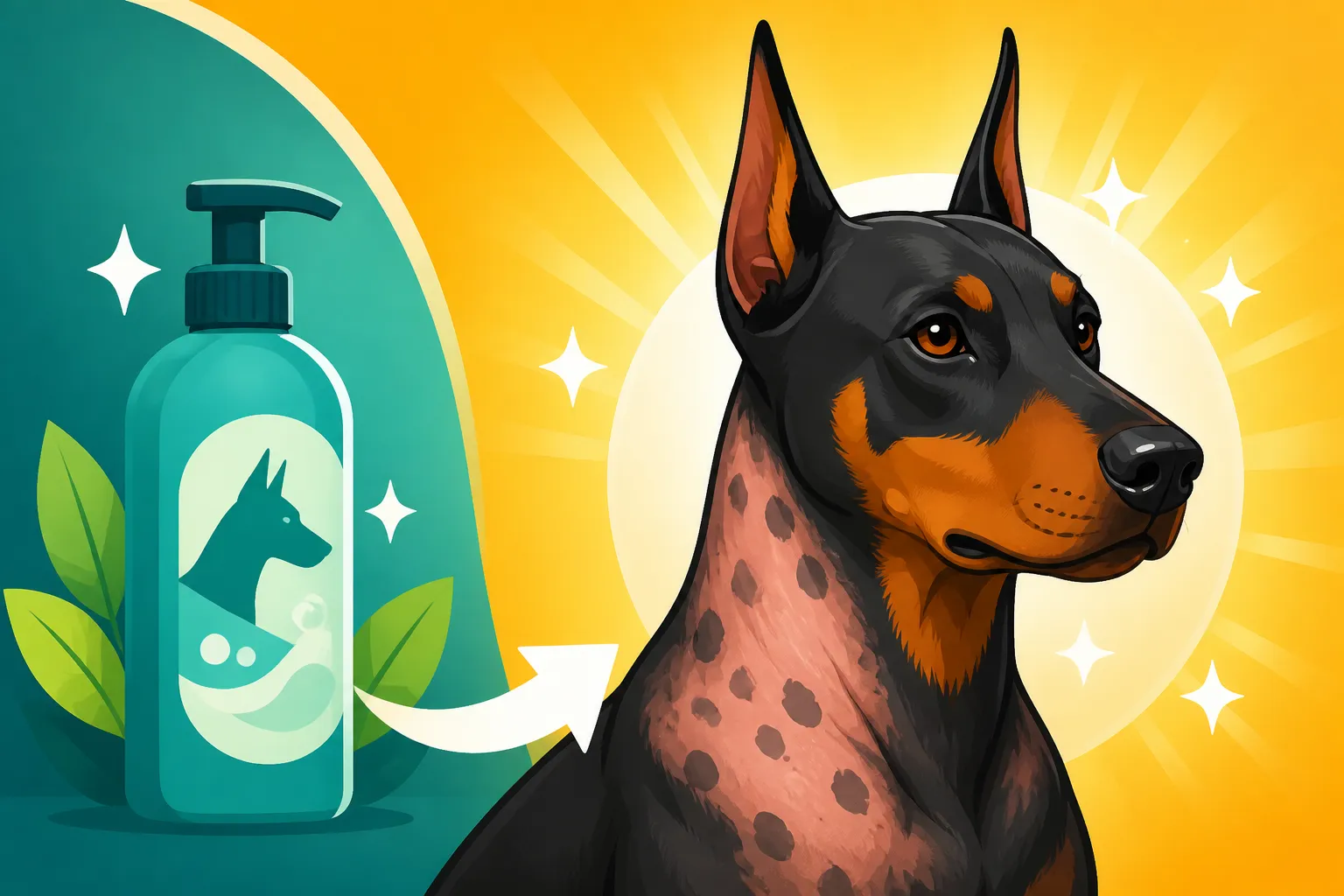
For many blue or fawn Dobermans, the primary culprit behind coat loss is a genetic condition called Color Dilution Alopecia, often abbreviated as CDA. This isn't just regular shedding; it's a specific inherited disorder that affects the quality and structure of the hair shafts in dilute-colored dogs. Essentially, the pigment clumps abnormally in the hair follicles, weakening the hair and making it brittle. These fragile hairs break off easily, or the follicles themselves become damaged and stop producing hair altogether.
The onset of CDA can vary, sometimes appearing as early as puppyhood with a Thinning Coat on a Blue Doberman Puppy, or becoming more noticeable as the dog matures. Over time, the coat can become incredibly sparse, leading to significant bald patches, particularly on the trunk, flanks, and neck. While it doesn't typically cause physical pain directly, the underlying skin is often left exposed, making it much more vulnerable to environmental factors and secondary issues. It's a frustrating reality for many owners, who just want their dogs to be comfortable and healthy. You can learn more about Color Dilution Alopecia in Blue and Fawn Dobermans to better understand its mechanics.
Other Contributors to Skin and Coat Problems
While CDA is a major factor for blue and fawn Dobermans, it's important to remember that other issues can also lead to coat loss and skin irritation, sometimes in conjunction with CDA or independently. Allergies, for instance, whether environmental (like pollen) or food-related, can manifest as intense itching, redness, and subsequent hair loss from constant scratching. Just like people, dogs can react to things in their environment.
Hypothyroidism, a common endocrine disorder in Dobermans, can also cause a dull, thinning coat, often accompanied by weight gain and lethargy. Parasites, bacterial infections, or fungal infections (like ringworm) are other possibilities that can lead to localized or generalized hair loss and skin lesions. Because of these varied potential causes, it's always, always best to consult with your veterinarian to get a proper diagnosis for any significant coat loss. They can rule out or address underlying medical conditions, ensuring you’re not just treating symptoms. Your vet might even recommend Medicated Baths for a Doberman With Coat Loss if an infection is present.
What to Look for in a Doberman-Friendly Shampoo
Choosing a shampoo for a Doberman with thinning hair or bald patches isn't about finding the strongest cleanser. In fact, it's often the opposite. Their delicate skin, especially with CDA, needs products that support its natural barrier, soothe irritation, and provide ample moisture without stripping it further. You want to create an environment where the skin can be healthy, even if the hair itself is struggling.
Gentle, Moisturizing, and pH-Balanced Formulas
The golden rule for a Doberman with coat loss is gentle, gentle, gentle. Avoid anything that feels harsh or overly drying. Look for shampoos specifically labeled as "moisturizing," "hydrating," or "conditioning." These often contain emollients that help trap moisture in the skin, which is crucial for exposed or thinning areas that can dry out quickly.
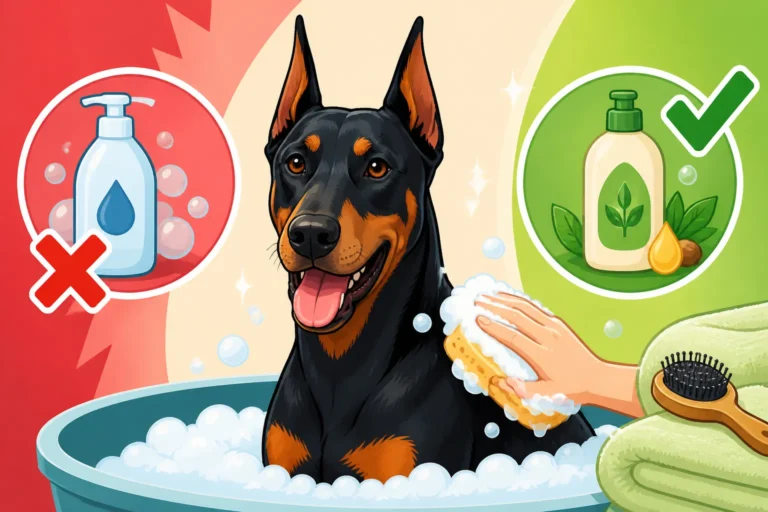
Furthermore, a Doberman's skin pH is different from ours, so human shampoos are a definite no-go. Always opt for a dog-specific shampoo that is pH-balanced for canine skin. This helps maintain the skin's natural protective barrier, reducing irritation and susceptibility to secondary issues. Many pet-specific brands, readily available on platforms like Chewy or Amazon, prioritize these formulations, making it easier to find suitable options.
Key Ingredients to Embrace and Avoid
When you're scanning those ingredient lists (and yes, you really should!), there are certain things to seek out and others to steer clear of.
Ingredients to Embrace:
- Oatmeal: Colloidal oatmeal is a classic for a reason. It's incredibly soothing for itchy, inflamed skin and helps moisturize. It can provide a lot of relief for a Doberman that's constantly scratching.
- Aloe Vera: Known for its healing and moisturizing properties, aloe vera can help calm irritated skin and promote skin health.
- Ceramides: These are lipids that are naturally found in healthy skin and play a vital role in maintaining the skin's barrier function. Shampoos with ceramides can help repair and strengthen this barrier.
- Omega Fatty Acids (e.g., Omega-3, Omega-6): While often found in supplements, some shampoos incorporate them for their anti-inflammatory and skin-nourishing benefits.
- Vitamin E: An antioxidant that can support skin health and act as a natural moisturizer.
- Hypoallergenic Formulations: These are designed with minimal ingredients known to cause allergic reactions, perfect for sensitive Doberman skin.
Ingredients to Avoid:
- Harsh Sulfates (e.g., Sodium Lauryl Sulfate, Sodium Laureth Sulfate): These create a lot of lather but are often too stripping for sensitive or dry skin, removing essential natural oils.
- Artificial Fragrances and Dyes: These are common irritants and can cause allergic reactions in sensitive Dobermans. Look for "fragrance-free" or "dye-free" options. If there's a scent, make sure it's from natural, gentle sources.
- Alcohol: Can be incredibly drying and further exacerbate flaky skin.
- Parabens and Phthalates: While some debate their impact, many prefer to avoid them in pet products, especially for sensitive dogs.
Recommended Shampoo Types for Hair Loss
With so many shampoos on the market, it can feel overwhelming to pick the right one. For Dobermans dealing with coat loss and its accompanying skin issues, certain categories of shampoo tend to be most beneficial. Remember, the goal is not to regrow hair that's lost due to CDA, but to support the health of the existing skin and hair, minimize discomfort, and prevent secondary problems.
Moisturizing and Hydrating Shampoos
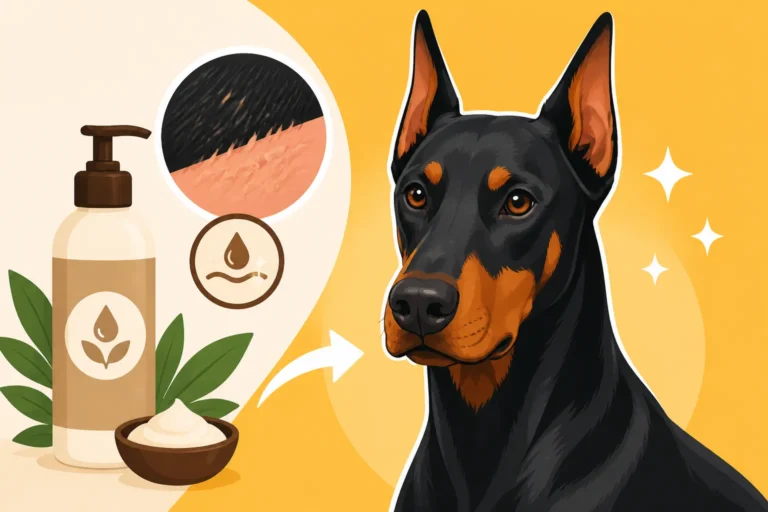
These are often your first line of defense. A Doberman with thinning hair or bald patches will inevitably have more exposed skin, which is prone to dryness, flakiness, and irritation. A good moisturizing shampoo will infuse the skin with much-needed hydration. Look for ingredients like colloidal oatmeal, shea butter, coconut oil, or plant-based ceramides.
For example, a rich oatmeal-based shampoo can work wonders for calming the itch and flaking commonly associated with Dandruff and Flaking on a Doberman. You can often find excellent options from reputable brands on retailers like Chewy or Amazon, specifically formulated for sensitive or dry skin. These shampoos help to restore the skin's natural lipid barrier, making it more resilient and less prone to discomfort.
Hypoallergenic and Sensitive Skin Formulas
If your Doberman's skin is red, itchy, or reactive, even if it's not strictly an allergy, a hypoallergenic formula is a smart choice. These products are formulated with the fewest possible irritants, avoiding common allergens like strong fragrances, dyes, and harsh preservatives. They focus on pure, gentle cleansing and soothing ingredients.
Sometimes, Dobermans can have subtle sensitivities that only become apparent with a compromised coat. Switching to a hypoallergenic shampoo, especially one recommended by your vet or fellow Doberman owners, can help narrow down if certain ingredients are causing further irritation. This is particularly helpful when trying to manage sensitive Shampoo for a Doberman With Dry Skin.
Shampoos for Secondary Skin Infections
In cases where your Doberman's exposed skin has developed a secondary bacterial or fungal infection – a common complication of constant scratching or weakened skin barriers – your vet might prescribe a medicated shampoo. These aren't typically over-the-counter products for general use. They contain active ingredients like chlorhexidine for bacterial infections or miconazole for fungal issues.
It is absolutely crucial to use medicated shampoos only under veterinary guidance, as they are potent and need to be used correctly to be effective and safe. They treat the infection, but you’ll likely still need a gentle, moisturizing shampoo for routine care once the infection is cleared or as a follow-up. Using these can be part of treating Skin Infections in a Bald Doberman.
Here's a quick comparison of shampoo types:
| Shampoo Type | Primary Benefit | Key Ingredients (Examples) | Best For | Considerations |
|---|---|---|---|---|
| Moisturizing/Hydrating | Soothes dryness, restores skin barrier | Oatmeal, Aloe, Shea Butter | Dry, flaky, exposed skin; general coat maintenance with CDA | Essential for all Dobermans with coat loss. Avoid harsh sulfates. |
| Hypoallergenic/Sensitive | Minimizes irritation and allergic reactions | Limited, gentle ingredients | Itchy, red, reactive skin; Dobermans with unknown sensitivities | Often fragrance-free and dye-free. |
| Medicated | Treats specific bacterial/fungal infections | Chlorhexidine, Miconazole | Secondary skin infections, itching from pathogens | Vet-prescribed only. Not for routine use. Follow directions carefully. |
| Keratin/Biotin (Nourishing) | Aims to strengthen existing hair, improve texture | Keratin, Biotin, Silk Proteins | Fragile, brittle hair; improving coat quality where hair still exists | Less effective for full baldness, but can help remaining hair. |
Best Practices for Bathing a Doberman with Coat Loss
Finding the right shampoo is only half the battle; how you bathe your Doberman and the frequency of those baths are just as important. Over-bathing or improper technique can undo all the good work of a gentle shampoo, further irritating delicate skin. Think of it as a delicate balance between cleanliness and preserving natural skin oils.
Proper Bathing Technique
When it's bath time for your Doberman with a compromised coat, approach it with care.
- Brush First: Before getting wet, give your Doberman a thorough but gentle brush. This helps remove loose hair, dirt, and any shedding undercoat (though Dobermans don't have much of one!).
- Lukewarm Water: Always use lukewarm water, not hot. Hot water can strip natural oils and exacerbate dry, itchy skin.
- Gentle Application: Lather the shampoo gently, massaging it into the skin rather than scrubbing vigorously. Focus on getting the product down to the skin where it can work its magic. Pay attention to affected areas but be delicate.
- Allow Soak Time (if specified): Some shampoos, especially medicated ones, require a "contact time" of 5-10 minutes to be effective. Read the label instructions carefully.
- Rinse Thoroughly: This is critical! Any shampoo residue left on the skin can be a major irritant and lead to itching and flaking. Rinse, rinse, and rinse again until the water runs clear and you don't feel any slippery residue on the coat. A good rinse is key for preventing issues like Dandruff and Flaking on a Doberman.
- Condition (Optional but Recommended): If your Doberman's skin is particularly dry, a dog-specific conditioner can be a fantastic follow-up to lock in moisture. Apply it gently and rinse thoroughly as well.
Drying and Bathing Frequency
How you dry your Doberman is just as important as the wash. Blot, don't rub, with a soft towel. Aggressive rubbing can irritate the skin and break any fragile hairs. If you use a hairdryer, ensure it's on a cool or low-heat setting and keep it moving to avoid overheating any one spot. Air drying in a warm, draft-free room is often best for sensitive skin, but ensure your Doberman is completely dry to prevent skin infections, especially in skin folds.
As for frequency, less is often more. For Dobermans with CDA or sensitive skin, bathing too frequently can strip away essential oils and lead to further dryness. For many, a bath every 2-4 weeks is sufficient, or even less frequent if their skin isn't overly problematic. If your vet has prescribed a medicated shampoo for an active infection, they will give you specific instructions on how often to bathe. Otherwise, adjust based on your dog's individual needs and the advice of your veterinarian. The goal is to keep them clean and comfortable without compromising their delicate skin barrier. Washing a Doberman Without Stripping Its Skin is vital.
Beyond Shampoo: Holistic Skin and Coat Care
While the right shampoo is a powerful tool in your arsenal, managing a Doberman with coat loss due to conditions like Color Dilution Alopecia (CDA) requires a more holistic approach. It’s about supporting their skin and coat from the inside out and protecting them from environmental stressors. Think of shampoo as one piece of a larger, comprehensive puzzle designed to keep your Doberman as comfortable and healthy as possible.
Dietary Support and Supplements
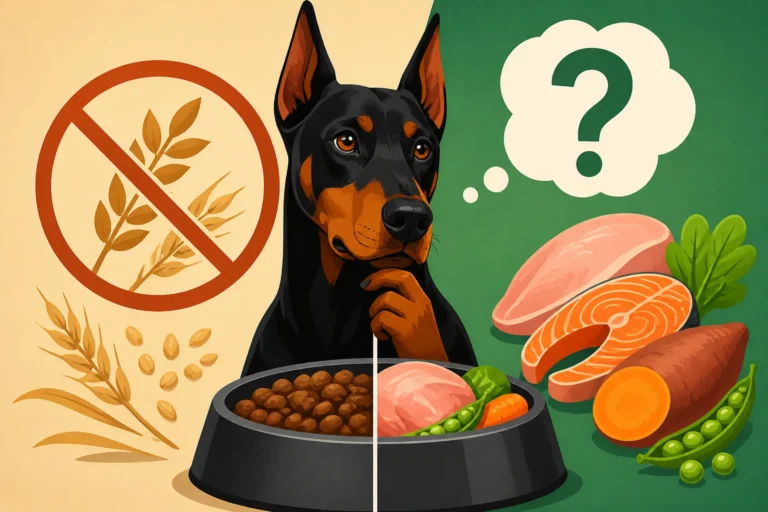
What goes into your Doberman's bowl plays a huge role in their skin and coat health. A high-quality, balanced diet rich in essential fatty acids is foundational. Look for dog foods that list named animal proteins as the first ingredients and contain sources of Omega-3 and Omega-6 fatty acids. These healthy fats are crucial for maintaining skin integrity, reducing inflammation, and promoting a healthy coat.
Beyond their regular food, many Doberman owners find significant benefits from adding specific supplements:
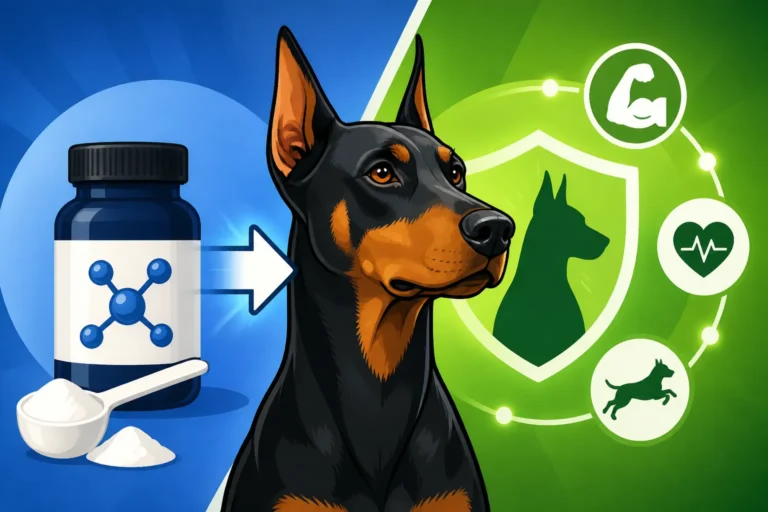
- Omega Fatty Acid Supplements: Fish oil (rich in EPA and DHA) is perhaps the most common and effective supplement for skin and coat health. It helps reduce inflammation and can improve skin barrier function. Look for high-quality, triglyceride-form fish oil supplements designed for dogs. This can be particularly beneficial for Omega Oils for a Doberman With Coat Loss.
- Biotin and Zinc: These micronutrients are vital for healthy skin and hair growth. While most quality dog foods contain adequate amounts, some Dobermans with persistent coat issues may benefit from additional supplementation, always under veterinary guidance.
- Vitamin E: This antioxidant can protect skin cells from damage and support overall skin health.
Before adding any new supplements, always consult your vet. They can help you choose the right product and dosage, ensuring it's appropriate for your Doberman's specific needs and doesn't interfere with any other medications. Brands like Ollie, which offers customized fresh food, often focus on ingredients that support overall health, including skin and coat, and many specialized supplements are readily available on platforms like Chewy and Amazon.
Environmental Protection and Routine Care
Your Doberman's environment also plays a crucial part in managing coat loss. Their thinning or bald areas are much more susceptible to the elements:
- Sun Protection: Just like us, exposed Doberman skin can sunburn. If your Doberman spends time outdoors, especially during peak sun hours, consider using a dog-specific sunscreen on vulnerable areas or dressing them in a lightweight, UV-protective shirt. This is a critical part of Sun Protection for a Thin-Coated Doberman.
- Temperature Regulation: Dobermans have naturally short coats with little undercoat. With CDA, their insulation is even further compromised. In colder weather, a well-fitting dog coat or sweater is essential to keep them warm. Similarly, ensure they don't overheat in summer, as their skin can be more sensitive to extremes.
- Regular Grooming: Even with minimal hair, regular, gentle brushing helps stimulate blood flow to the skin, distributes natural oils (if any are present), and removes loose hairs and dander. A soft rubber curry brush or a grooming mitt works well for their short coat. This helps maintain a healthy Daily Skin Routine for a Thinning Blue Doberman.
- Moisturizing Sprays or Leave-in Conditioners: Between baths, a hydrating spray designed for dogs can provide an extra layer of moisture and soothe dry patches. Look for sprays with aloe, oatmeal, or humectants that draw moisture to the skin.
The Importance of Veterinary Oversight
I cannot stress this enough: consistent veterinary oversight is paramount. While this guide helps with management, a veterinarian is your best resource for diagnosis, ruling out other conditions (like thyroid issues or severe allergies), and guiding your treatment plan. They can assess the extent of the coat loss, check for secondary infections, and recommend specific medicated shampoos, oral medications, or dietary changes if needed. Whether Coat Loss in a Doberman Can Be Treated effectively often depends on early diagnosis and consistent veterinary partnership. Your vet can also offer advice on long-term care strategies and adjust them as your Doberman ages or their condition changes. Don't hesitate to reach out to them when you notice any changes in your Doberman's skin or coat.
Disclaimer
This article is for general informational purposes only and does not constitute professional advice. Laws, prices and regulations vary by location and change over time. Consult a qualified professional for guidance on your specific situation.