Whether Taurine Supplements Help a Doberman
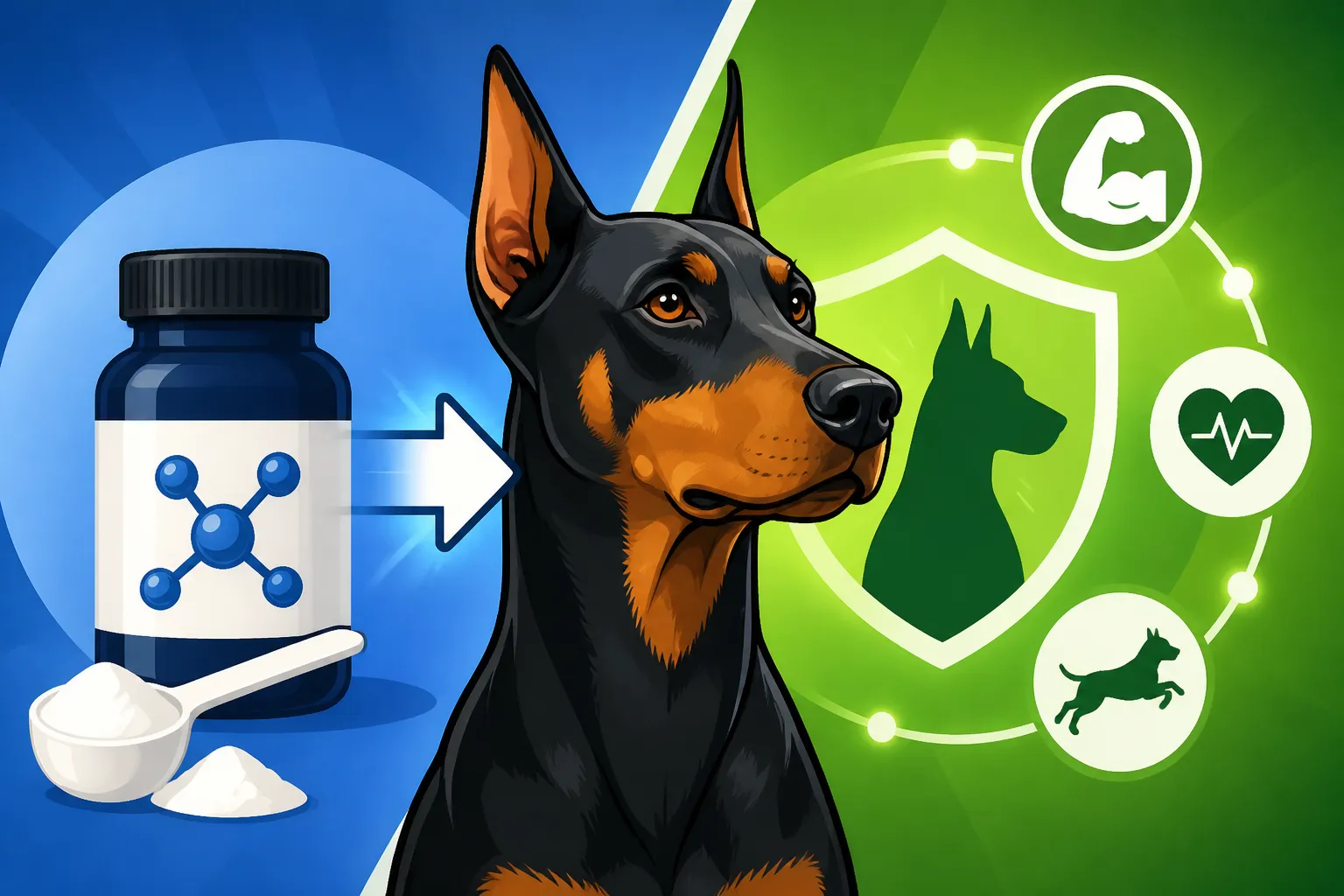
It's incredibly unsettling to hear about the prevalence of heart disease, specifically Dilated Cardiomyopathy (DCM), in Dobermans. As a devoted Doberman owner, you might find yourself deep-diving into every possible preventative measure or treatment, and inevitably, the topic of taurine supplementation comes up. You’re left wondering if this is a magic bullet, a necessary precaution, or just another supplement trend. This comprehensive guide will explore the specific relationship between taurine and Doberman heart health, helping you understand if, when, and how taurine supplementation might truly benefit your cherished companion.
Understanding Taurine's Crucial Role in Doberman Cardiac Health
Taurine isn't just another obscure ingredient on a dog food label; it's an amino acid that plays a profoundly important role in numerous bodily functions, with its impact on cardiac health being particularly significant for our Dobermans. Unlike some other amino acids, dogs can typically synthesize taurine from other amino acids like methionine and cysteine. However, this isn't always enough, especially for breeds predisposed to certain heart conditions.
What is Taurine and Why is it Important for the Heart?
Think of taurine as one of the unsung heroes of the heart. It's concentrated in heart muscle and is absolutely vital for the normal functioning of cardiac cells. It helps regulate the flow of calcium into and out of heart cells, which is critical for strong, efficient contractions. Without adequate taurine, these contractions can weaken over time, leading to a condition known as Dilated Cardiomyopathy (DCM). This is a disease where the heart's chambers enlarge and its walls thin, reducing its ability to pump blood effectively, and it's a condition we tragically see far too often in Dobermans.
For Dobermans, the connection between taurine and DCM isn't always straightforward. Many Dobermans develop DCM due to genetic predispositions, regardless of their diet or taurine levels. This is often referred to as primary DCM. However, there's also secondary DCM, which can be caused by a dietary taurine deficiency. The challenge lies in distinguishing between these two, especially since a Doberman with a genetic predisposition might also benefit from optimal taurine levels. It's a complex picture, and one that highlights the importance of thorough veterinary consultation. The Heart Disease That Reaches Most Dobermans is a topic every Doberman owner should educate themselves on.
The Link Between Diet, Taurine, and DCM in Dobermans
For a long time, diet-associated DCM was primarily linked to certain breeds, but in recent years, there's been a significant discussion around certain "boutique" or "grain-free" dog foods and their potential link to taurine deficiency in breeds not traditionally associated with it, including some Dobermans. While the exact mechanisms are still being researched, some theories suggest that certain ingredients, particularly high levels of legumes (peas, lentils) or potatoes used as grain substitutes, might interfere with taurine synthesis or absorption in some dogs, or that the overall processing methods reduce bioavailability.
It's a frustrating situation because you, as a Doberman owner, are simply trying to choose the best food for your dog, often selecting grain-free options based on marketing or perceived health benefits. Then, you hear this news, and suddenly, you're questioning everything. The key takeaway here is that while many Dobermans develop DCM due to genetics, ensuring optimal taurine levels through diet or supplementation is a step we can take to potentially mitigate one possible contributing factor. We discuss this further in Whether Grain-Free Food Adds to Doberman DCM.
When Taurine Supplementation Becomes Crucial for Your Doberman
Deciding whether your Doberman needs a taurine supplement isn't a decision to take lightly or make based on hearsay. It should always be a conversation with your veterinarian, ideally a board-certified veterinary cardiologist, who can assess your dog's individual risk factors, diet, and overall health. Jumping to supplementation without a clear understanding could be unnecessary or even mask underlying issues.
Identifying Potential Taurine Deficiency
The most reliable way to identify a taurine deficiency is through a blood test. Your vet can draw a sample and send it to a specialized lab to measure whole blood taurine levels. This is especially recommended if your Doberman is eating a diet implicated in diet-associated DCM (like certain grain-free or boutique brands) or if they are showing early signs of cardiac issues.
Symptoms of DCM, whether taurine-related or genetic, can be subtle in the early stages, often referred to as the "occult phase" of the disease. Your Doberman might seem completely normal, full of energy, and showing no outward signs of illness. This is why regular screenings are so important. As the disease progresses, however, you might start noticing symptoms like:
- Decreased exercise tolerance or tiring more easily
- Coughing, especially after exertion or when lying down
- Increased respiratory rate, particularly at rest
- Fainting or collapsing spells A Doberman That Faints on a Walk
- Weakness or lethargy
If your Doberman is on a potentially problematic diet and exhibiting any of these signs, a taurine blood test should be a priority alongside a full cardiac workup, including an echocardiogram (an ultrasound of the heart) and a Holter monitor (24-hour ECG). The Age to Start Screening a Doberman's Heart is usually around two years old, but earlier if concerns arise.
Taurine as Part of a Comprehensive Heart Health Strategy
For Dobermans, taurine supplementation isn't a standalone solution for DCM. It's one piece of a much larger puzzle, especially given the breed's genetic predisposition. If a taurine deficiency is confirmed, supplementation is a critical part of the treatment plan, and many Dobermans show significant improvement in cardiac function once levels are normalized. However, even for Dobermans with genetically driven DCM and normal taurine levels, some cardiologists might recommend taurine as part of a multi-modal approach to support heart health, often alongside other medications. Medication for a Doberman in the Occult Phase is a separate, but related, conversation.
Consider this scenario: You've been feeding your active Doberman, Max, a popular grain-free kibble for years, thinking you're doing the best for him. Suddenly, at five years old, he seems a little less enthusiastic on his walks, and you notice a soft cough occasionally. Your vet performs an Annual Echo and Holter Screening for a Doberman and finds early signs of DCM. Before jumping to expensive medications, your vet suggests a taurine blood test, which reveals a significant deficiency. In this case, taurine supplementation, combined with a diet change to a quality, non-boutique, grain-inclusive food, could make a world of difference for Max. This is a very real, very common situation.
Choosing and Administering the Right Taurine Supplement
Once you and your vet have determined that taurine supplementation is appropriate for your Doberman, the next step is selecting a high-quality product and administering it correctly. It's not just about grabbing the first thing you see; quality and purity matter immensely when it comes to supplements.
What to Look for in a Taurine Supplement
When you're sifting through the seemingly endless options, here’s what to keep in mind:
- Purity and Quality: Look for pharmaceutical-grade taurine. This indicates a higher standard of purity and ensures you’re not introducing unnecessary fillers or contaminants into your Doberman's system. Reputable brands will often state this clearly on their packaging.
- Form: Taurine typically comes in powder or capsule form.
- Powder: Often the most economical and easiest to administer, especially for larger dogs like Dobermans that require higher doses. It can be mixed directly into their food.
- Capsules: Can be good for smaller doses or if your Doberman is particularly picky, though you might need several capsules for the correct dosage.
- No Unnecessary Additives: Avoid supplements with added flavors, colors, or other ingredients unless specifically recommended by your vet. You want pure taurine, nothing else.
- Reputable Brands: Stick to brands with a strong track record and good manufacturing practices. Your vet might have specific recommendations. You can often find these reliable brands on platforms like Chewy or Amazon, but always cross-reference with your vet's advice.
- Dosage: This is absolutely critical. Taurine dosage is typically measured in milligrams (mg) and will depend on your Doberman's weight and the severity of any deficiency. Never guess the dosage. Your vet or cardiologist will provide specific instructions based on the blood test results and their clinical judgment.
Here’s a quick comparison of general supplement considerations:
| Feature | Ideal Taurine Supplement | Less Ideal Options |
|---|---|---|
| Purity | Pharmaceutical grade, 99%+ pure | Contains fillers, artificial colors/flavors |
| Form | Powder (easy to dose, cost-effective for large dogs) | Tablets/chews with questionable binders and palatability |
| Additives | Minimal to none (pure taurine) | Unnecessary ingredients, sugars, dubious "flavorings" |
| Brand Trust | Established, vet-recommended, third-party tested | Unknown origin, vague ingredient lists, cheap price only |
| Dosage Guidance | Clear, precise dosing based on veterinary recommendation | Generic "scoop for large dogs" without specifics |
When you're browsing for these supplements, whether it's on a specialty pet site or a general retailer like Amazon, read reviews carefully, but always prioritize professional veterinary advice above all else.
Administering Taurine and Monitoring Your Doberman's Progress
Once you have your Doberman's taurine supplement, integrating it into their daily routine is usually straightforward. For powder, simply sprinkle the measured dose over their food. If using capsules, you can open them and mix the powder with food, or if your Doberman takes pills easily, administer them directly.
Consistency is key here. Taurine deficiency doesn't resolve overnight, and heart health improvements take time. You’ll need to administer the supplement diligently every single day as prescribed.
Monitoring progress involves a few important steps:
- Follow-up Blood Tests: Your vet will likely recommend repeat taurine blood tests after a few months (e.g., 3-6 months) to ensure levels have normalized. This is crucial for adjusting the dosage if needed.
- Repeat Cardiac Screenings: Regular echocardiograms and Holter monitoring are still vital. Even if taurine levels improve, your Doberman's heart may still require ongoing management. Your vet will assess changes in heart size, function, and the presence of arrhythmias. What a Doberman Sees a Cardiologist For includes these vital checks.
- Observe Your Doberman: Pay close attention to any changes in your Doberman's energy levels, breathing, or exercise tolerance. Keep a journal of observations to share with your vet. Are they more energetic on walks? Is their cough less frequent? These anecdotal observations, combined with objective test results, paint a fuller picture.
Remember that taurine supplementation, when necessary, is often a long-term commitment. It's not a temporary fix. Your Doberman's heart health, especially with a breed as prone to DCM as ours, requires ongoing vigilance and partnership with your veterinary team. While The Blood Test That Flags a Doberman Heart can offer clues, a full cardiology workup is essential for a complete diagnosis and treatment plan.
Integrating Taurine with Dietary Changes and Other Supplements
Addressing a potential taurine deficiency or supporting overall Doberman heart health often involves more than just adding a supplement. It's about a holistic approach that includes diet, other beneficial nutrients, and routine veterinary care.
The Role of Diet in Taurine Levels
If your Doberman has been diagnosed with a taurine deficiency, especially one linked to diet, your vet will almost certainly recommend a change in food. This often means switching to a commercially prepared dog food from a well-established brand that has undergone rigorous feeding trials and has a strong nutritional profile. These brands typically use traditional ingredients like meat and grains, which have been proven to support taurine synthesis and overall health.
It can be really tough to switch foods, especially if your Doberman has been thriving on a particular brand, or if you've put a lot of thought into choosing what you thought was the "best" diet. But in cases of suspected or confirmed diet-associated DCM, a food change is paramount. Discussing food options with your vet, including those available at pet retailers like Chewy, can help you find a suitable, high-quality kibble that supports cardiovascular health.
When considering a diet, especially for a large, active breed like the Doberman, remember that Feeding an Eighty-Pound Doberman Well involves balancing their energy needs with their long-term health. While many popular brands are available, always prioritize foods developed with veterinary nutritionist input.
Other Supplements and a Multifaceted Approach
Taurine isn't the only supplement that might be discussed for Doberman heart health. Depending on your Doberman's specific condition and the recommendations of a cardiologist, other supplements or medications might be prescribed. These could include:
- L-Carnitine: Another amino acid, sometimes given alongside taurine, as it also plays a role in heart muscle energy production. Some Dobermans with DCM may also have an L-carnitine deficiency.
- Omega-3 Fatty Acids: Often recommended for their anti-inflammatory properties and general cardiovascular benefits.
- Coenzyme Q10 (CoQ10): An antioxidant that supports cellular energy production, including in the heart.
It’s tempting to want to give your Doberman every supplement that might help, especially when facing a serious condition like DCM. However, it's crucial to understand that not all supplements are effective, and some can even interfere with medications or each other. Always, always defer to your vet or cardiologist's advice. They will be able to tell you which Supplements a Doberman Cardiologist Actually Recommends based on solid scientific evidence and your individual dog's needs.
Remember, the goal is not just to throw supplements at a problem, but to create a cohesive, medically sound treatment and prevention plan. For a Doberman facing a diagnosis like DCM, this often means regular visits to a cardiologist, ongoing medication, careful dietary management, and sometimes, specific supplementation with taurine, L-carnitine, or other supportive nutrients. The journey of managing a Doberman’s heart health is a marathon, not a sprint, and it requires dedication, patience, and expert guidance.
Disclaimer
This article is for general informational purposes only and does not constitute professional advice. Laws, prices and regulations vary by location and change over time. Consult a qualified professional for guidance on your specific situation.